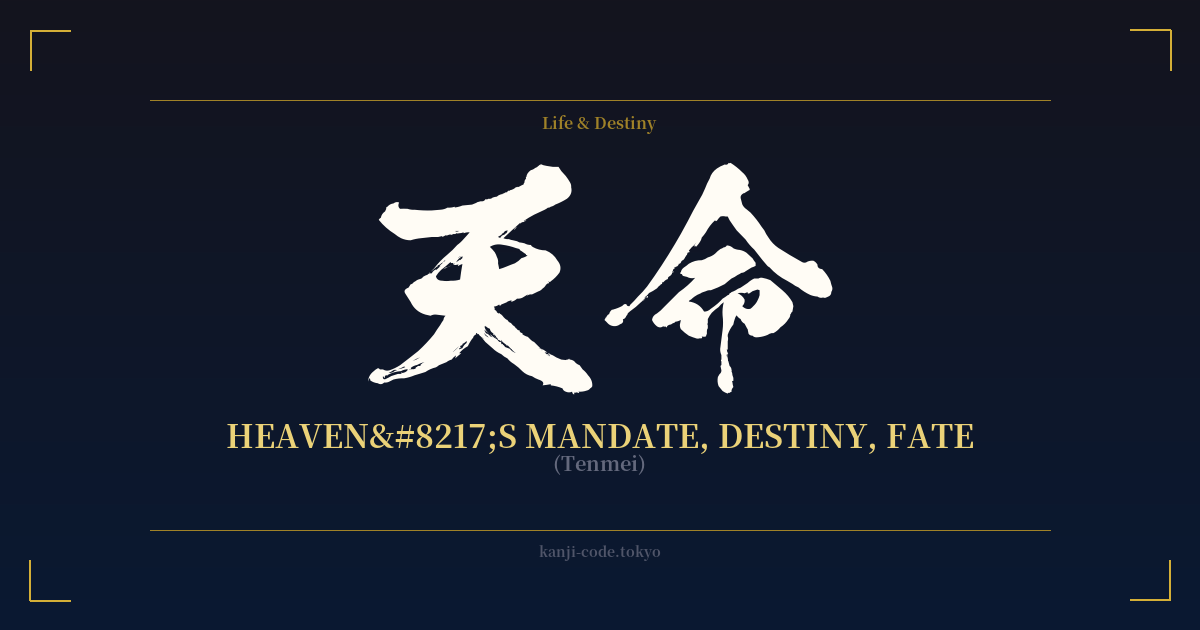
✍️ 天命 (Tenmei) — Cultural Context
天命 (Tenmei) is a term steeped in centuries of philosophy and history, translating to "Heaven's Mandate," "Destiny," or "Fate." It signifies a destiny that is divinely ordained, a purpose bestowed by a higher power. This isn't just about what will happen to you; it's about the mission you are meant to fulfill.
The concept originates from ancient Chinese thought, particularly Confucianism, where the 天命 (Tiānmìng in Chinese) was the divine right to rule granted to emperors by the heavens. This mandate wasn't permanent; if a ruler became corrupt or unjust, it was believed that heaven would withdraw its favor, leading to their downfall. This idea provided a moral justification for both ruling and rebellion.
When this concept traveled to Japan, it was integrated into the existing cultural and political landscape. For the samurai class, Tenmei was often intertwined with their sense of duty and loyalty. Fulfilling one's role, even unto death, could be seen as accepting and acting upon one's heaven-sent destiny. It was a powerful motivator, framing personal sacrifice as part of a grand, cosmic order.
In modern Japan, Tenmei has shed most of its political connotations and is now used in a more personal, spiritual sense. It refers to a person's true calling or life's work—something that feels so right and natural that it seems to have been assigned by the universe itself. When someone finds their Tenmei, they have found their ultimate purpose, the reason for their existence.
It's important to distinguish Tenmei from similar words. While 運命 (Unmei) also means destiny, it's more neutral, referring to the general course of life's events. 宿命 (Shukumei) implies a fate that is predetermined from a past life, often with a more inescapable or even negative nuance. Tenmei, in contrast, carries a sense of a noble, grand-scale mission that one is called to embrace.
🖌️ Font Styles for 天命
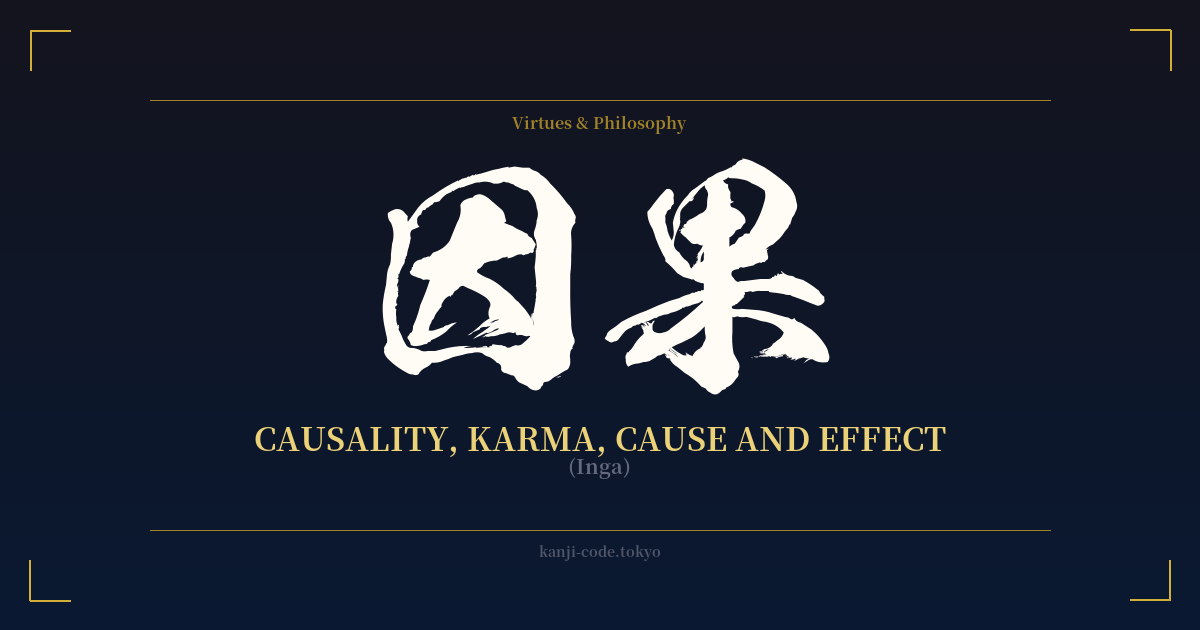
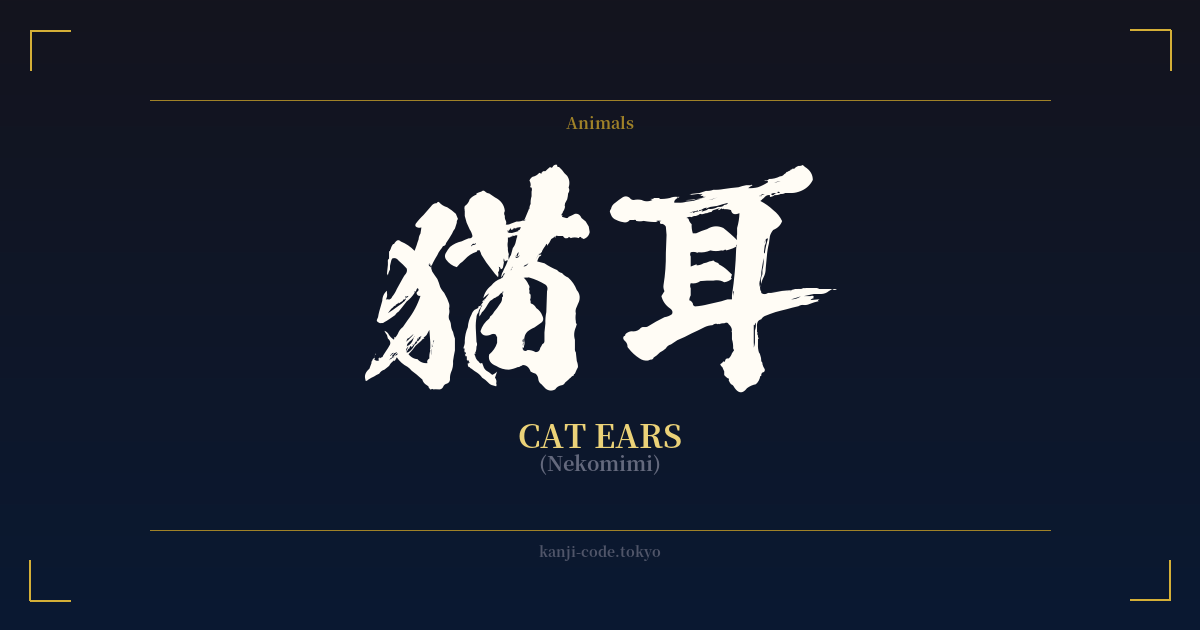
The same kanji can look dramatically different depending on the calligraphy style. Choose a font that matches the mood you want for your tattoo or design.
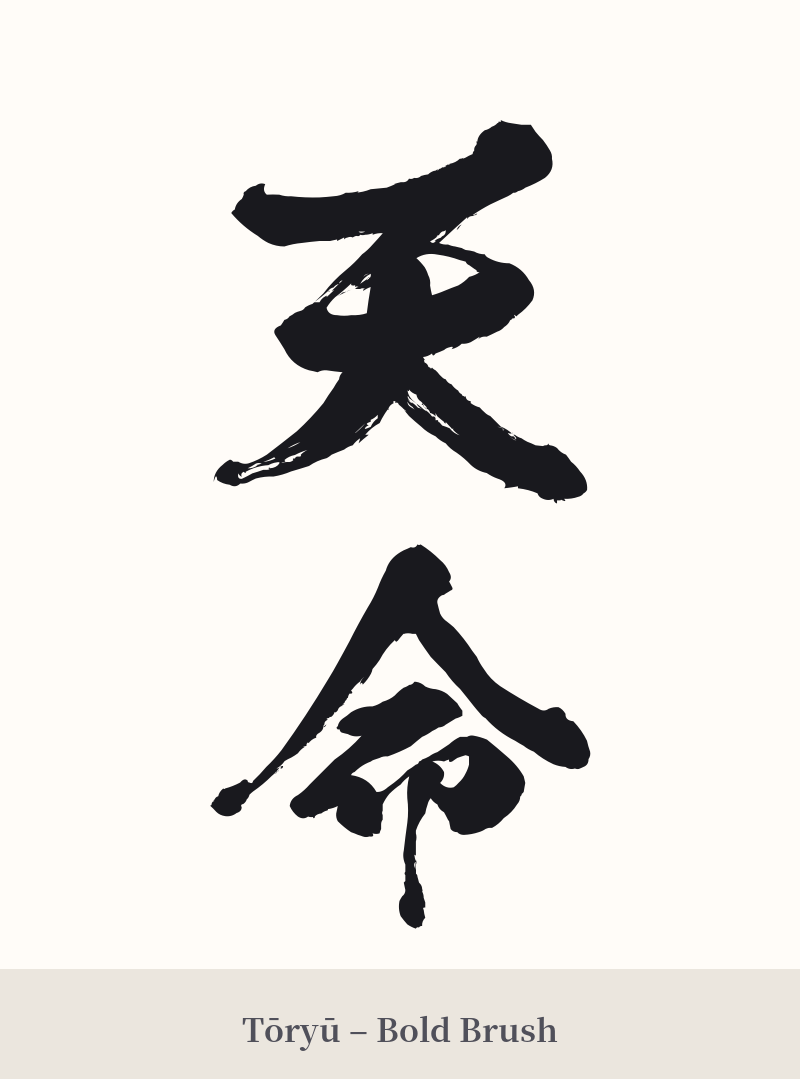
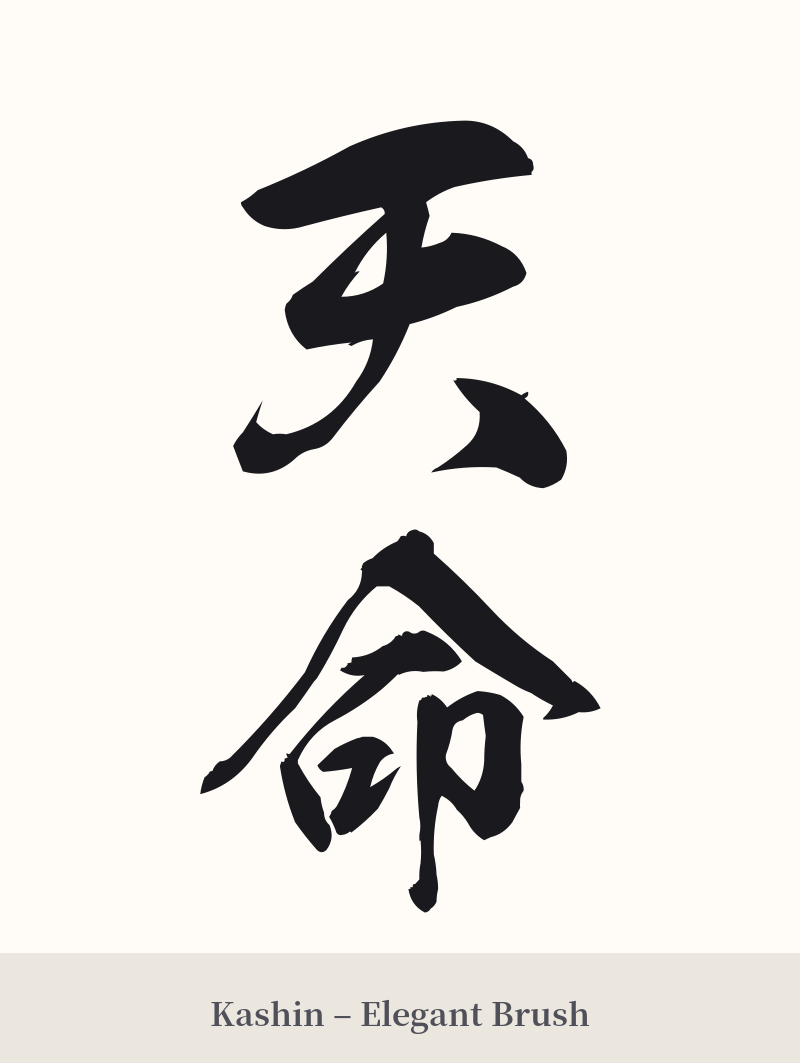
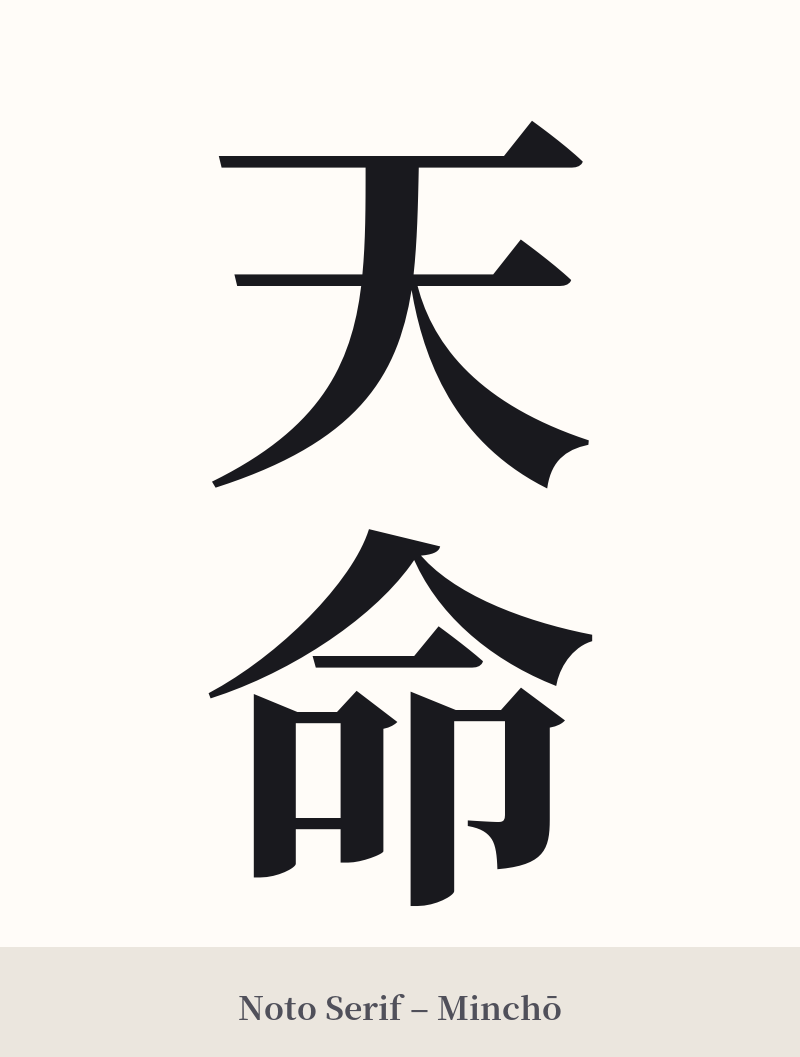
🎨 Tattoo Suitability
📐 Tattoo Design Guide
The two characters of 天命 (Tenmei) offer a balanced and classic aesthetic, suitable for a variety of tattoo designs.
– Placement: A vertical alignment is traditional and visually striking. It works exceptionally well along the forearm, the calf, or down the spine. For a horizontal design, the inner bicep or across the chest are strong choices.
– Font Style: The style can dramatically alter the feel. A crisp, angular Kaisho (block script) font emphasizes the authority and permanence of the 'mandate.' For a more organic and flowing feel, a Gyōsho (semi-cursive) or Sōsho (cursive) script can represent the natural, unfolding path of destiny.
– Visual Elements: While Tenmei stands powerfully on its own, it can be paired with symbolic imagery. Consider a background of subtle clouds to emphasize the 'heavenly' aspect (天). A dragon, a celestial being in East Asian culture, can also complement the theme. For a more personal touch, elements representing your own 'calling'—like a brush, a tool, or a musical note—could be integrated into the design.
Comments