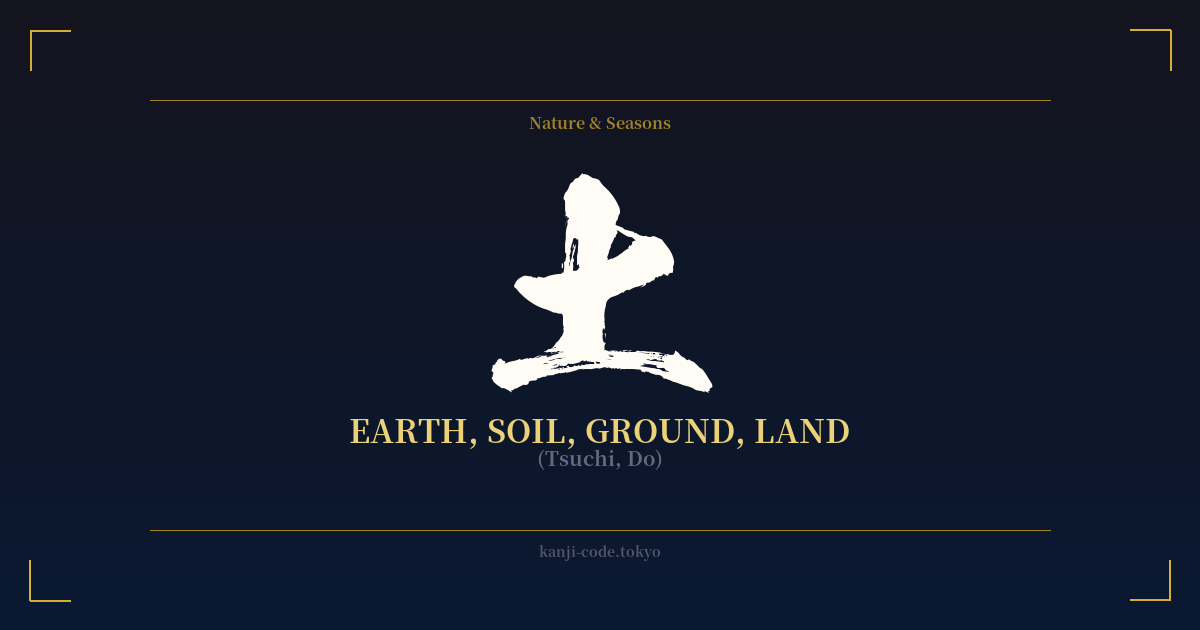
✍️ 土 (Tsuchi, Do) — Cultural Context
The kanji 土 (tsuchi) is one of the most fundamental characters in the Japanese language, representing the very ground beneath our feet. Its origin is a simple pictograph, depicting a mound of earth, perhaps with a small plant just breaking through the surface. This ancient image captures its dual essence: the physical substance of soil and its role as the source of all life.
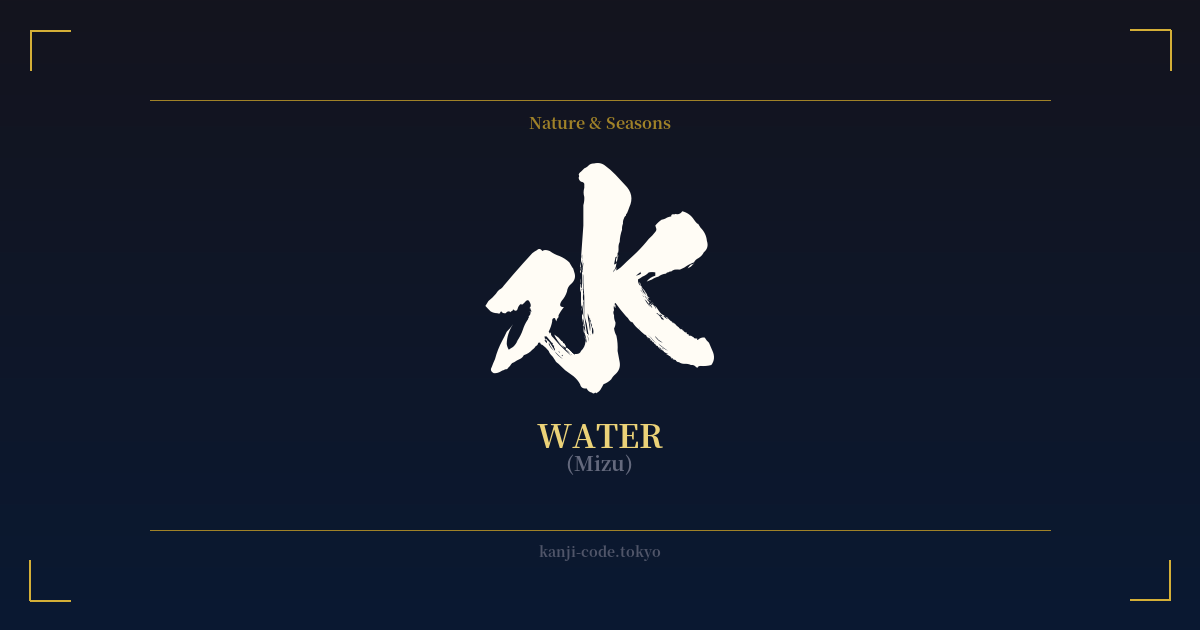
In East Asian philosophy, which heavily influenced Japanese thought, 土 is one of the five core elements of the Wuxing system (五行). Alongside Wood (木), Fire (火), Metal (金), and Water (水), Earth represents stability, nourishment, and the center from which all things are balanced. This system permeates Japanese culture, from traditional medicine and martial arts to astrology. The kanji is directly linked to Saturday (土曜日, Doyōbi) and the planet Saturn (土星, Dosei), reinforcing its foundational place in the cosmic order.
This character is also deeply woven into the fabric of Japan's native Shinto religion, which venerates the kami (gods or spirits) found in nature. The land itself is considered sacred. The simple act of farming, working the soil, was not just a means of survival but a spiritual practice. This reverence is reflected in the word 身土不二 (shindofuji), a concept meaning 'body and soil are not two,' which promotes eating local, seasonal food as a way to align oneself with the environment.
While 土 refers to the physical dirt or clay, it’s distinct from the broader concept of 地 (chi), which means 'ground' or 'territory.' You walk on the 地, but you can hold 土 in your hands. This tangible quality makes 土 a powerful symbol of being grounded, reliable, and down-to-earth. It's the foundation upon which houses are built, the clay from which pottery is formed, and the soil from which life-giving rice grows.
In everyday language, 土 appears in many essential words. A souvenir is a 土産 (miyage), literally a 'product of the land,' a gift representing a specific place. A plot of land is 土地 (tochi). The kanji symbolizes not just a physical element, but home, roots, and a tangible connection to place and heritage.
🖌️ Font Styles for 土
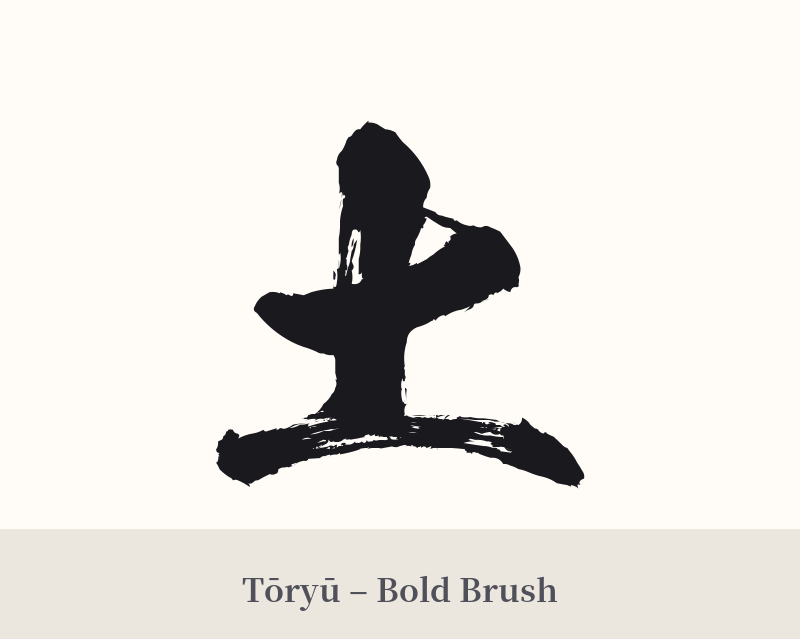
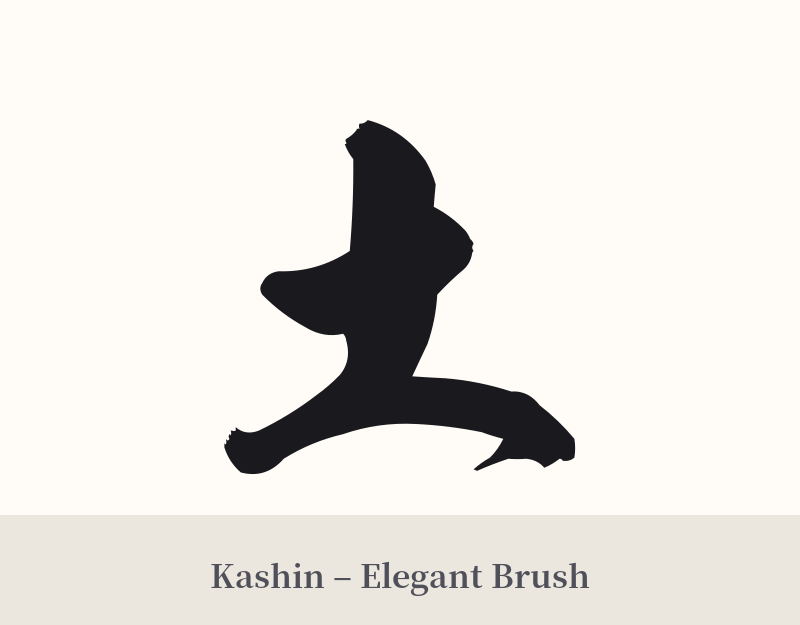
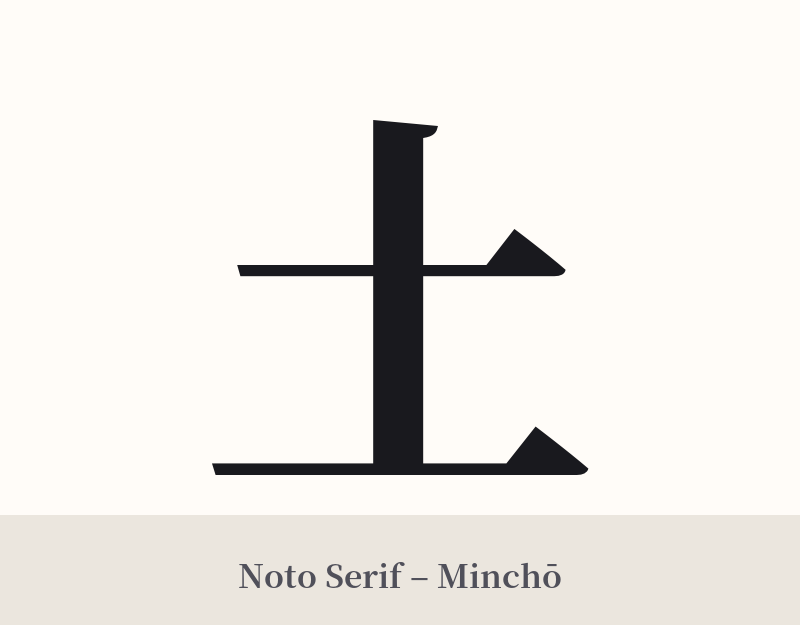
The same kanji can look dramatically different depending on the calligraphy style. Choose a font that matches the mood you want for your tattoo or design.
🎨 Tattoo Suitability
📐 Tattoo Design Guide
Due to its simplicity, the kanji 土 offers unique design opportunities that focus on subtlety and meaning.
– Placement: Its small, compact form is ideal for discreet locations like the inner wrist, ankle, behind the ear, or on the nape of the neck. For a larger piece, consider it as a foundational element at the bottom of a larger composition, such as beneath a tree or mountain.
– Style: A bold, expressive brushstroke (Gyosho or Sosho style) can infuse this simple character with energy and personality. Conversely, a clean, geometric Mincho style can emphasize its elemental purity and stability.
– Visual Tips: – Frame 土 within an Enso (Zen circle) to symbolize the earth within the universe, grounding the concept of infinity. – Pair it with other elemental kanji like 水 (water), 火 (fire), and 風 (wind) for a powerful and balanced design representing the forces of nature. – Use earthy ink colors like dark brown, terracotta, or deep green to visually connect the tattoo to its meaning.
Comments