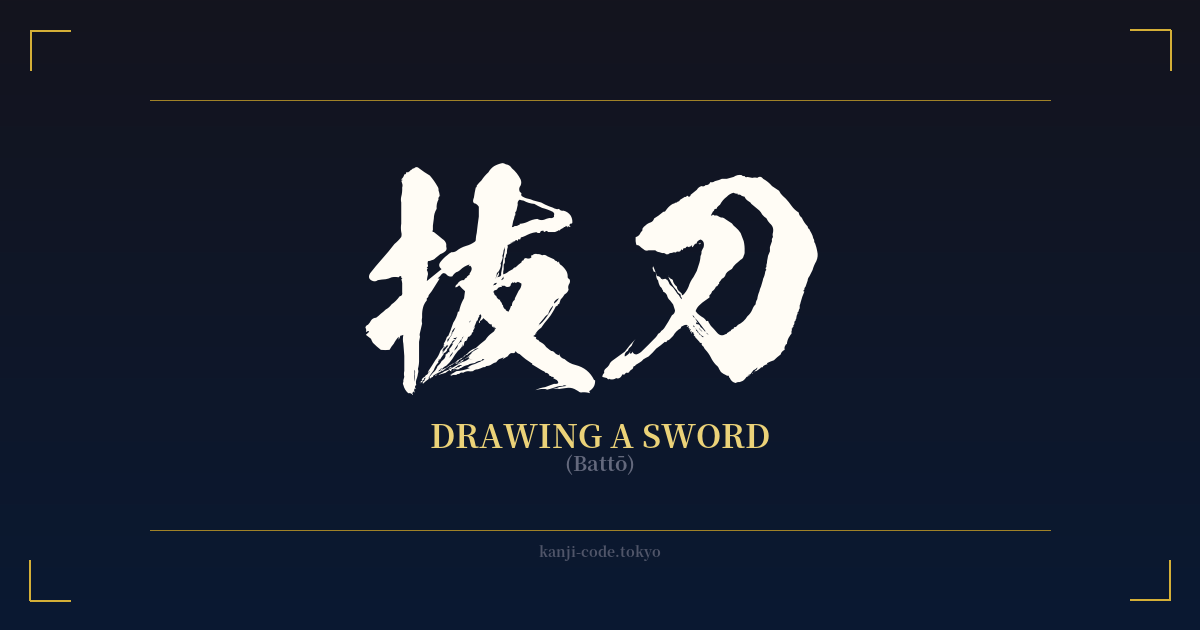
✍️ 抜刀 (Battō) — Cultural Context
抜刀 (Battō) literally translates to "drawing a sword," but its cultural significance runs far deeper than the simple physical act. In the world of the samurai, this single moment was the threshold between life and death. It wasn't just about speed, but about a state of mind—a fusion of readiness, focus, and intention that could decide a conflict before the blade was even fully unsheathed.
This concept is the very core of the Japanese martial arts of iaijutsu (the combat technique of drawing the sword) and its modern successor, iaidō (the way of drawing thesword). While iaijutsu focuses on the practical, deadly application of drawing and cutting in one fluid motion, iaidō elevates the practice into a spiritual discipline. Practitioners of iaidō perform kata (forms) not against a physical opponent, but as a moving meditation. The goal is to perfect one's character, cultivate tranquility, and achieve a state of harmony with the self and the universe. The sword becomes a tool for self-reflection rather than just a weapon.
The philosophy of Battō is often summarized in the idea of "saya no uchi," which means winning the fight while the sword is still in its scabbard (saya). This teaches that true mastery lies in avoiding conflict altogether, possessing such a formidable presence and readiness that no opponent would dare to challenge you. The act of drawing the sword is therefore the last resort, a moment of absolute necessity and finality.
In popular culture, Battō is a recurring and dramatic motif. Countless anime, manga, and films feature scenes where a hero or villain performs a lightning-fast Battō, often with devastating effect. Characters like Himura Kenshin from "Rurouni Kenshin," known for his "Battōjutsu," have cemented the term's cool and powerful image in the global consciousness. This portrayal captures the essence of Battō: a moment of ultimate focus where a battle is won or lost in an instant.
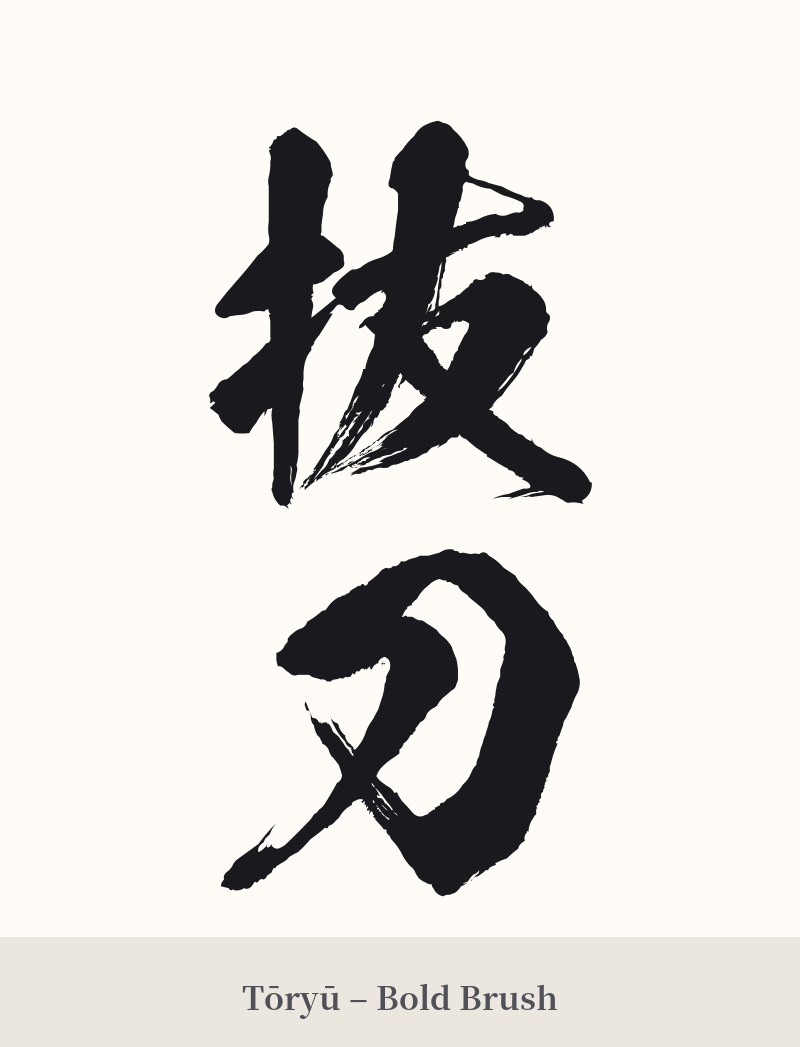
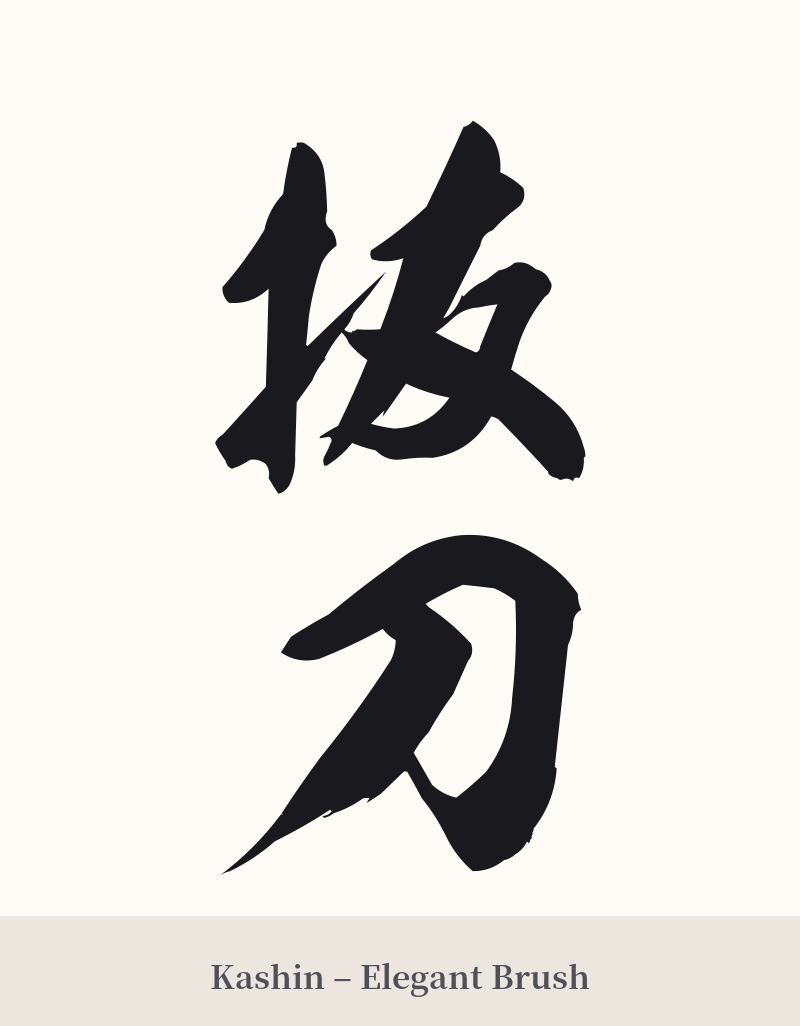
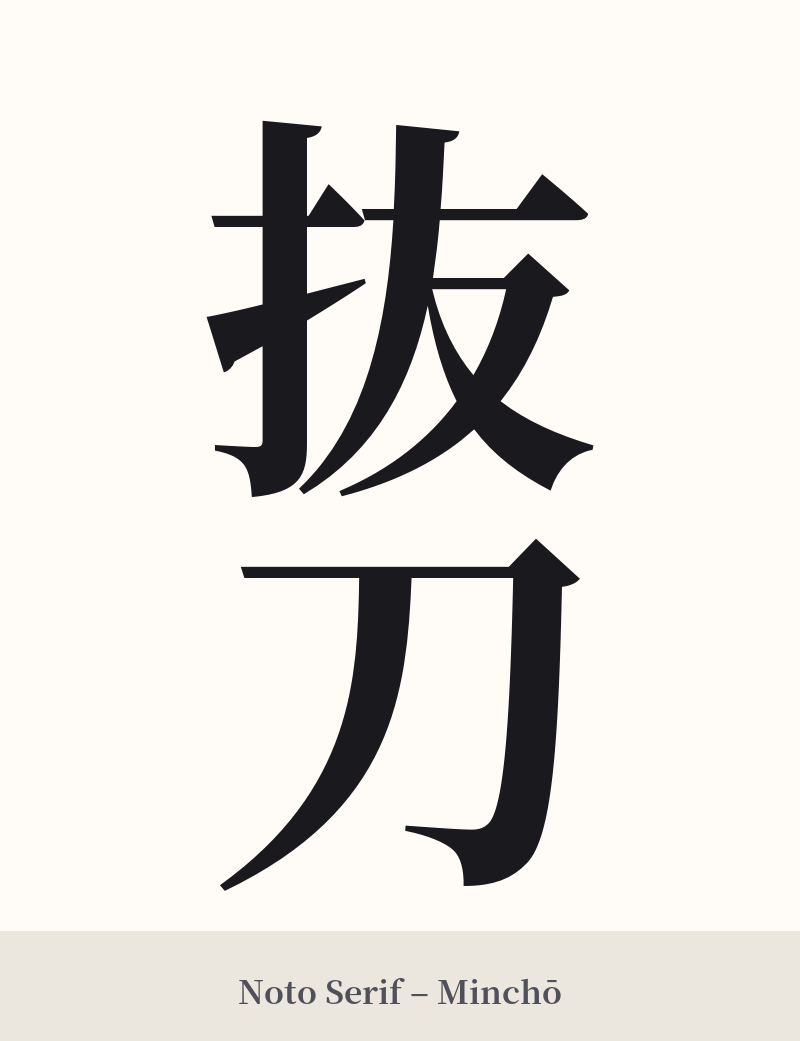
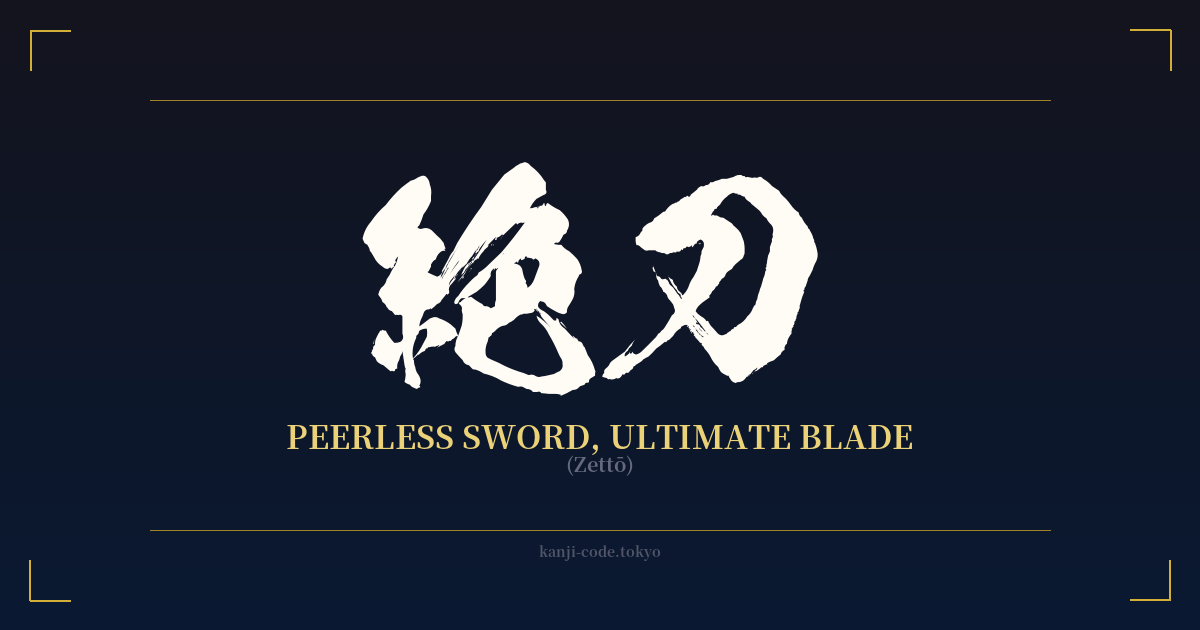
🖌️ Font Styles for 抜刀
The same kanji can look dramatically different depending on the calligraphy style. Choose a font that matches the mood you want for your tattoo or design.
🎨 Tattoo Suitability
📐 Tattoo Design Guide
A 抜刀 (Battō) tattoo is about capturing a moment of explosive, controlled energy. Here are some design recommendations:
– Placement: Vertical alignment is highly recommended to evoke the length of a sword and the motion of drawing it. The forearm, calf, or along the spine are excellent choices. A horizontal placement across the upper back or chest can also work, suggesting the ready position of a sheathed sword.
– Font Style: The style of calligraphy can dramatically alter the feel. A dynamic, semi-cursive gyōsho or a fluid, abstract sōsho style can convey the speed and grace of the draw. For a feeling of power and finality, a bold, angular kaisho script is a strong choice.
– Visual Accompaniments: Consider pairing the kanji with related imagery. A simple enso circle behind the characters can represent the meditative aspect of iaidō. A splash of ink or a dynamic brushstroke can emphasize the speed of the action. You could also incorporate the image of a tsuba (sword guard) or the texture of a saya (scabbard) into the design.
Comments