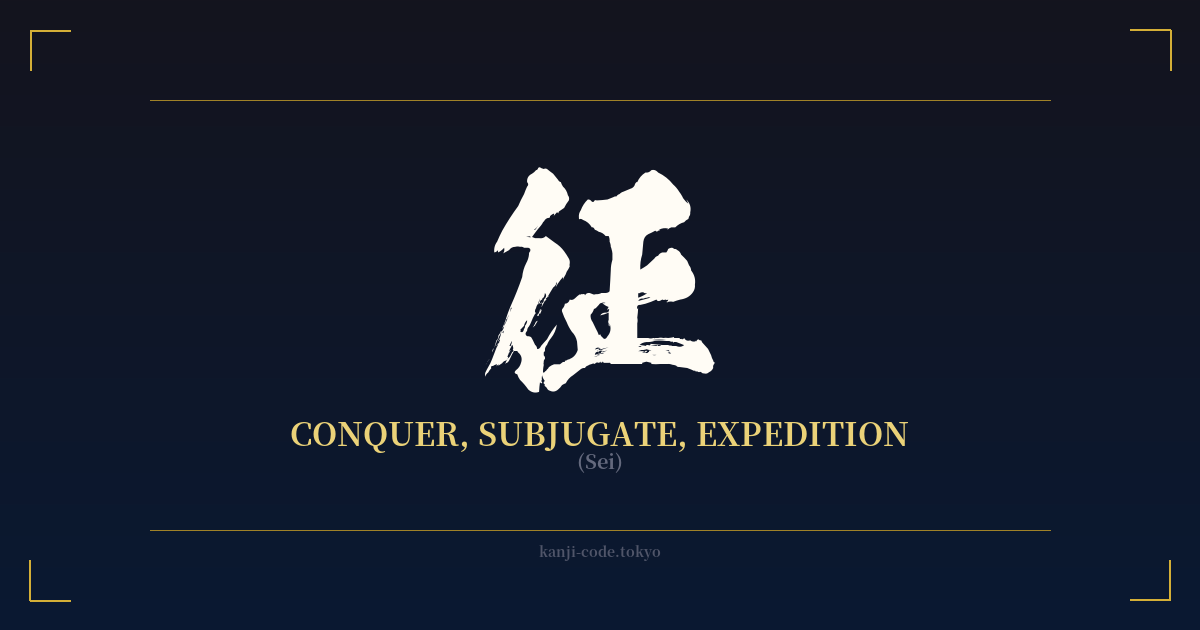
✍️ 征 (Sei) — Cultural Context
The kanji 征 (sei) is a character charged with the energy of ambition, movement, and power. Its primary meanings revolve around conquest, subjugation, and going on a major expedition, almost always with a military or strategic objective in mind.
The character's construction offers a glimpse into its original meaning. It is composed of two parts: 彳 (gyōninben) on the left, a radical meaning 'to go' or 'a step,' and 正 (sei) on the right, which means 'correct' or 'proper.' Together, they originally painted a picture of a 'justified or righteous campaign'—an army marching forth for a cause deemed correct by its leaders.
Historically, 征 is most famously associated with the title 征夷大将軍 (Sei-i Taishōgun), the 'Great General Who Subjugates the Barbarians.' This was the full, formal title for the shōgun, the military dictators who ruled Japan for centuries. This single character carries the weight of Japan's feudal history, evoking images of samurai, epic battles, and the unification of a nation through force. It speaks to a time when power was demonstrated through military might and the expansion of one's domain.
In modern Japanese, the character retains this sense of a grand undertaking. It's found in words like 遠征 (ensei), which means 'expedition' or 'campaign.' This isn't just a simple trip; it refers to a sports team playing a series of away games, a scientific research expedition, or a military force deployed far from home. Another word, 征服 (seifuku), means 'conquest' or 'mastery,' and can be used for anything from conquering a nation to conquering a mountain peak or mastering a difficult skill.
For those considering this kanji for personal expression, this duality is key. While its roots are undeniably violent and militaristic, its modern interpretation can be softened to represent a more internal struggle. It can symbolize the will to 'conquer' personal fears, 'subjugate' bad habits, or embark on a 'campaign' of self-improvement. It is the embodiment of ambition and the relentless drive to overcome obstacles, whether they are external enemies or internal demons.
🖌️ Font Styles for 征
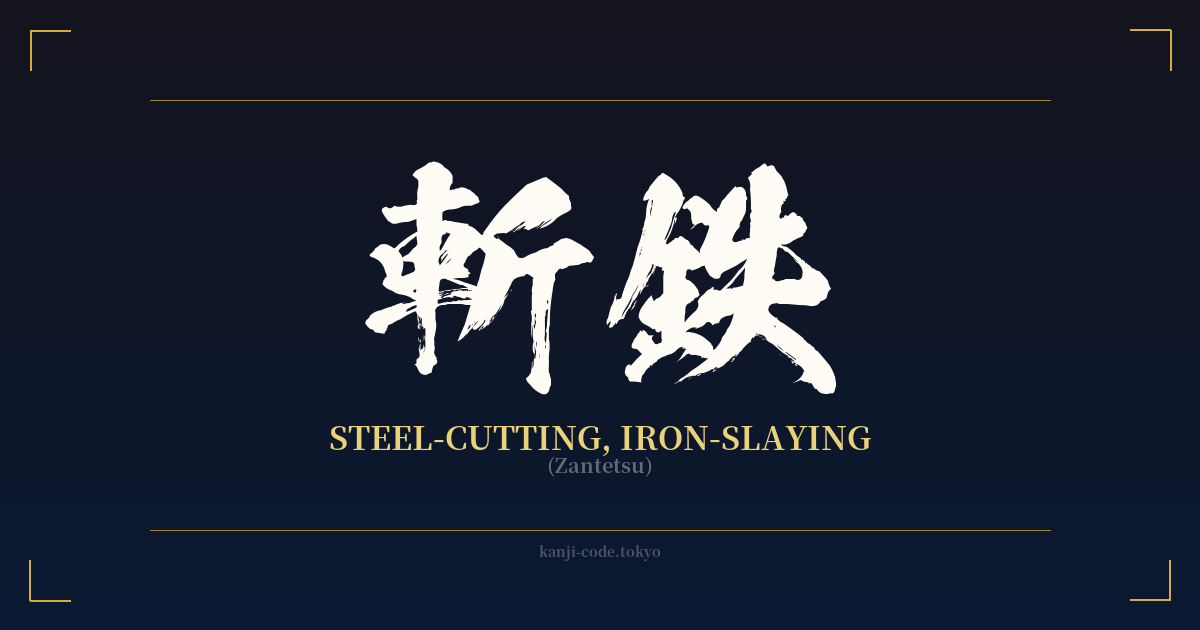
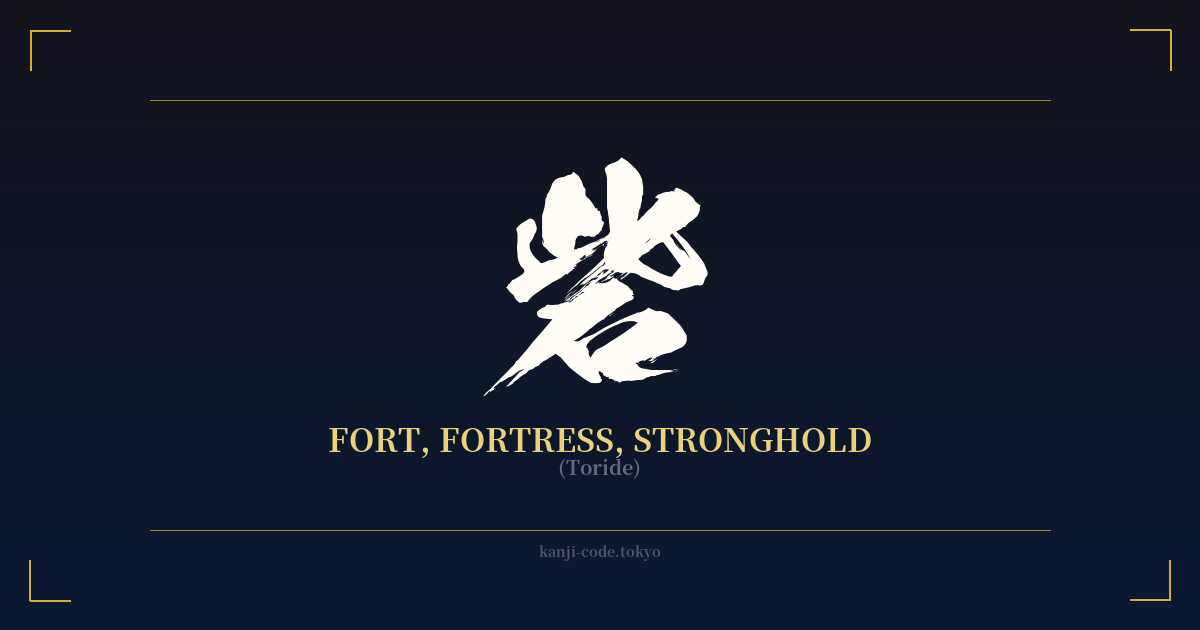
The same kanji can look dramatically different depending on the calligraphy style. Choose a font that matches the mood you want for your tattoo or design.
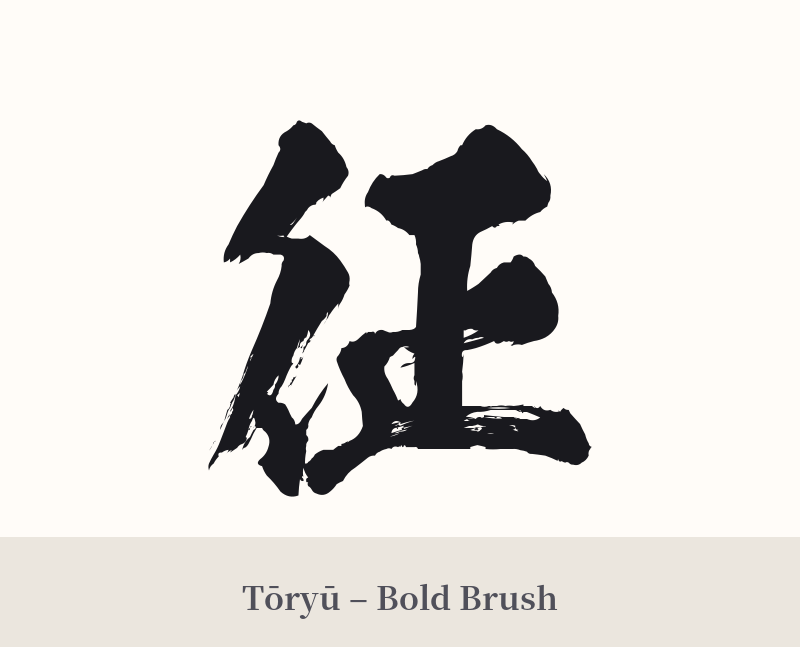
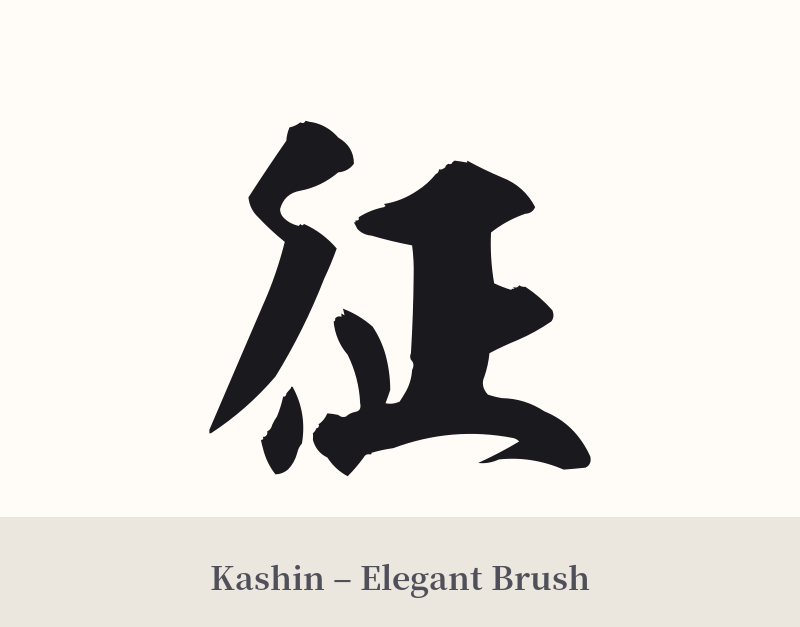
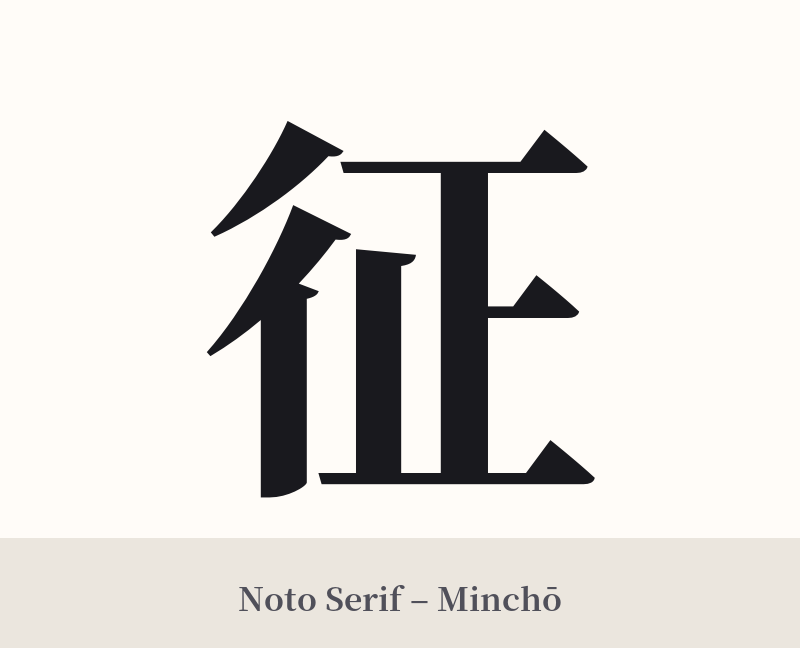
🎨 Tattoo Suitability
📐 Tattoo Design Guide
The kanji 征 has a solid, balanced structure that works well for various tattoo designs. Its meaning of conquest and ambition lends itself to placements that suggest strength and forward momentum.
– Placement: The forearm, bicep, or calf are excellent choices, as these areas are associated with action and power. Placing it on the back, between the shoulder blades, can create a powerful statement about carrying one's ambitions forward.
– Style: A bold, semi-cursive (gyōsho) or standard script (kaisho) brushstroke style is highly recommended. This emphasizes the character's historical weight and dynamic energy. A thick, powerful brushstroke can make the simple form feel more imposing.
– Visuals: Consider pairing 征 with other imagery to add context. It could be placed over a silhouette of a mountain range to signify overcoming great challenges. Alternatively, combining it with abstract ink splashes or a red Enso circle can symbolize the chaotic struggle leading to mastery and enlightenment.
Comments