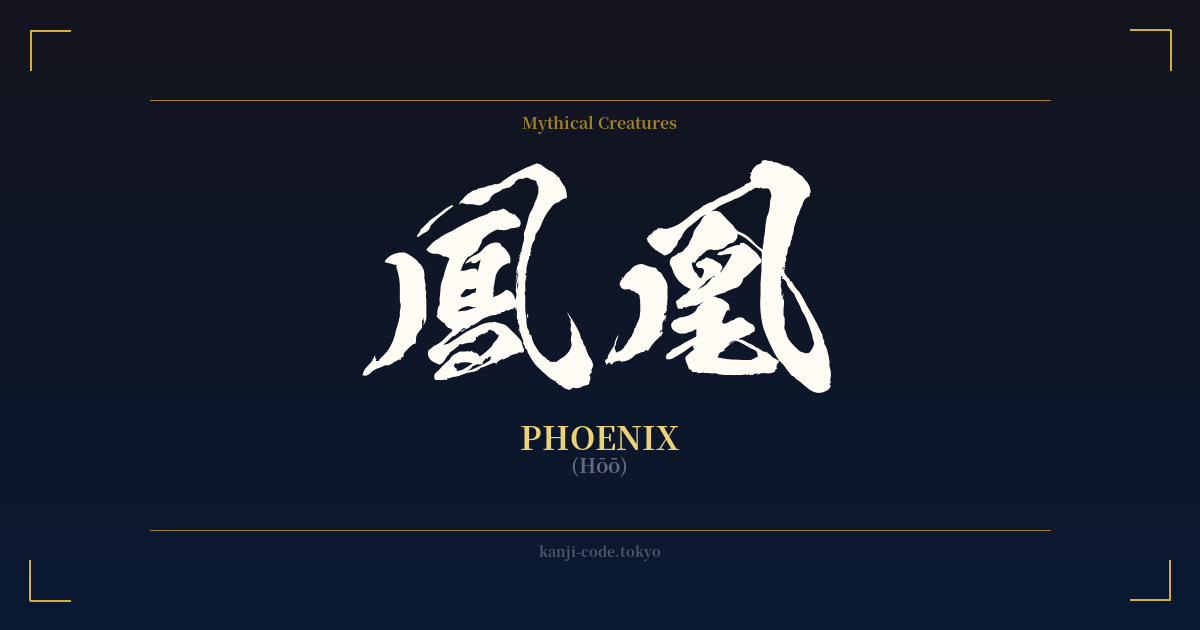
✍️ 鳳凰 (Hōō) — Cultural Context
The 鳳凰 (Hōō) is one of the most revered and beautiful creatures in East Asian mythology, a celestial bird whose appearance heralds an era of peace and prosperity. Its origins trace back to the Chinese Fenghuang, but it has been deeply woven into the fabric of Japanese culture for centuries.
Unlike the Western phoenix, which is known for its cycle of fiery death and rebirth, the Hōō is not associated with fire. Instead, it is a gentle, benevolent being, said to alight only in lands ruled by a virtuous and wise leader. Its presence is a powerful omen of good fortune, harmony, and the blessings of heaven.
The word 鳳凰 itself is a union of two characters: 鳳 (Hō) represents the male bird, while 凰 (Ō) represents the female. Together, they symbolize a perfect, harmonious union, akin to the concept of Yin and Yang. This duality makes the Hōō a powerful emblem of blissful marriage and balanced partnership.
Historically, the Hōō became a potent symbol of the imperial household, particularly the Empress. While the dragon (龍, Ryū) was associated with the Emperor, the Hōō represented the Empress's grace, virtue, and authority. This connection is famously immortalized in the architecture of the Phoenix Hall at Byōdō-in temple in Uji, Kyoto. The building's elegant shape is said to resemble a Hōō descending to earth, and two brilliant golden phoenix statues adorn its roof.
According to legend, the Hōō is a composite of many birds, with the head of a golden pheasant, the body of a mandarin duck, the tail of a peacock, the legs of a crane, the mouth of a parrot, and the wings of a swallow. Its song is said to be a beautiful melody of five notes, and it feeds only on the seeds of the paulownia tree and drinks from sacred springs.
In modern Japan, the Hōō remains a popular motif in art, textiles, and design. It can be seen on everything from traditional kimono to the back of the 10,000 yen note. Its enduring appeal lies in its profound symbolism: a timeless representation of peace, justice, and the hope for a golden age.
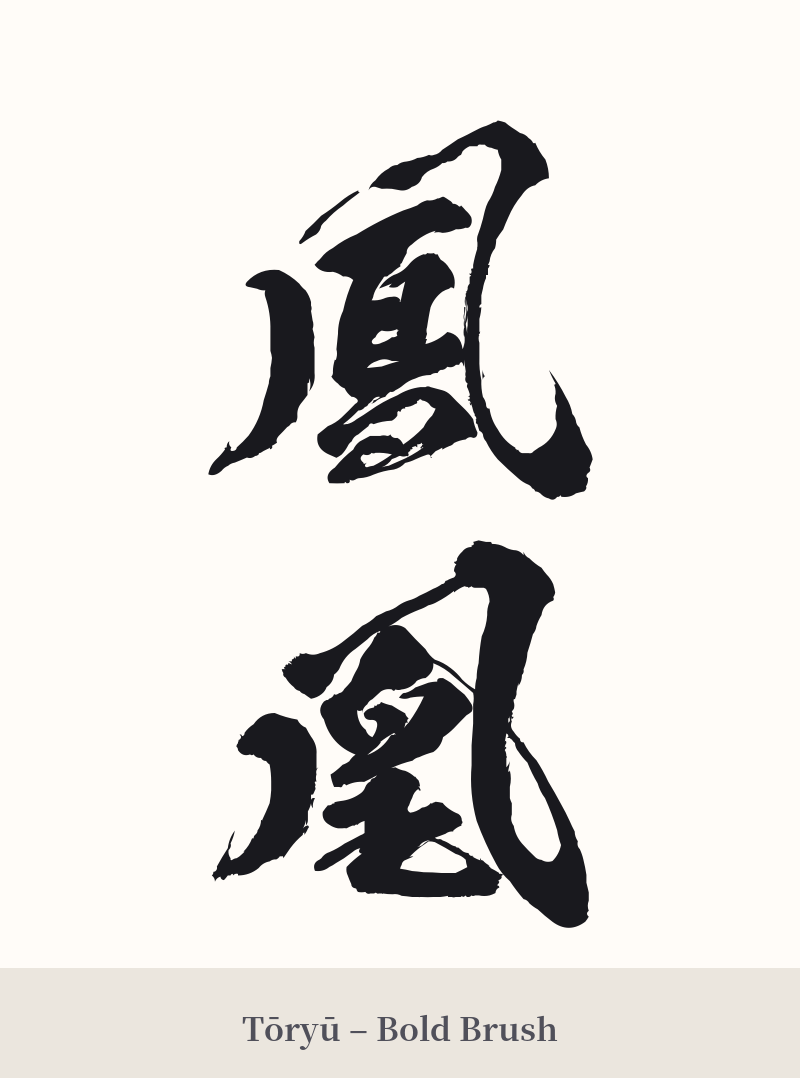
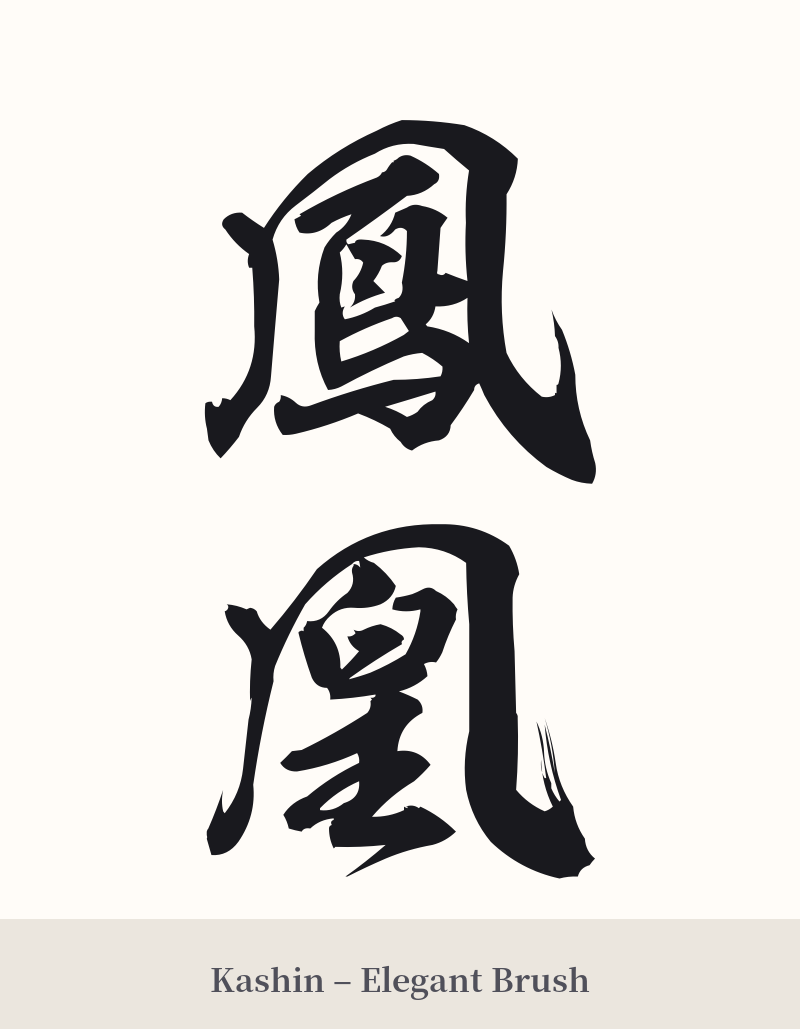
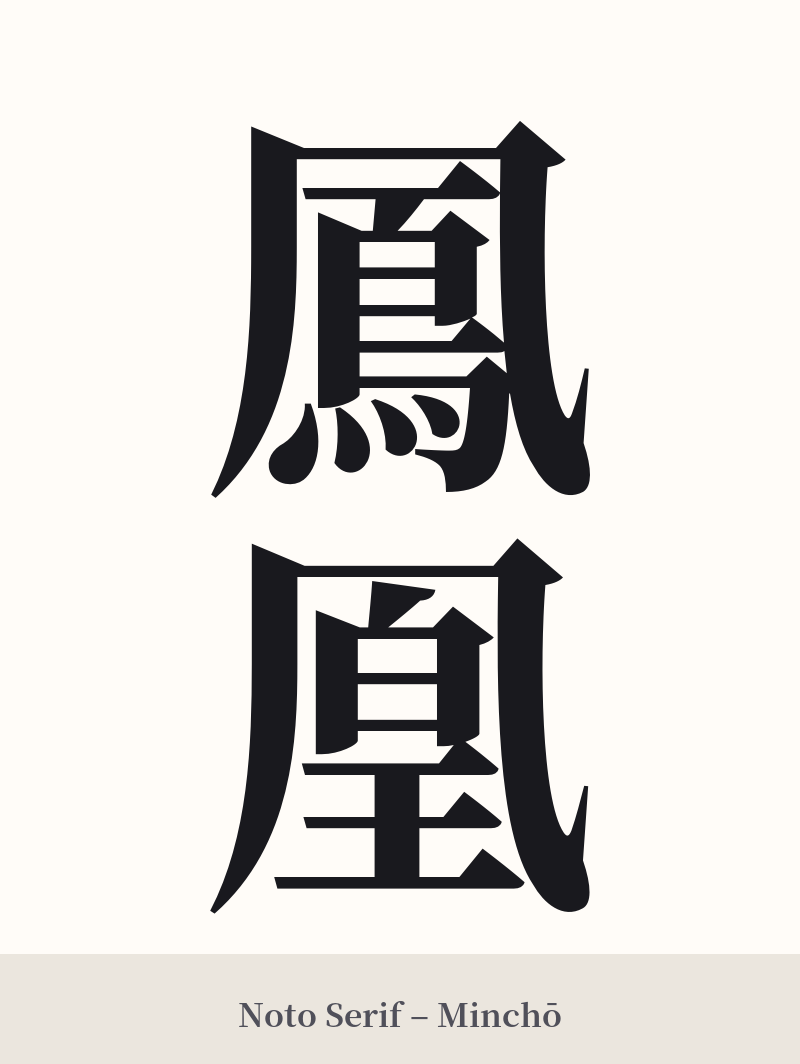
🖌️ Font Styles for 鳳凰
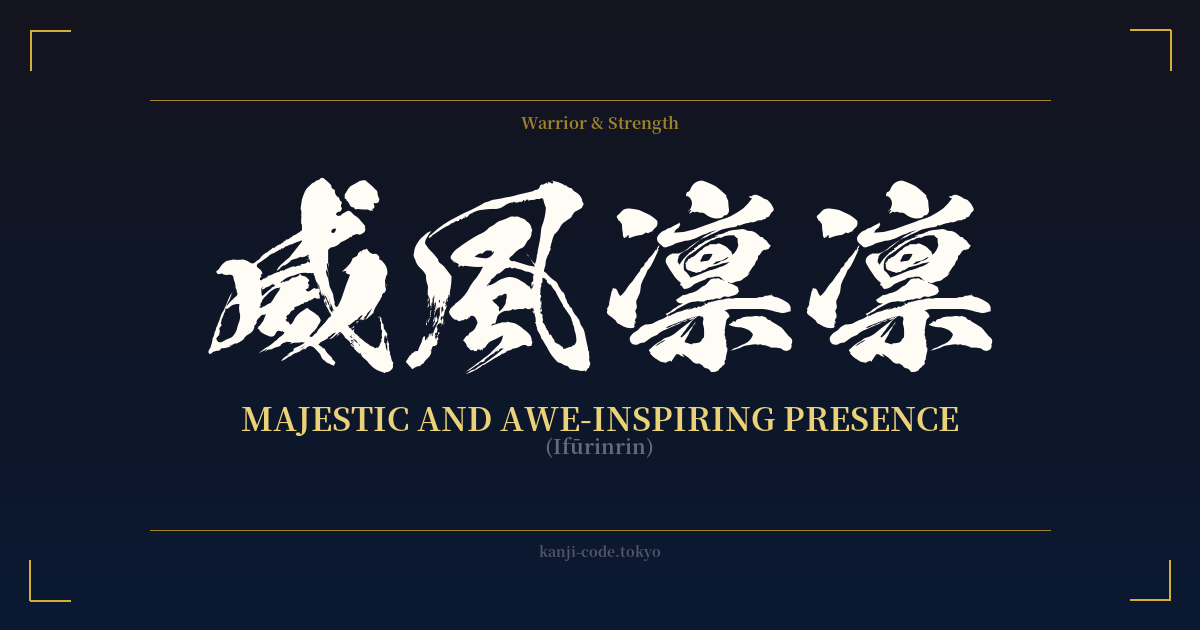
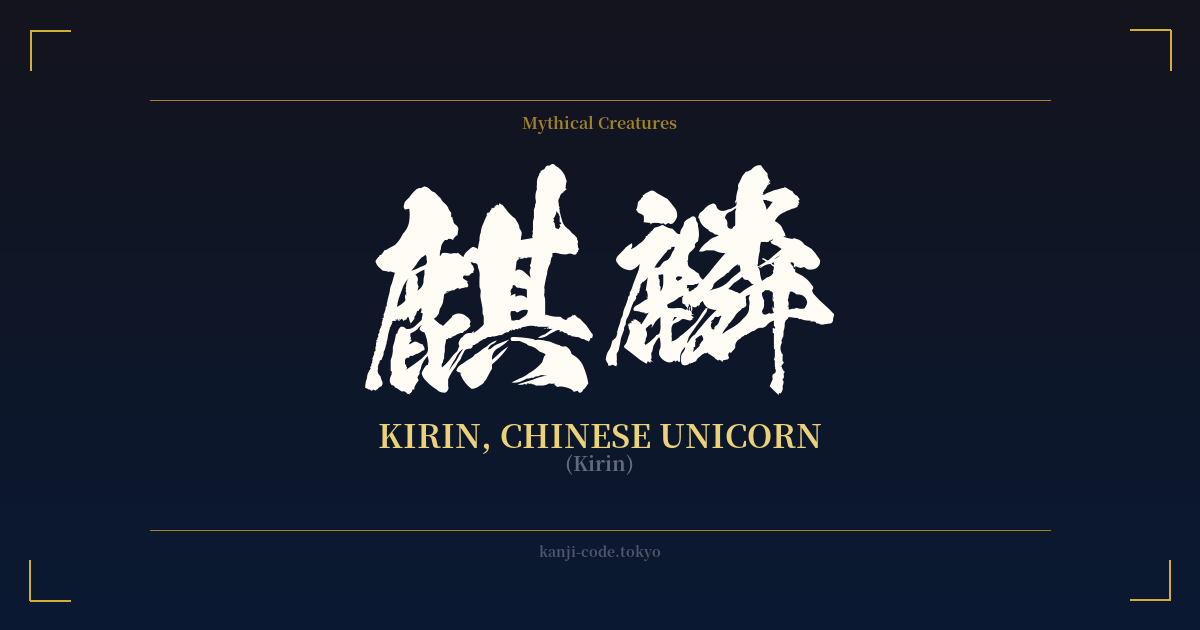
The same kanji can look dramatically different depending on the calligraphy style. Choose a font that matches the mood you want for your tattoo or design.
🎨 Tattoo Suitability
📐 Tattoo Design Guide
The 鳳凰 kanji offers a majestic and intricate design, best suited for a placement that allows for detail and scale.
– Placement: Consider large areas like the back, chest, or thigh. A vertical script along the spine or forearm can also be very striking, emphasizing the elegance of the characters.
– Style: A traditional brushstroke (Shodō) style is highly recommended. A dynamic Gyōsho (semi-cursive) or Sōsho (cursive) script can capture the bird's mythical grace and movement. For a more stately and formal look, a clean Kaisho (block) script works well.
– Visuals: Complement the kanji with imagery of the Hōō itself, with its long, peacock-like tail feathers. Other auspicious elements that pair well include paulownia flowers (kiri), bamboo, or stylized clouds to signify its celestial nature.
Comments