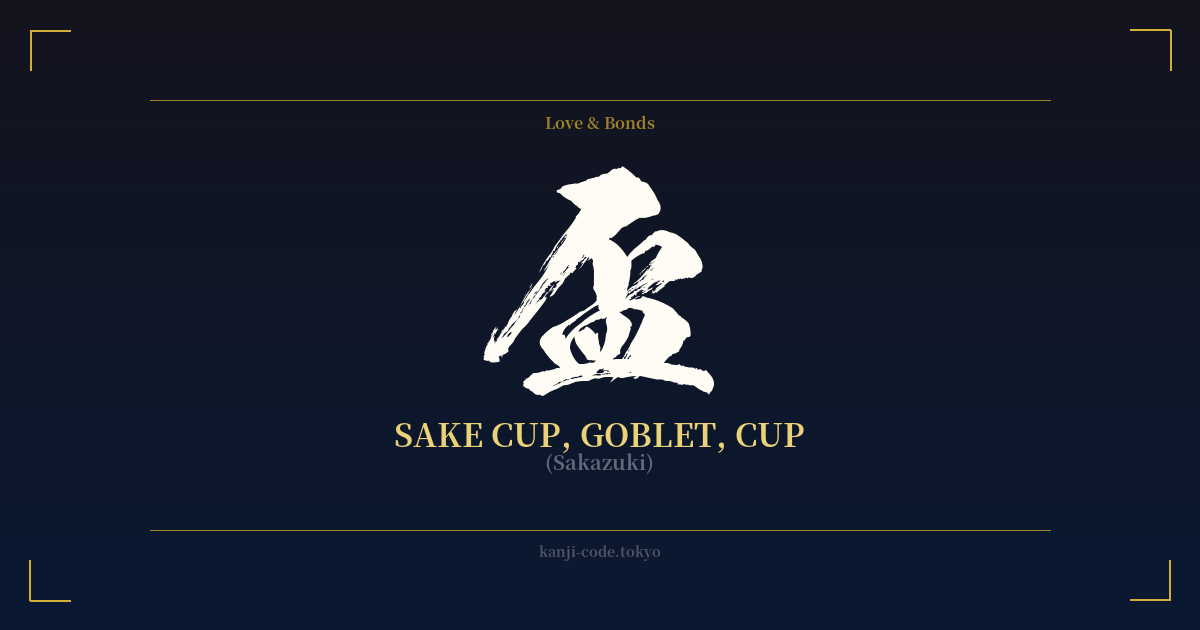
✍️ 盃 (Sakazuki) — Cultural Context
At first glance, 盃 (sakazuki) simply means 'sake cup.' It refers to a particular type of small, often shallow and ornate cup used for drinking Japanese rice wine. The character itself is a pictograph, with the bottom radical, 皿, meaning 'plate' or 'dish,' forming the base for the cup depicted above it. But to leave the definition there would be to miss its profound cultural significance.
In Japan, the 盃 is not just a piece of dishware; it is a vessel for commitment, a symbol of unbreakable bonds. Its true power is revealed in the concept of 'sakazuki-goto' (盃事), the ritual of exchanging sake cups. This act transforms a simple drink into a solemn oath, forging a powerful connection between the participants.
The most famous, and perhaps most romanticized, example of this is the bond of brotherhood. Warriors of the samurai class would exchange sakazuki to form alliances or pledge fealty, promising to fight and die for one another. This created a bond said to be even stronger than blood ties.
This tradition continues in a more notorious form within the yakuza. The 'oyabun-kobun' (parent-child role) ceremony sees a new recruit share sake from the same cup as the boss, symbolizing their entry into the family and their undying loyalty. This depiction is so common in movies and manga that for many Japanese, the 盃 immediately evokes images of this underworld chivalry and code.
However, the 盃 is not solely the domain of warriors and gangsters. Its most sacred and beautiful use is in the Shinto wedding ceremony, 'sansan-kudo' (三三九度), which means 'three-three-nine times.' The bride and groom take three sips each from three different-sized sakazuki, for a total of nine sips. This ritual seals their marital vows, uniting not just the couple but their families as well.
Therefore, the kanji 盃 represents a spectrum of human connection. It is the cup from which loyalty is drunk, where brotherhood is forged, and where lifelong vows are made. It carries the weight of history, from the battlefields of feudal Japan to the sacred space of a shrine and the shadowy backrooms of cinematic lore. To understand 盃 is to understand that in Japanese culture, the deepest promises are not merely spoken—they are shared and sealed in a ritual exchange.
🖌️ Font Styles for 盃
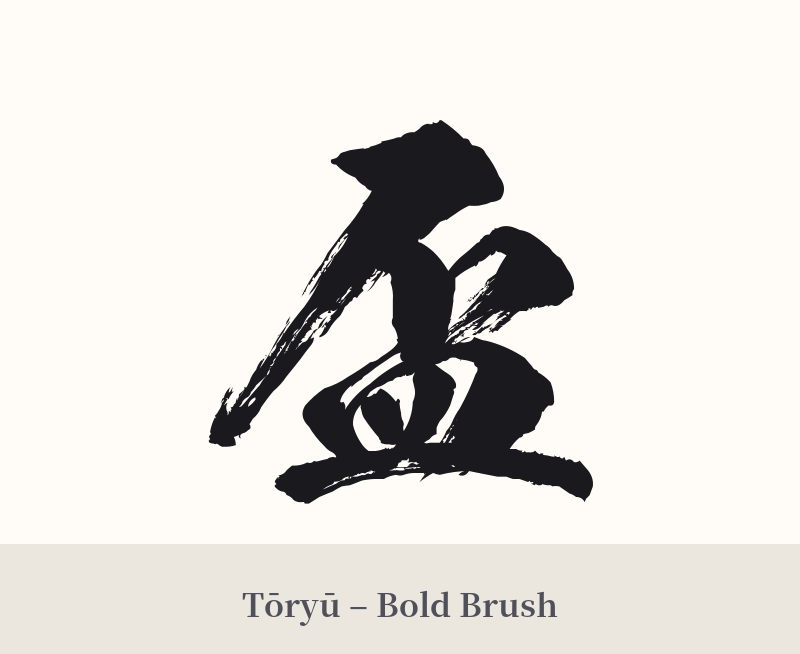
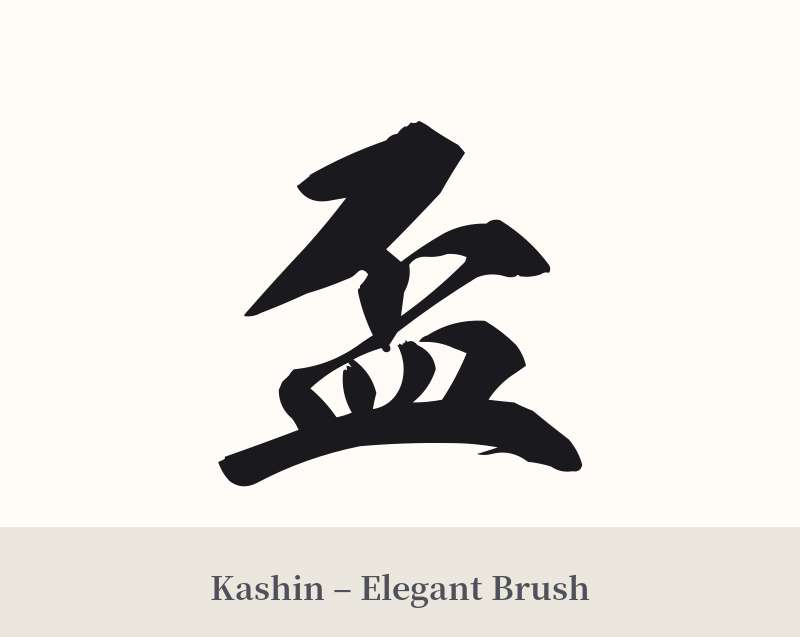
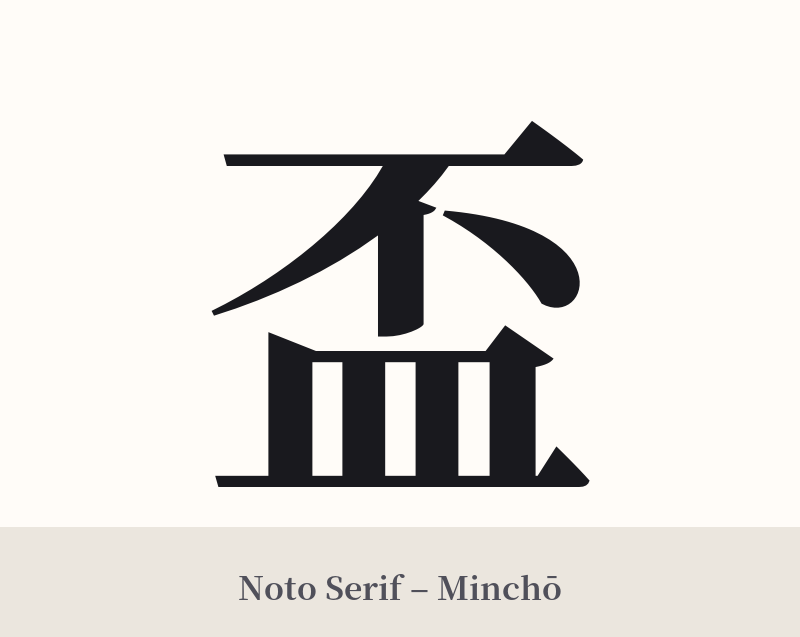
The same kanji can look dramatically different depending on the calligraphy style. Choose a font that matches the mood you want for your tattoo or design.
🎨 Tattoo Suitability
📐 Tattoo Design Guide
A tattoo of 盃 (sakazuki) works best when it honors its ritualistic and solemn nature.
– Placement: Consider locations that feel personal and significant. Placing it over the heart can symbolize a deeply held loyalty. The inner forearm allows it to be a personal reminder of a bond, while a spot on the back between the shoulder blades can give it a sense of protective duty.
– Font Style: Traditional Japanese calligraphy is highly recommended. A flowing Gyosho (semi-cursive) or a dramatic Sosho (cursive) script can capture the historical and emotional weight of the character. For a cleaner, more modern look, a crisp Mincho font can also be effective, emphasizing the character's architectural form.
– Visual Elements: While 盃 is powerful on its own, it pairs well with other symbolic imagery. Consider combining it with a stylized rope knot (representing a sealed bond), cherry blossoms (symbolizing the transient, beautiful life of a warrior), or a single splash of red ink to signify the 'blood oath' nature of the bond it represents.
Comments