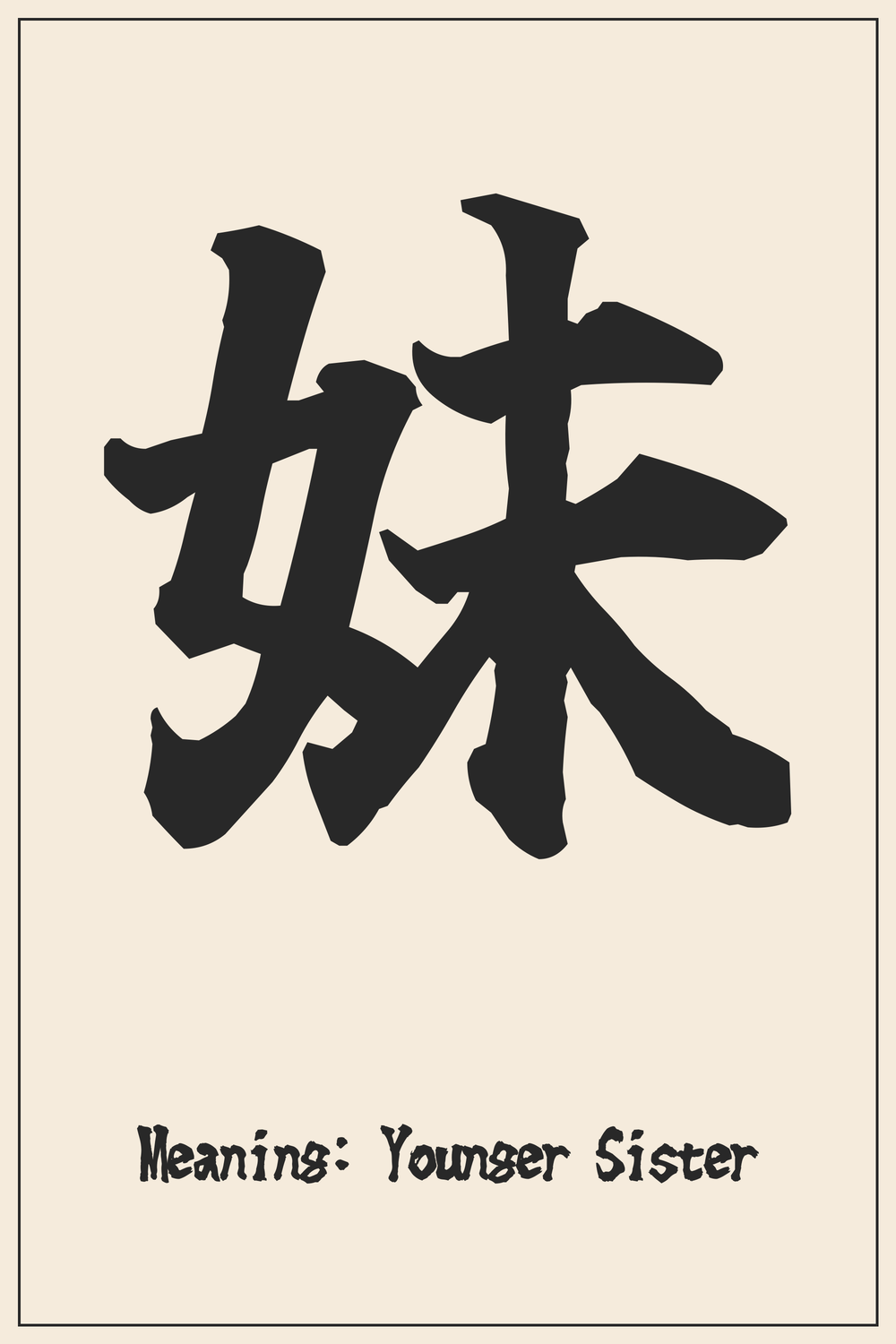
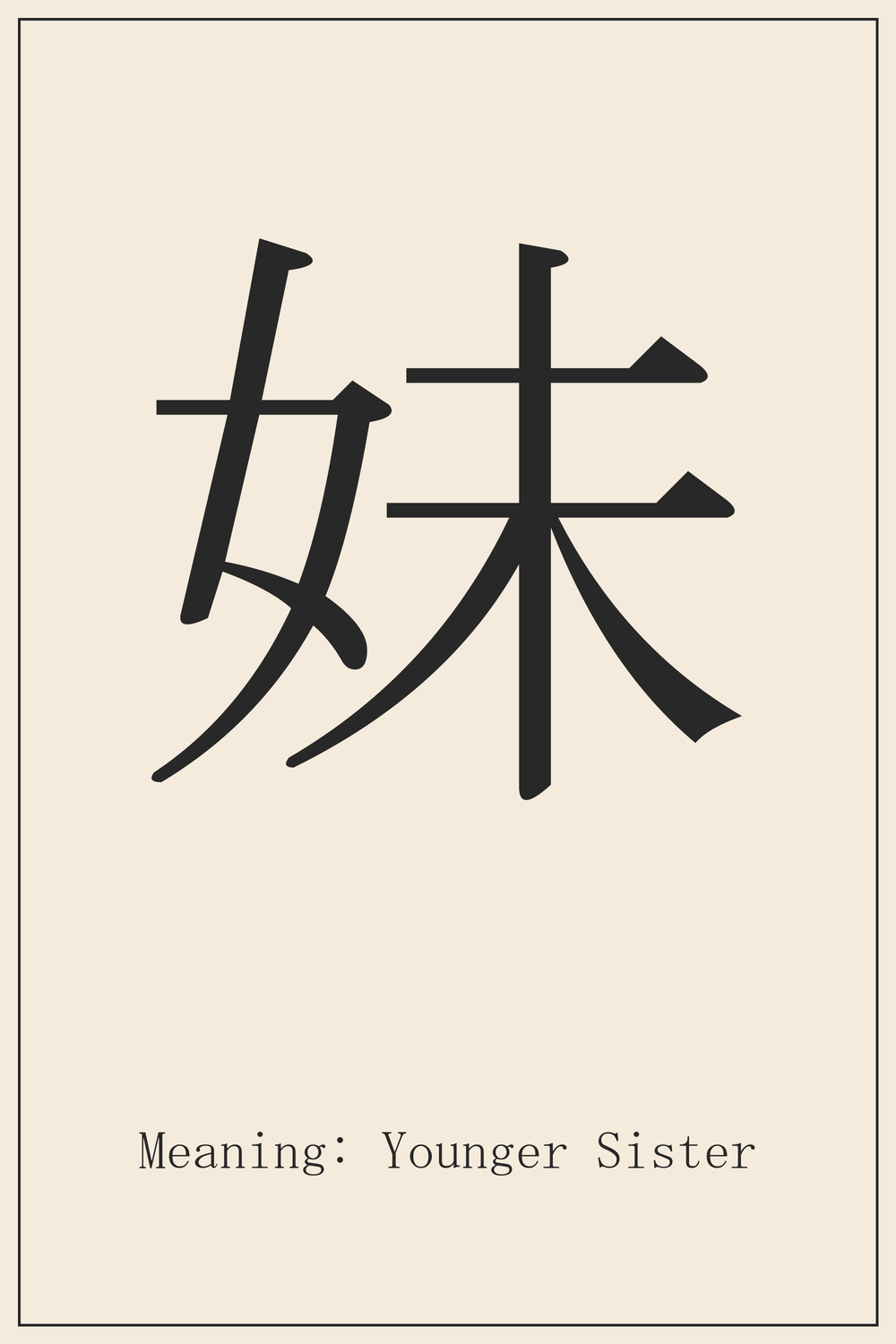
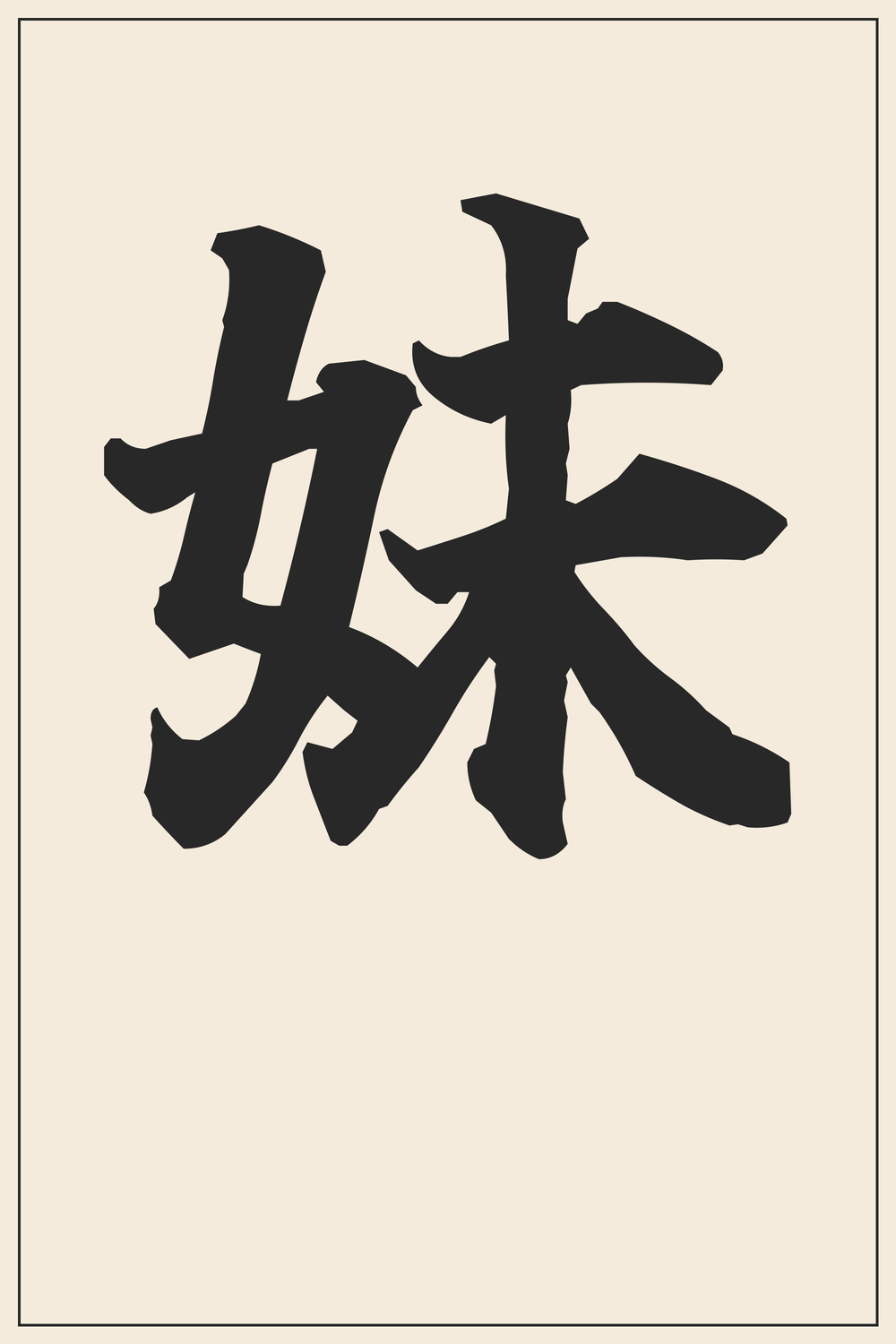
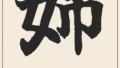
The kanji 妹 (imouto) beautifully encapsulates the warmth and unique bond shared with a younger sister. It represents not just a familial title, but a cherished relationship of care, support, and affection.
The atmosphere of a Kanji character changes dramatically depending on the font style. A character that looks elegant in a brush style might look bold and modern in a different font.
Recommendation:
Since a tattoo is permanent, we strongly recommend comparing various font styles beyond what is shown here. Use our designs as a trusted reference for the correct structure, but feel free to explore different artistic variations to find the perfect match for your vision.
The Deep Meaning Behind 妹
The kanji 妹 is formed by combining 女 (onna), meaning “woman,” and 未 (mi), which means “not yet” or “unripe.” This elegant combination suggests a “woman who is not yet mature” or “not yet fully developed,” beautifully illustrating the concept of a younger female sibling. The character 未 also serves a phonetic function, guiding the pronunciation.
In Japanese culture, sibling relationships hold significant importance, often involving mutual respect and support. The term 妹 evokes a sense of protection and endearment for the younger sister, highlighting her cherished place within the family unit and the bonds of affection.
Kanji Breakdown
The character 妹 is composed of two primary elements, each contributing to its overall meaning and nuance.
Meaning: The radical 女 (onna) signifies “woman” or “female,” establishing the gender of the sibling. It is a fundamental component for characters related to females.
Meaning: The component 未 (mi) means “not yet” or “unripe.” In the context of 妹, it imparts the nuance of youthfulness or being younger, defining the “sister” as specifically a “younger sister.” It also acts as a phonetic element.
Conclusion
The kanji 妹 serves as a heartfelt emblem of the special connection with a younger sister. It beautifully captures the essence of this familial bond, embodying affection, protection, and shared memories.
Choosing 妹 for a tattoo is a deeply personal tribute, symbolizing the lasting love and unique relationship you share. Its clear and balanced strokes make it an elegant choice for a meaningful and personal piece of body art.
Comments