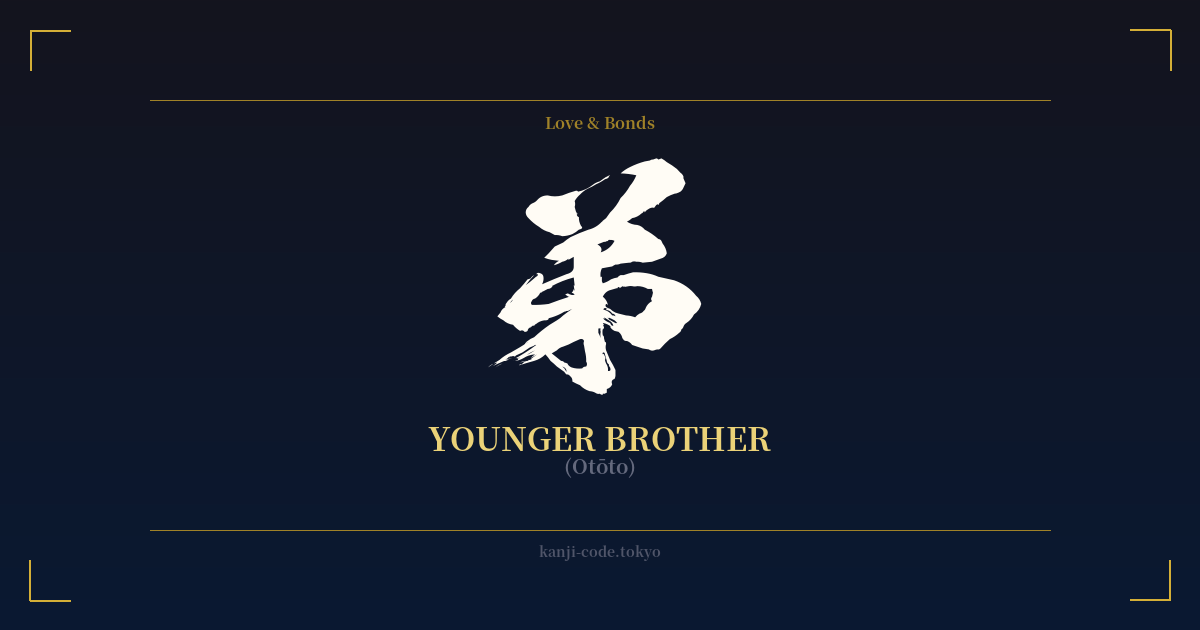
✍️ 弟 (Otōto) — Cultural Context
The kanji 弟 (otōto) is one of the most fundamental characters in the Japanese language, representing the concept of a 'younger brother.' While its meaning is straightforward, its cultural and historical context reveals much about the structure of Japanese society and the importance of family hierarchy.
The character’s origin is believed to depict a series of steps or a sequence. Early forms show a rope or string wrapped around a wooden stick in descending order, symbolizing something that comes after or is lower in a sequence. This visual metaphor perfectly captures the idea of a younger sibling who is born after an older one, establishing a natural order.
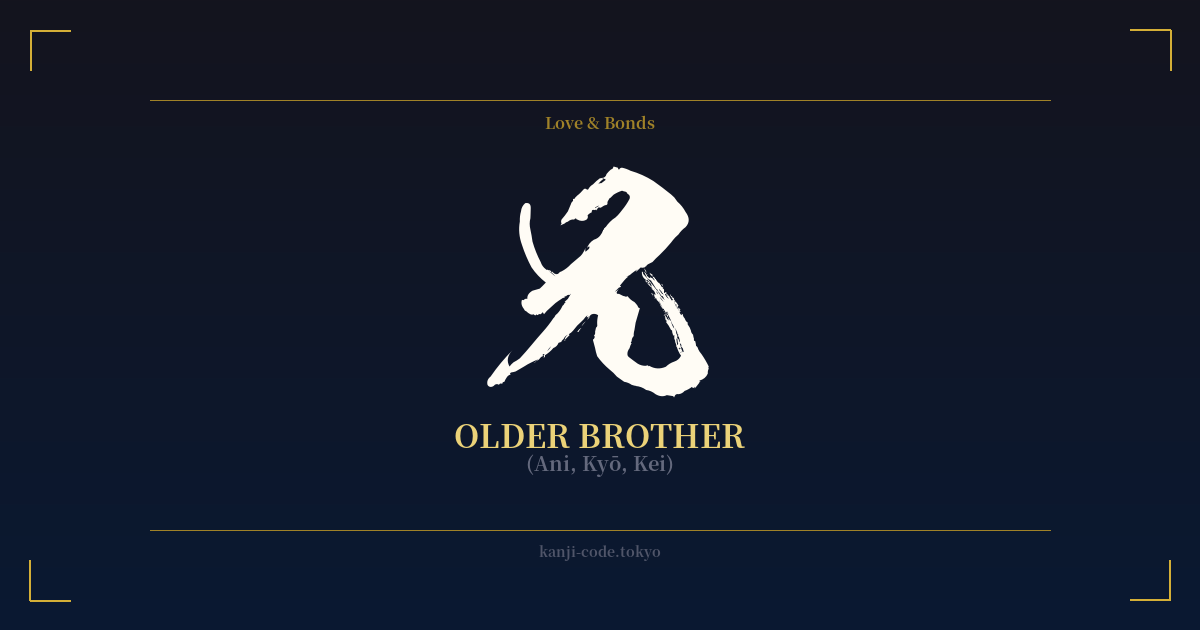
In Japanese culture, influenced heavily by Confucian ideals, family roles and hierarchy are traditionally well-defined. The relationship between an older brother (兄, ani) and a younger brother (弟, otōto) is a cornerstone of this system. The older brother is expected to be a leader, protector, and role model, while the younger brother is expected to show respect, learn from, and support his elder. This dynamic is not just a family matter; it extends into society through the senpai-kōhai (senior-junior) system found in schools, companies, and clubs.
When speaking, the term 'otōto' is typically used to refer to one's own younger brother. When referring to someone else's younger brother, it is more polite to use 'otōto-san' (弟さん), adding a respectful suffix. This linguistic nuance highlights the importance of social context and politeness in Japanese communication.
The character 弟 is also a key component in other important words. The most common is 兄弟 (kyōdai), which combines the kanji for 'older brother' and 'younger brother' to mean 'siblings' or 'brothers' in a general sense. Another is 弟子 (deshi), meaning 'disciple' or 'apprentice,' which reinforces the idea of a junior learning from a master, mirroring the sibling relationship.
Choosing 弟 as a symbol goes beyond a simple family label. It represents a specific, cherished role within a family unit. It speaks to a bond of shared history, mutual support, and a unique connection that is both hierarchical and deeply affectionate. It embodies the identity of being the one who looks up to, learns from, and carries on a legacy alongside their older siblings.
🖌️ Font Styles for 弟
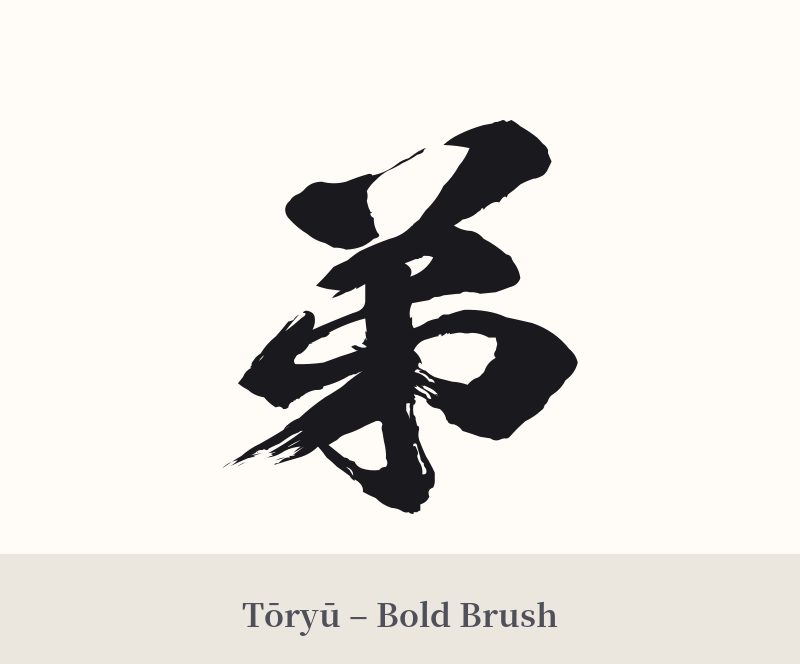
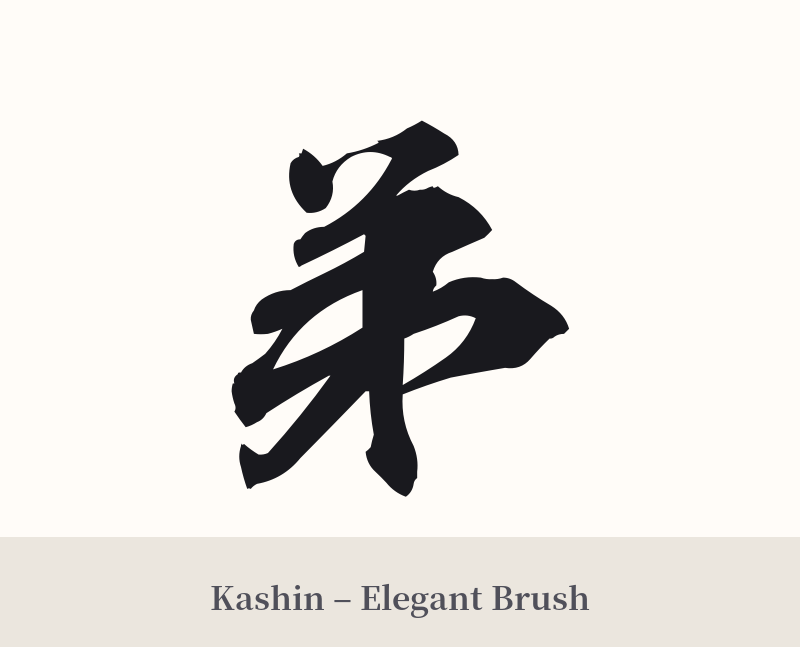
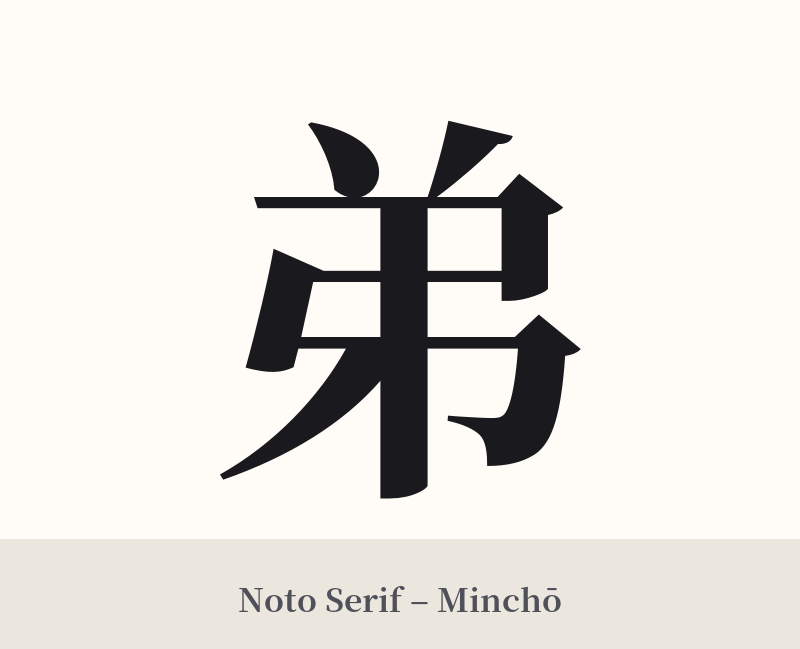
The same kanji can look dramatically different depending on the calligraphy style. Choose a font that matches the mood you want for your tattoo or design.
🎨 Tattoo Suitability
📐 Tattoo Design Guide
A tattoo of 弟 (Otōto) is a deeply personal statement, and the design should reflect that intimacy. The focus is less on flashy aesthetics and more on heartfelt meaning.
– Placement: Consider locations that are personal and close to you. The inner wrist, forearm, over the heart, or on the ribs are all excellent choices. These spots allow for a private reminder of your bond.
– Font Style: Clean and classic styles often work best. A standard block script (Kaisho) offers clarity and timelessness. For a more personal touch, a semi-cursive (Gyōsho) or handwritten-style script can capture the warmth and uniqueness of your relationship with your brother.
– Visual Tips: Because the character itself is simple, you might consider pairing it with something else to add context. This could be your brother's name in romaji, a significant date, or a small, complementary symbol that represents a shared memory or interest. However, the kanji is also powerful enough to stand on its own as a minimalist tribute.
Comments