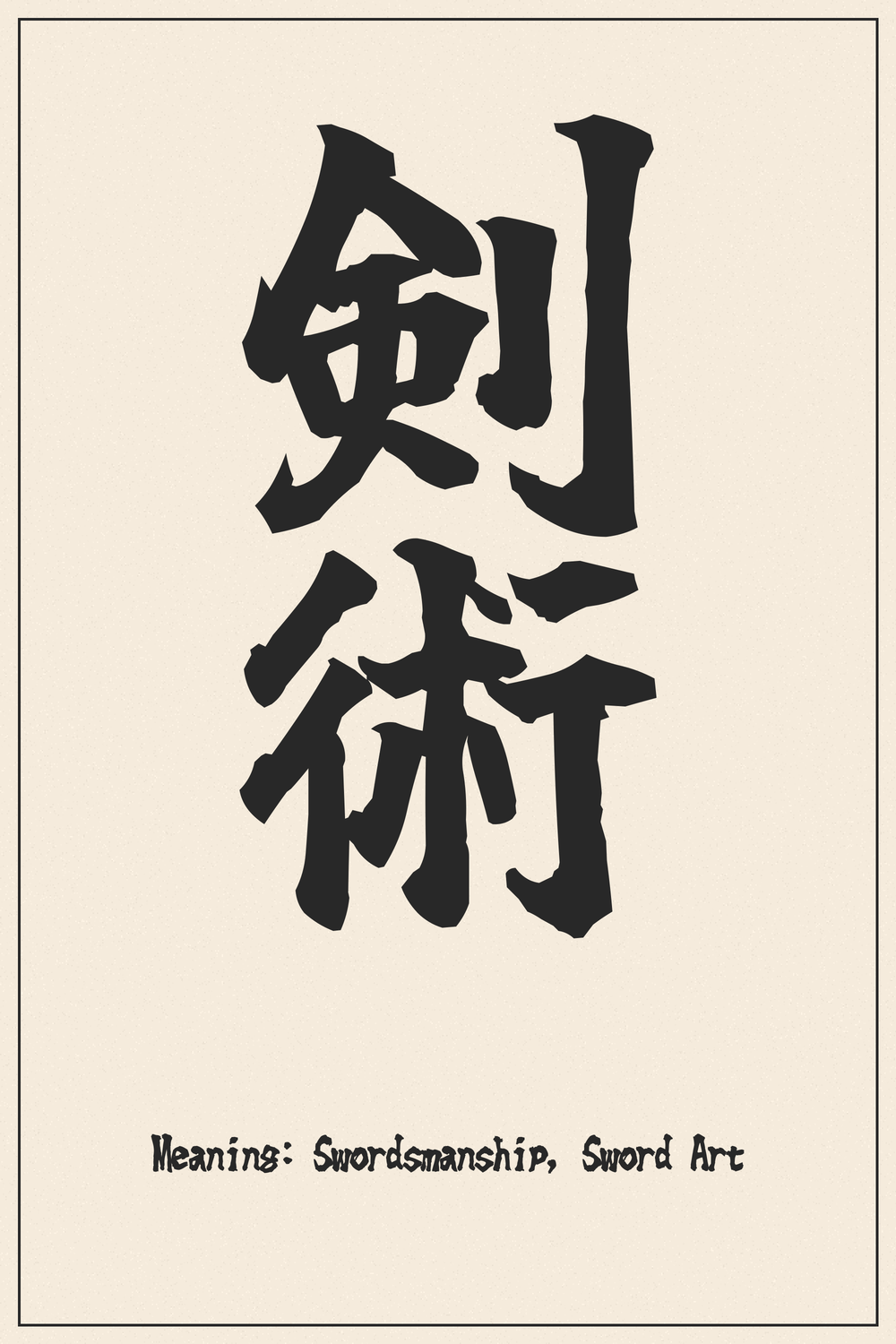
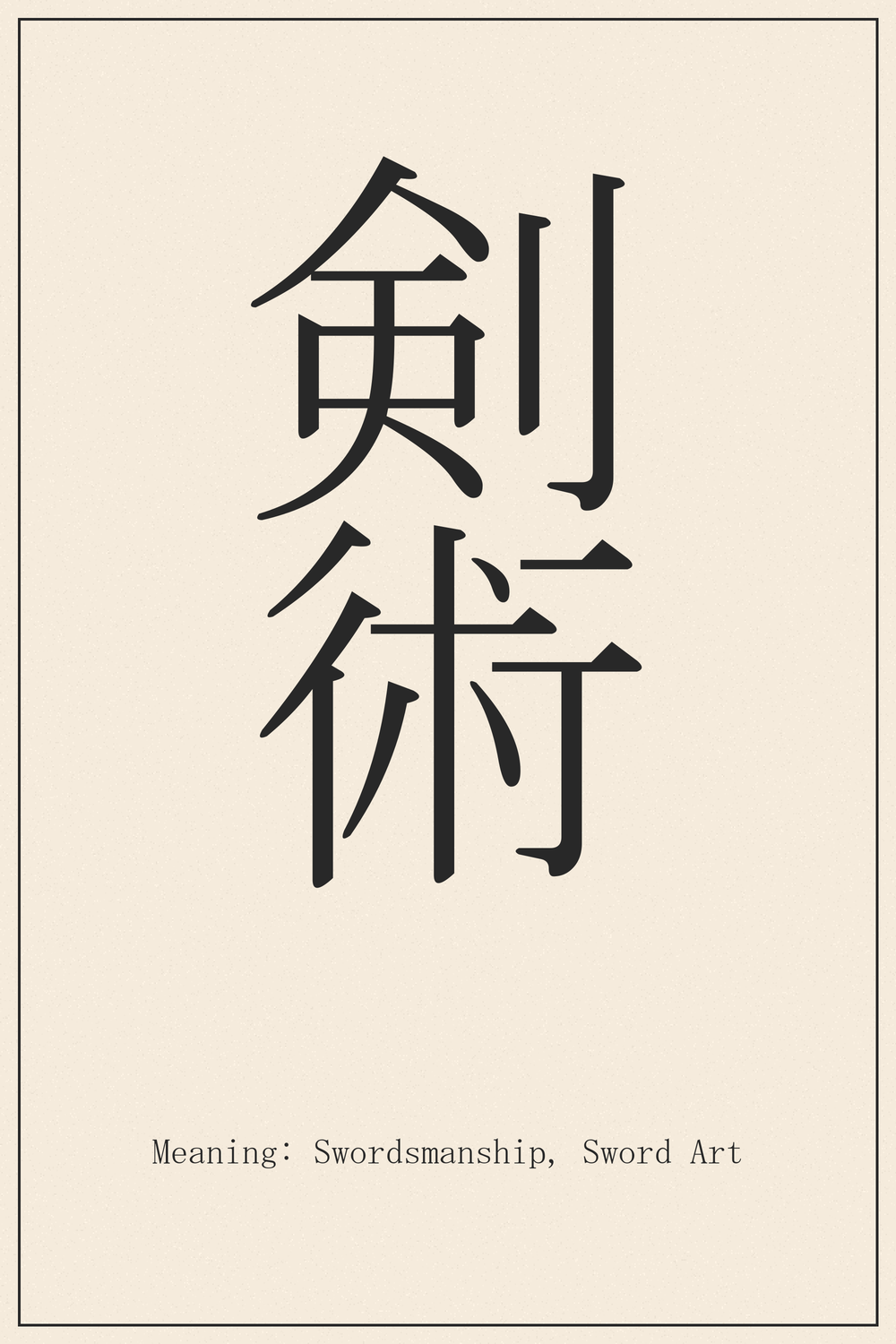
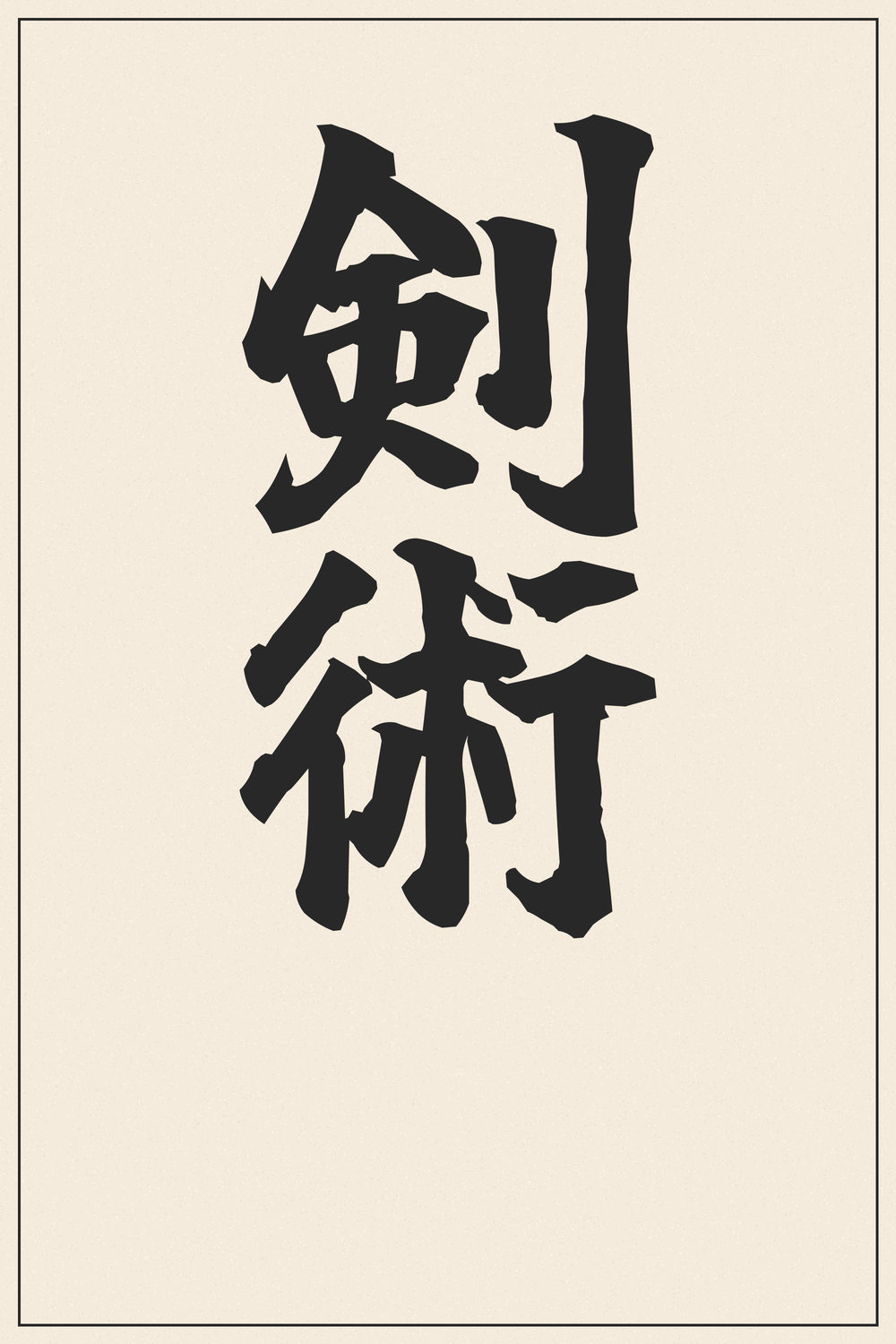
Kenjutsu encapsulates the ancient art of Japanese swordsmanship, a discipline demanding precision, dedication, and a profound understanding of combat. It represents not just physical prowess but also mental fortitude and respect for tradition.
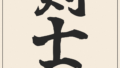
The atmosphere of a Kanji character changes dramatically depending on the font style. A character that looks elegant in a brush style might look bold and modern in a different font.
Recommendation:
Since a tattoo is permanent, we strongly recommend comparing various font styles beyond what is shown here. Use our designs as a trusted reference for the correct structure, but feel free to explore different artistic variations to find the perfect match for your vision.
The Deep Meaning Behind 剣術
Kenjutsu, meaning ‘the art of the sword,’ has roots dating back to Japan’s feudal era, evolving alongside the samurai class. It encompasses a vast array of sword-fighting techniques, tactical principles, and philosophical teachings passed down through generations. Historically, it was a vital skill for survival and warfare.
More than mere combat, Kenjutsu embodies a profound cultural legacy, fostering discipline, mental clarity, and respect. It reflects the warrior’s path (Bushido) where the sword is an extension of the wielder’s spirit. Modern Kenjutsu continues this tradition, emphasizing personal development alongside martial skill.
Kanji Breakdown
The term Kenjutsu is a compound of two powerful Kanji, each contributing significantly to its overall meaning and historical weight.
Meaning: This character graphically depicts a sword or blade, symbolizing precision, power, and the warrior’s tool. It represents the physical instrument and its potential for both defense and offense.
Meaning: This Kanji denotes skill, technique, or art, highlighting the refined practice and mastery required. It transforms a mere tool into a disciplined art form, emphasizing expertise and cultivated ability.
Conclusion
Kenjutsu is a powerful symbol of martial excellence, embodying the rigorous discipline, unwavering spirit, and refined technique of the swordsman. It signifies a dedication to mastering a demanding art, where physical skill is inseparable from mental and spiritual cultivation.
For those drawn to the path of the warrior, tradition, and self-mastery, a Kenjutsu tattoo serves as a potent emblem. It is a timeless reminder of strength, skill, and the enduring legacy of the samurai spirit, encouraging constant refinement and discipline in one’s own life journey.
Comments