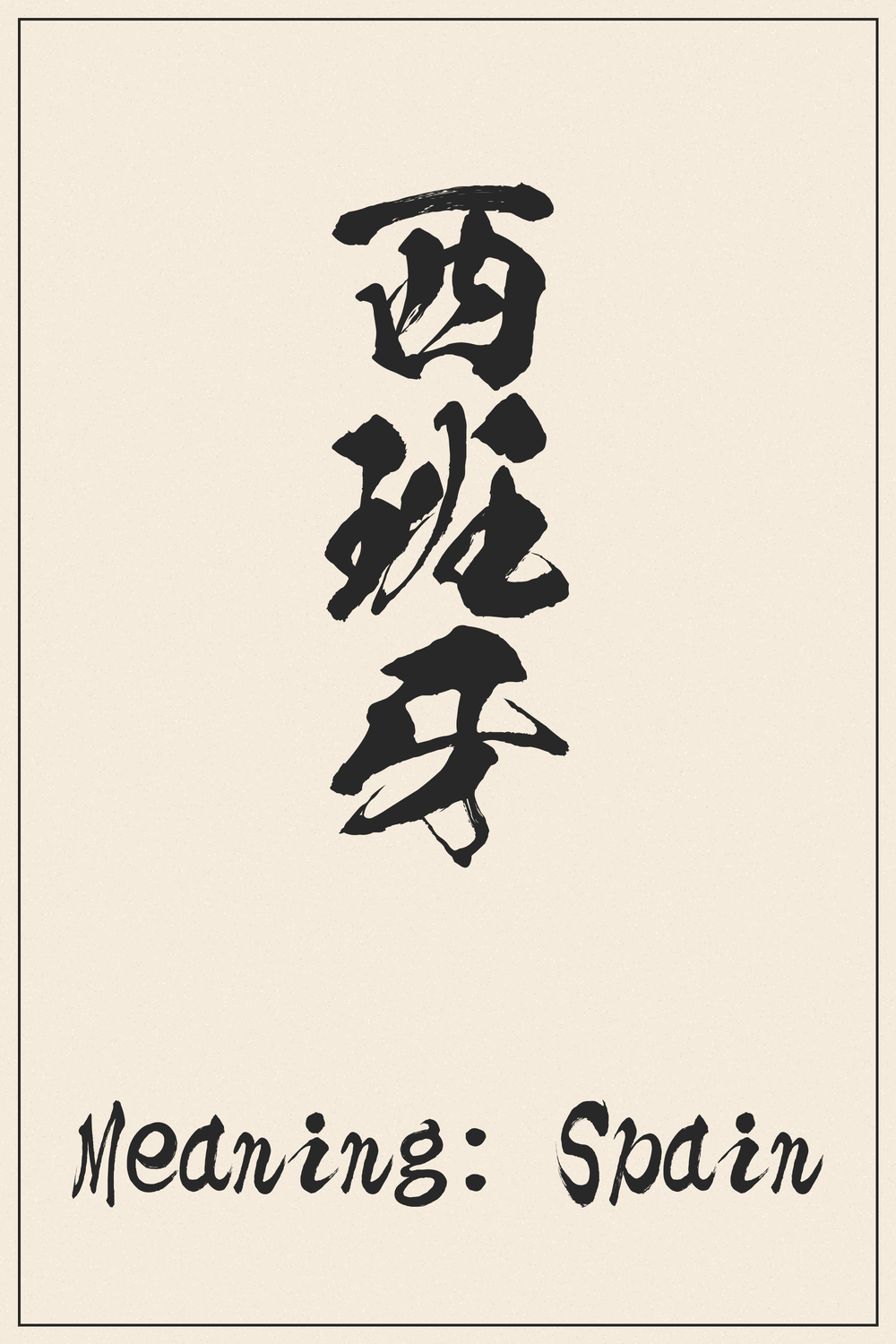
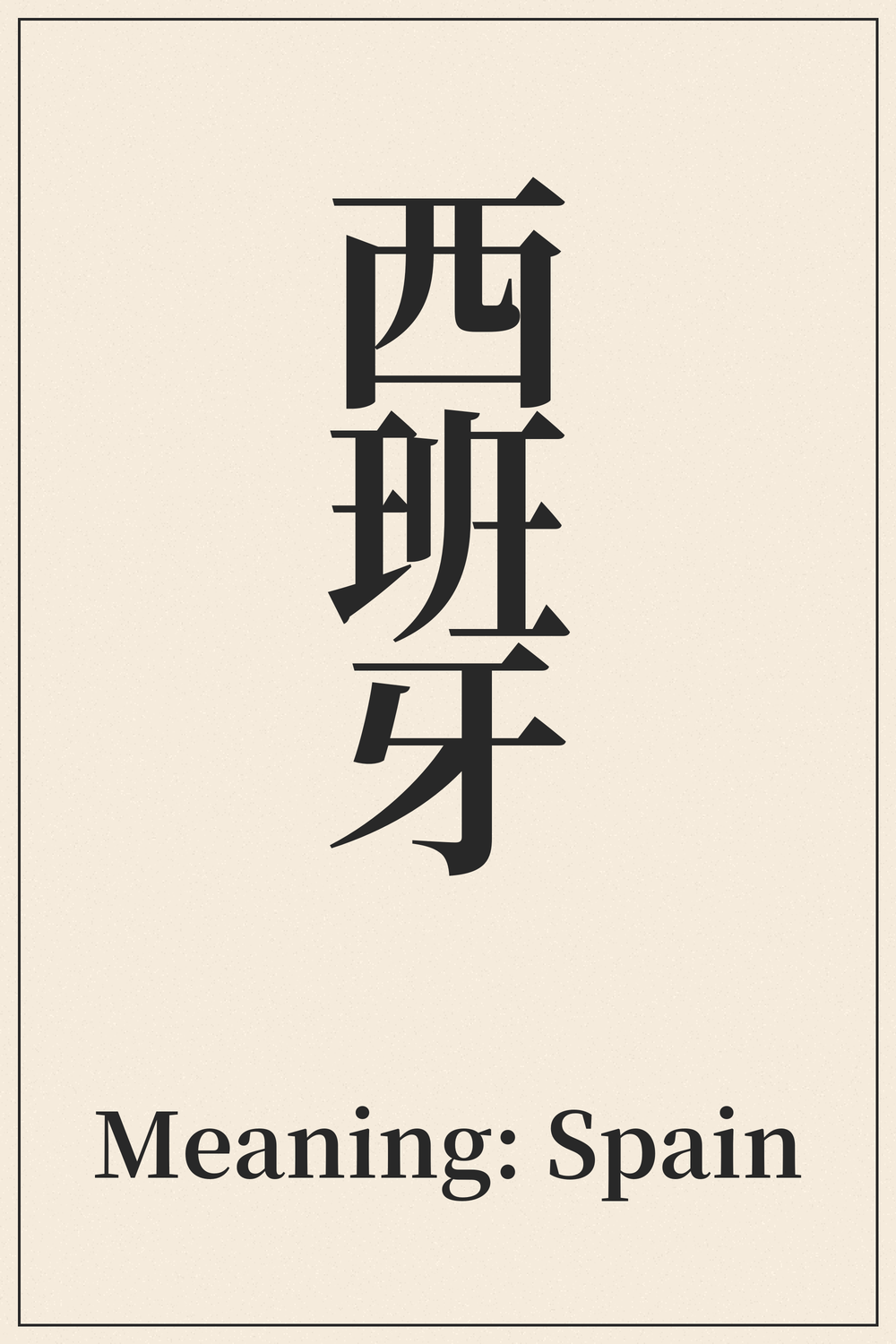
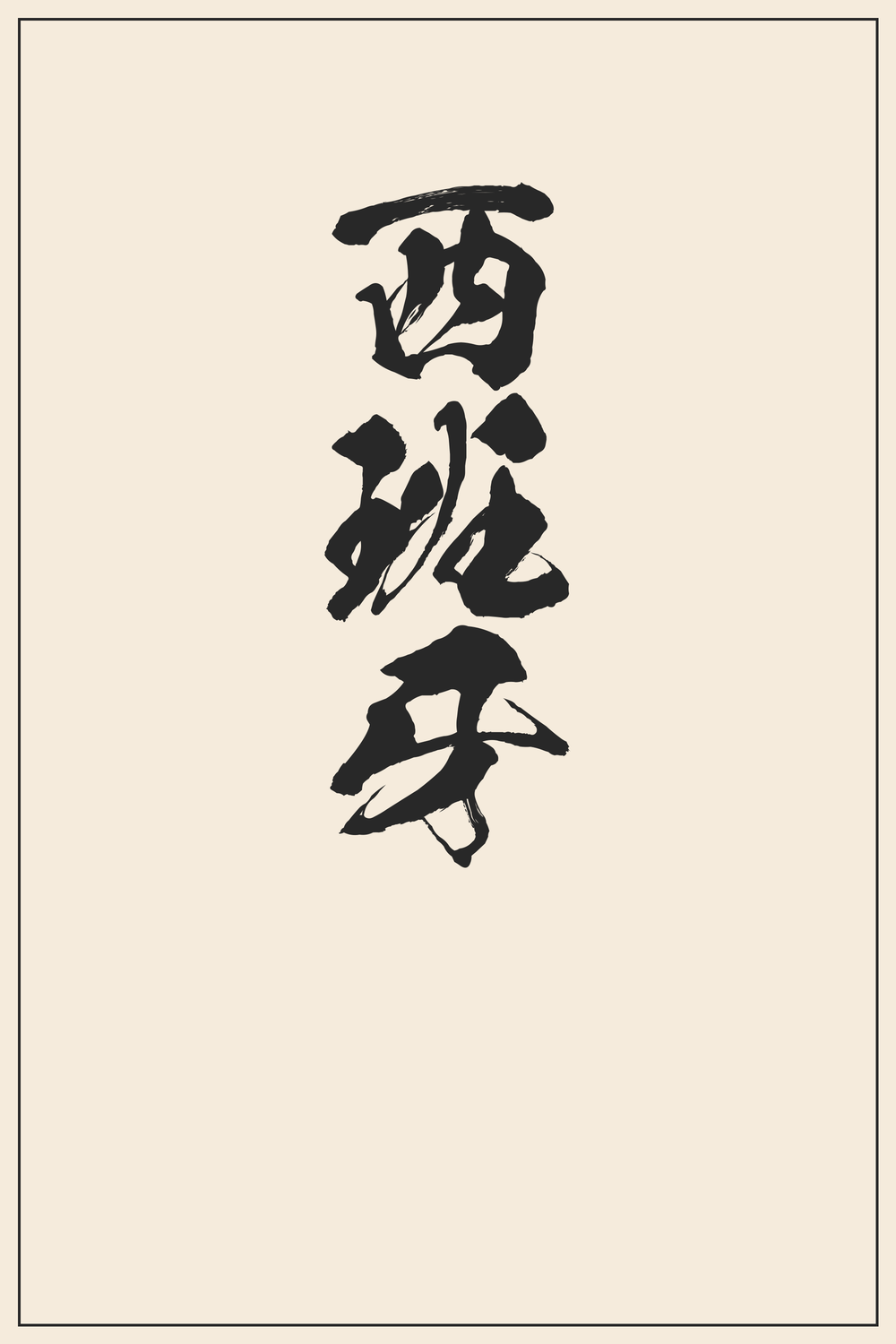
Delve into the fascinating world of Ateji with ‘西班牙’, the Japanese Kanji representation for Spain. This unique combination of characters illustrates how kanji are adapted to phonetically convey foreign names.
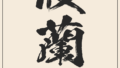
The atmosphere of a Kanji character changes dramatically depending on the font style. A character that looks elegant in a brush style might look bold and modern in a different font.
Recommendation: Since a tattoo is permanent, we strongly recommend comparing various font styles beyond what is shown here. Use our designs as a trusted reference for the correct structure, but feel free to explore different artistic variations to find the perfect match for your vision.
The Deep Meaning Behind 西班牙
The Kanji compound ‘西班牙’ (Supein) is a prime example of Ateji (当て字), a phonetic transcription where characters are chosen for their sounds rather than their intrinsic meanings. This practice was historically common in Japan to represent foreign words and names before the widespread adoption of Katakana.
In this context, ‘西班牙’ specifically refers to the country of Spain. While the individual characters carry distinct literal meanings, their combination here is purely a phonetic approximation of ‘España’ or ‘Spain’, reflecting a Japanese linguistic adaptation for global recognition.
Kanji Breakdown
The characters comprising ‘西班牙’ are selected for their phonetic values rather than their individual semantic meanings when used as Ateji for a country name. However, understanding their core definitions can illuminate the linguistic choices made.
West: This character literally means ‘west’ or ‘western direction’. Its inclusion here is for its sound, ‘su’, or part of it, in the overall phonetic rendering.
Squad, Group: The character ‘班’ means ‘squad’, ‘group’, or ‘class’. It contributes the ‘pe’ sound to the transliteration of ‘Spain’.
Tusk, Fang: ‘牙’ literally refers to a ‘tusk’ or ‘fang’. Its phonetic contribution completes the ‘in’ sound, rendering the full ‘Supein’ (Spain).
Conclusion
The Kanji ‘西班牙’ serves as a historical and cultural artifact, showcasing the Japanese linguistic ingenuity in adapting foreign names through Ateji. While its literal interpretation of ‘West Group Tusk’ doesn’t directly relate to the essence of Spain, it beautifully encapsulates a phonetic bridge between cultures.
For those considering this Kanji, its primary significance lies in its direct representation of Spain. It is a unique choice for individuals with a strong connection to Spain, offering a distinct cultural and historical layer through Japanese script, rather than a deep philosophical meaning derived from its component characters.
Comments