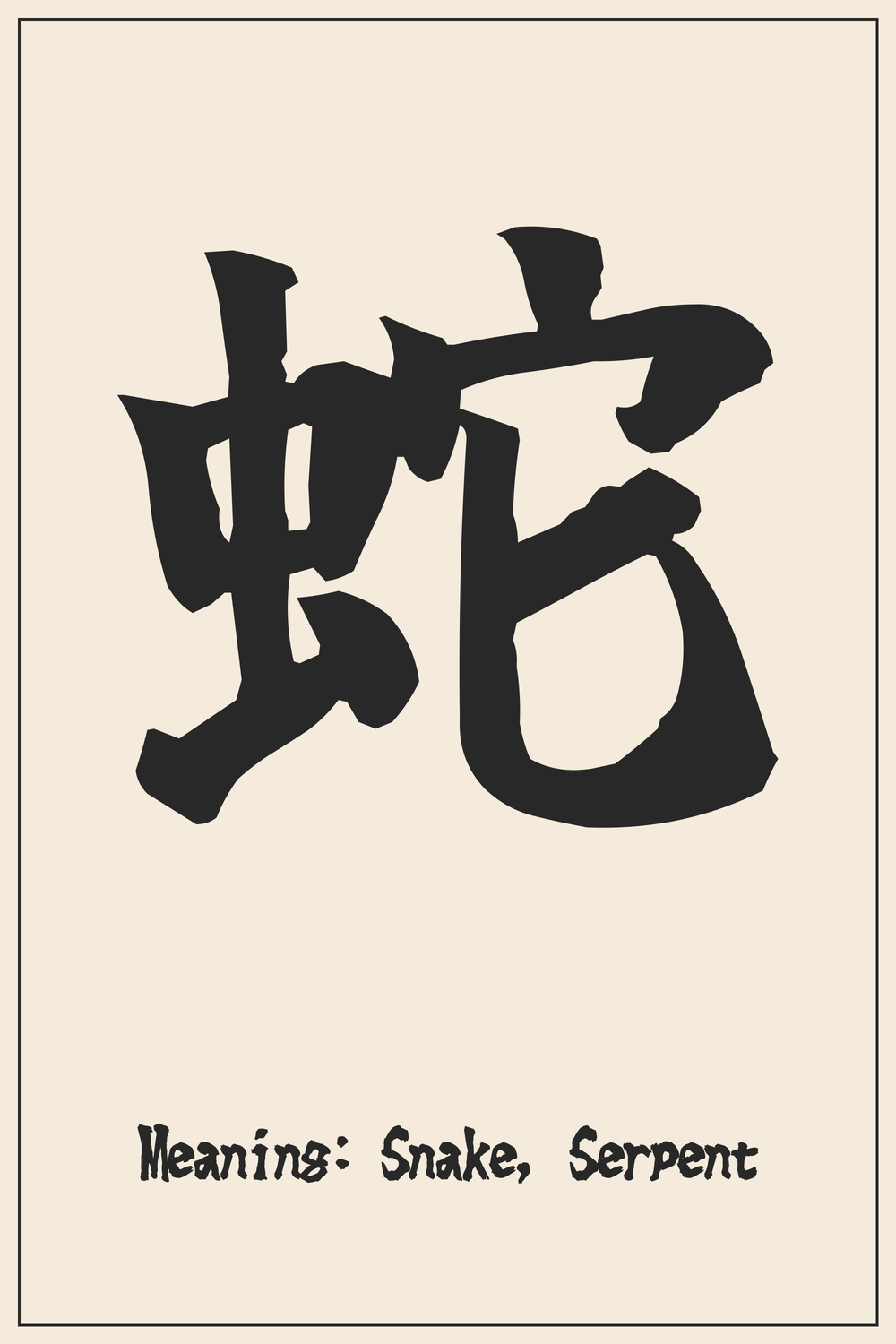
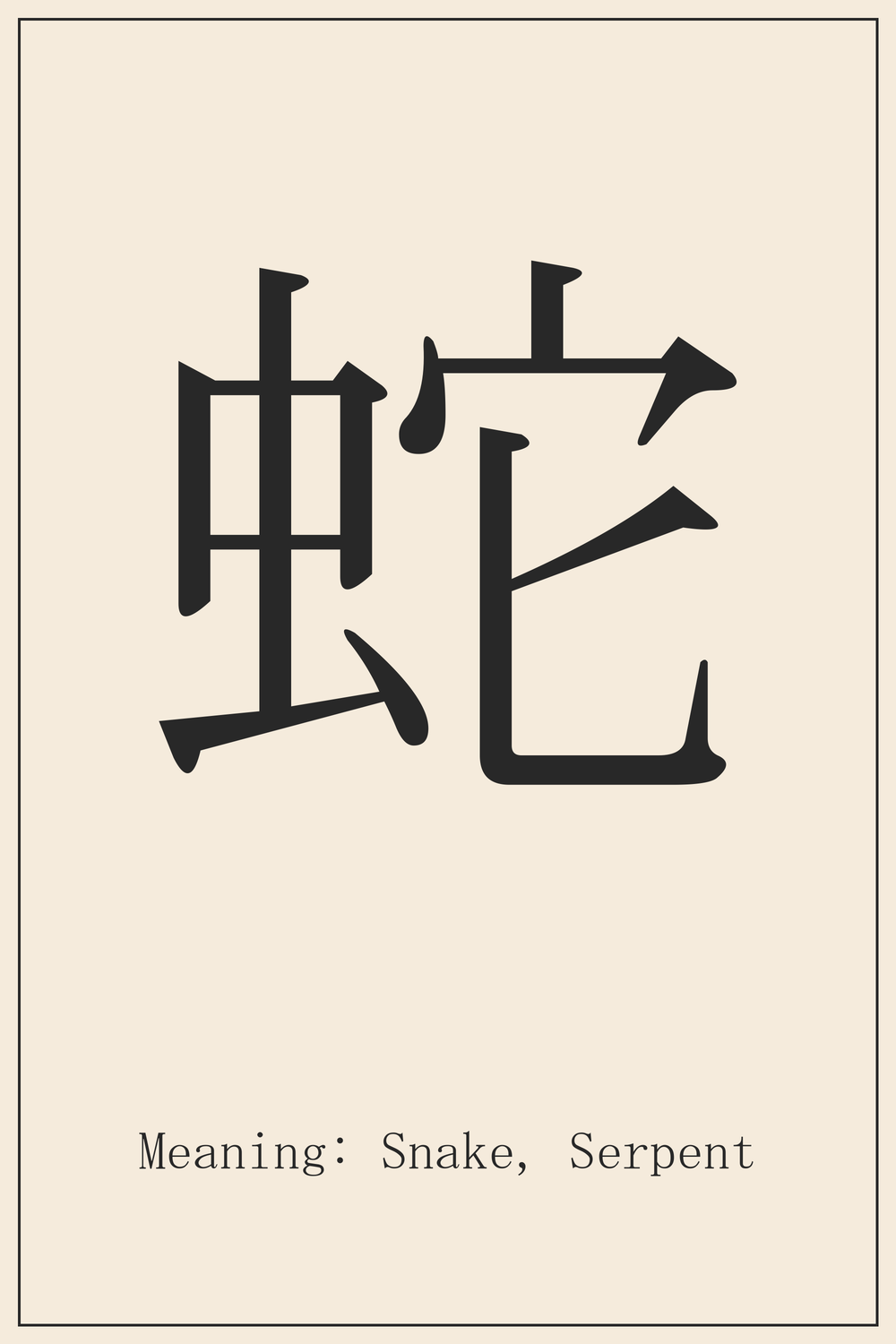
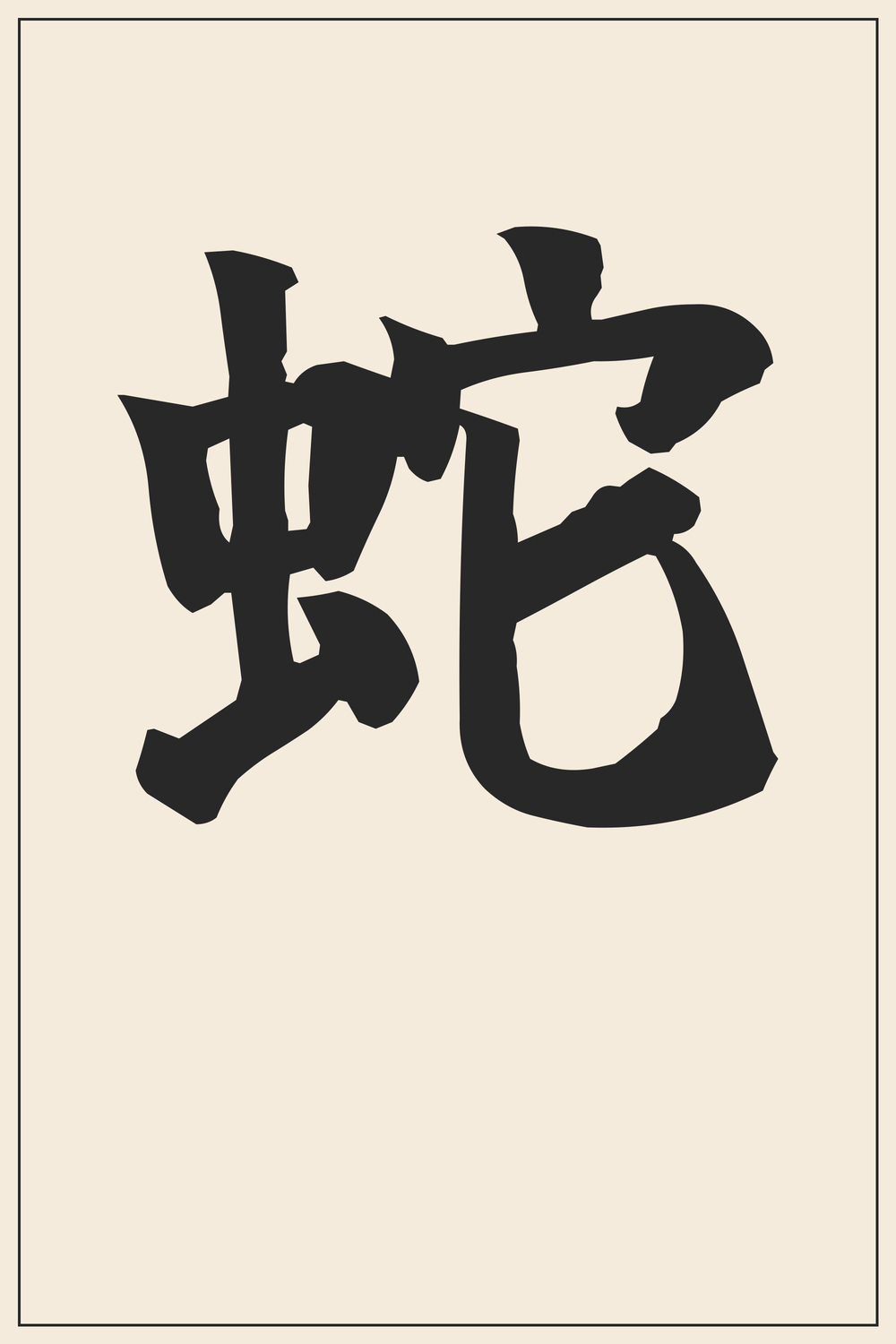
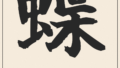
The Kanji 蛇 (Hebi) embodies the ancient and multifaceted symbolism of the snake, a creature revered and feared across cultures. It carries connotations of wisdom, transformation, and often, a connection to the mystical and primeval forces of nature.
The atmosphere of a Kanji character changes dramatically depending on the font style. A character that looks elegant in a brush style might look bold and modern in a different font.
Recommendation:
Since a tattoo is permanent, we strongly recommend comparing various font styles beyond what is shown here. Use our designs as a trusted reference for the correct structure, but feel free to explore different artistic variations to find the perfect match for your vision.
The Deep Meaning Behind 蛇
The character 蛇 is an ideogram that visually evolved to represent a snake. Its form originally depicted a coiled serpent, capturing the essence of the creature’s slithering movement and unique anatomy. The combination of its components further clarifies this direct association.
In Japanese culture, the snake (hebi) holds a powerful, dualistic symbolism. It is often seen as a guardian, a symbol of wisdom, regeneration, and protection due to its ability to shed its skin. However, it can also represent temptation, malevolence, or vengeful spirits, as seen in various myths and folklore, such as the legendary Yamata no Orochi.
Kanji Breakdown
The Kanji 蛇 is a phono-semantic compound, combining a radical that suggests its general category with a component that hints at its specific meaning.
Meaning: Insect, Vermin, Reptile. This radical, 虫 (mushi), typically denotes insects, worms, or small creatures. In the context of 蛇, it broadly categorizes the creature as a ‘creepy-crawly’ or reptile, reflecting ancient classifications.
Meaning: Snake (archaic), That, Other. The component 它 (ta) originally depicted a snake. While it now often means ‘that’ or ‘other’ in modern contexts, its ancient form directly contributed to the meaning of 蛇, specifying the ‘insect’ as a ‘snake’.
Conclusion
The Kanji 蛇 is a profound symbol, embodying the snake’s rich tapestry of meanings—from ancient wisdom and regenerative power to its mysterious and sometimes formidable presence in mythology.
For those seeking a tattoo that represents transformation, protection, or a connection to primal forces, 蛇 offers a visually compelling and culturally resonant choice. Its intricate design lends itself beautifully to artistic interpretation, making it a powerful personal emblem.
Comments