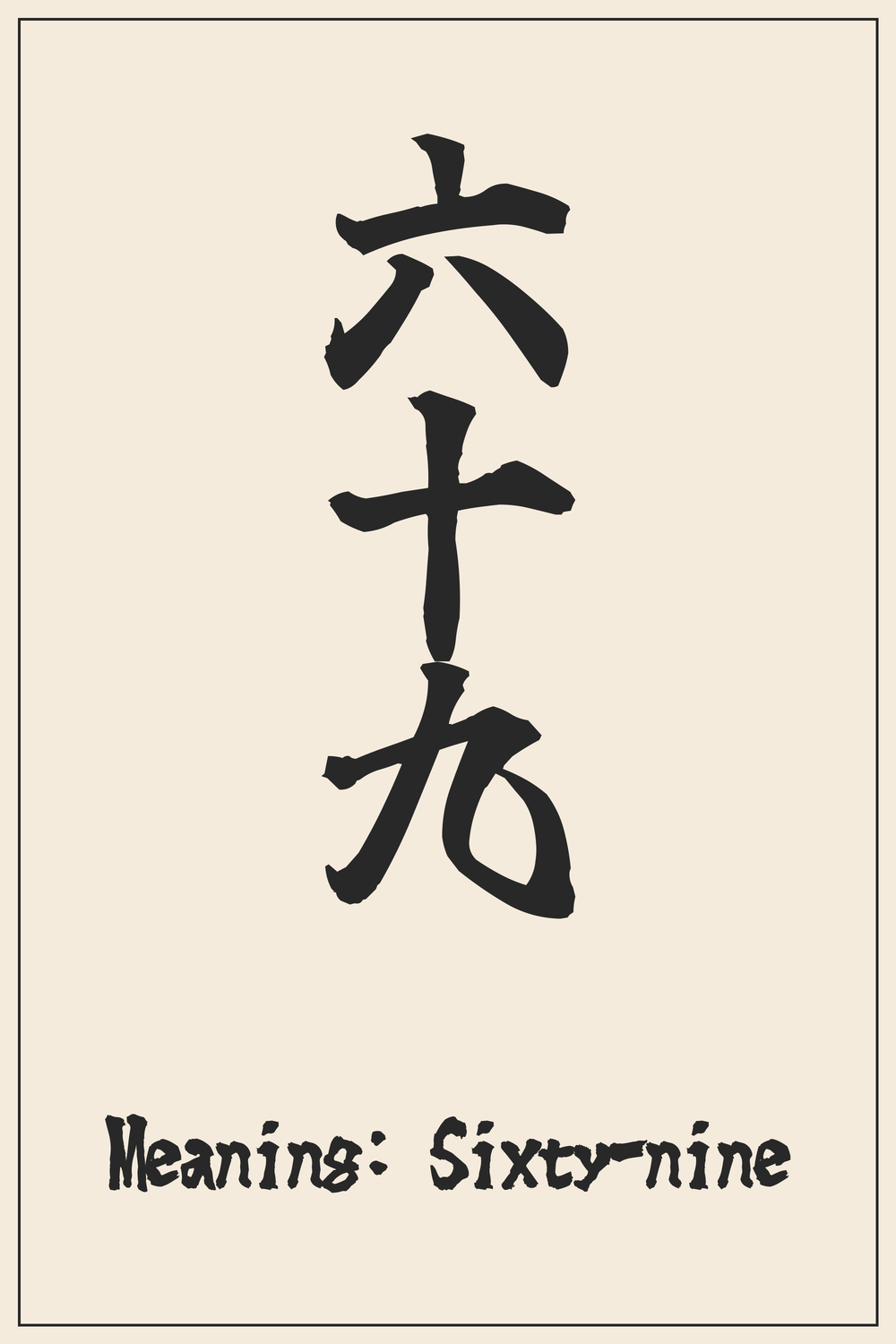
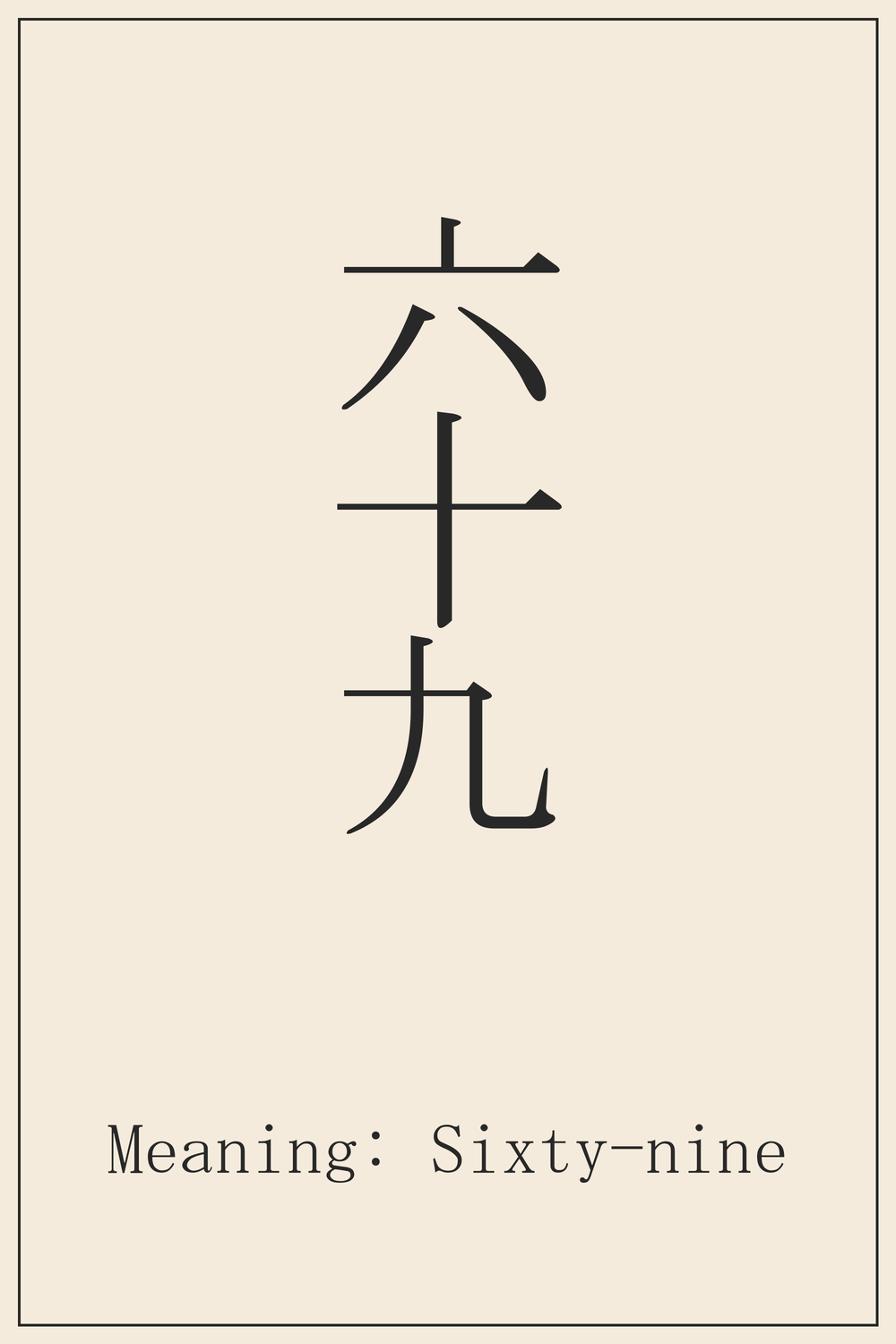
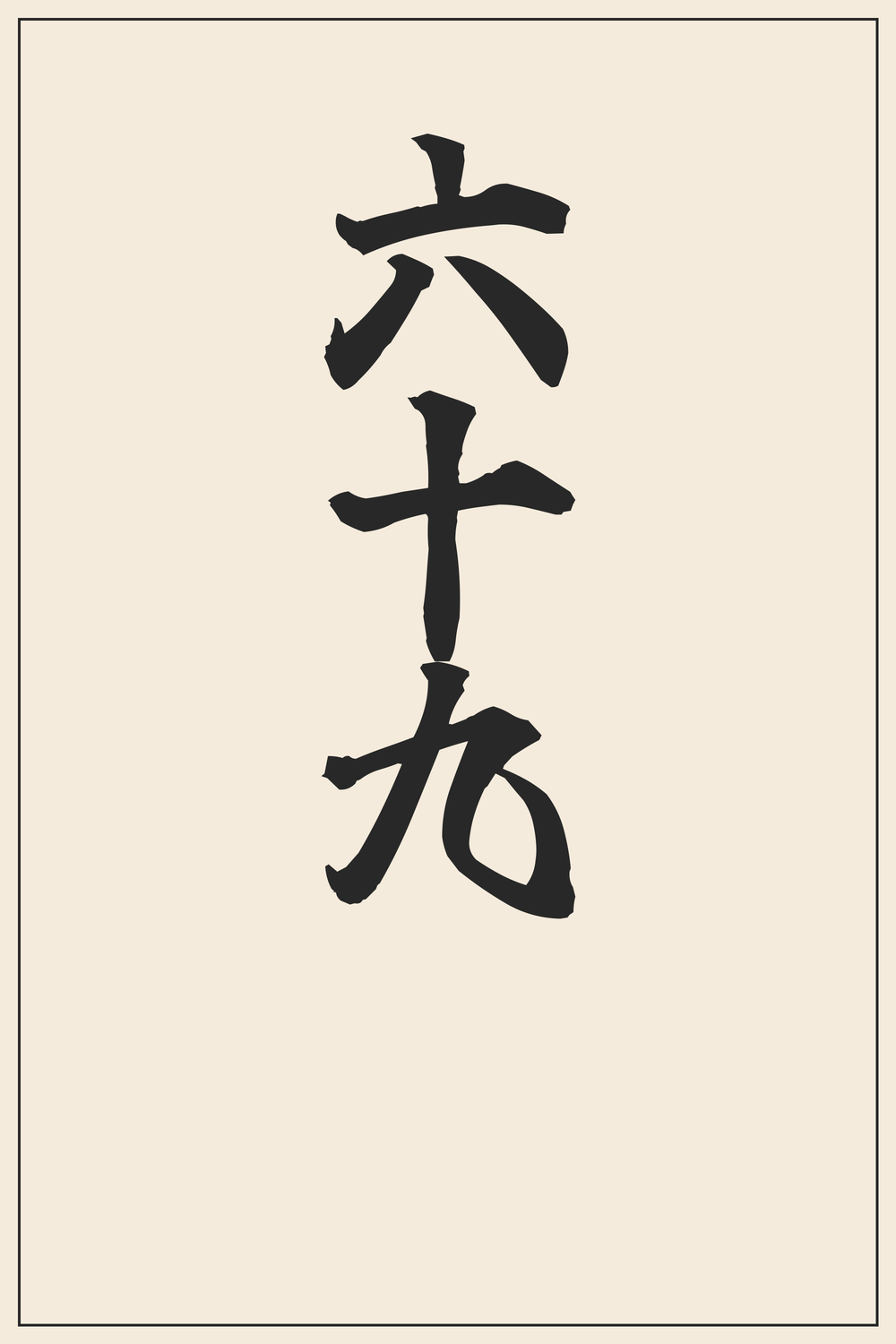
The Kanji combination 六十九 (Rokujukyuu) represents the number sixty-nine, a fundamental concept in mathematics and daily life. It embodies the essence of counting and numerical progression, often holding personal significance related to age or specific events.
The atmosphere of a Kanji character changes dramatically depending on the font style. A character that looks elegant in a brush style might look bold and modern in a different font.
Recommendation:
Since a tattoo is permanent, we strongly recommend comparing various font styles beyond what is shown here. Use our designs as a trusted reference for the correct structure, but feel free to explore different artistic variations to find the perfect match for your vision.
The Deep Meaning Behind 六十九
The Kanji for numbers are among the oldest and most fundamental characters in the Japanese writing system, tracing their origins back to ancient Chinese pictographs. 六 (roku) originally depicted an enclosure, abstracting to ‘six’, while 十 (juu) represented a vertical line with a horizontal dash, symbolizing ‘ten’. 九 (kyuu) is thought to have depicted a bent arm or an object, signifying ‘nine’.
In Japanese culture, as in many others, numbers carry practical and sometimes symbolic weight. While 69 itself doesn’t have a widespread specific cultural or philosophical meaning in Japan akin to other numbers like seven or eight, it serves as a straightforward representation of quantity or a point in a sequence, often used in age or enumeration.
Kanji Breakdown
To understand the composite number 六十九, we can look at its individual Kanji components:
Meaning: Six. An ancient character, possibly depicting a structure with a roof and supports, which over time became the numeral six. It represents completion or balance in some contexts, as the first perfect number.
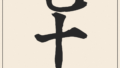
Meaning: Ten. A simple cross symbol, originally representing a bundle of ten sticks or a complete cycle. It serves as a base for counting in many numerical systems.
Meaning: Nine. An ancient character whose origins are debated, possibly representing a bent arm or a hook. It signifies the end of a single-digit sequence, often associated with completeness or a large quantity.
Conclusion
The Kanji 六十九, or sixty-nine, is more than just a numerical value; it represents a specific point in a journey or a quantity that holds personal significance. Its components, 六, 十, and 九, each carry their own historical weight as fundamental elements of counting.
For those contemplating a Kanji tattoo, 六十九 offers a clear and aesthetically pleasing way to commemorate a specific age, a significant date, or a number that resonates deeply with their personal narrative. It is a symbol of precision and personal meaning.
Comments