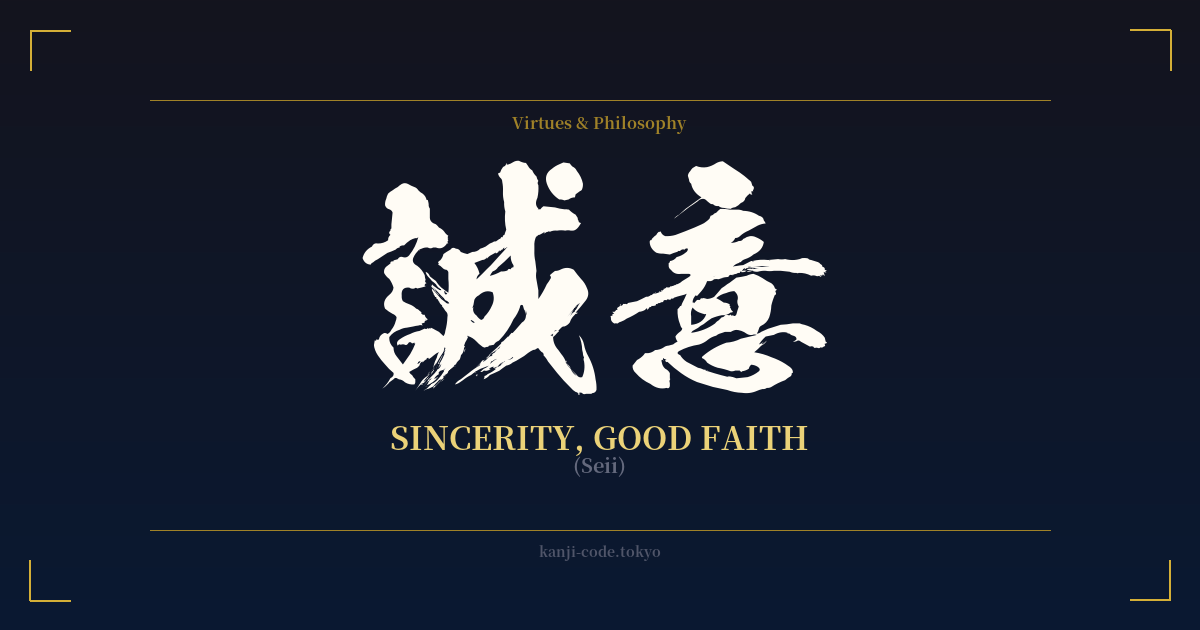
✍️ 誠意 (Seii) — Cultural Context
In Japan, 誠意 (Seii) is a concept that goes far beyond the simple English translation of 'sincerity' or 'good faith'. It isn't just a private feeling of honesty; it's an active, demonstrable quality that forms the bedrock of social and professional relationships. To have 'seii' is to show, through your actions, your genuine and reliable intentions.
This is most visible in the world of Japanese business and in formal apologies. When a company makes a mistake, the public doesn't just want to hear an apology; they expect to see 'seii'. This might involve executives bowing deeply in a press conference, offering compensation, and presenting a clear, actionable plan to fix the problem. The words 'I'm sorry' are empty without the tangible proof of sincerity that 'seii' represents. The phrase `誠意を見せる` (seii o miseru), meaning 'to show one's sincerity,' is a crucial part of navigating conflict and restoring trust.
This emphasis on demonstrable sincerity is woven into the fabric of daily life. When you make a promise, there's an expectation that you will follow through with 'seii'. When you ask for a favor, showing 'seii' means you've thought about the other person's time and effort, perhaps by bringing a small gift (`omiyage`) or offering to return the favor in a concrete way. It’s about proving your words with deeds and showing respect for the other party.
This differs from some Western notions of sincerity, which can be more focused on an internal state of being 'true to oneself'. In Japan, 'seii' is inherently relational—it exists between people. It’s the effort you put in to make your internal good intentions visible and understandable to others, thereby creating harmony and mutual trust. It’s the bridge between your heart and your actions, built to be seen and crossed by others.
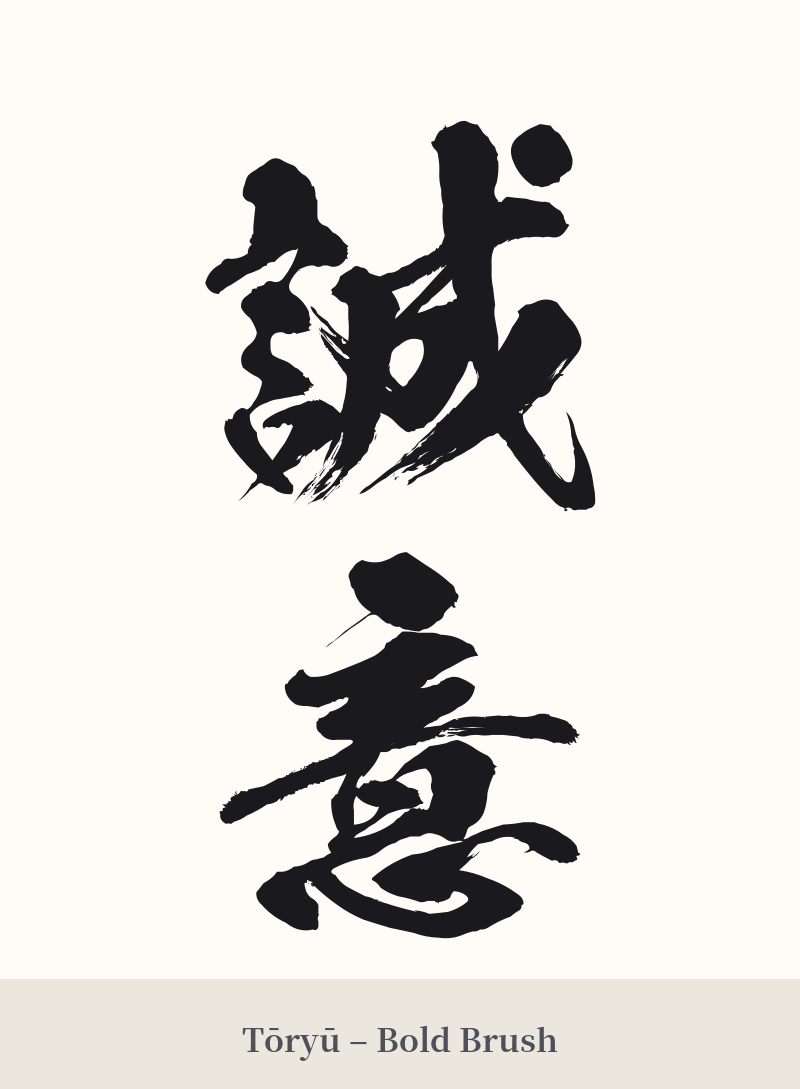
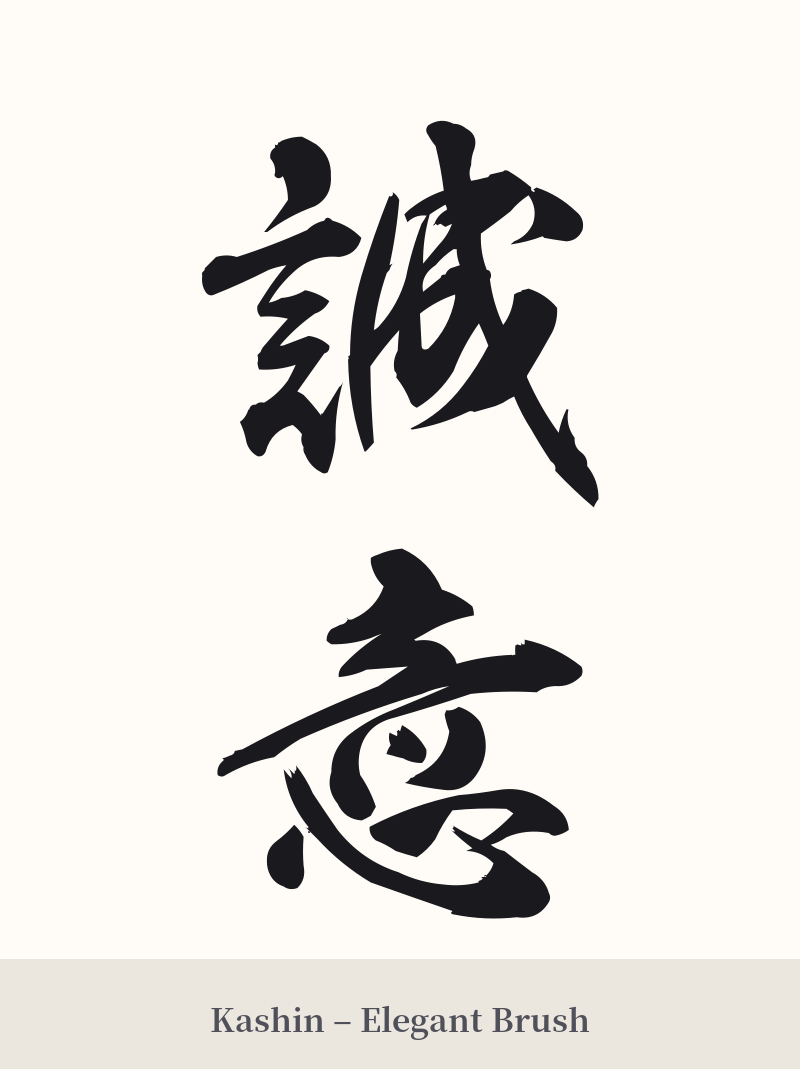
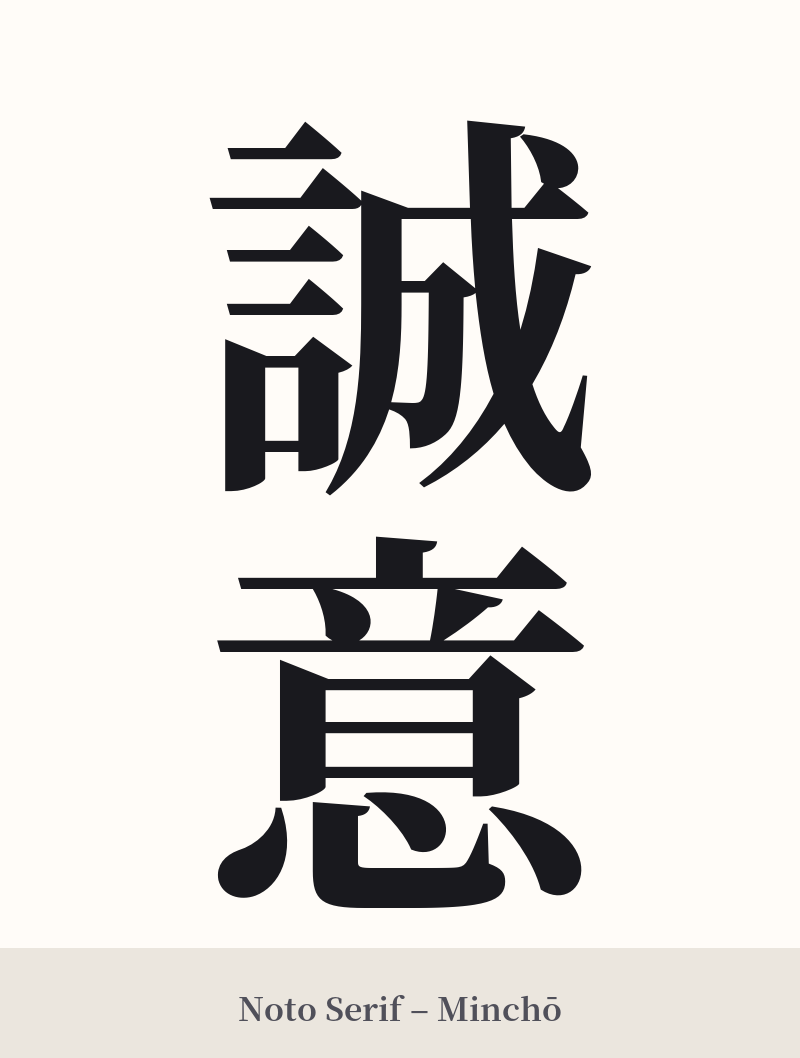
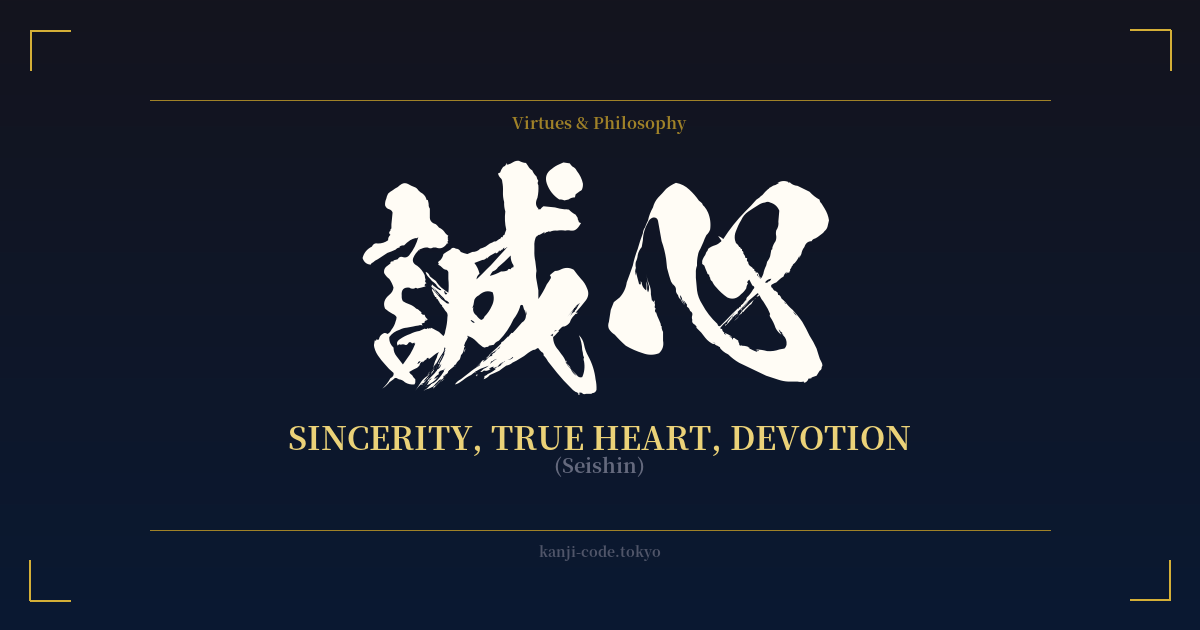
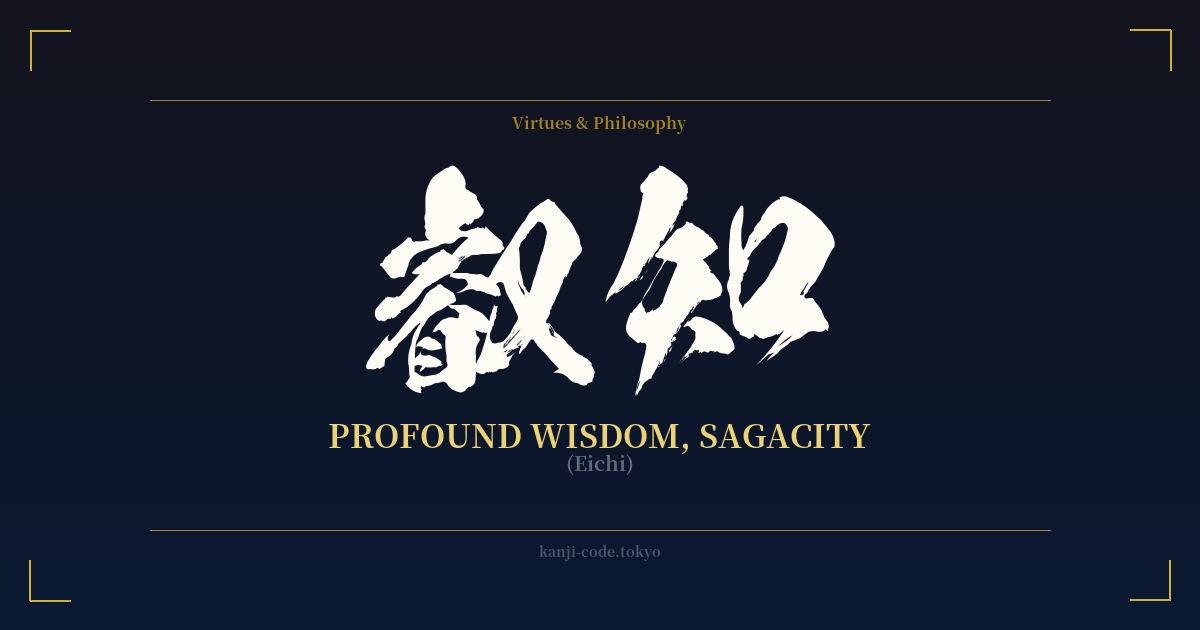
🖌️ Font Styles for 誠意
The same kanji can look dramatically different depending on the calligraphy style. Choose a font that matches the mood you want for your tattoo or design.
🎨 Tattoo Suitability
📐 Tattoo Design Guide
The word 誠意 (Seii) is a statement of character, and its design should reflect that gravity and balance.
– Placement: Vertical alignment is highly recommended to honor the traditional flow of Japanese writing. Ideal placements include the inner forearm, the calf, or along the spine. These locations provide the necessary vertical space for the characters to breathe and be read clearly.
– Font Style: A traditional calligraphy style is often the best choice to convey the word's profound meaning. `Gyosho` (semi-cursive) offers a fluid, artistic look, while `Kaisho` (block script) provides a more formal, stable, and clear impression. A bold, heavy brushstroke style can emphasize the strength of conviction behind the word.
– Visual Tips: Due to the high stroke count of both kanji, size is a critical factor. Avoid making the tattoo too small, as the intricate lines could blur over time. A minimalist approach is best; let the kanji be the focus without adding distracting background elements. The inherent complexity of the characters is the design.
Comments