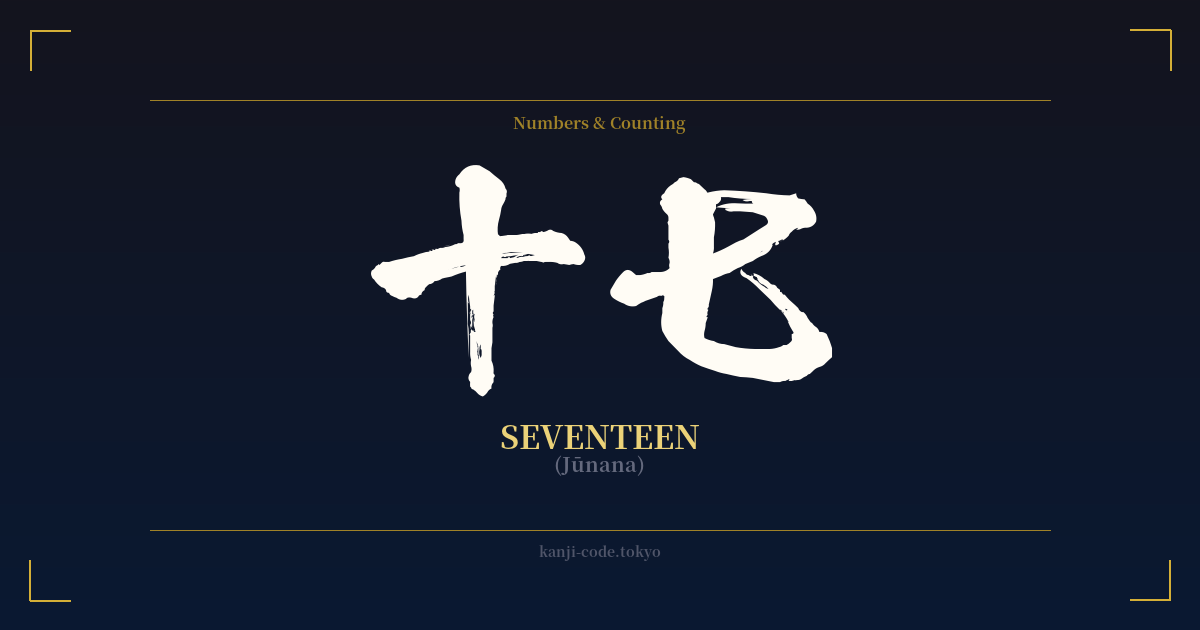
✍️ 十七 (Jūnana) — Cultural Context
The Japanese word for seventeen, 十七 (Jūnana), is a straightforward construction that reveals the simple, additive logic of the Japanese numbering system. It is formed by combining the kanji for ten (十) and seven (七), literally translating to 'ten-seven'. This logical system makes counting in Japanese remarkably consistent.
While the number seventeen doesn't carry the heavy superstitions found in some other cultures, the age of seventeen is a significant and evocative period in modern Japan. At seventeen, a Japanese person is typically in their second or third year of high school (高校, kōkō). This is a time defined by intense academic pressure, particularly the preparation for the grueling university entrance exams known as 'juken' (受験). It is a period of transition, caught between the freedoms of youth and the looming responsibilities of adulthood.
This transitional nature is often captured in Japanese media. The popular fashion and lifestyle magazine 'Seventeen' (セブンティーン) has been a staple for Japanese teenage girls for decades, reflecting the dreams, anxieties, and trends of this specific age group. The concept of 'seishun' (青春), or the 'springtime of life', is deeply intertwined with these high school years, making seventeen a symbol of fleeting youth, first loves, and fervent dedication to club activities (部活, bukatsu).
Historically, the number seventeen holds a place of immense importance in Japanese political and philosophical history. This is due to the Seventeen-Article Constitution (十七条の憲法, jūshichijō no kenpō), established in 604 AD by Prince Shōtoku. While not a constitution in the modern sense, it was a foundational document of Buddhist and Confucian principles intended to guide government officials and establish a moral framework for the state. It emphasized harmony (和, wa), respect for authority, and fairness, and its influence on Japanese ethics and governance was profound and long-lasting.
Therefore, while 十七 may appear to be a simple number, it resonates with multiple layers of meaning in Japan: the logical structure of language, the poignant transition of youth, and a cornerstone of the nation's political and ethical history.
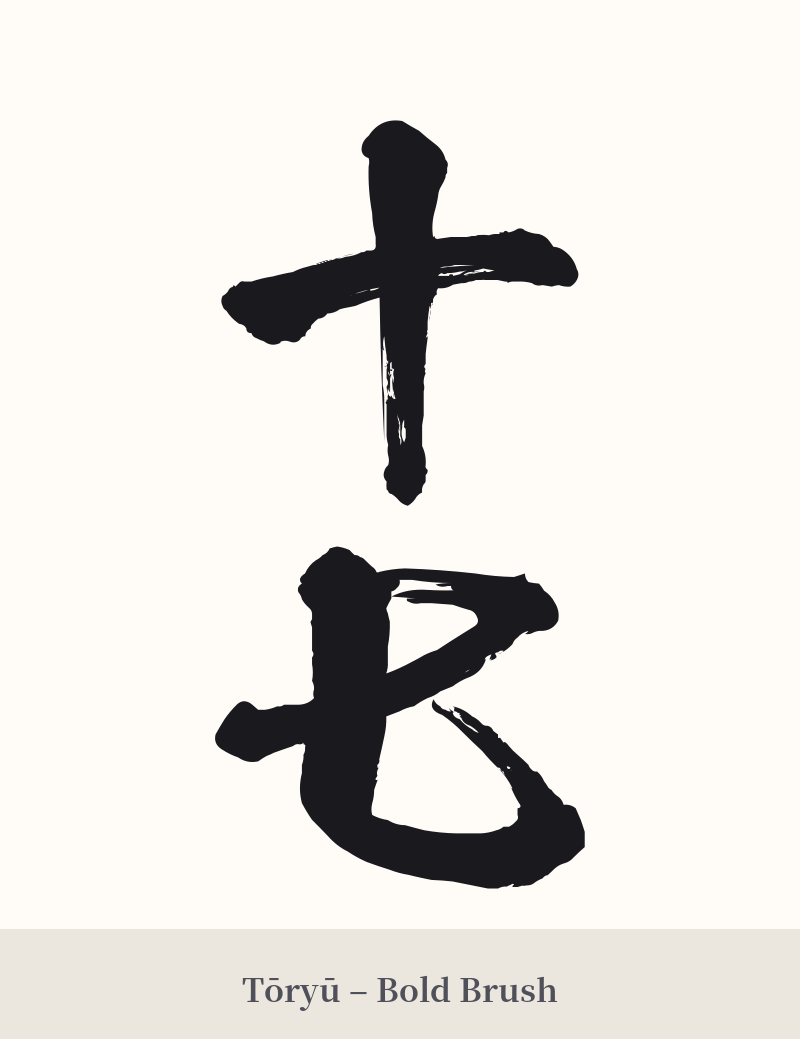
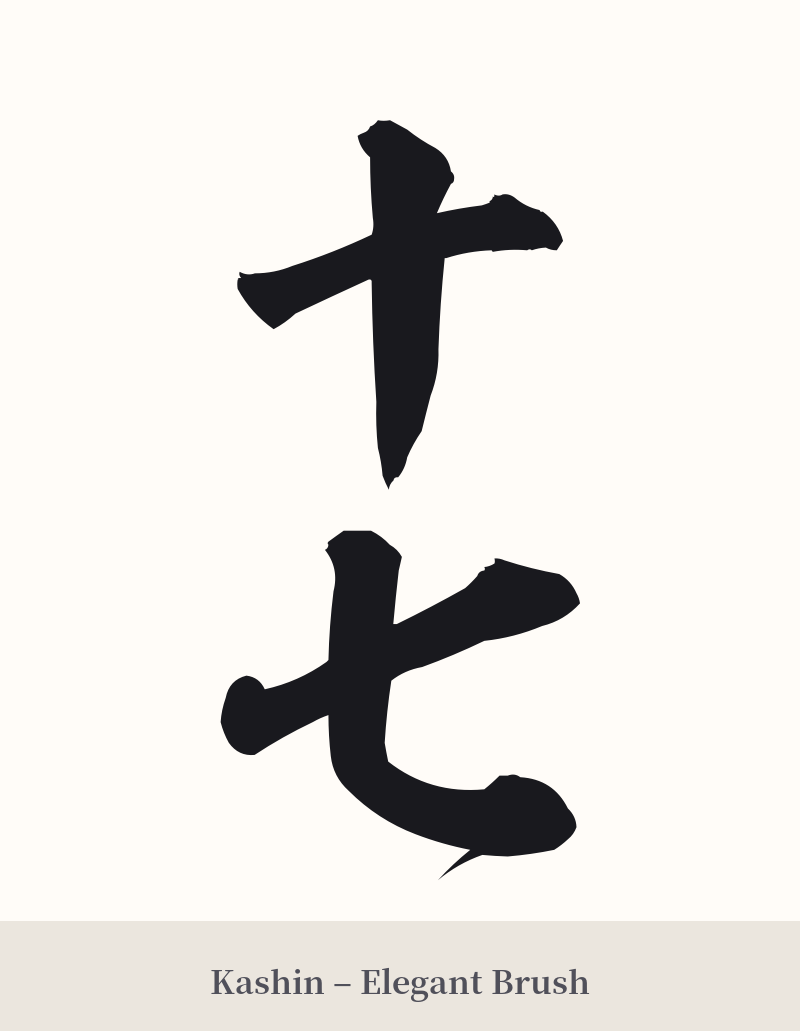
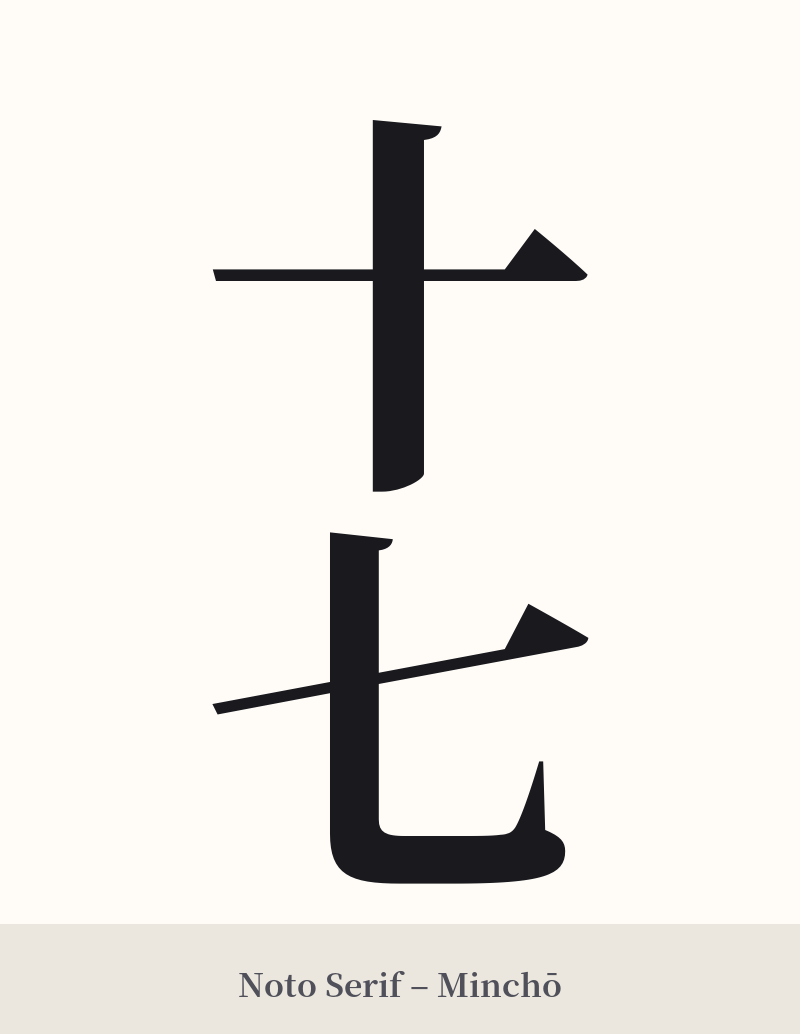
🖌️ Font Styles for 十七
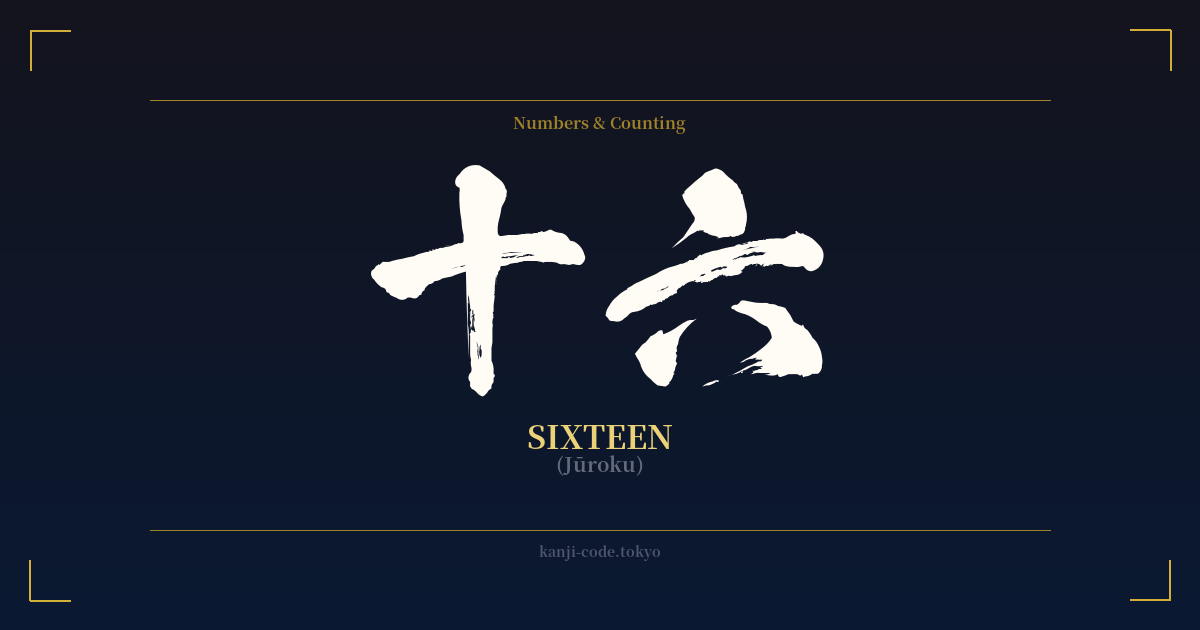
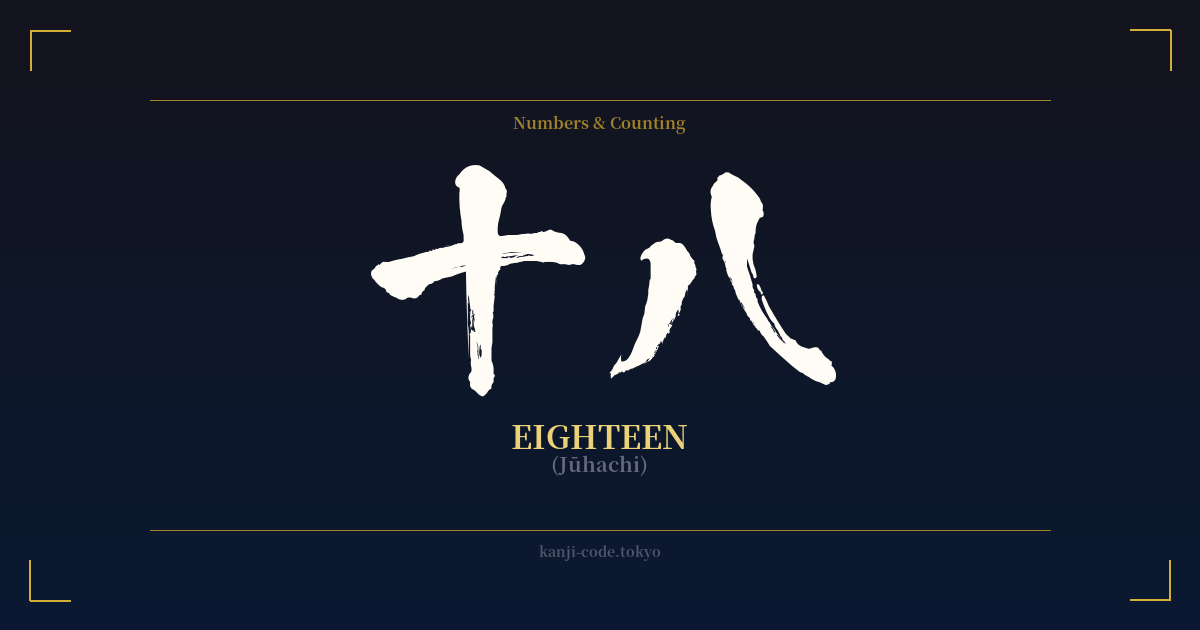
The same kanji can look dramatically different depending on the calligraphy style. Choose a font that matches the mood you want for your tattoo or design.
🎨 Tattoo Suitability
📐 Tattoo Design Guide
Due to its extreme simplicity, a tattoo of 十七 (Jūnana) thrives on minimalist and intentional design choices. Overly complex styles would overwhelm these two simple characters.
– Placement: This design is best suited for small, discreet locations. Consider the inner wrist, behind the ear, on an ankle, or along a finger. A large-scale version on a back or chest would likely appear empty and underwhelming.
– Style: A traditional calligraphy style (shodō) can lend these simple characters a sense of artistry and flow. Alternatively, a clean, crisp, minimalist font will emphasize their geometric nature. Avoid overly ornate or decorative fonts that would clash with the kanji's simplicity.
– Visual Tips: A vertical alignment (tategaki) is the most traditional and aesthetically pleasing orientation for these kanji. You could also incorporate 十七 as part of a larger design, such as a full date (e.g., a birthdate) or as a meaningful number within a more complex visual piece. The key is to give the characters a clear purpose within the overall composition.
Comments