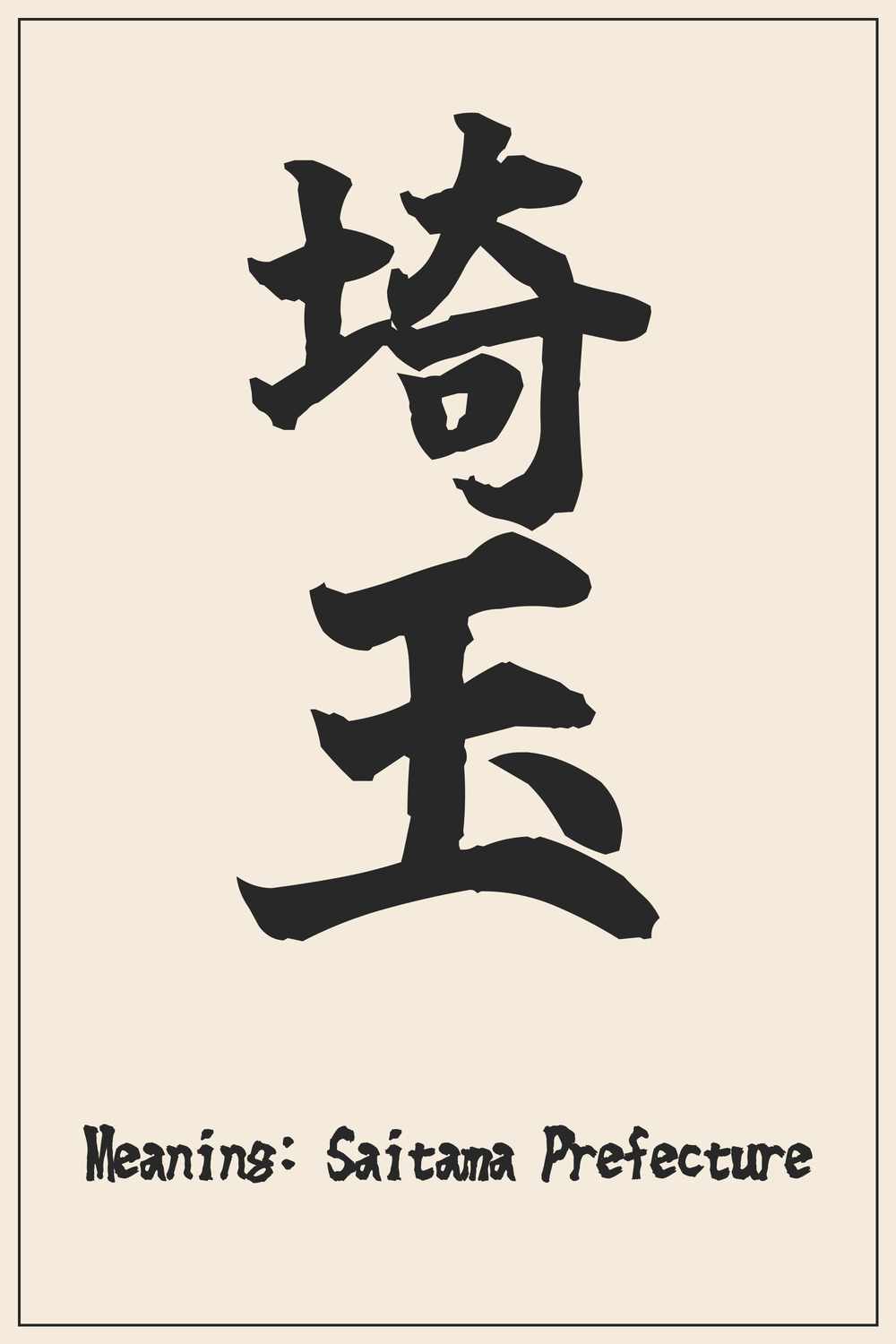
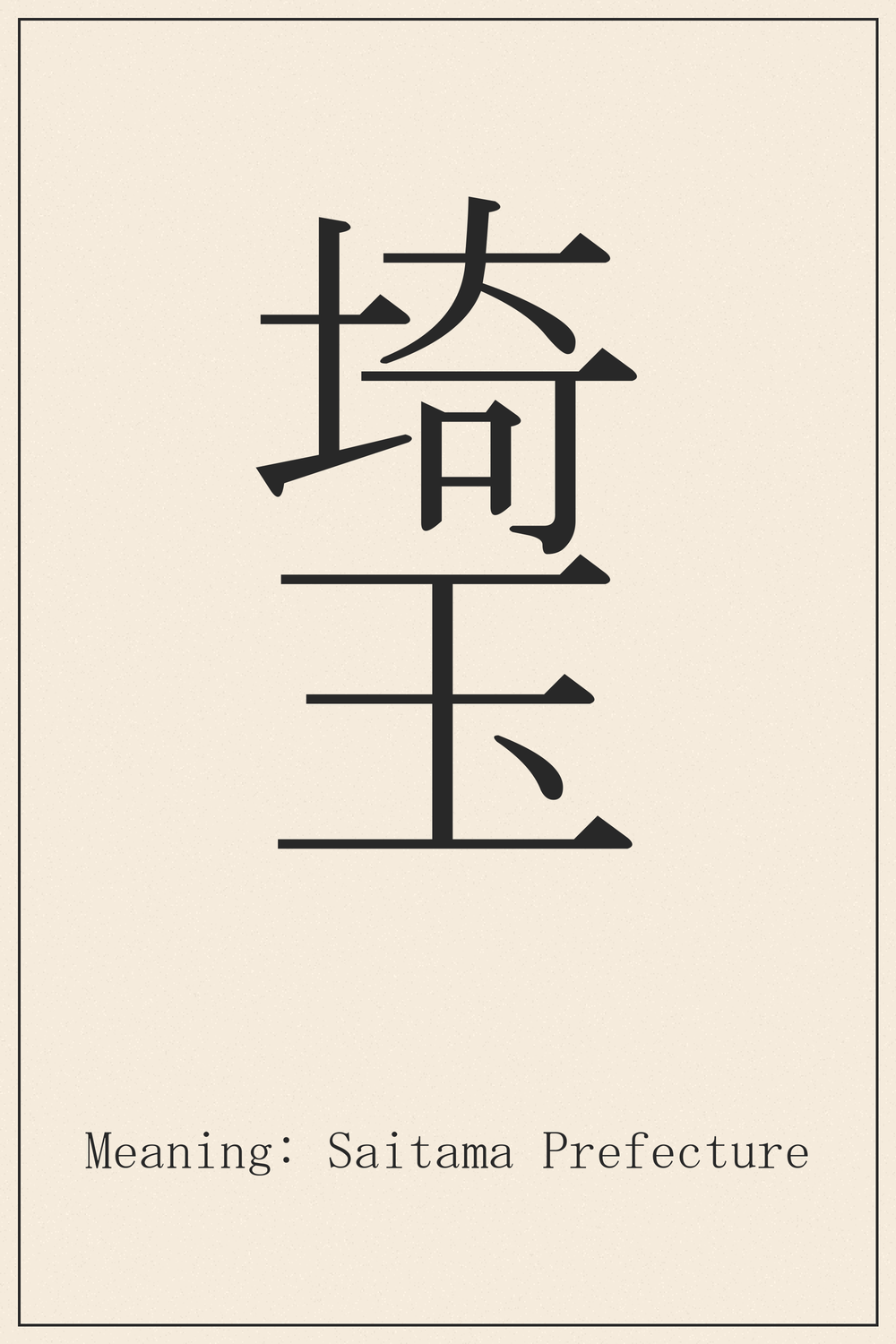
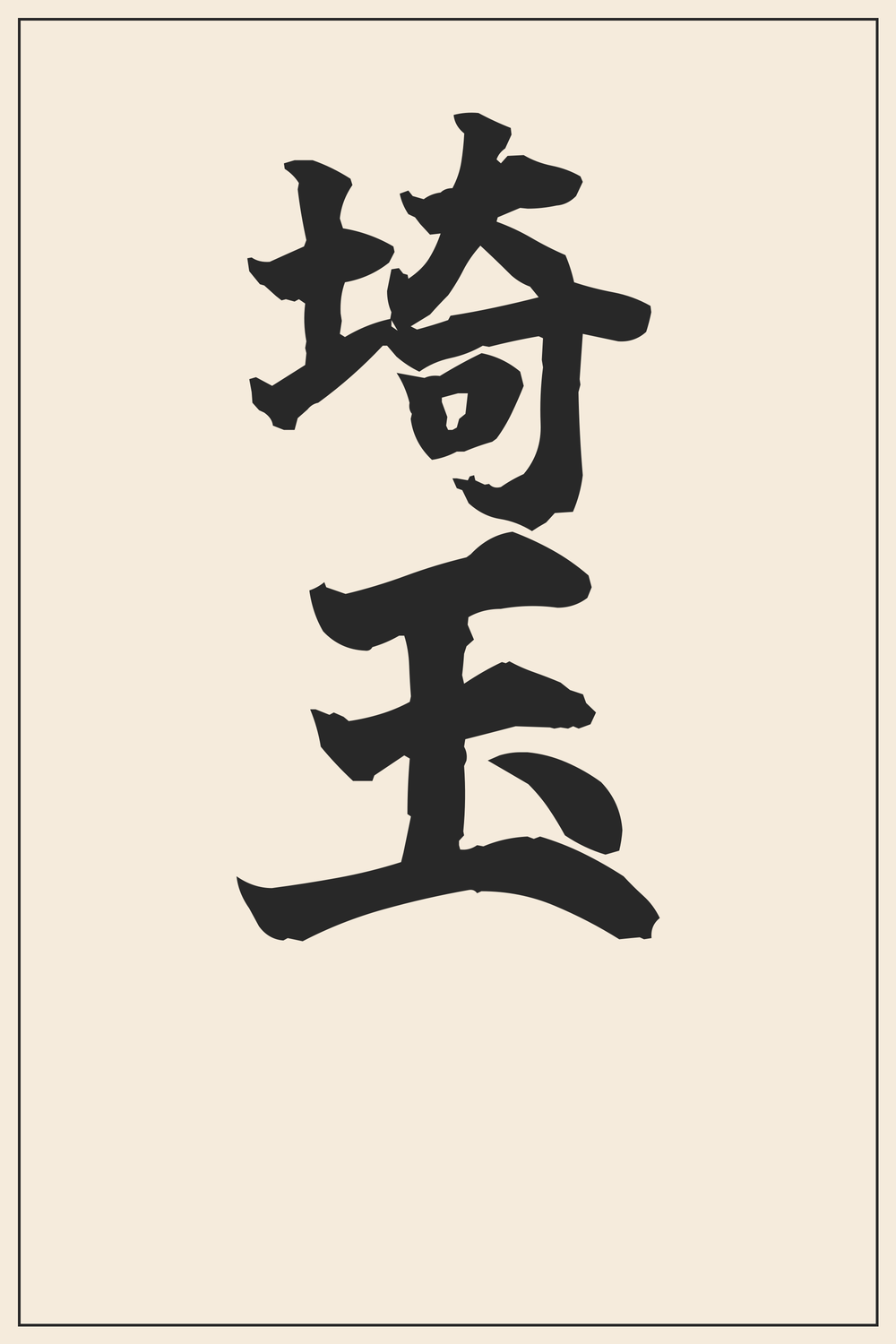
The Kanji “埼玉” embodies the spirit and geography of one of Japan’s vibrant prefectures. It represents a connection to a region rich in history and natural beauty, just north of Tokyo.
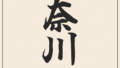
The atmosphere of a Kanji character changes dramatically depending on the font style. A character that looks elegant in a brush style might look bold and modern in a different font.
Recommendation:
Since a tattoo is permanent, we strongly recommend comparing various font styles beyond what is shown here. Use our designs as a trusted reference for the correct structure, but feel free to explore different artistic variations to find the perfect match for your vision.
The Deep Meaning Behind 埼玉
The name “Saitama” is believed to derive from the ancient “Sakitama-no-Miya” shrine or “Sakitamago-go” village in what is now Gyōda City, Saitama. The character 埼 (saki) refers to a cape or promontory, possibly referencing geographical features, while 玉 (tama) means jewel or sphere, potentially related to sacred objects or the nearby Tama River.
Saitama Prefecture, located in the Kanto region, has a long and storied history, serving as an important agricultural and transportation hub throughout various eras. Its proximity to Tokyo has fostered a unique blend of urban development and preserved natural landscapes, making it a significant cultural and economic area.
Kanji Breakdown
The kanji comprising Saitama offer insight into its geographical and historical roots.
Meaning: Cape, promontory.
Explanation: This character combines the radical 土 (do/tsuchi), meaning “earth” or “soil,” with 奇 (ki/kewashii), meaning “strange” or “unusual,” which here acts as a phonetic component suggesting a jutting or prominent piece of land.
Meaning: Jewel, gem, sphere.
Explanation: This character is a pictograph depicting strings of ancient beads or jewels, symbolizing something precious or spherical. In the context of “Saitama,” it might refer to the abundance of precious stones or a specific sacred jewel associated with the region.
Conclusion
“埼玉” profoundly symbolizes Saitama Prefecture, representing its geographical features like prominent landforms and its historical association with precious elements. It embodies a sense of place and regional identity.
For those with ties to this vibrant region, a “埼玉” tattoo can be a meaningful homage, a permanent mark of connection to its rich heritage and the unique spirit of Saitama.
Comments