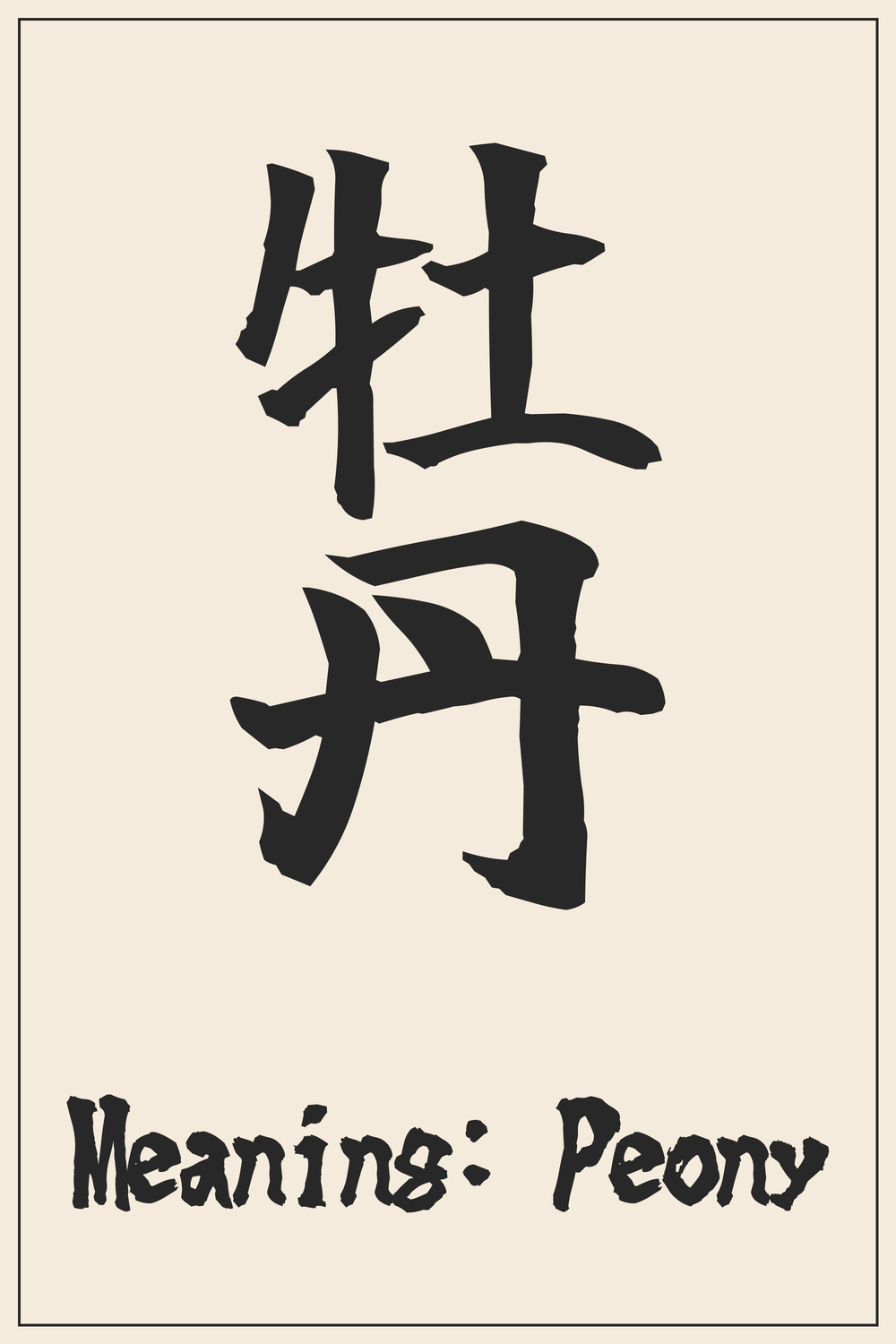
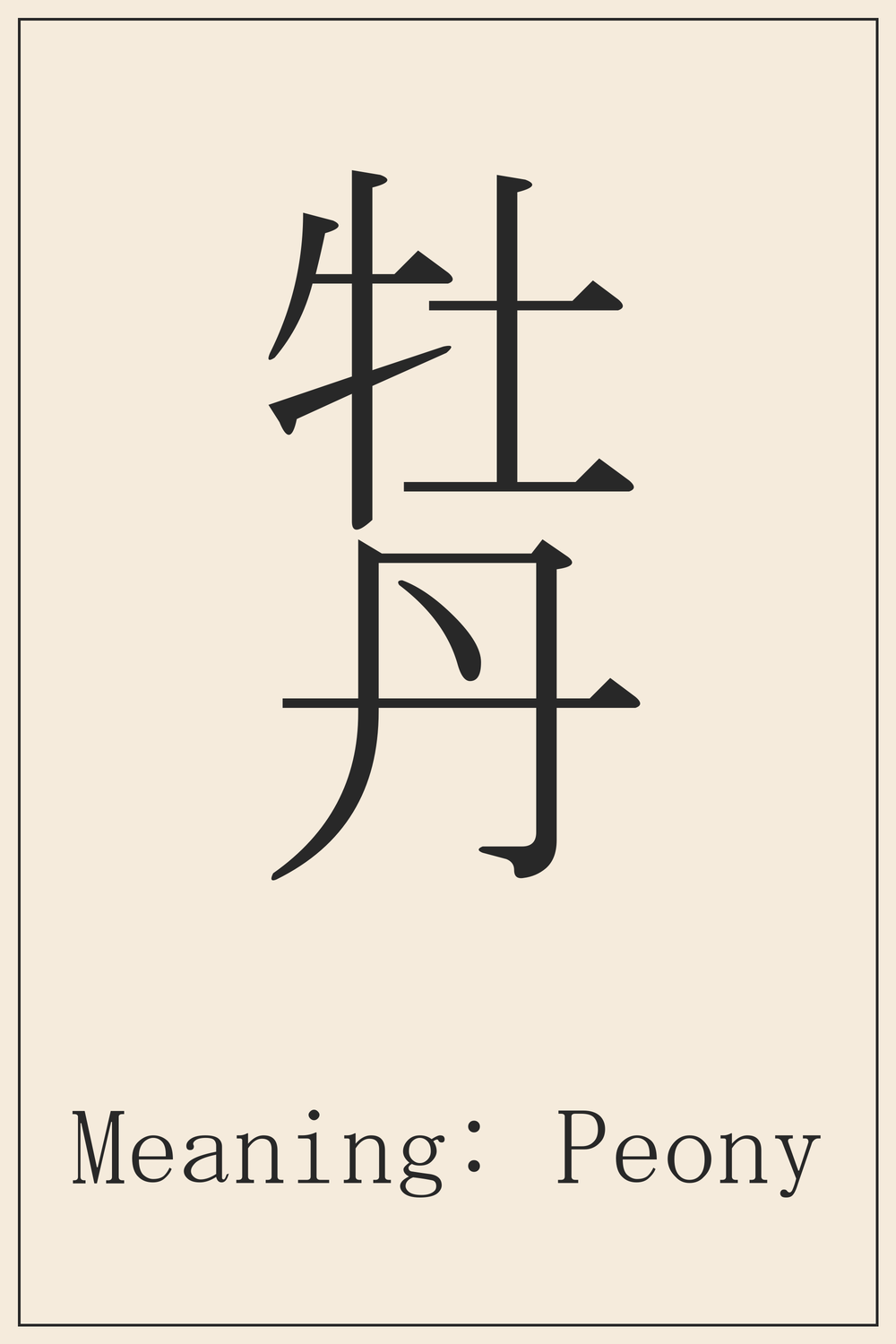
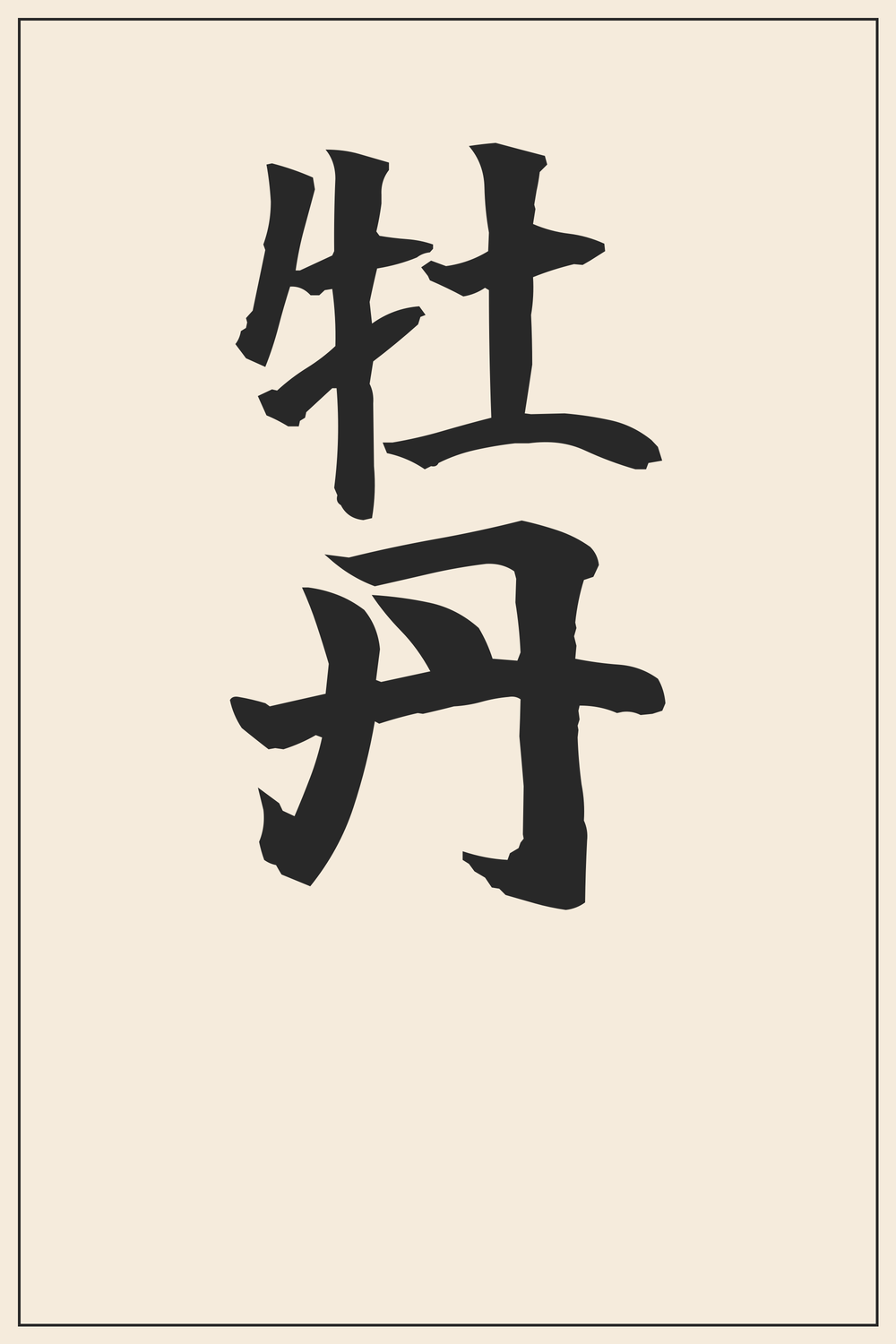
The Kanji for Peony, 牡丹, embodies majestic beauty and deep cultural significance in East Asia. It represents not just a flower, but a symbol of wealth, honor, and imperial elegance.
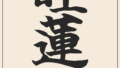
The atmosphere of a Kanji character changes dramatically depending on the font style. A character that looks elegant in a brush style might look bold and modern in a different font.
Recommendation:
Since a tattoo is permanent, we strongly recommend comparing various font styles beyond what is shown here. Use our designs as a trusted reference for the correct structure, but feel free to explore different artistic variations to find the perfect match for your vision.
The Deep Meaning Behind 牡丹
The peony, 牡丹 (botan), originated in China and was introduced to Japan during the Nara period. Revered as the ‘King of Flowers,’ its opulent blooms quickly captivated Japanese aristocracy and artists, becoming a prominent motif in literature, poetry, and art.
In Japanese culture, the peony symbolizes wealth, prosperity, good fortune, and honor. Its grand, delicate petals and vibrant colors also associate it with beauty, nobility, and bravery. Often depicted alongside lions or phoenixes, it signifies a powerful and regal presence.
Kanji Breakdown
The compound 牡丹 (Botan) is composed of two characters, each contributing to its overall meaning and imagery.
Meaning: Male; ram; bull. In the context of 牡丹, 牡 (bo) acts primarily as a phonetic component. However, it can also subtly evoke the peony’s robust and magnificent presence, much like a strong male animal.
Meaning: Red earth; cinnabar; vermilion. 丹 (tan) vividly references the vibrant, often reddish or deep pink hues characteristic of many peony varieties, enhancing the flower’s association with richness and allure.
Conclusion
The Kanji 牡丹 is more than just a depiction of a flower; it is a profound symbol of imperial beauty, abundant prosperity, and high honor. Its presence in Japanese art and tradition underscores its significance as a harbinger of good fortune and noble characteristics.
Choosing 牡丹 for a tattoo is an elegant declaration of admiration for these virtues. It serves as a beautiful and meaningful emblem, reflecting a desire for success, respect, and enduring splendor in one’s life.
Comments