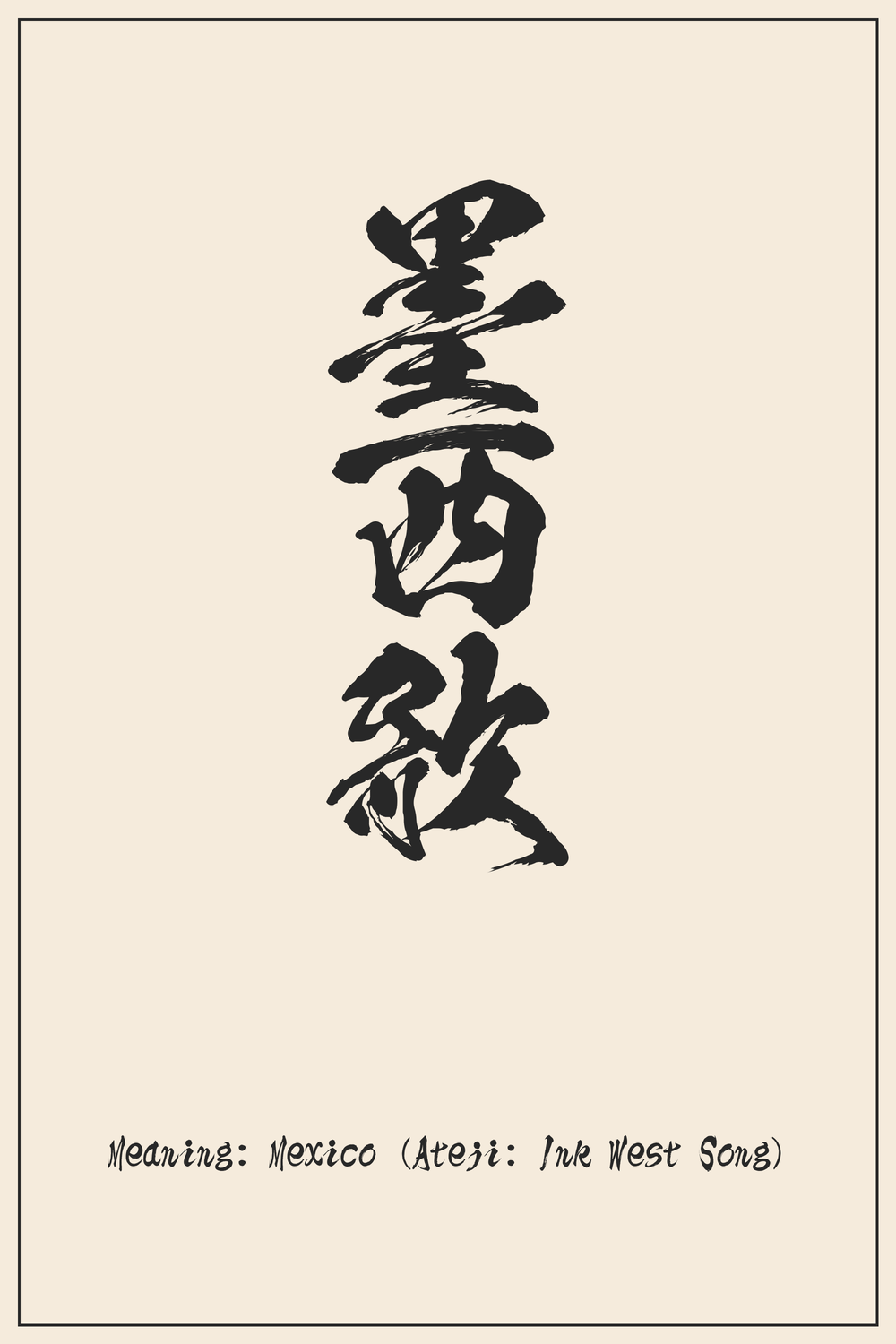
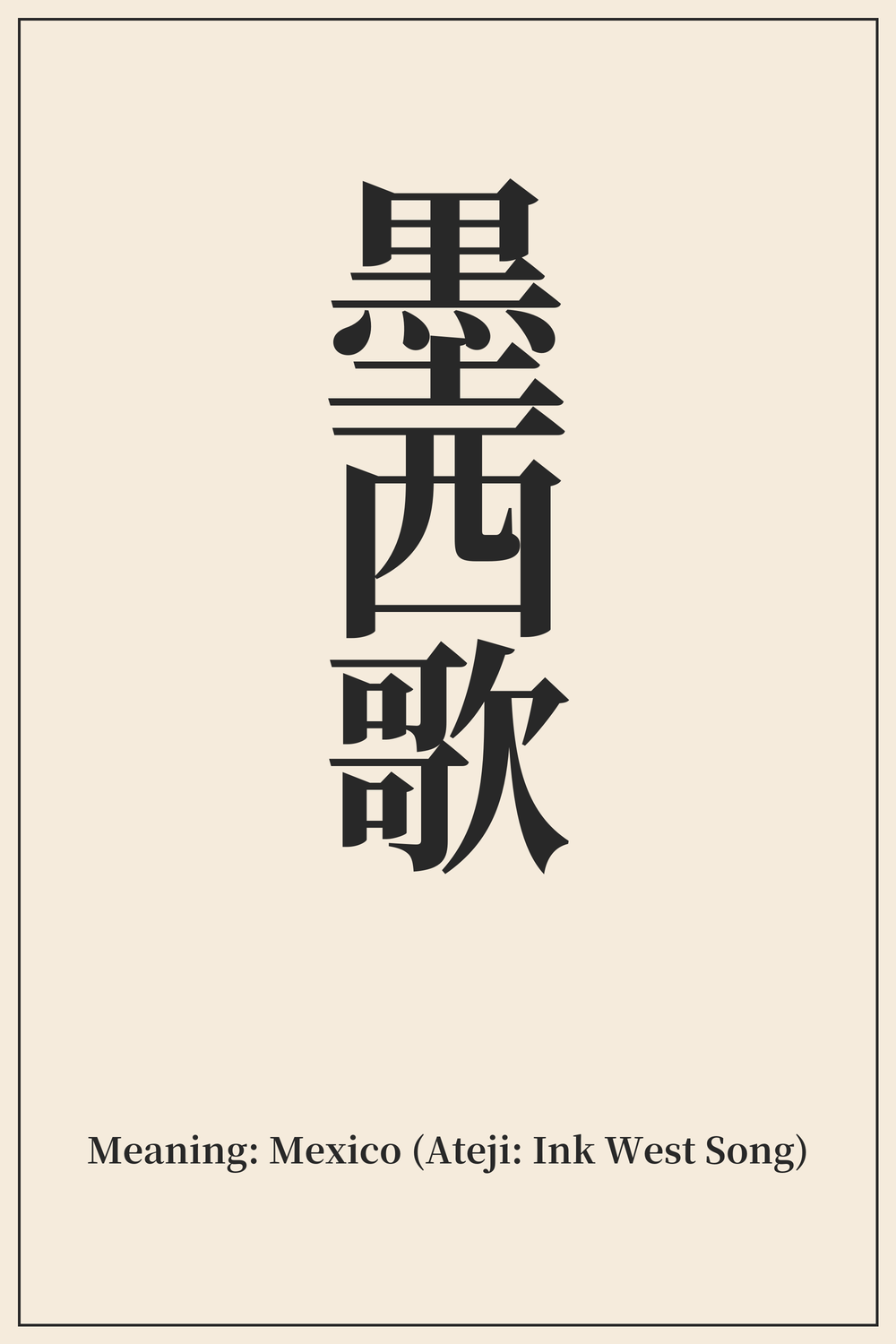
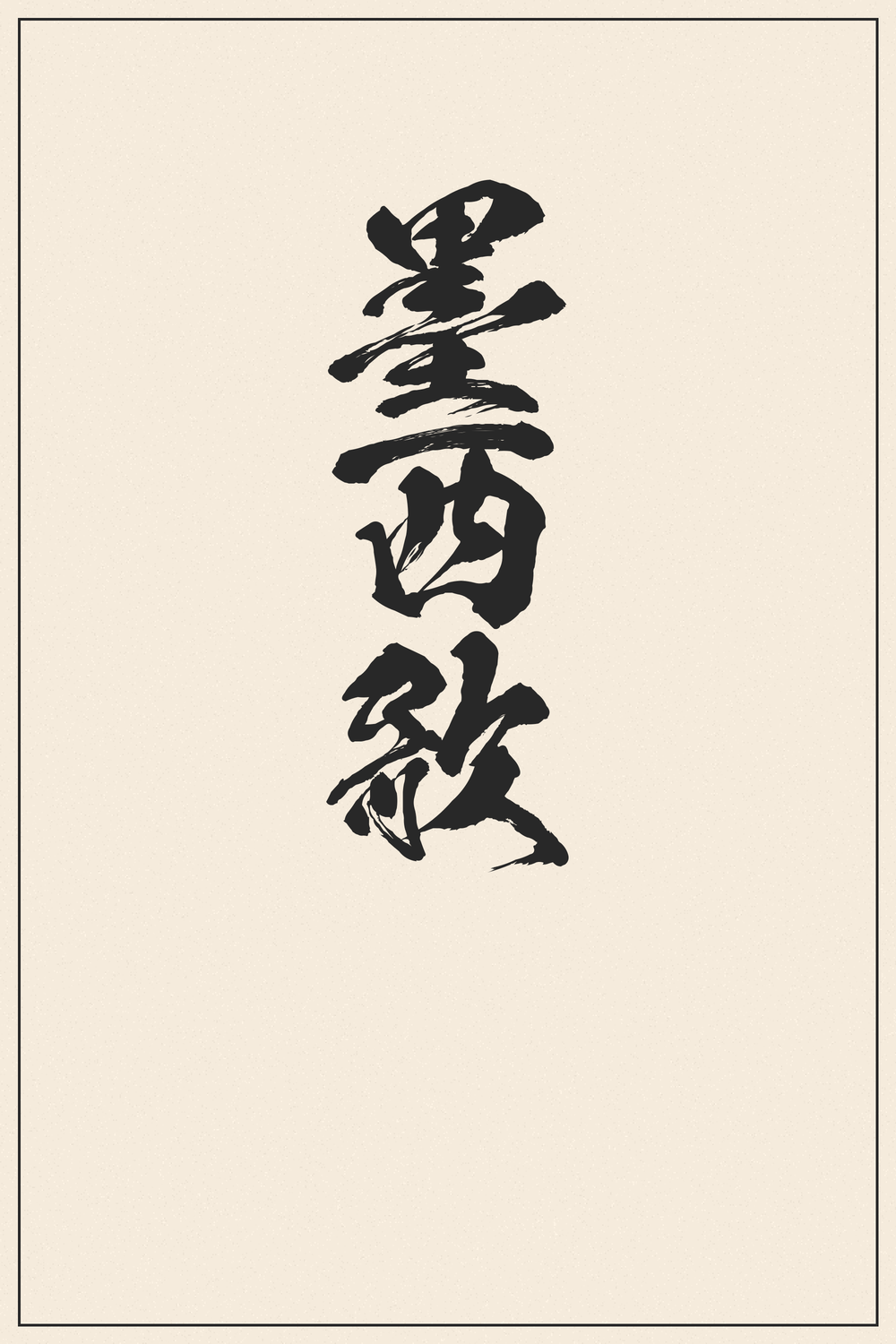
The Kanji for ‘Mexico’ offers a fascinating glimpse into how Japanese language adapts foreign names. Composed of characters chosen for their phonetic sounds, it’s a prime example of Ateji, where meaning is secondary to pronunciation.
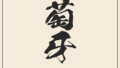
The atmosphere of a Kanji character changes dramatically depending on the font style. A character that looks elegant in a brush style might look bold and modern in a different font.
Recommendation: Since a tattoo is permanent, we strongly recommend comparing various font styles beyond what is shown here. Use our designs as a trusted reference for the correct structure, but feel free to explore different artistic variations to find the perfect match for your vision.
The Deep Meaning Behind Mexico (墨西歌)
The Kanji 墨西歌 (Mekishiko) is an example of Ateji (当て字), where characters are chosen primarily for their phonetic values rather than their literal meanings. In this case, 墨 (Boku), 西 (Sei), and 歌 (Ka) are used to approximate the sounds of the foreign name ‘Mexico’.
Historically, Japan adopted many foreign terms and names by transliterating them into Kanji. This practice reflects a rich cultural interaction, where new concepts were integrated into the existing linguistic framework, often resulting in unique and sometimes amusing literal interpretations like ‘Ink West Song’.
Kanji Breakdown
Each character in 墨西歌 contributes to its phonetic representation, while carrying its own distinct individual meaning.
Meaning: Ink. This character is composed of 黒 (black) and 土 (earth), reflecting the dark, earthy materials used to make traditional ink. For ‘Mexico’, it is used phonetically for the ‘Me’ sound.
Meaning: West. The ancient form of this character is often associated with a bird’s nest or a place of rest, eventually acquiring the meaning of a cardinal direction. In ‘Mekishiko’, it is used to represent the ‘Kishi’ sound.
Meaning: Song, sing. This character combines 哥 (an older form of ‘song’ or ‘elder brother’, used phonetically) and 欠 (yawn, mouth opening), suggesting the act of vocalizing. It provides the ‘Ko’ sound for ‘Mexico’.
Conclusion
The Kanji for ‘Mexico’, 墨西歌 (Mekishiko), is a vivid illustration of Ateji, a phonetic adaptation rather than a literal translation. While its direct meaning, ‘Ink West Song’, is whimsical, its true significance lies in its historical role as a representation of a global culture within the Japanese language.
For those considering this Kanji for a tattoo, its value is primarily cultural and phonetic. It’s a unique way to honor Mexico through the lens of Japanese linguistic tradition. However, its literal meaning does not carry profound philosophical depth, so it is best chosen for its connection to place and cultural interplay.
Comments