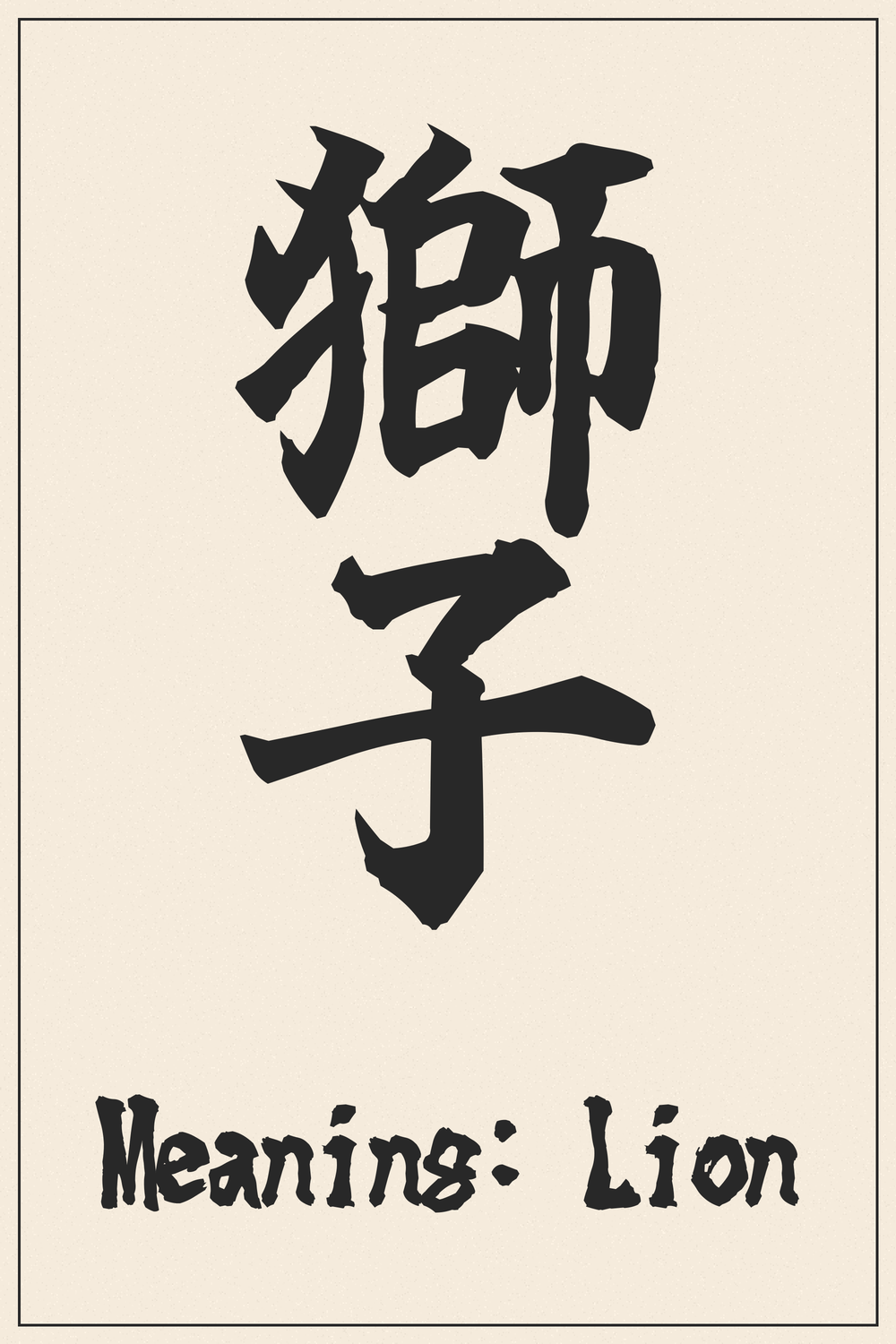
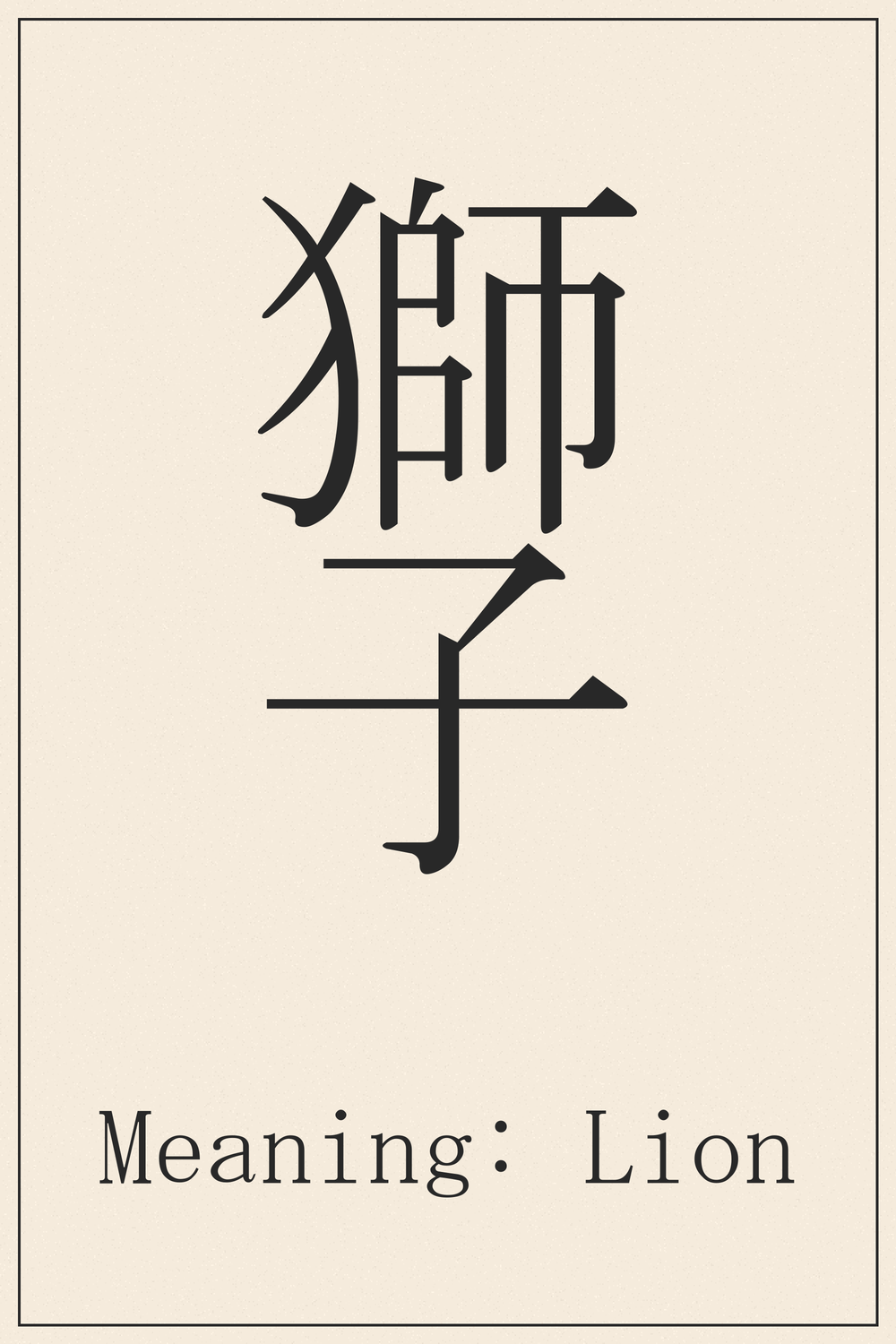
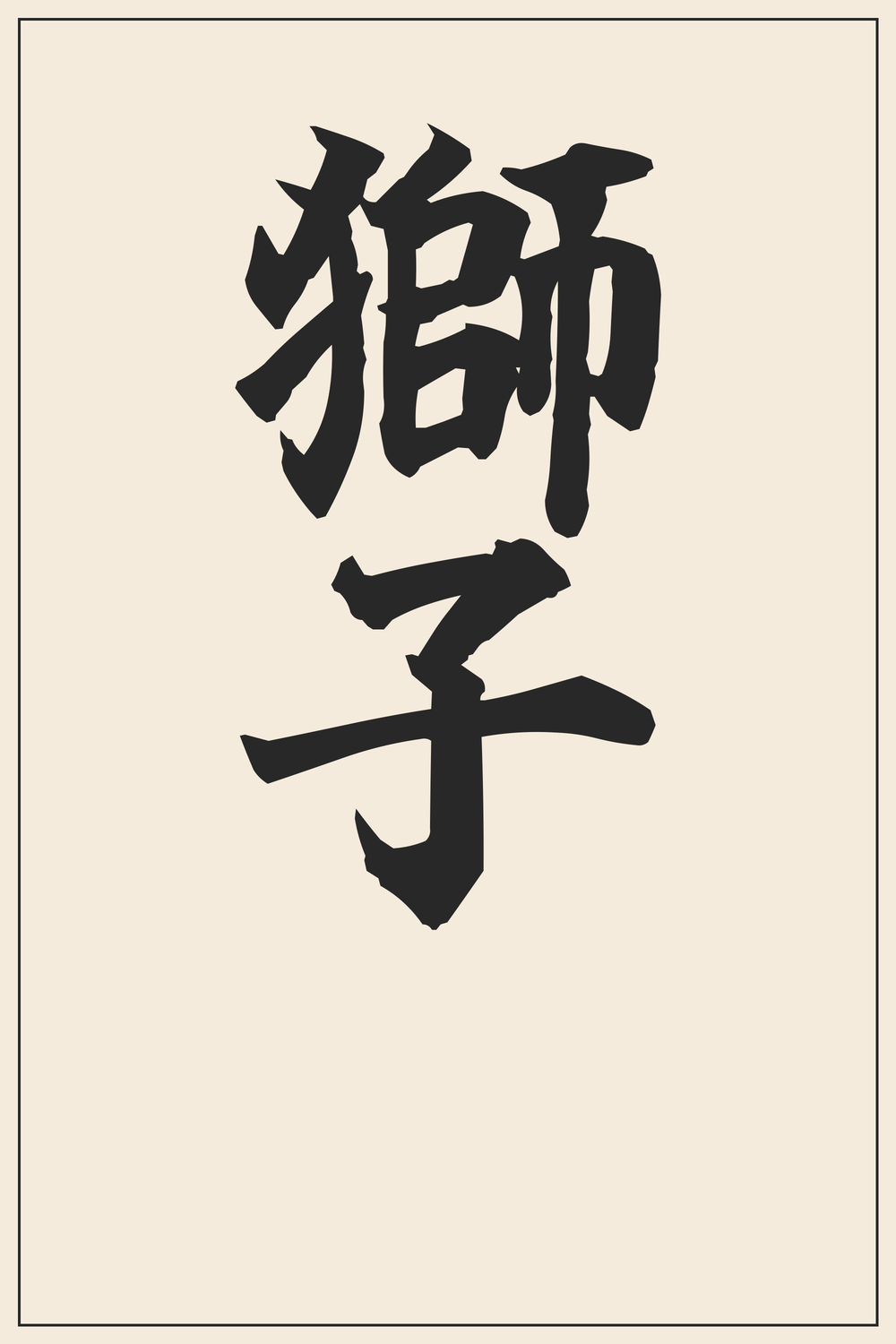
The Kanji 獅子 embodies the majestic power and formidable presence of the lion. It is a symbol revered across cultures for its strength, courage, and regal bearing.
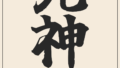
The atmosphere of a Kanji character changes dramatically depending on the font style. A character that looks elegant in a brush style might look bold and modern in a different font.
Recommendation:
Since a tattoo is permanent, we strongly recommend comparing various font styles beyond what is shown here. Use our designs as a trusted reference for the correct structure, but feel free to explore different artistic variations to find the perfect match for your vision.
The Deep Meaning Behind 獅子
The term 獅子 (Shishi) refers to the lion, an animal not native to Japan but introduced through cultural exchanges, particularly from China. The characters themselves are believed to be phonetic transcriptions and semantic associations from foreign words for lion, evolving over centuries to form this powerful compound.
In Japanese culture, the ‘shishi’ is more than just a wild animal; it’s a mythical creature, often depicted as a protector. It appears prominently as ‘komainu’ (guardian lion-dogs) at Shinto shrines and Buddhist temples, warding off evil. The vibrant Shishimai (lion dance) is a traditional performance symbolizing good fortune and expelling malevolent spirits.
Kanji Breakdown
The compound 獅子 is formed from two characters, both contributing to its profound meaning.
Meaning: This character specifically denotes ‘lion.’ It incorporates the radical 犭 (kemonoben), signifying ‘beast’ or ‘animal,’ combined with 師 (shi), which suggests ‘master’ or ‘teacher,’ implying a creature of superior status or strength.
Meaning: While often meaning ‘child’ or ‘son,’ in compound animal names like 獅子, 子 acts as a suffix or an integral part of the word, not necessarily modifying ‘lion’ to mean ‘cub.’ It completes the established term for the majestic creature.
Conclusion
The Kanji 獅子 is a powerful emblem of courage, strength, and protection, deeply embedded in Japanese folklore and artistry. It symbolizes the ability to overcome adversity and stands as a guardian against negative forces.
Choosing 獅子 for a tattoo is a declaration of your inner strength and a connection to a rich tradition of powerful symbolism. Its intricate design warrants a skilled artist and thoughtful placement to honor its majestic essence.
Comments