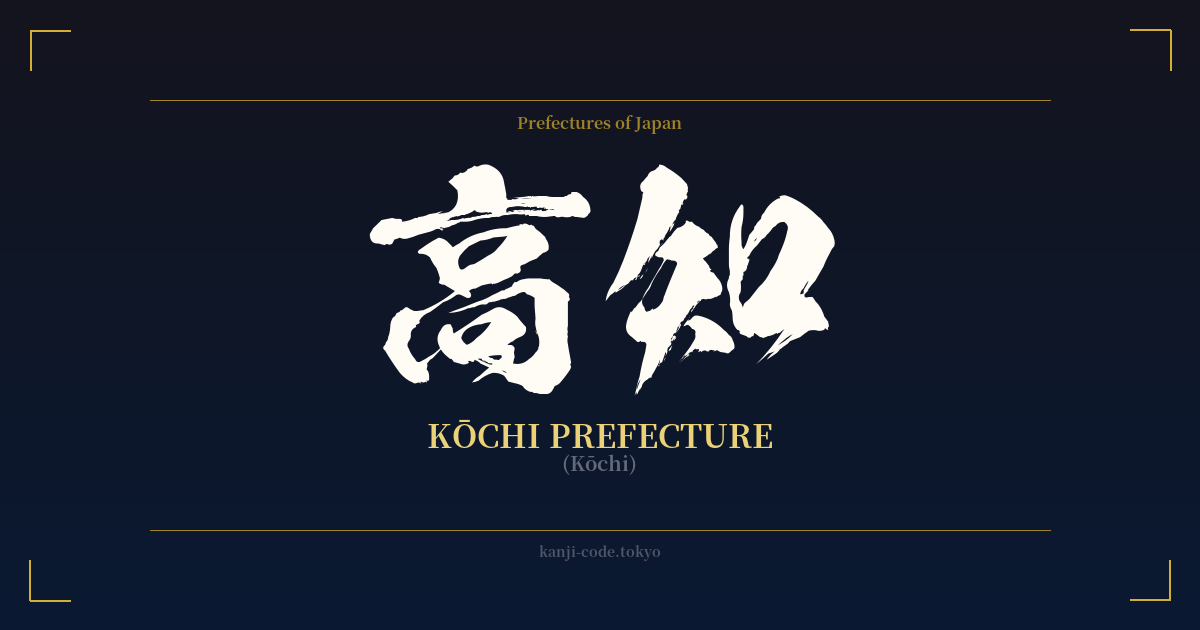
✍️ 高知 (Kōchi) — Cultural Context
The kanji 高知 (Kōchi) refers to a prefecture on the southern coast of Shikoku, one of Japan's four main islands. Facing the vast Pacific Ocean, Kōchi is a land of rugged mountains, pristine rivers, and a fiercely independent spirit, a character forged by its relative isolation and history.
Historically, the area was known as Tosa Province (土佐国). During the Edo period (1603-1868), it was a powerful domain ruled by the Yamauchi clan from their stronghold, Kōchi Castle. The name 高知 itself is said to have originated with the castle's construction. The hill it was built on was called Ōtakasaka (大高坂), meaning 'large high slope.' A Zen priest suggested changing the name, and 高知, meaning 'high knowledge,' was chosen for its auspicious connotations.
Kōchi's most indelible mark on Japanese history comes from its role in the Bakumatsu, the turbulent final years of the shogunate. The prefecture is the birthplace of one of Japan's most revered heroes, Sakamoto Ryōma (坂本龍馬). A low-ranking samurai with visionary ideas, Ryōma played a pivotal role in brokering alliances and drafting plans that led to the Meiji Restoration, effectively ending feudalism and modernizing Japan.
This history has imbued the people of Kōchi with a reputation for being headstrong, progressive, and anti-authoritarian, a temperament often described as 'Tosa-ippon-ki' (土佐一本気), meaning singularly focused or stubborn. They are known for their love of lively debate, hearty food, and strong drink, with a local culture that values sincerity and gutsiness.
The natural landscape is central to Kōchi's identity. It is home to the Shimanto River, famously called 'the last clear stream of Japan' due to its lack of large-scale dams. Its dramatic coastline features capes that jut out into the Pacific, while over 80% of its land is covered in forest. This environment supports a rich agricultural and fishing industry, renowned for its yuzu citrus, ginger, and skipjack tuna (katsuo), which is famously seared and served as 'katsuo no tataki.'
To understand 高知 is to understand a place defined by its dramatic geography and the rebellious, forward-thinking spirit of its people, forever linked to the legacy of Sakamoto Ryōma and the dawn of modern Japan.
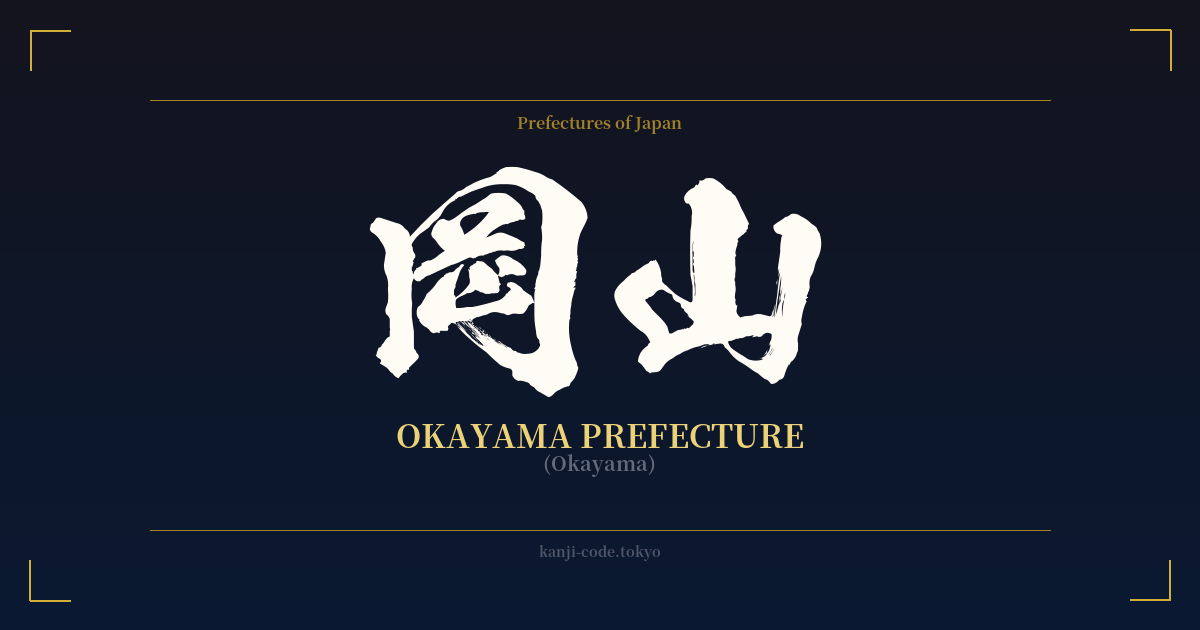
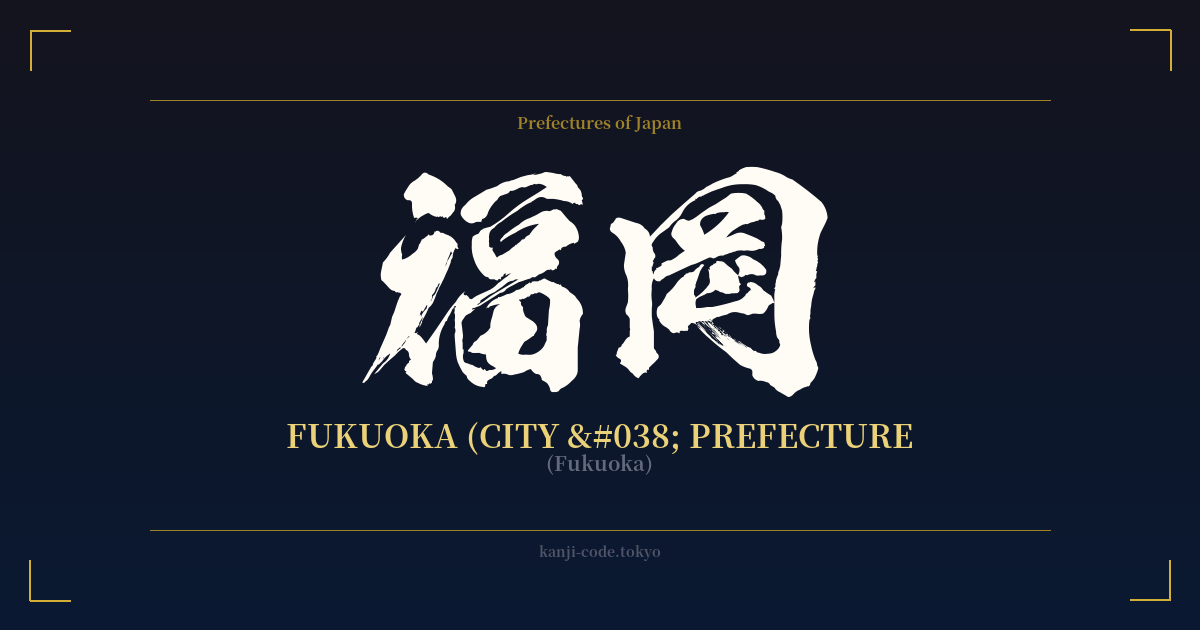
🖌️ Font Styles for 高知
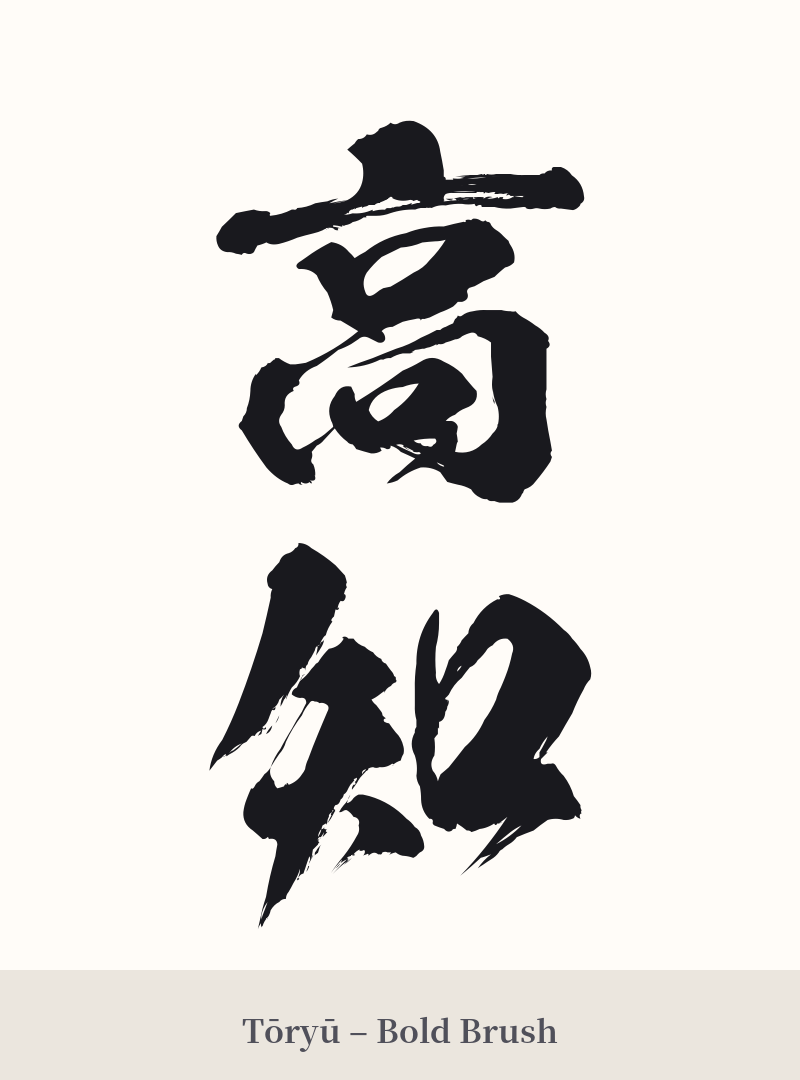
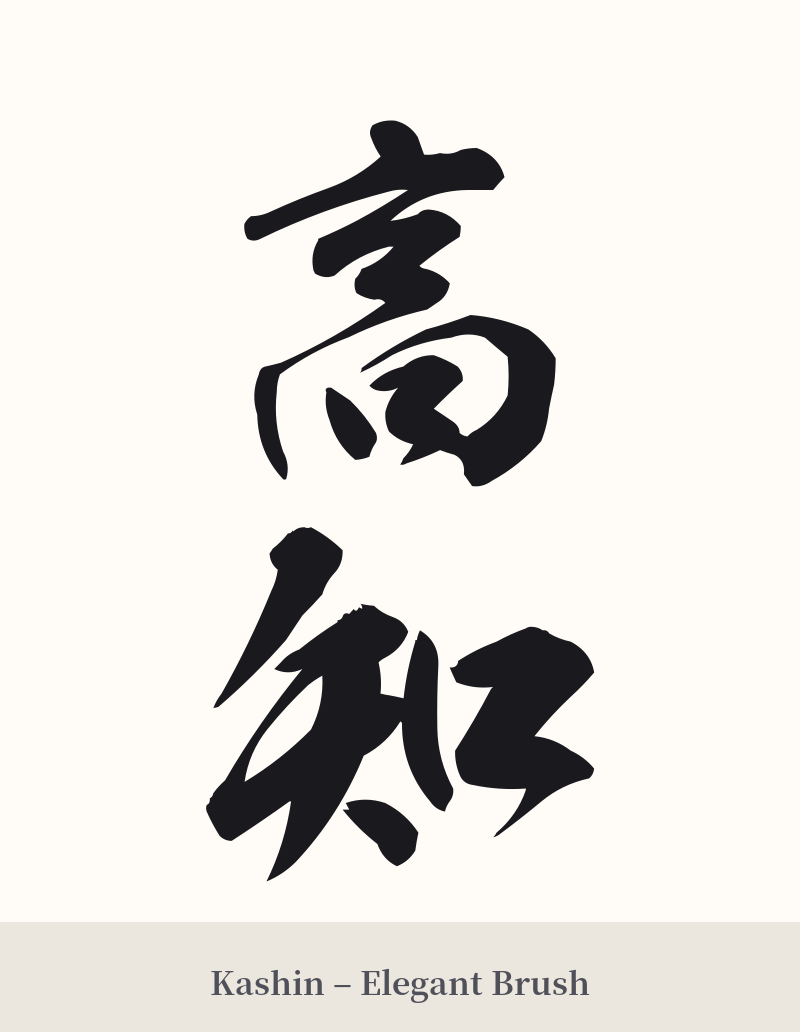
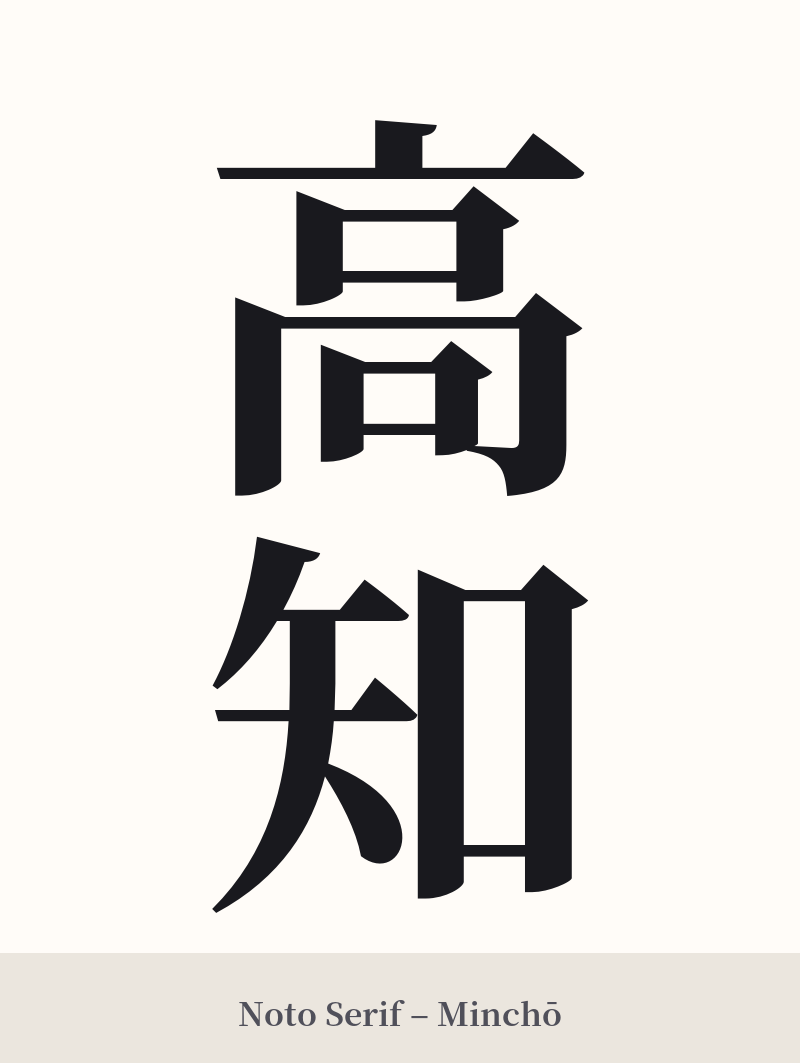
The same kanji can look dramatically different depending on the calligraphy style. Choose a font that matches the mood you want for your tattoo or design.
🎨 Tattoo Suitability
📐 Tattoo Design Guide
For a tattoo of 高知, the design should reflect the region's spirited and natural character. Since it's a proper noun, context and style are everything.
– Placement: Vertical alignment works beautifully for two-character kanji. Consider the forearm, the calf, or along the spine to create a strong, linear statement.
– Font Style: A bold, semi-cursive calligraphy style (gyōsho) can capture the energetic and rebellious spirit of the Tosa people. Avoid overly clean, blocky fonts which can make it look like a generic label. A rough, powerful brushstroke effect would be very fitting.
– Complementary Imagery: To add depth, consider incorporating elements symbolic of Kōchi. Waves of the Pacific Ocean, a silhouette of Kōchi Castle, a sprig of yuzu, or even a subtle reference to Sakamoto Ryōma (like his family crest) can transform the design from a simple name into a personal narrative.
Comments