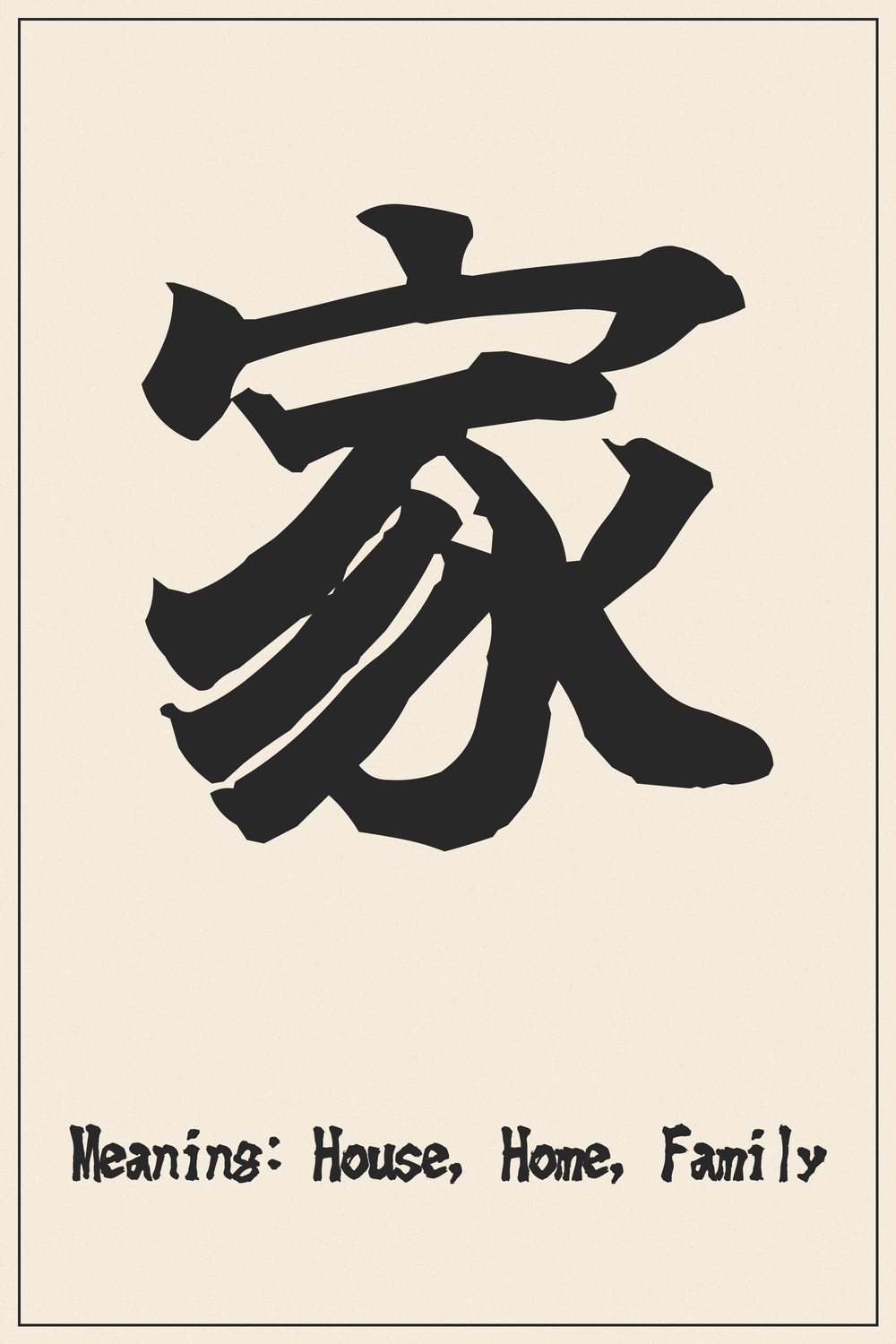
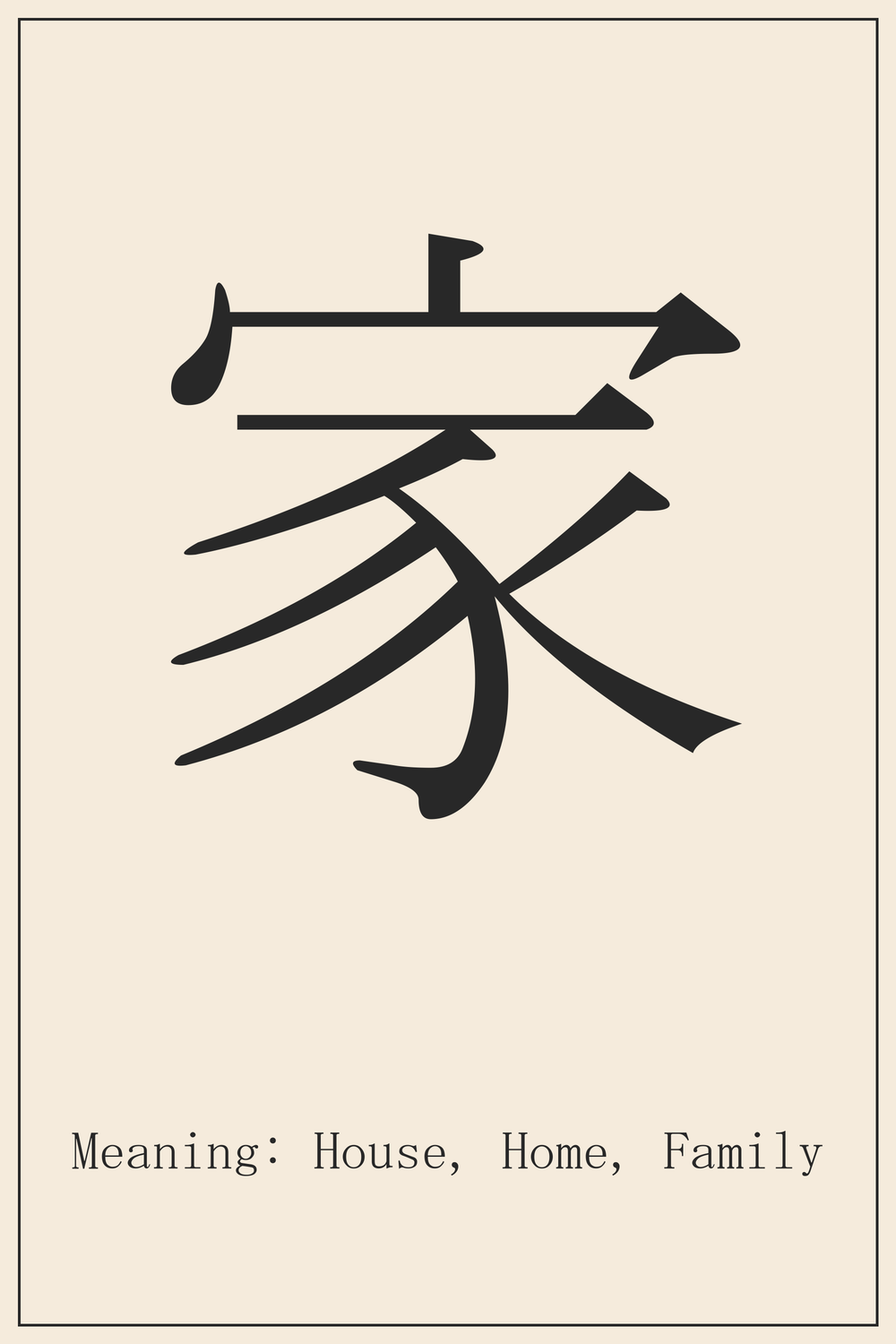
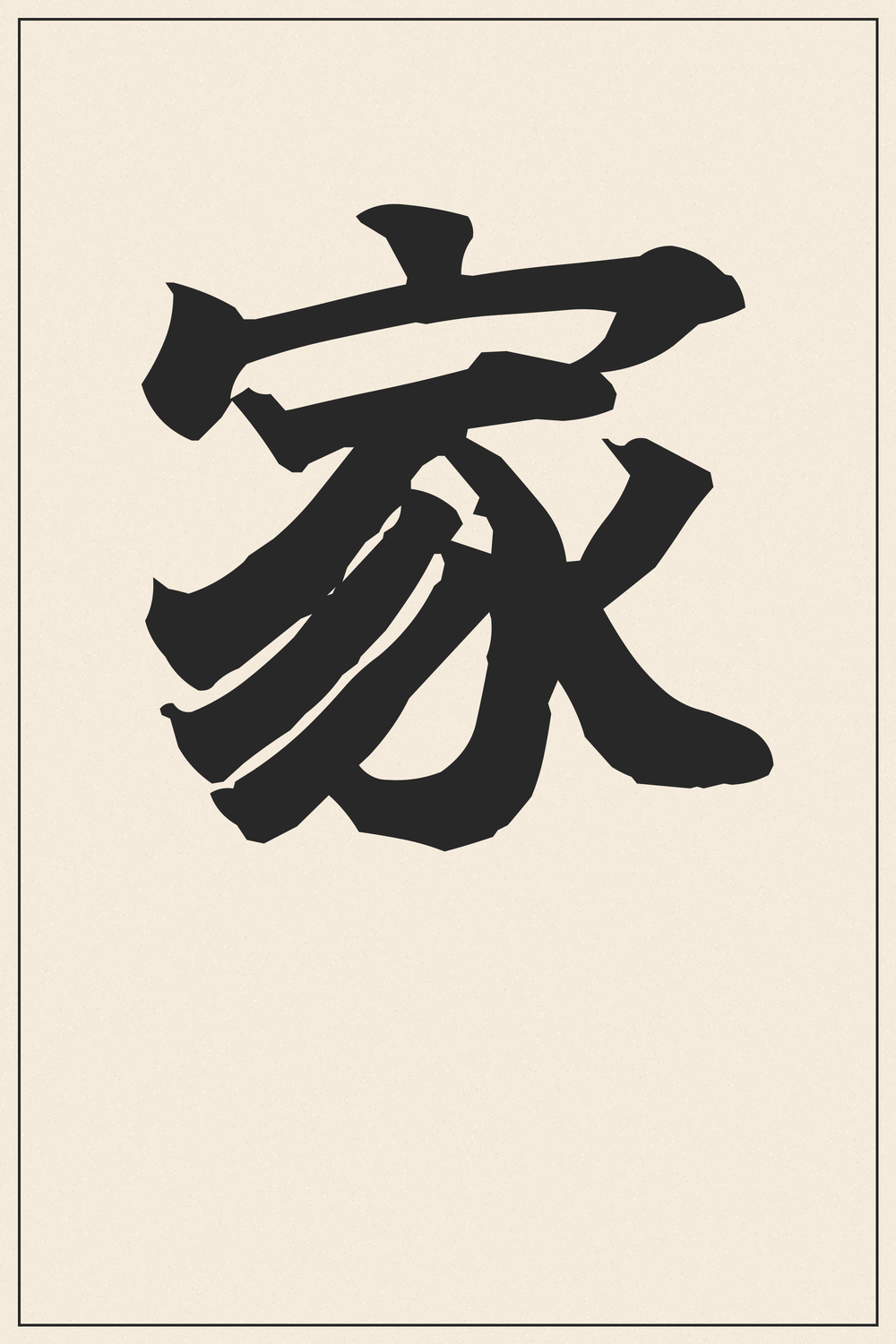
The Kanji ‘家’ (Ie/Ka) encapsulates more than just a physical dwelling; it represents the profound concepts of home, family, and lineage. It serves as a powerful symbol of belonging and cultural heritage, resonating deeply within Japanese society and beyond.
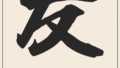
The atmosphere of a Kanji character changes dramatically depending on the font style. A character that looks elegant in a brush style might look bold and modern in a different font.
Recommendation:
Since a tattoo is permanent, we strongly recommend comparing various font styles beyond what is shown here. Use our designs as a trusted reference for the correct structure, but feel free to explore different artistic variations to find the perfect match for your vision.
The Deep Meaning Behind 家
The Kanji ‘家’ (Ie/Ka) holds a profound significance that extends far beyond its literal translation of ‘house’. It embodies the concepts of home as a sanctuary, the enduring bonds of family, and the continuity of a lineage. This character deeply reflects the foundational values of unity and belonging in Japanese culture.
In Japan, ‘家’ often refers not just to a physical structure but to the entire household or family unit, including its history and future generations. It encapsulates the traditions, responsibilities, and collective identity passed down through time, making it a powerful symbol of heritage and connection.
Kanji Breakdown
The character ‘家’ is composed of two primary elements, each contributing to its rich meaning.
Meaning: This radical, known as ukanmuri, represents a ‘roof’ or ‘shelter’. It symbolizes protection, dwelling, and the physical space of a home.
Meaning: This component, inoko or buta, means ‘pig’. In ancient China, pigs were often kept under or near the house, symbolizing sustenance, property, and a stable, prosperous household.
Conclusion
The Kanji ‘家’ elegantly combines the concept of a physical dwelling with the invaluable essence of family and belonging. It stands as a timeless representation of where one comes from, the people who shape them, and the comfort of a true home.
Choosing ‘家’ for a tattoo is a heartfelt way to honor your family, heritage, and the sanctuary of your home. To ensure the character’s clarity and beauty endure, consider a medium to large size, allowing its strokes to be etched with precision and distinction.
Comments