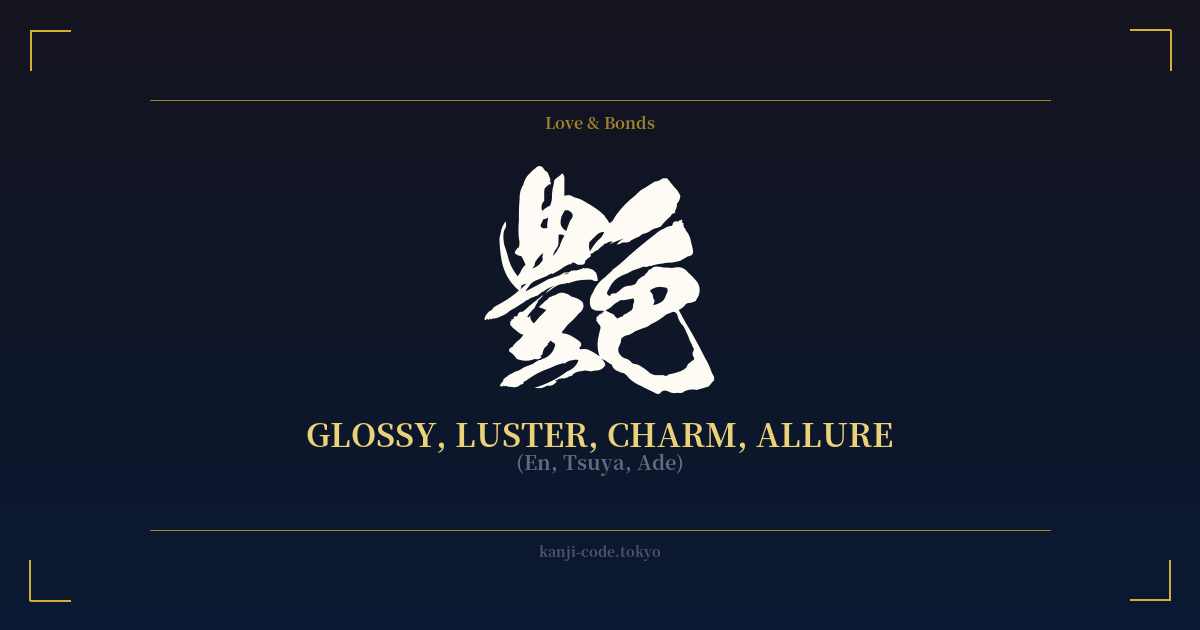
✍️ 艶 (En, Tsuya, Ade) — Cultural Context
The kanji 艶 is a profound and multifaceted character that captures a uniquely Japanese aesthetic, bridging the gap between physical appearance and intangible charisma. Its meanings can be split into two main readings: 'tsuya' and 'ade'.
As 'tsuya' (艶), it refers to a physical quality: gloss, luster, or sheen. This is the deep, rich shine on a piece of lacquered tableware, the wet gleam of a polished stone in a garden, or, most classically, the healthy luster of beautiful black hair (黒髪の艶, kurokami no tsuya). This isn't just any shine; it implies richness, depth, and excellent quality. It suggests something has been well-cared-for, polished, and brought to its peak condition. This physical glossiness is a fundamental component of traditional Japanese beauty standards.
As 'ade' (艶), the character transcends the physical and enters the realm of human allure. It describes a captivating charm, a mature sex appeal, and an enchanting quality that is both sophisticated and slightly mysterious. This is not the innocent prettiness of 'kawaii' but rather the seasoned, confident charm of an adult. It’s the alluring glance of a geisha, the magnetic stage presence of a kabuki actor, or the quiet, irresistible grace of a confident woman. This meaning is deeply connected to romance, passion, and the world of love affairs, often appearing in classical literature like 'The Tale of Genji' to describe an individual's irresistible magnetism.
The character's composition beautifully illustrates this dual meaning. It is formed from 豊 (hō, yutaka), meaning 'abundant' or 'rich,' and 色 (shoku, iro), meaning 'color.' In Japanese culture, 'iro' does not just mean color; it is also a powerful euphemism for sensuality, eroticism, and romance. Therefore, 艶 literally means an 'abundance of color,' perfectly capturing the idea of a person or object that is so rich in charm and beauty that it radiates an irresistible aura.
To understand 艶 is to appreciate a beauty that is more than skin deep. It is a quality that is cultivated, polished, and emanates from a place of depth and richness, whether it's the surface of an art object or the soul of a person.
🖌️ Font Styles for 艶
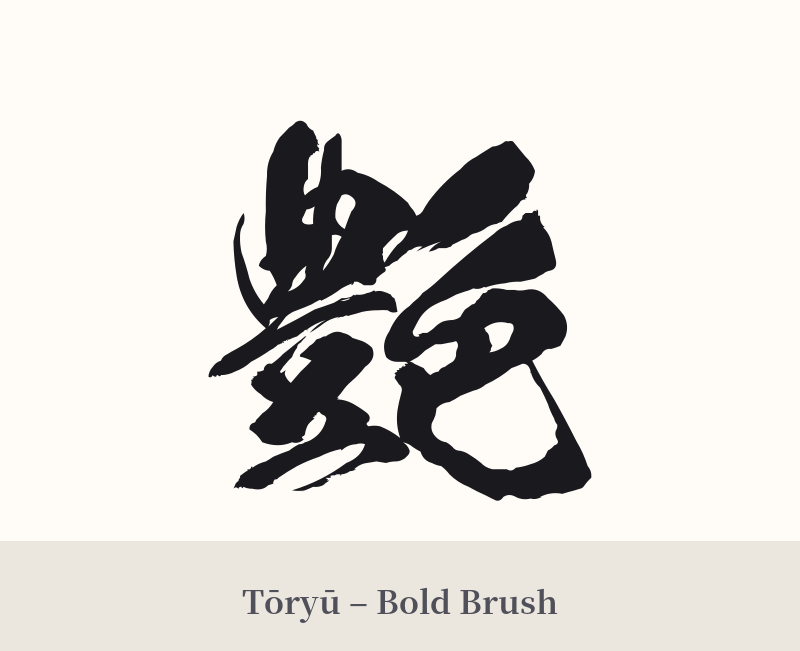
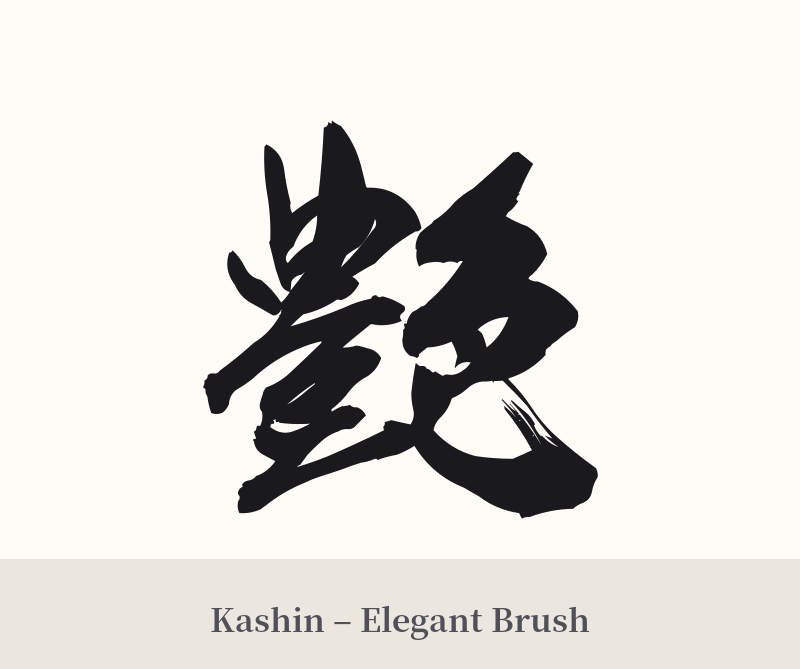
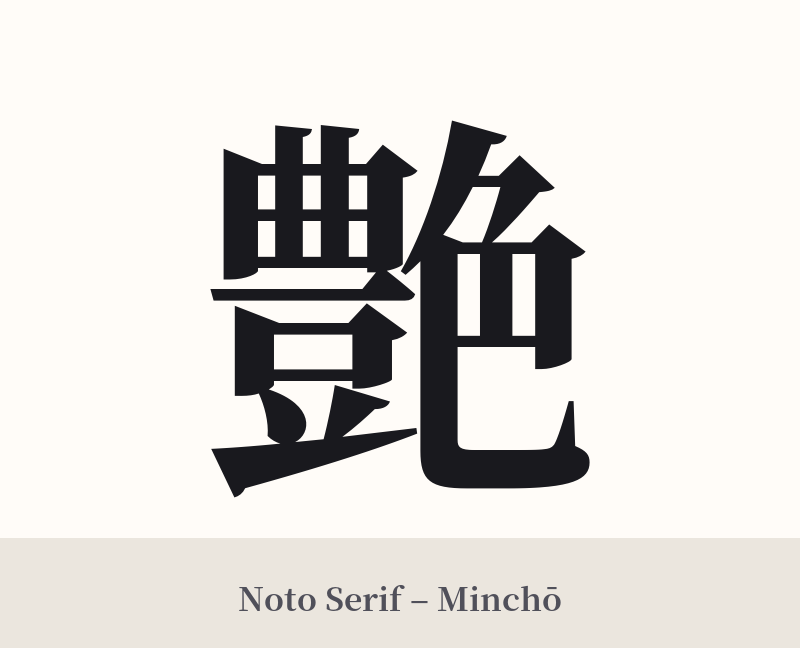
The same kanji can look dramatically different depending on the calligraphy style. Choose a font that matches the mood you want for your tattoo or design.
🎨 Tattoo Suitability
📐 Tattoo Design Guide
A tattoo of 艶 works best when the design choices amplify its inherent elegance and allure.
– Placement: Consider areas that are themselves considered graceful or can be subtly revealed. The nape of the neck, the curve of the shoulder blade, along the spine, or on the inner forearm are excellent choices that play with the theme of sophisticated charm.
– Font Style: A flowing, semi-cursive (gyōsho) or cursive (sōsho) calligraphy style is highly recommended. These styles emphasize movement and elegance, mirroring the kanji's meaning of allure. For a bolder, more grounded statement, a classic, sharp Kaisho or Mincho font can also be effective, highlighting the character's intricate structure.
– Visual Tips: Because of its complexity, 艶 stands beautifully on its own. However, it can be paired with subtle elements that enhance its meaning. Consider adding a single, elegant camellia flower (tsubaki), a wisp of smoke, or a few falling cherry blossom petals to frame the character and add a layer of poetic context.
Comments