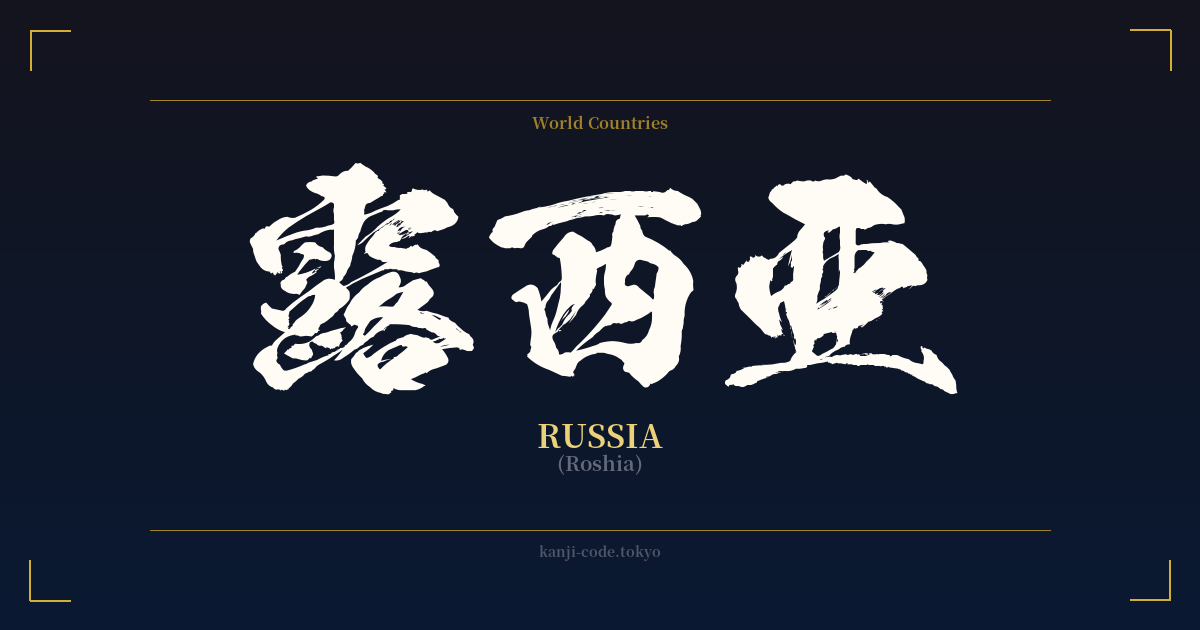
✍️ 露西亜 (Roshia) — Contexto cultural
El término 露西亜 (Roshia) ofrece una fascinante perspectiva de un período específico de la historia japonesa, en particular la era Meiji (1868-1912). Durante este tiempo, Japón se abría rápidamente al mundo y necesitaba formas de escribir nombres y conceptos extranjeros. La solución solía ser el ateji, la práctica de utilizar caracteres kanji por su sonido fonético en lugar de por su significado.
露西亜 es un ejemplo clásico de ateji. Los caracteres se eligieron para aproximarse fonéticamente al sonido de "Rusia". 露 proporciona el sonido "Ro", 西 el sonido "shi" y 亜 el sonido "a" final. Si bien los caracteres individuales significan "rocío", "oeste" y "Asia" respectivamente, estos significados se ignoran por completo en este contexto. La palabra funciona únicamente como una etiqueta fonética.
Este método era común para nombrar a los países occidentales. Por ejemplo, Estados Unidos se denominó 米国 (Beikoku, derivado de "América"), Reino Unido se denominó 英国 (Eikoku, derivado de "Inglaterra") y Francia se denominó 仏蘭西 (Furansu). Estos nombres eran oficiales y se utilizaban ampliamente en documentos, literatura y periódicos de la época.
Sin embargo, a medida que avanzaba el siglo XX, el sistema de escritura japonés evolucionó. El silabario katakana se convirtió en el método estándar y preferido para escribir palabras, nombres y préstamos extranjeros debido a su simplicidad y claridad. Indica explícitamente que una palabra es de origen extranjero. En consecuencia, 露西亜 fue reemplazado por ロシア (Roshia) en el uso cotidiano. Hoy en día, ver la versión en kanji es raro y transmite una sensación histórica, formal o incluso nacionalista, según el contexto.
Para quienes se interesan por el japonés, comprender 露西亜 es una lección de historia lingüística. Muestra cómo el idioma se adaptó a la interacción global antes de la estandarización del katakana. Si bien es visualmente rico y complejo, es una reliquia de una época pasada, un marcador fonético más que una palabra con profundas raíces simbólicas.
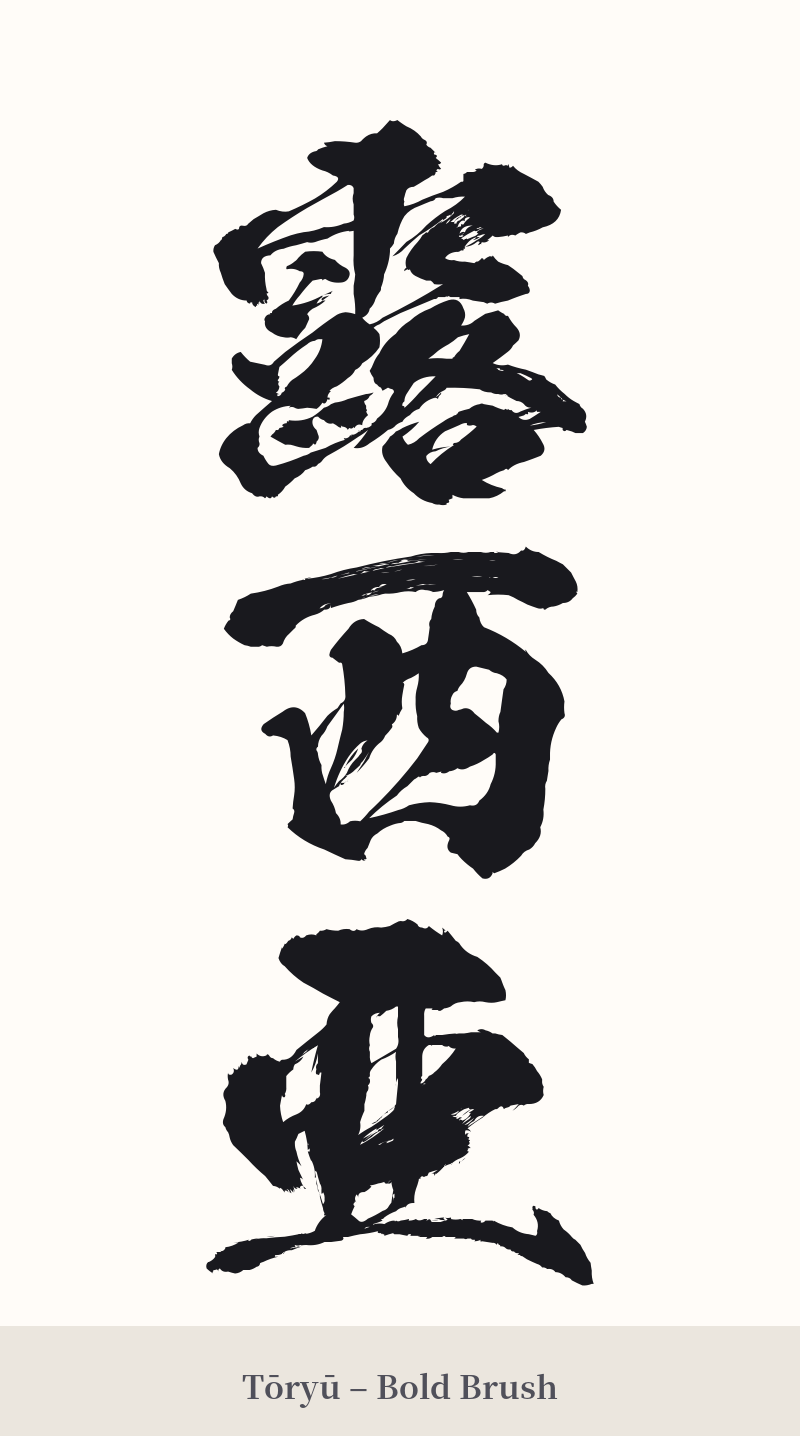
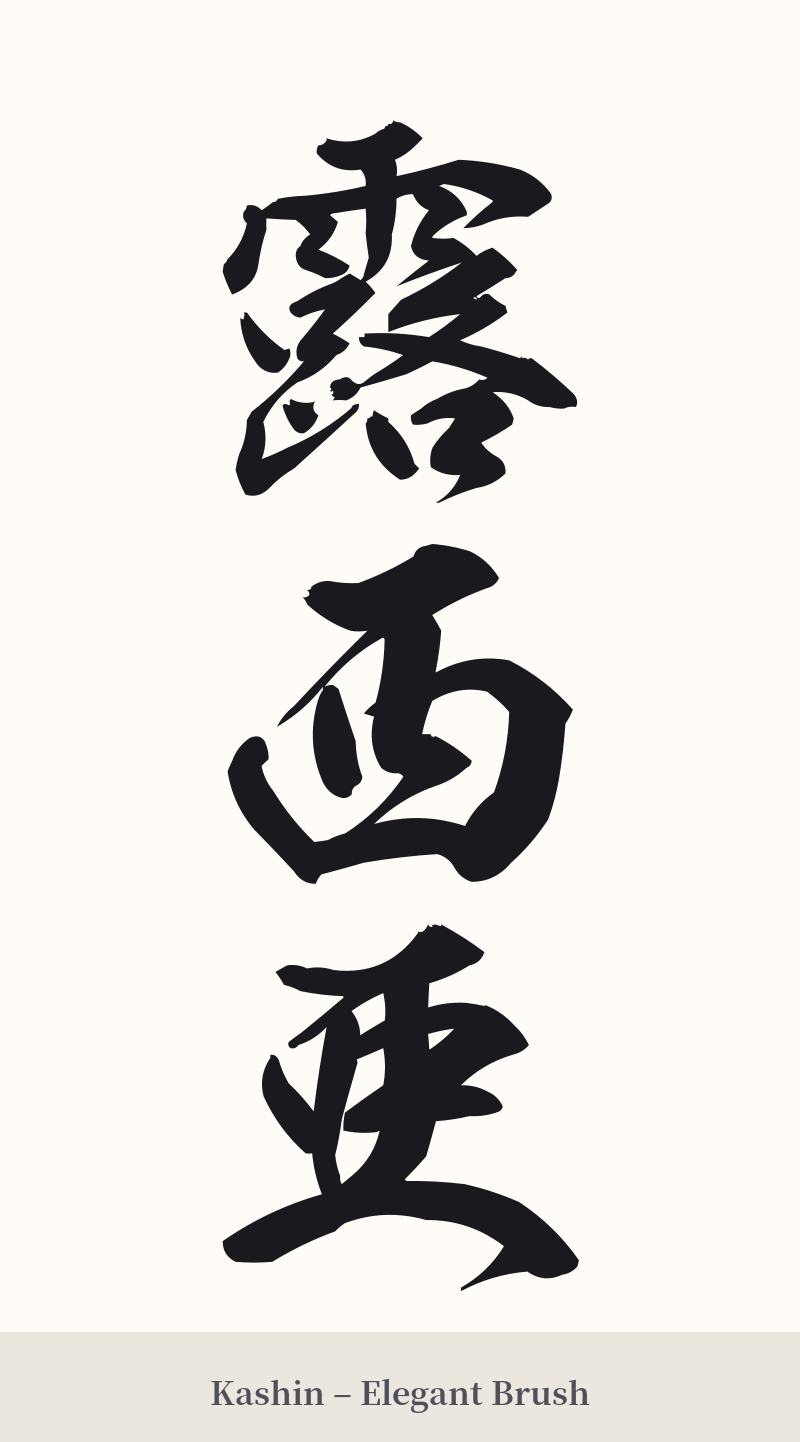
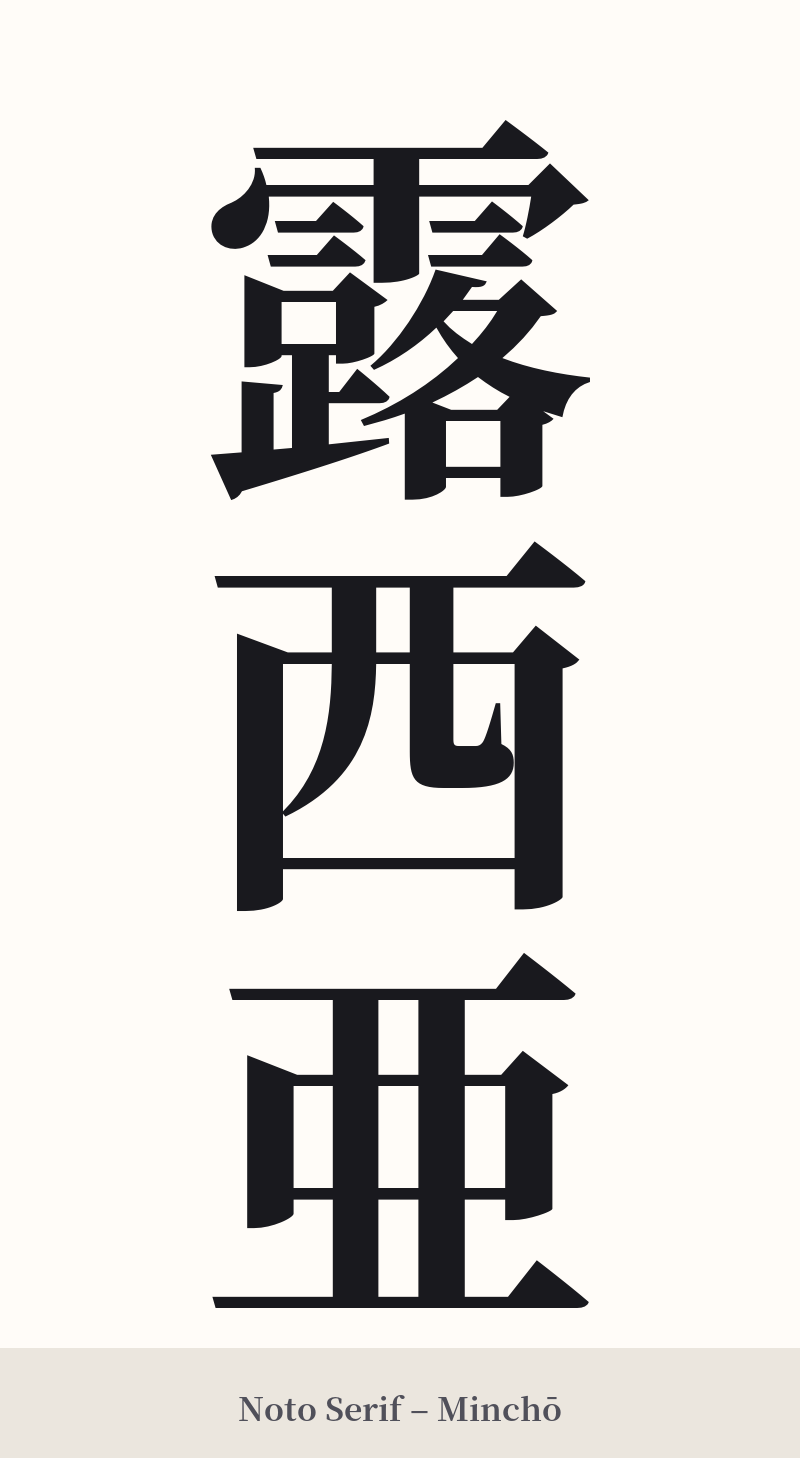
🖌️ Estilos de fuente para 露西亜
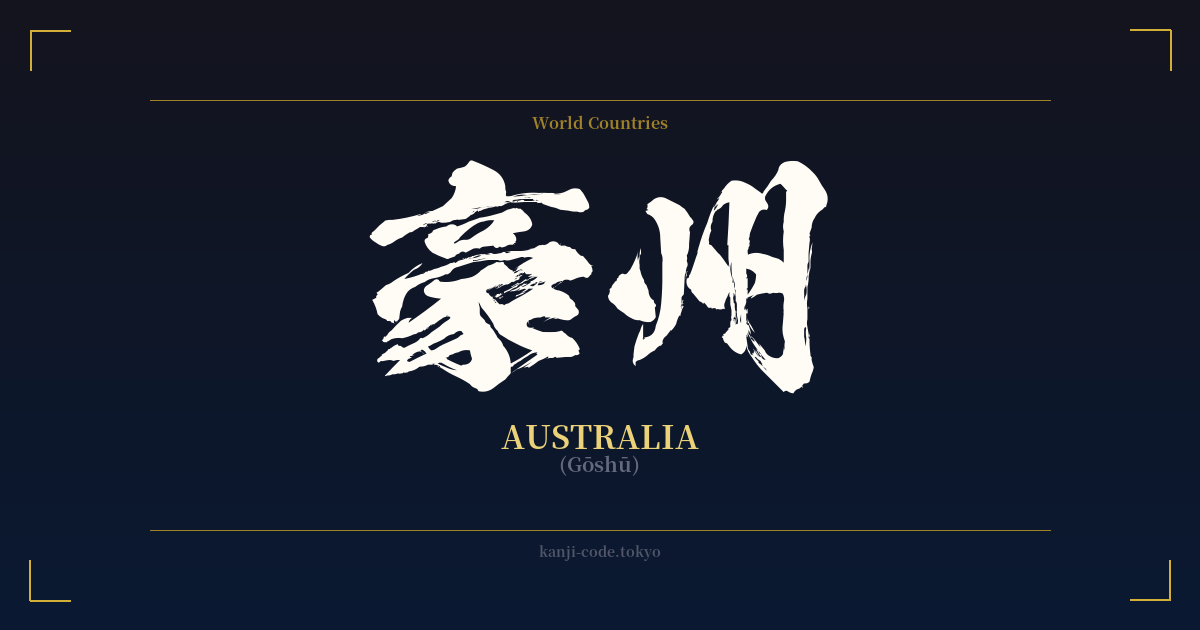
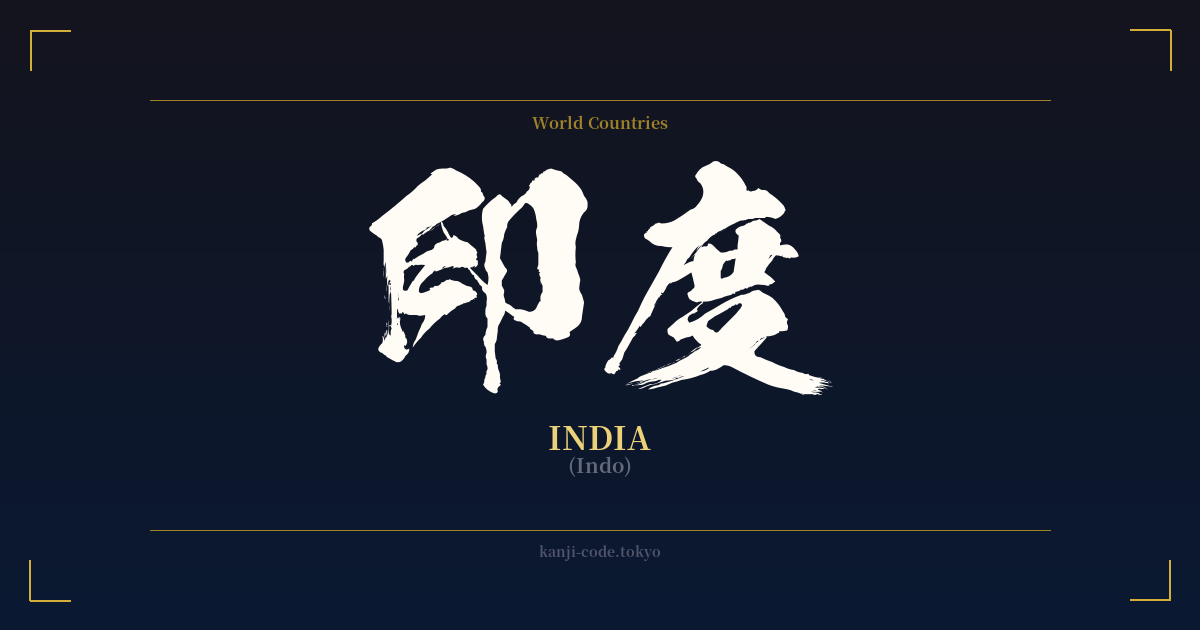
Los mismos caracteres kanji pueden verse muy diferentes según el estilo de caligrafía. Elige una fuente que se ajuste al ambiente que deseas para tu tatuaje o diseño.
🎨 Idoneidad para tatuajes
📐 Guía de diseño de tatuajes
Si decides hacerte un tatuaje de la cultura 露西亜, un diseño cuidadoso es fundamental para honrar su carácter histórico y su complejidad visual.
– Ubicación: Este carácter compuesto de tres caracteres requiere una superficie amplia para ser legible. El antebrazo, la pantorrilla o la columna vertebral son excelentes opciones. Evite áreas pequeñas como la muñeca o el tobillo, ya que los trazos densos del primer carácter, 露 (21 trazos), se difuminarán con el tiempo.
– Orientación: Se recomienda encarecidamente la alineación vertical. Esta disposición tradicional realza la estética clásica e histórica de los kanji y es como se escribían habitualmente en el pasado.
– Estilo de fuente: Opta por estilos caligráficos tradicionales y contundentes. Una fuente Kaisho (de imprenta) audaz le dará peso y claridad, mientras que una fuente Gyosho (semicursiva) fluida puede añadir un toque artístico e histórico. Evita las fuentes delgadas, minimalistas o demasiado modernas que desentonarían con el origen clásico de la palabra.
Comentarios