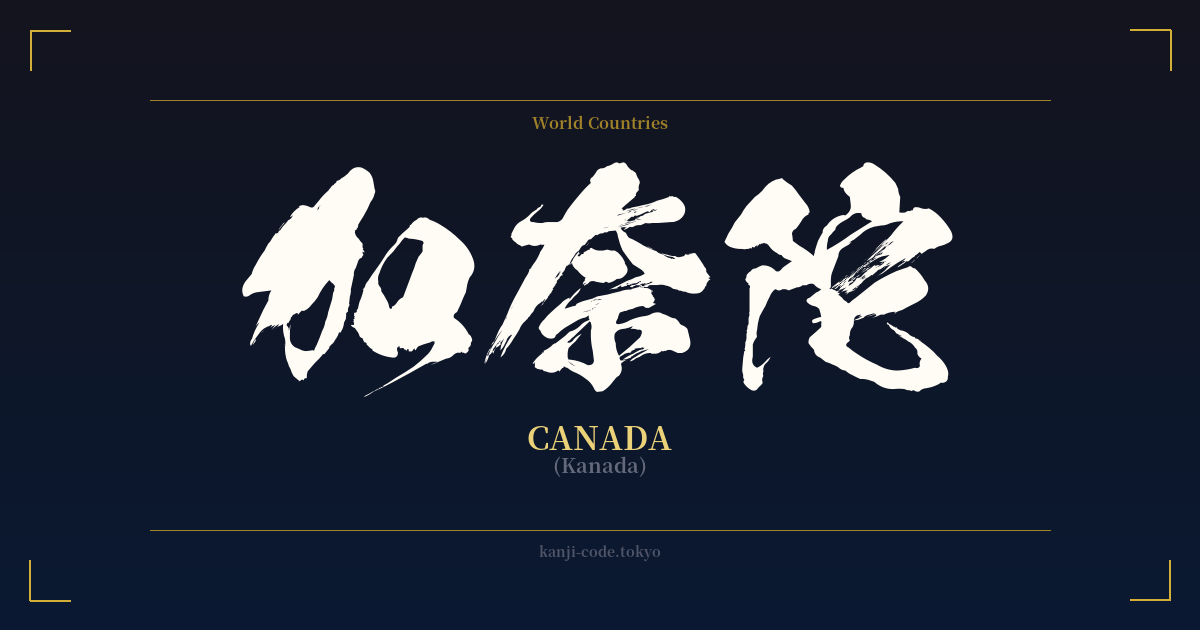
✍️ 加奈陀 (Canadá) — Contexto cultural
La palabra 加奈陀 (Kanada) es un ejemplo fascinante de una práctica lingüística japonesa llamada ateji (当て字), en la que se utilizan caracteres kanji para representar fonéticamente palabras extranjeras, sin tener en cuenta su significado original. Este método fue particularmente común durante el período Meiji de Japón (1868-1912), una época de rápida modernización e intenso intercambio cultural con Occidente. A medida que se introducían nuevos países, conceptos y objetos, Japón necesitaba una forma de escribirlos, y el ateji fue la solución antes de que la escritura katakana se convirtiera en el estándar para los préstamos lingüísticos.
El carácter 加奈陀 se formó seleccionando tres caracteres cuyos sonidos se aproximan a las sílabas de "Ca-na-da". El primero, 加 (ka), significa "añadir" o "unir". El segundo, 奈 (na), se usa comúnmente en el nombre de la antigua capital, Nara. El tercero, 陀 (da), aparece frecuentemente en la terminología budista y puede significar "empinado". Al combinarse, sus significados individuales se dejan de lado por completo; su único propósito es crear el sonido "Kanada"."
En el Japón moderno, casi siempre se ve Canadá escrito en katakana como カナダ. La versión en kanji, 加奈陀, se considera arcaica y formal. Su uso se limita principalmente a textos históricos, nombres de ciertas organizaciones oficiales o tradicionales (como una sociedad Japón-Canadá) o para lograr un efecto estilístico específico de antaño. Transmite una sensación de historia y formalidad de la que carece la versión simple en katakana.
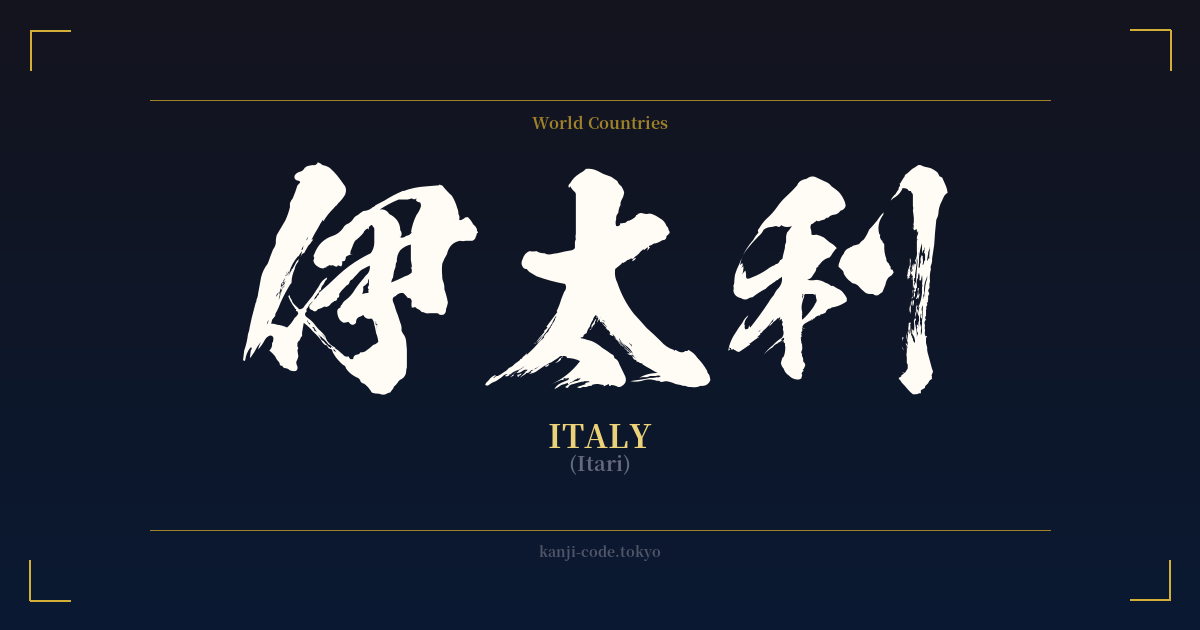
Esto contrasta con los ateji de otros países, como Estados Unidos (米国, Beikoku) o el Reino Unido (英国, Eikoku). Se trata de abreviaturas de grafías fonéticas más largas (亜米利加 y 英吉利, respectivamente) que se han mantenido en uso común y cotidiano en noticias y textos formales. El nombre de Canadá en kanji nunca desarrolló una abreviatura de un solo carácter de uso generalizado (como 加国), por lo que ha caído en desuso, convirtiéndose en una opción más recóndita e histórica.
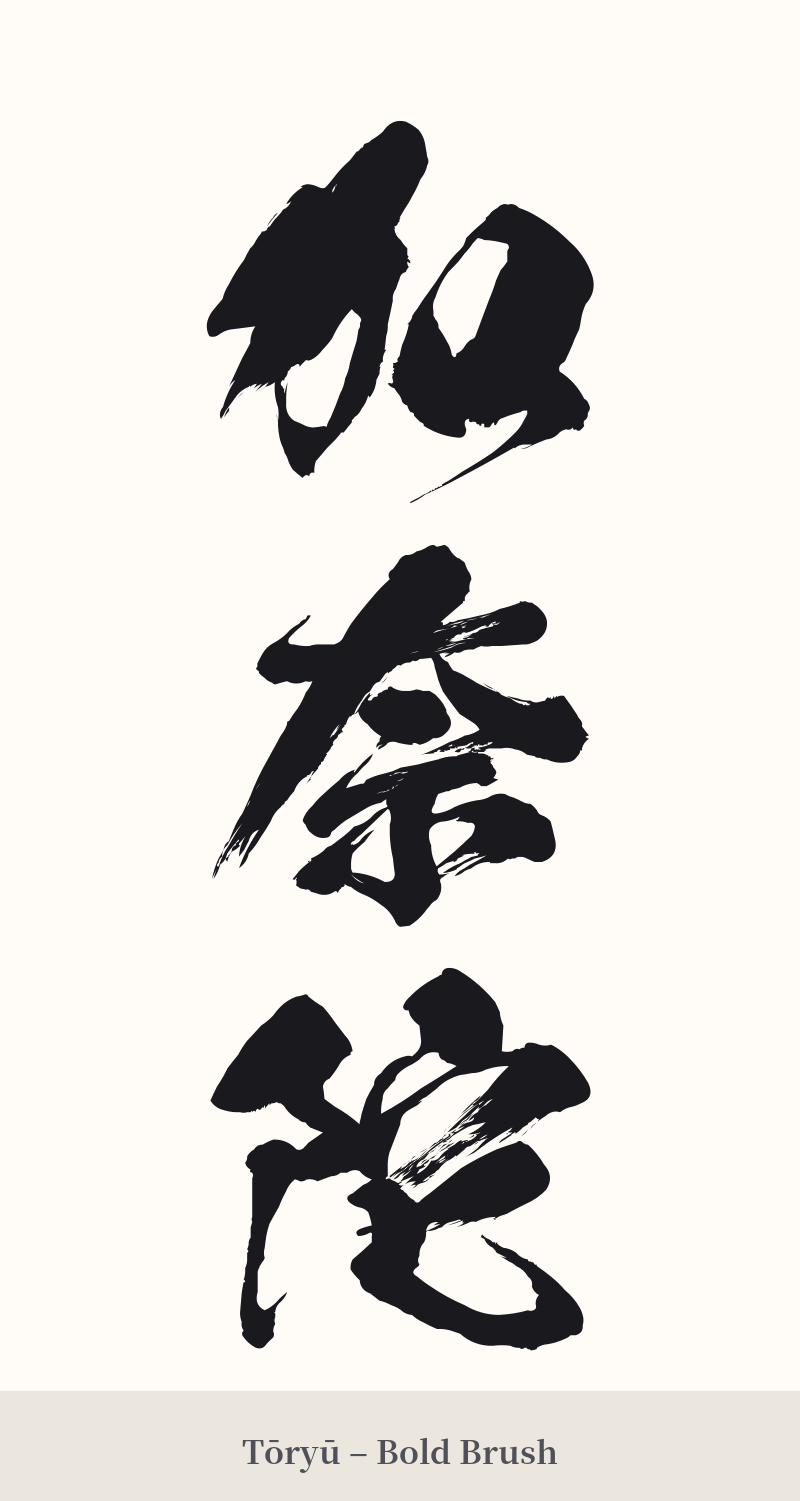
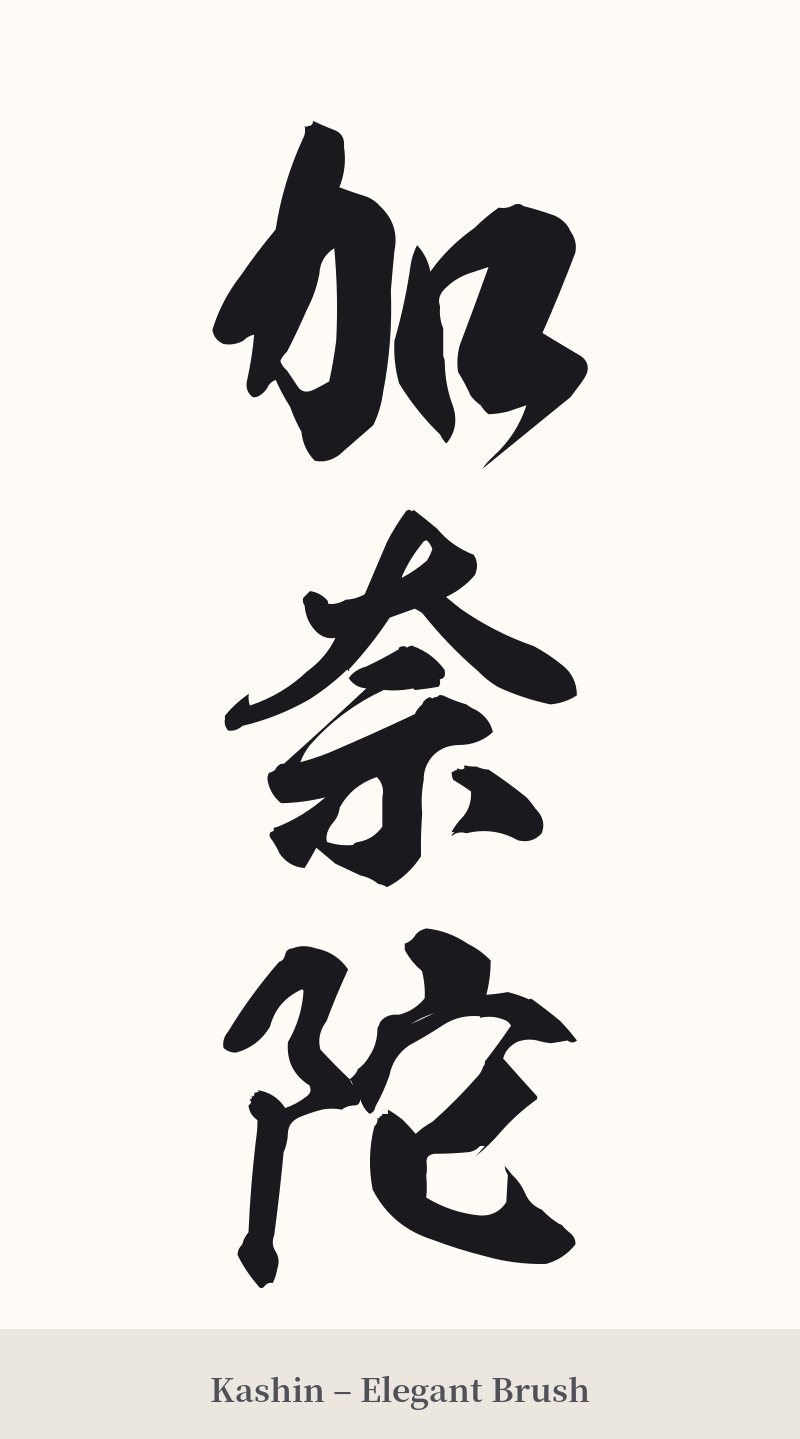
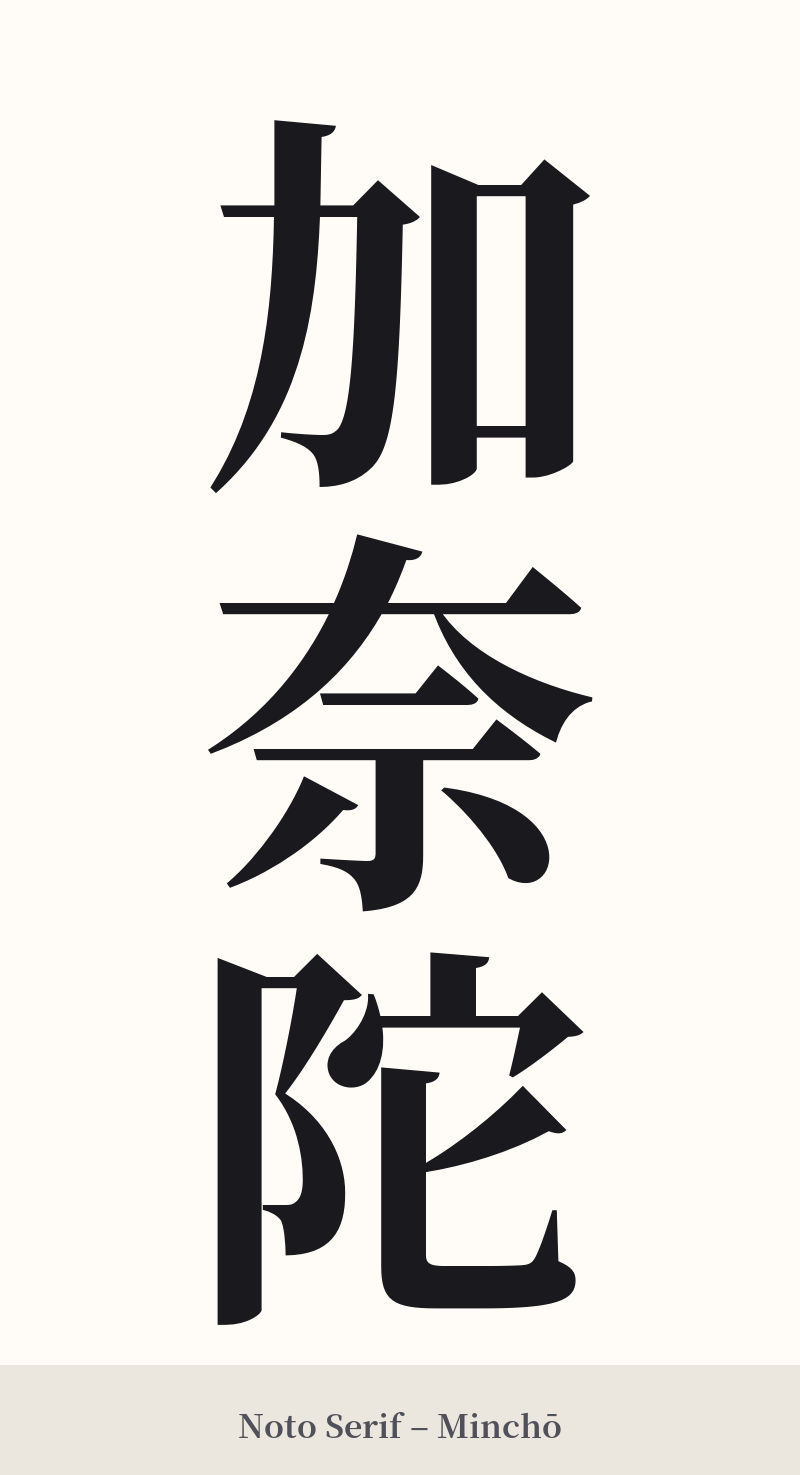
🖌️ Estilos de fuente para 加奈陀
Los mismos caracteres kanji pueden verse muy diferentes según el estilo de caligrafía. Elige una fuente que se ajuste al ambiente que deseas para tu tatuaje o diseño.
🎨 Idoneidad para tatuajes
📐 Guía de diseño de tatuajes
Para un tatuaje de 加奈陀, el diseño debe honrar su carácter histórico y formal. Se recomienda encarecidamente la orientación vertical, ya que es la forma tradicional de escribir japonés y crea un flujo elegante a lo largo del brazo, la pierna o la columna vertebral.
– Ubicación: La parte interna del antebrazo, la pantorrilla o a lo largo de la columna vertebral son excelentes ubicaciones que se adaptan a la longitud de tres caracteres y a la alineación vertical.
– Estilo de fuente: Opte por los estilos caligráficos japoneses tradicionales. Una fuente Kaisho (de imprenta) limpia y nítida resalta la estructura de cada carácter. Para un aspecto más fluido y artístico, una fuente Gyōsho (semicursiva) sería ideal, aportando un toque de elegancia clásica.
Consejos visuales: Para añadir un toque personal sin ser demasiado literal, considere un elemento sutil en el fondo. Una ligera aguada de acuarela roja sobre la tinta negra puede evocar la bandera canadiense. Otra opción es integrar una hoja de arce minimalista cerca del principio o del final de los caracteres, que podría vincular la palabra fonética con su símbolo nacional.
Comentarios