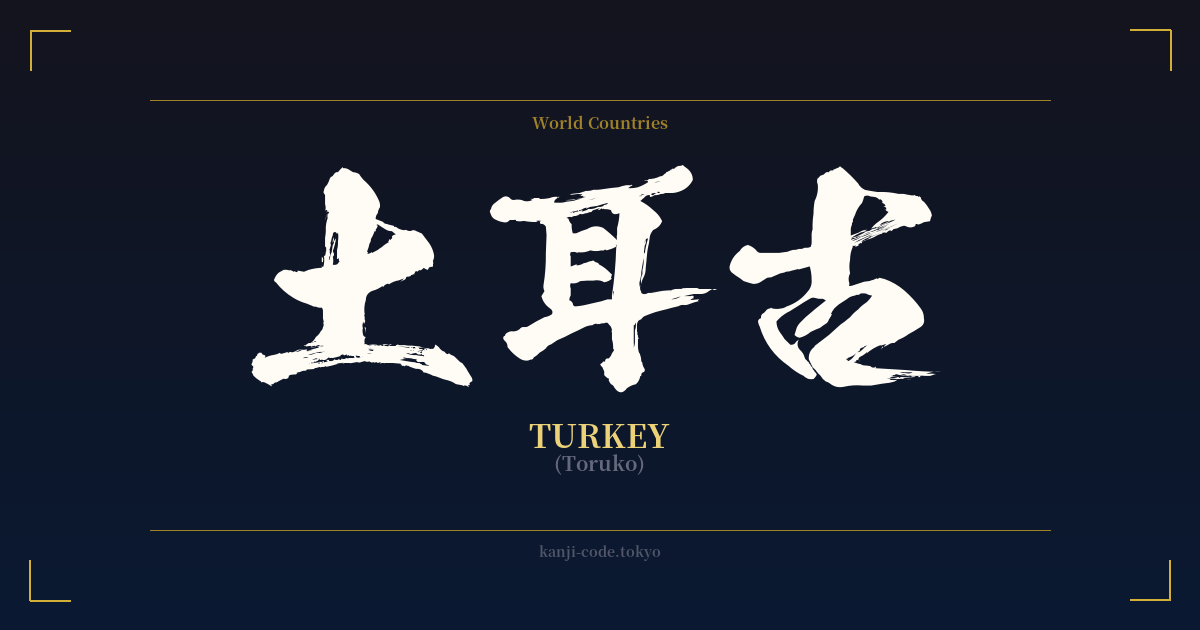
✍️ 土耳古 (Toruko) — Contexto cultural
La palabra 土耳古 (Toruko) ofrece una fascinante perspectiva de un período específico de la historia japonesa en el que la nación absorbía rápidamente conceptos y palabras extranjeras. Este es un ejemplo paradigmático de 'ateji' (当て字), la práctica de utilizar caracteres kanji por su pronunciación fonética en lugar de por su significado. Cuando Japón se abrió al mundo durante la Restauración Meiji a finales del siglo XIX, necesitaba formas de escribir los nombres de otros países. La solución solía consistir en encontrar kanji que se aproximaran a la pronunciación extranjera.
En este caso, el nombre 'Turquía' se transliteró como 'To-ru-ko'. Los caracteres se eligieron para que coincidieran con estas sílabas: 土 (to), 耳 (ru) y 古 (ko). Los significados literales de estos caracteres —'tierra', 'oreja' y 'viejo'— son completamente irrelevantes. Son simplemente bloques fonéticos. Esta era una práctica común, y se puede observar en los nombres antiguos de muchos países occidentales, como 亜米利加 (A-me-ri-ka) para Estados Unidos o 仏蘭西 (Fu-ran-su) para Francia.
Con el tiempo, esta práctica cayó en desuso para la mayoría de las palabras extranjeras. Los japoneses desarrollaron el silabario katakana específicamente para este propósito, ya que es una forma más clara y directa de representar sonidos extranjeros sin la complejidad de los significados de los kanji. Hoy en día, Turquía se escribe universalmente como トルコ (Toruko) en katakana. Casi nunca verás 土耳古 en periódicos modernos, televisión o conversaciones cotidianas.
¿Y qué ocurre con 土耳古? Ha quedado relegado al ámbito de la historia y el estilo. Puede que lo encuentres en novelas históricas, textos académicos sobre la diplomacia de la era Meiji, o quizás como un recurso estilístico en el letrero de un restaurante que busca un aire retro y de antaño. Posee un matiz claramente arcaico y erudito. Si bien el gobierno turco solicitó oficialmente que su nombre en inglés se cambiara a 'Türkiye' en 2022, el nombre japonés 'Toruko' se ha mantenido sin cambios en el lenguaje común, aunque la versión en kanji se siente aún más alejada de la realidad moderna.
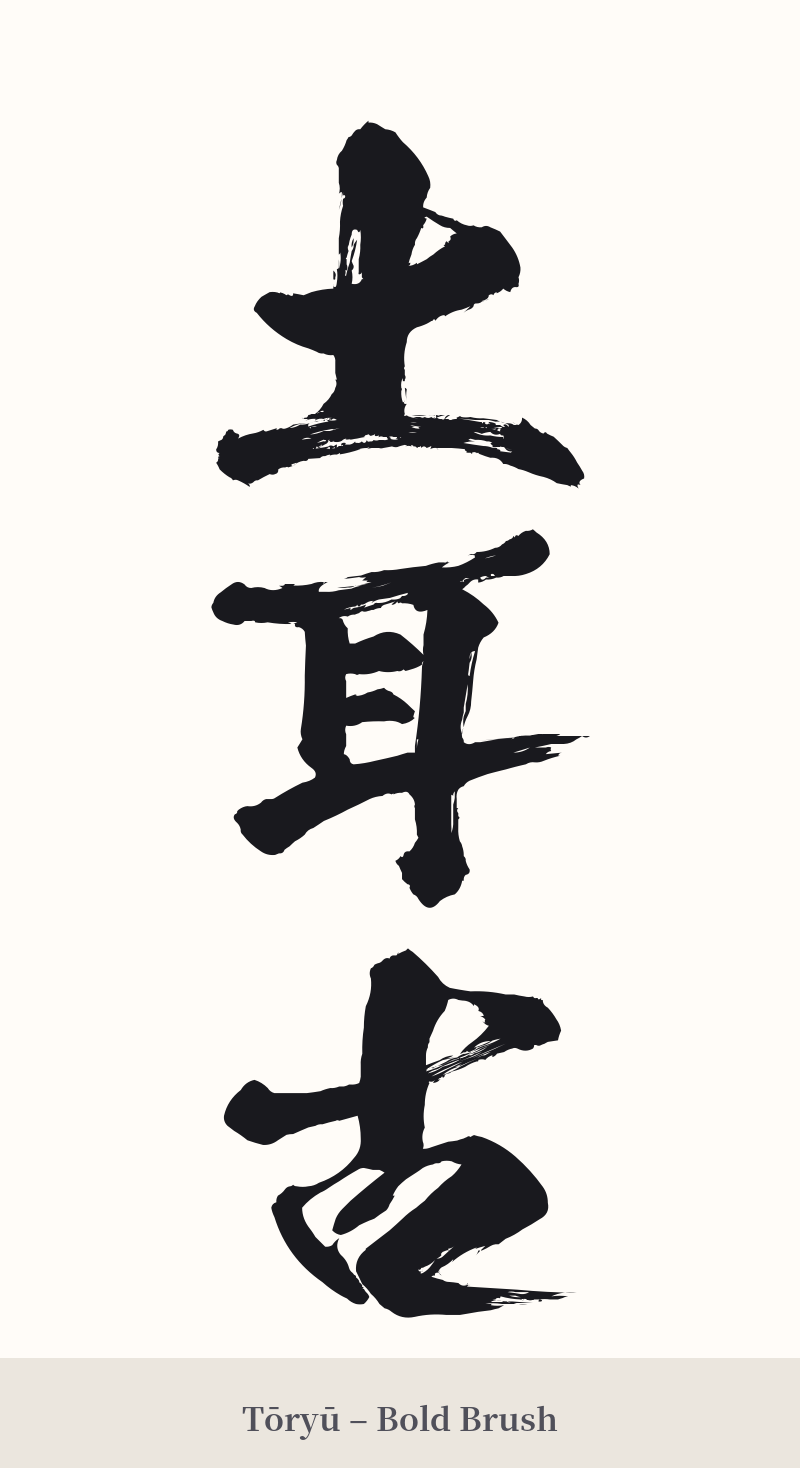
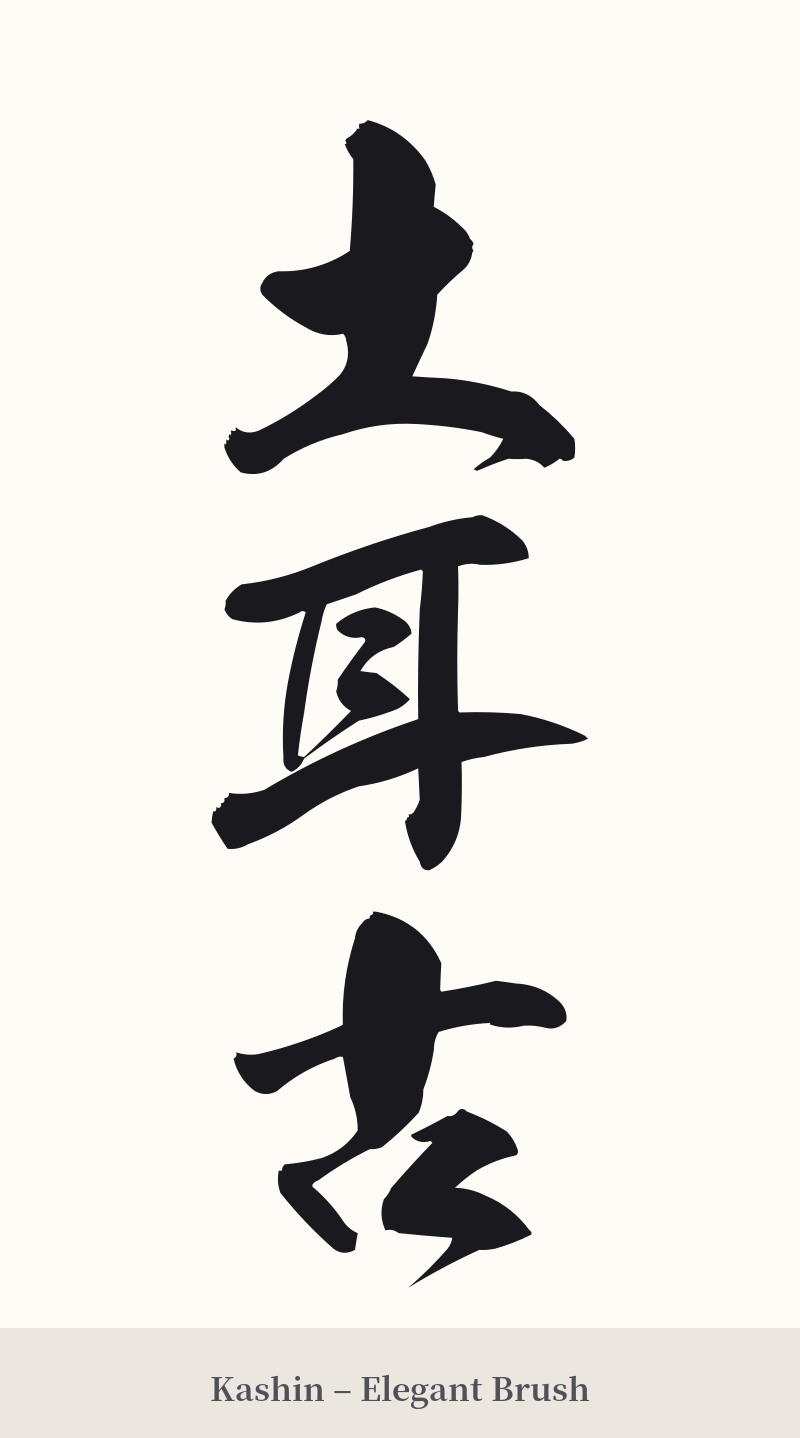
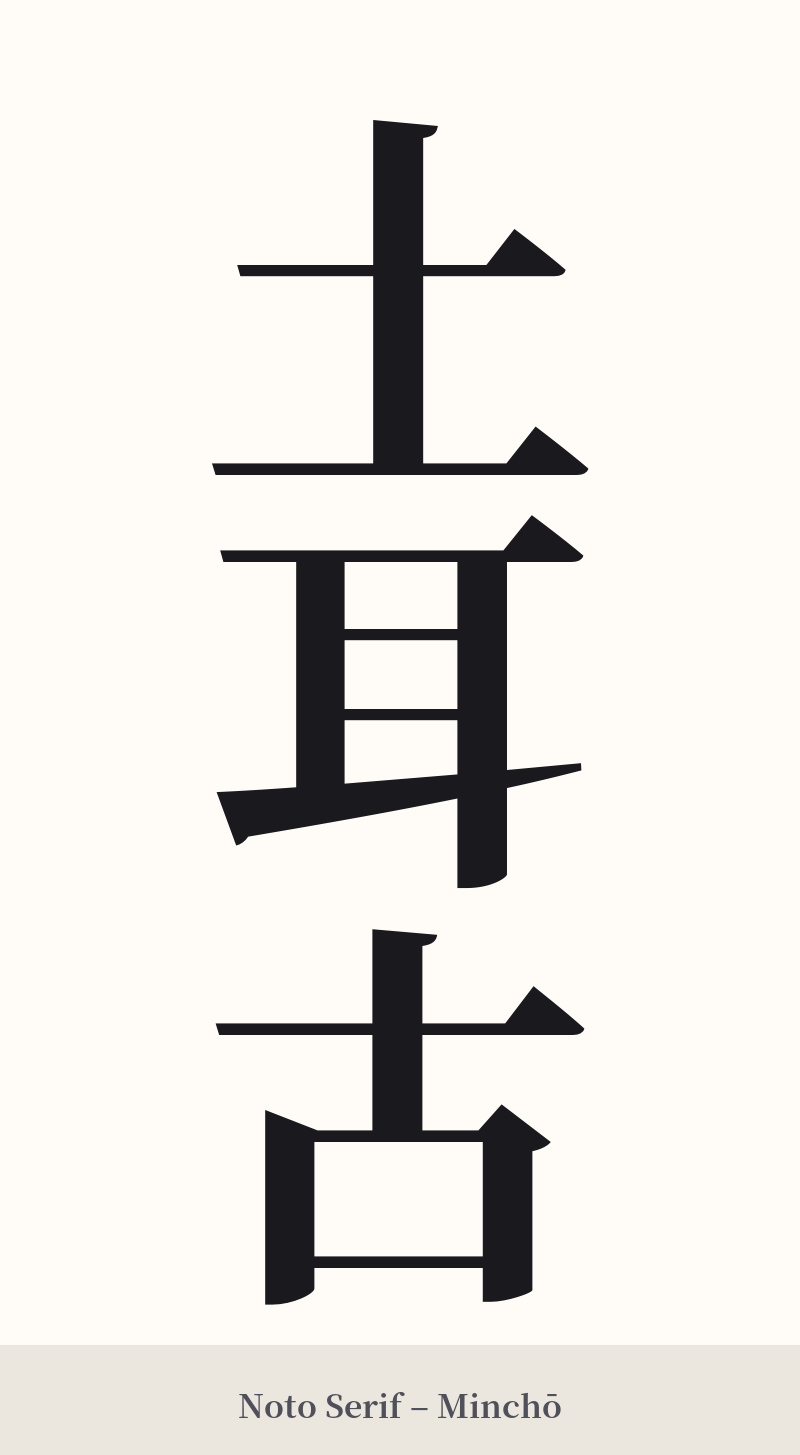
🖌️ Estilos de fuente para 土耳古
Los mismos caracteres kanji pueden verse muy diferentes según el estilo de caligrafía. Elige una fuente que se ajuste al ambiente que deseas para tu tatuaje o diseño.
🎨 Idoneidad para tatuajes
📐 Guía de diseño de tatuajes
Dada la naturaleza histórica y polifacética de 土耳古, el diseño debe honrar sus raíces tradicionales.
– Ubicación: Esta palabra funciona excepcionalmente bien en posición vertical, por lo que resulta ideal para el antebrazo, el costado de la pantorrilla o a lo largo de la columna vertebral. Una colocación horizontal sobre la clavícula o la parte superior de la espalda también podría ser efectiva.
Estilo: Opta por un estilo arcaico. Una caligrafía tradicional como Kaisho (estilo de imprenta) o Gyosho (semicursiva) sería la más apropiada. Estos estilos complementan el contexto histórico de la palabra. Evita las fuentes modernas, geométricas o sin serifa, ya que desentonarían con la naturaleza clásica del kanji.
– Consejos visuales: Dado que el significado de los personajes no guarda relación con Turquía, considere incorporar un elemento visual sutil para contextualizar la imagen. Un pequeño tulipán estilizado (una flor con profundas raíces en la cultura turca) o una luna creciente podrían integrarse en la composición para salvar la brecha visual y temática.
Comentarios