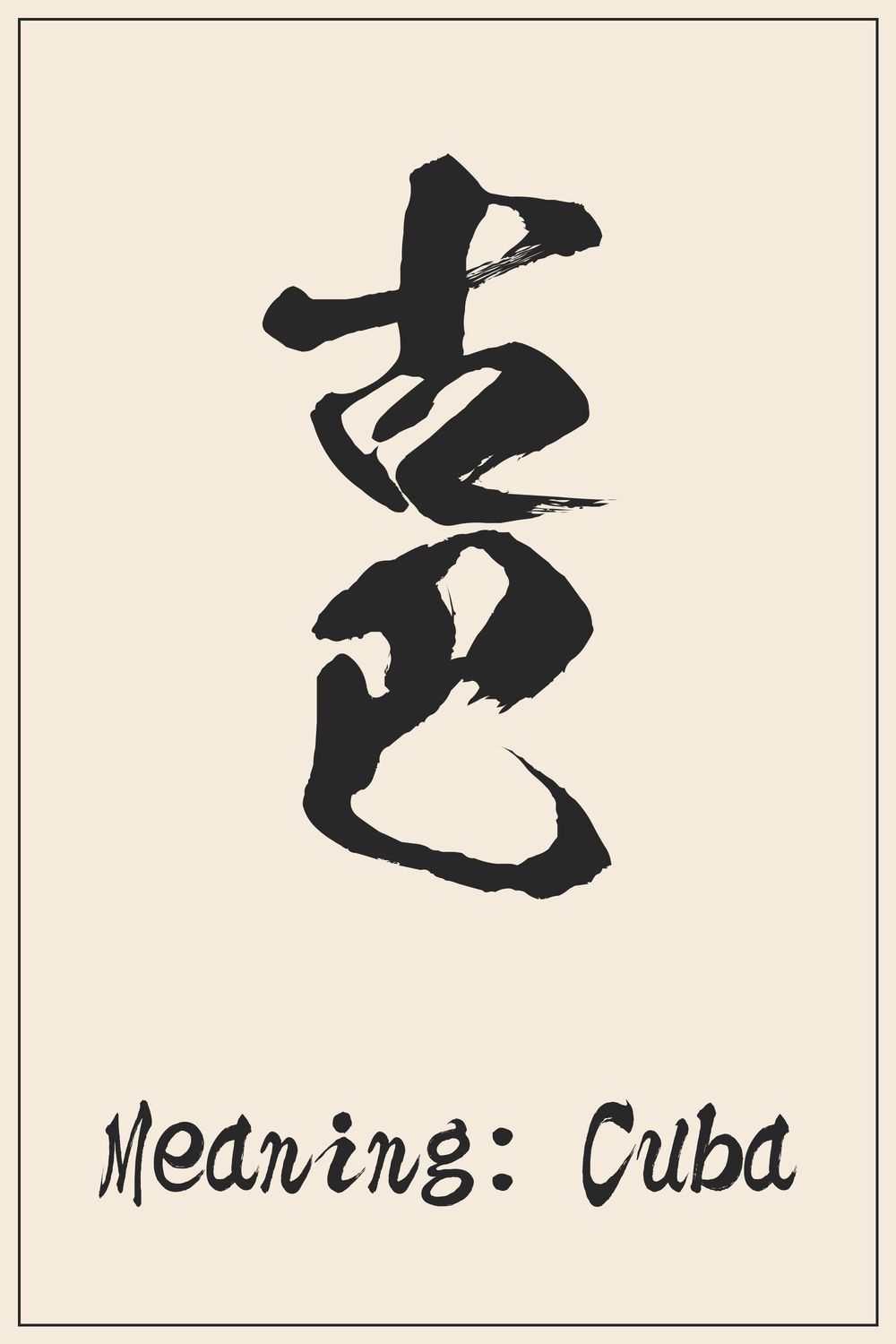
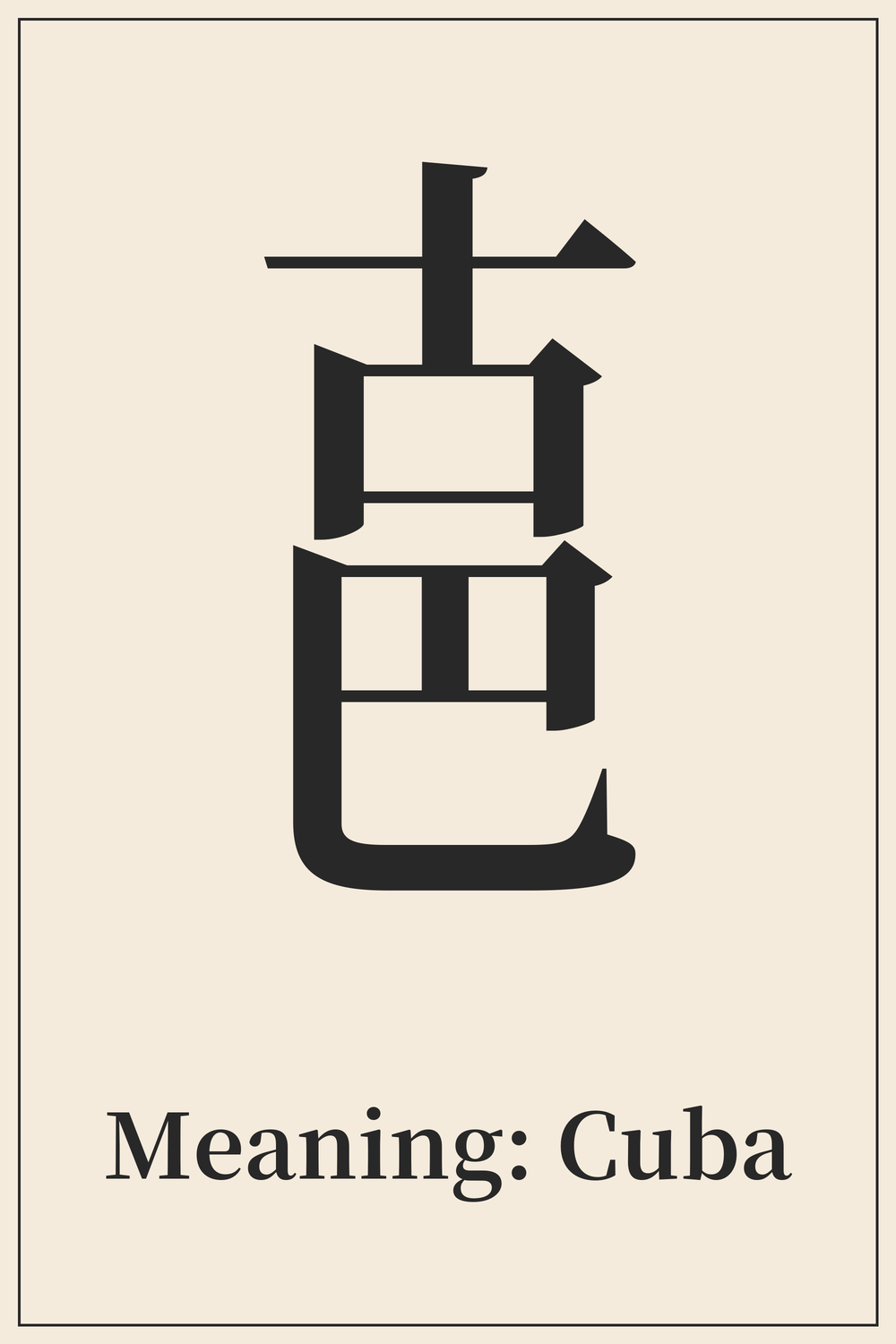
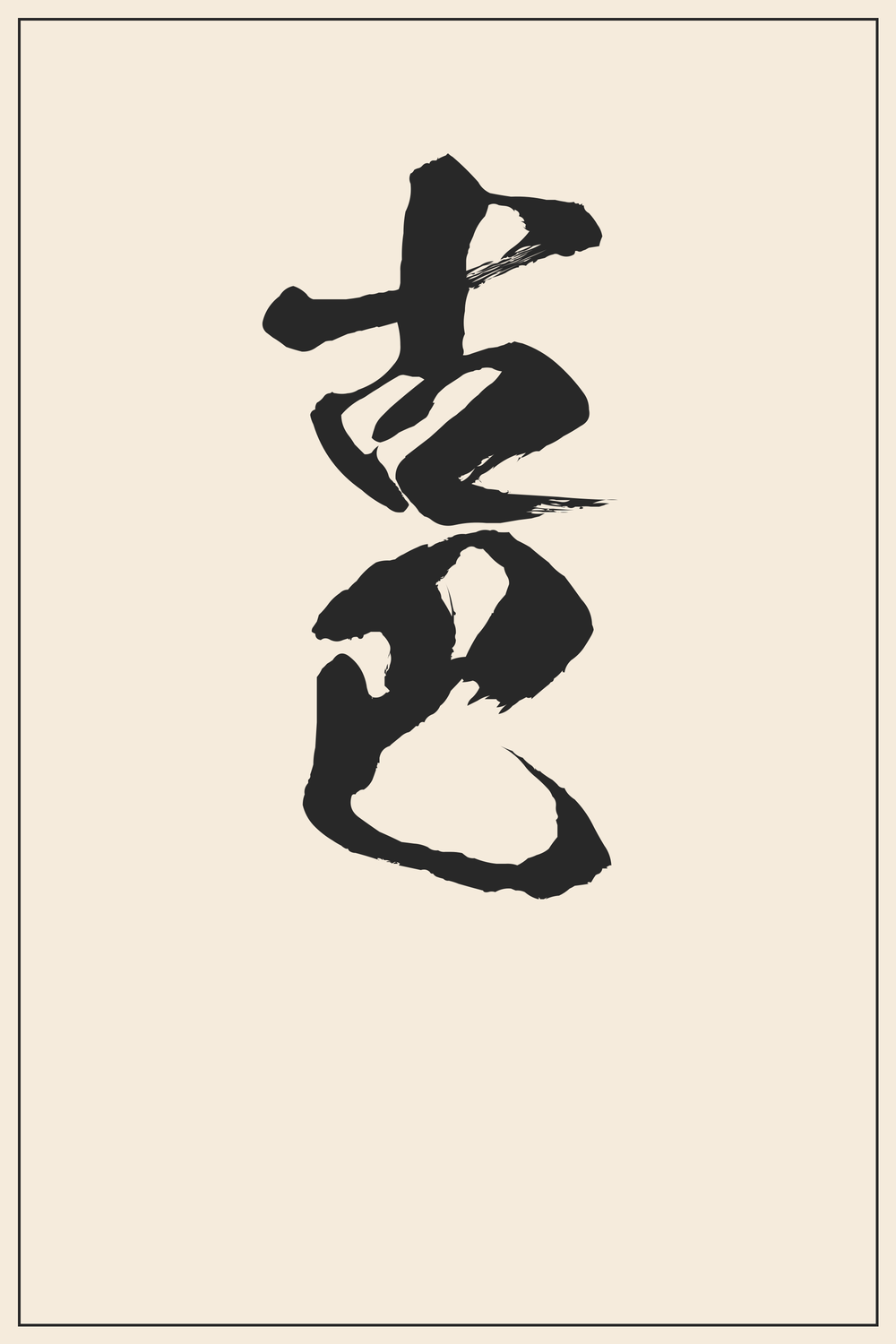
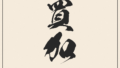
The Kanji combination 古巴 represents the vibrant nation of Cuba. This unique pairing serves as a phonetic rendering, showcasing how Japanese incorporates foreign place names through traditional characters.
The atmosphere of a Kanji character changes dramatically depending on the font style. A character that looks elegant in a brush style might look bold and modern in a different font.
Recommendation: Since a tattoo is permanent, we strongly recommend comparing various font styles beyond what is shown here. Use our designs as a trusted reference for the correct structure, but feel free to explore different artistic variations to find the perfect match for your vision.
The Deep Meaning Behind 古巴
The Kanji combination 古巴 (Kooba) is a prime example of ‘ateji’ (当て字), a Japanese method of using Kanji characters solely for their phonetic values, rather than their inherent meanings, to represent foreign words or names. In this case, 古 (ko) and 巴 (ba) are chosen to phonetically approximate the sound of "Cuba."
While the literal meanings of ‘old’ (古) and ‘fan/comma’ (巴) do not directly relate to the Caribbean nation’s culture or history, their combination forms a recognized phonetic representation. This practice is common for world countries, integrating them into the Japanese lexicon in a unique and culturally specific way.
Kanji Breakdown
Let’s examine the individual Kanji characters that form ‘古巴’, revealing their literal meanings which, in this specific context, are utilized for their phonetic properties.
Meaning: Old, Ancient. The character 古 depicts a tombstone or a ten-character scroll (十) on a mouth (口) or a dwelling, symbolizing something that has existed for a long time. It inherently carries the meaning of being aged or belonging to a distant past.
Meaning: Comma-design, Tomoe, Curl, Fan. 巴 originally depicted a swirling pattern, like a comma-shape or a whirlpool, often seen in the traditional Japanese ‘tomoe’ motif. It represents a spiral or curled form, sometimes referring to a fan or a specific pattern.
Conclusion
The Kanji 古巴 serves as a fascinating linguistic artifact, demonstrating the Japanese tradition of using ‘ateji’ to adopt foreign names. While literally translating to ‘old fan’ or ‘ancient curl,’ its true significance lies in its phonetic representation of the country Cuba.
For those considering a tattoo, it’s important to appreciate 古巴 primarily as a phonetic rendering rather than a character with deep symbolic meaning related to Cuba itself. Its beauty lies in its cultural role as a unique transliteration of a beloved nation.
Comments