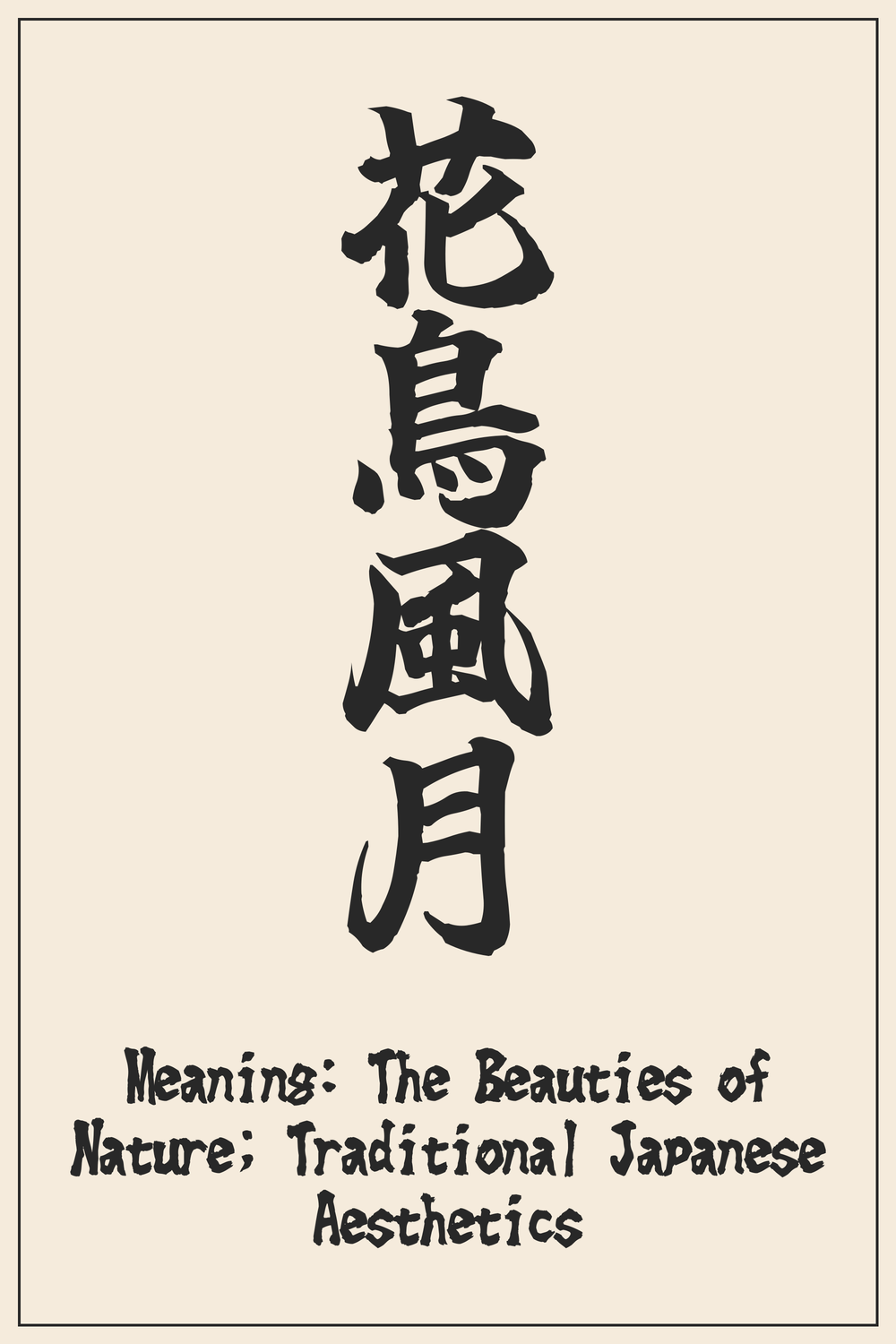
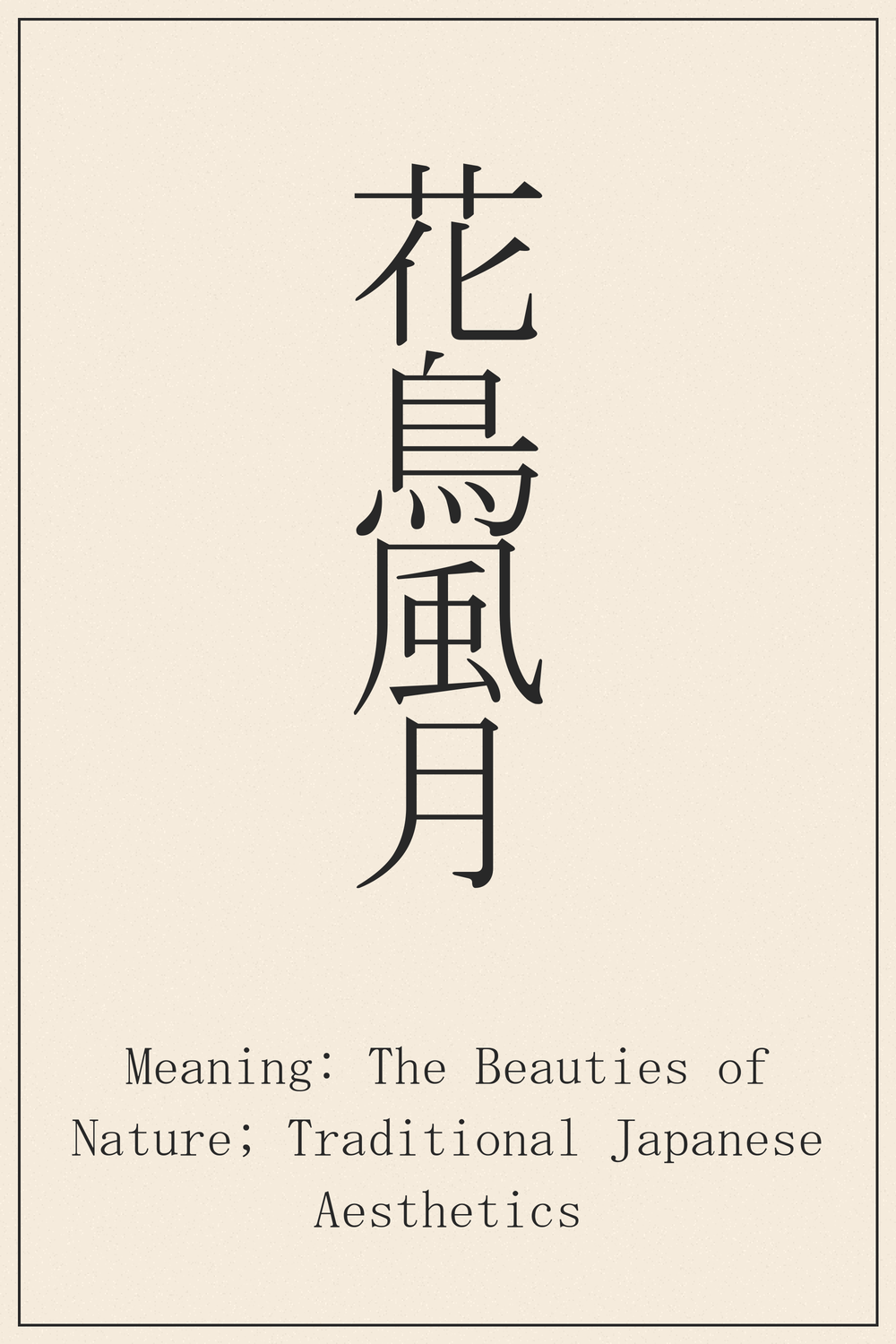
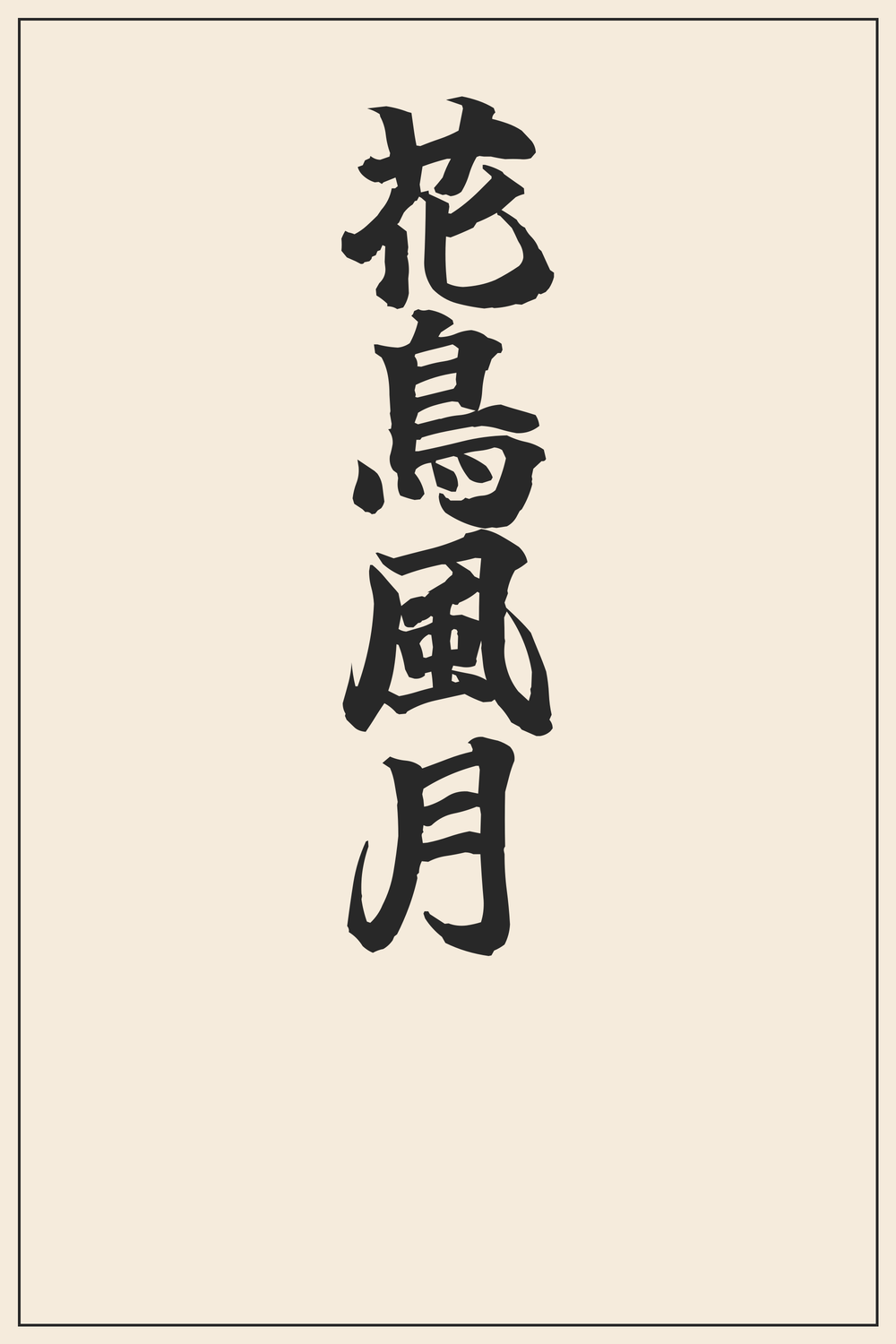
Immerse yourself in the timeless elegance of ‘Kachōfūgetsu’, a poetic expression that encapsulates the essence of natural beauty. This four-character idiom invites contemplation, celebrating the fleeting yet profound artistry of the world around us.
The atmosphere of a Kanji character changes dramatically depending on the font style. A character that looks elegant in a brush style might look bold and modern in a different font.
Recommendation:
Since a tattoo is permanent, we strongly recommend comparing various font styles beyond what is shown here. Use our designs as a trusted reference for the correct structure, but feel free to explore different artistic variations to find the perfect match for your vision.
The Deep Meaning Behind 花鳥風月
The Japanese idiom ‘Kachōfūgetsu’ (花鳥風月) literally translates to ‘Flower, Bird, Wind, Moon.’ It is a yojijukugo (four-character idiom) that profoundly encapsulates the appreciation of the beauties of nature and is a cornerstone of traditional Japanese aesthetics. It speaks to the joy and serenity found in observing the natural world.
Beyond its literal components, ‘Kachōfūgetsu’ also suggests engaging in elegant pursuits inspired by nature, such as poetry, painting, or composing music. It embodies the philosophical idea of finding beauty and meaning in the changing seasons and the fleeting moments of natural phenomena, often connected to concepts like ‘mono no aware’ (the pathos of things) and ‘wabi-sabi’ (finding beauty in imperfection and transience).
Kanji Breakdown
The idiom ‘Kachōfūgetsu’ is a compound of four distinct Kanji, each contributing to its rich meaning.
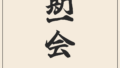
Meaning: Flower, blossom. Represents the transient beauty and vibrancy of flora, often associated with spring and celebration.
Meaning: Bird. Symbolizes freedom, life, and the sounds of nature, often found in traditional poetry and art.
Meaning: Wind, air. Represents movement, the unseen forces of nature, and often carries the scents and sounds of the world.
Meaning: Moon, month. Symbolizes tranquility, mystery, and the cyclical nature of time and the universe, often associated with autumn and reflective moments.
Conclusion
‘Kachōfūgetsu’ is more than just a description of nature; it is a philosophy of appreciating the intrinsic beauty in the world around us. It encourages a life lived with awareness, finding elegance in the simple yet profound elements of existence, much like the timeless art of calligraphy itself.
For a tattoo, ‘Kachōfūgetsu’ offers a profound connection to nature and traditional Japanese aesthetics. Its balanced composition and evocative meaning make it an exquisite choice, serving as a constant reminder to seek and appreciate beauty in everyday life. Embrace this beautiful idiom to carry a piece of serene contemplation with you always.
Comments