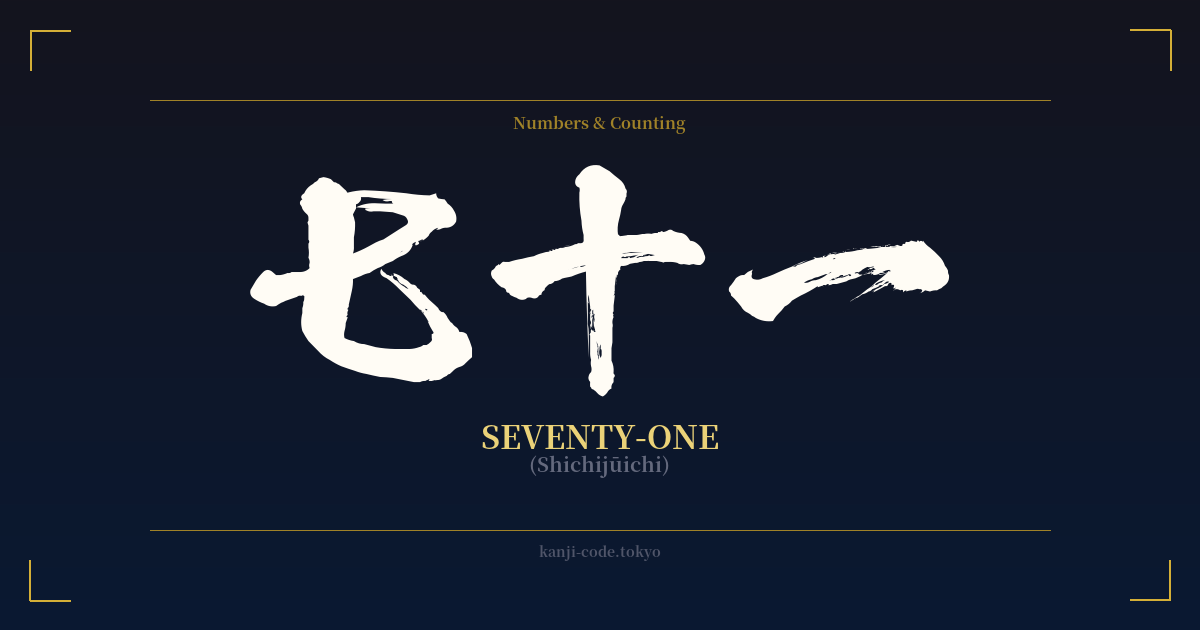
✍️ 七十一 (Shichijūichi) — Cultural Context
The Japanese word for seventy-one is written as 七十一. It is a straightforward and logical construction that perfectly illustrates how the Japanese numbering system works. The characters are read literally: 七 (shichi) means seven, 十 (jū) means ten, and 一 (ichi) means one. In essence, it translates to "seven tens and one," or 71.
This multiplicative-additive system is a hallmark of East Asian numbering. Unlike in English where we have unique words like "twenty" or "thirty," Japanese builds numbers systematically. Twenty is 二十 (ni-jū, or "two tens"), thirty is 三十 (san-jū, or "three tens"), and so on. Therefore, 七十一 (shichi-jū-ichi) is a transparent calculation written in characters.
The individual kanji themselves carry basic but fundamental meanings. 七 (shichi/nana) is the number seven. It holds some cultural significance, most famously in the term 七福神 (Shichifukujin), the Seven Lucky Gods. However, the reading 'shichi' can sometimes be avoided as it sounds similar to 'shi' (死), the word for death. For this reason, the alternative reading 'nana' is often preferred in counting and daily conversation.
十 (jū), meaning ten, is represented by a simple cross. This character is foundational to the number system and appears in countless words and concepts. Its form is thought to derive from a pictograph of a knot in a rope used for counting or from a needle.
一 (ichi), meaning one, is the simplest of all kanji, a single horizontal stroke. It represents the beginning, unity, and the foundation of all things. Its simplicity belies its importance in both language and philosophy.
While the number 71 itself doesn't hold a specific, widely recognized symbolic meaning in Japanese culture—unlike, say, the number 7 (luck) or 4 (unluckiness)—it exists within a rich cultural framework of age and numerology. For instance, it comes directly after the highly significant 70th birthday, known as 古希 (koki). This celebration, originating from a poem by the Chinese poet Du Fu, marks a venerable age. Thus, 71 can be seen as the first year in the journey beyond this major life milestone.
In modern Japan, you will see both kanji numerals (七十一) and Arabic numerals (71). Kanji numerals are typically reserved for more formal, traditional, or artistic contexts. This includes formal documents, traditional certificates, vertical writing in books and letters, and in the names of historical eras. For everyday purposes like price tags, phone numbers, and digital clocks, Arabic numerals are the standard. The choice to use the kanji version often implies a sense of tradition, formality, or aesthetic preference.
🖌️ Font Styles for 七十一
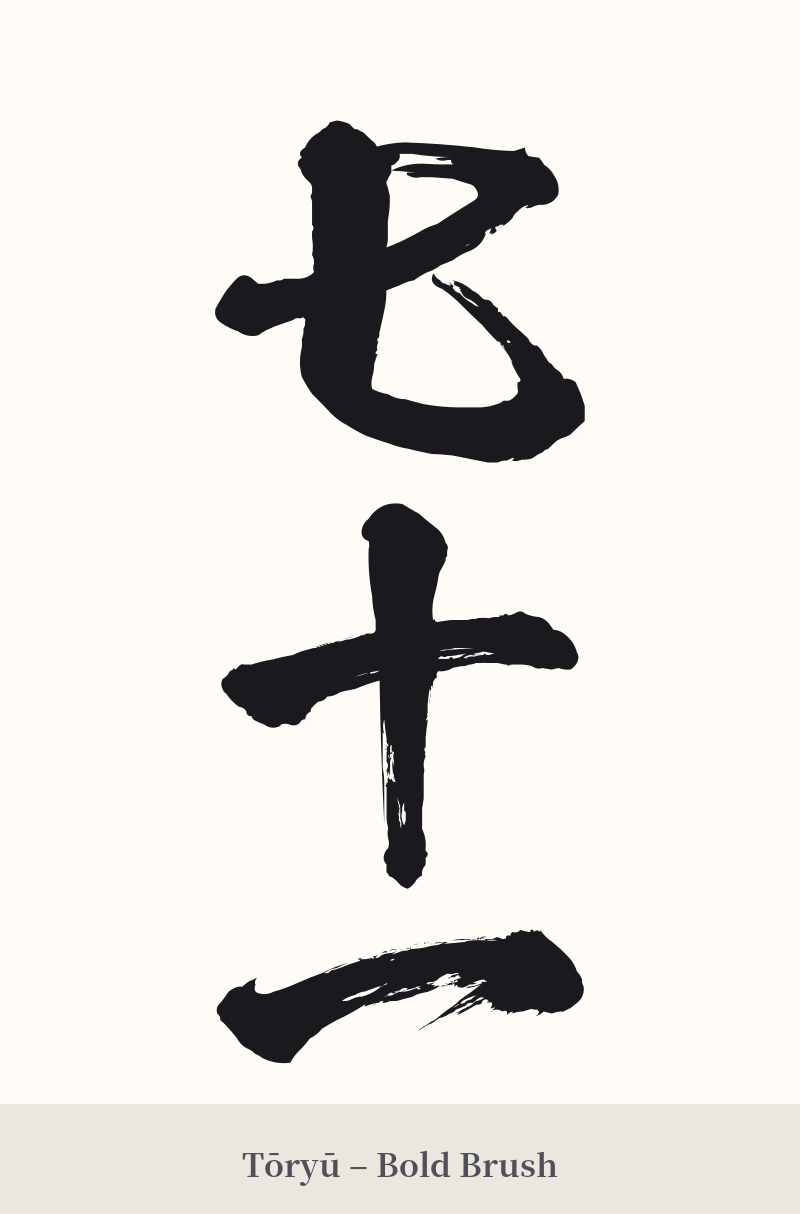
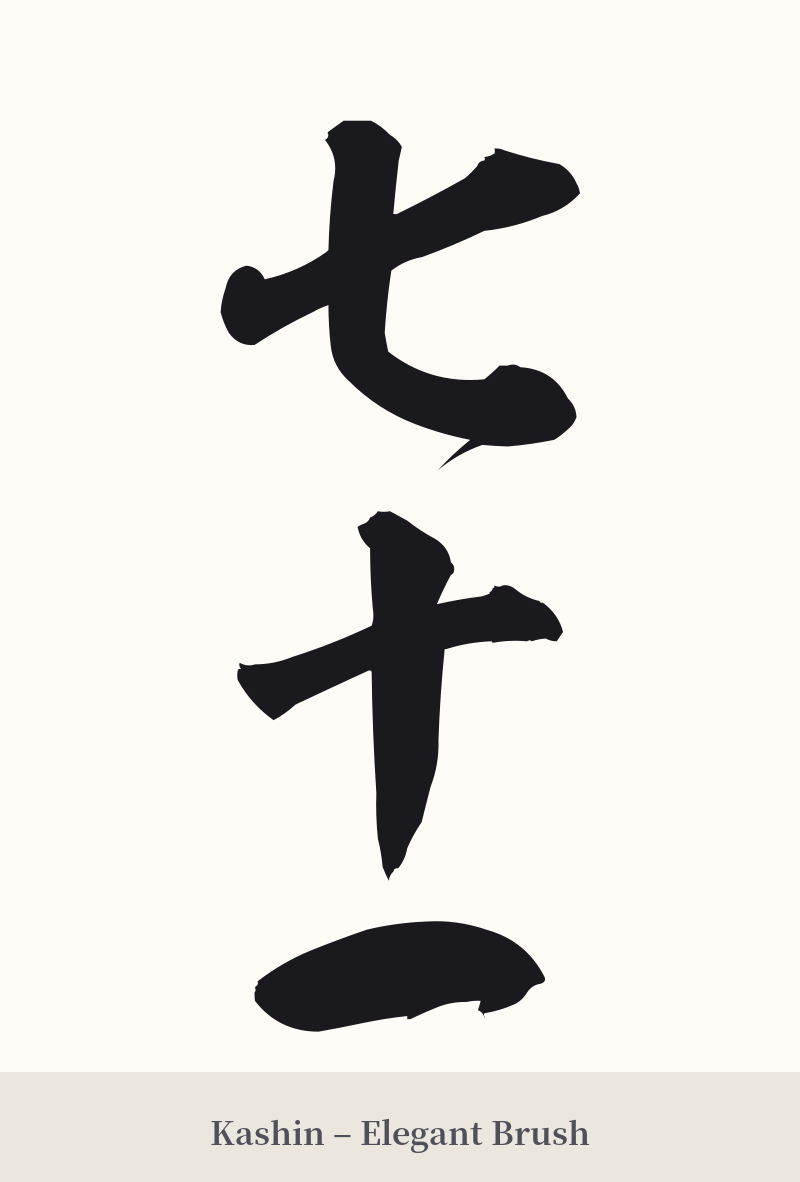
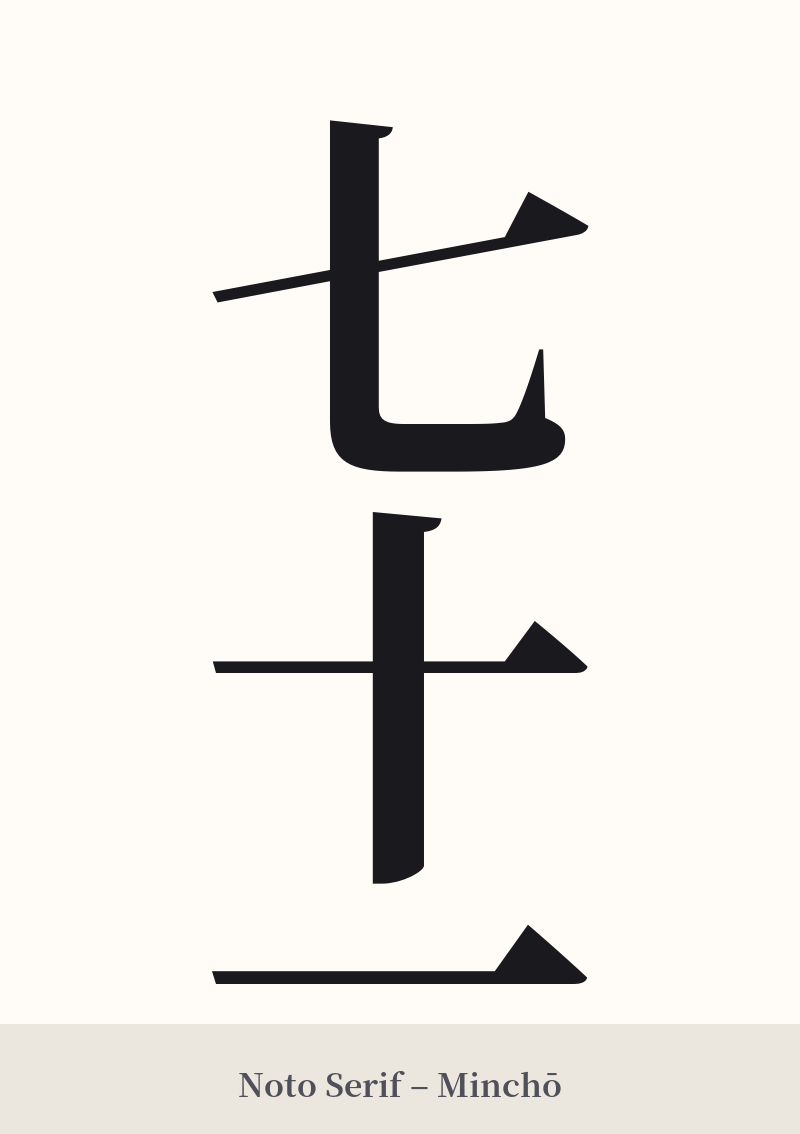
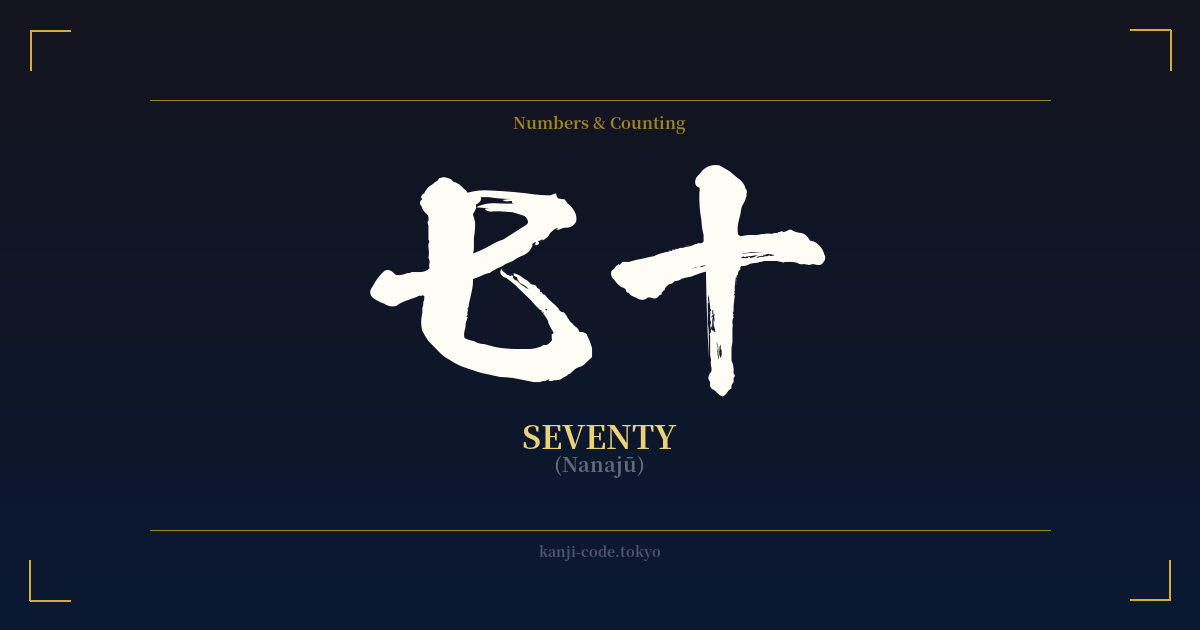
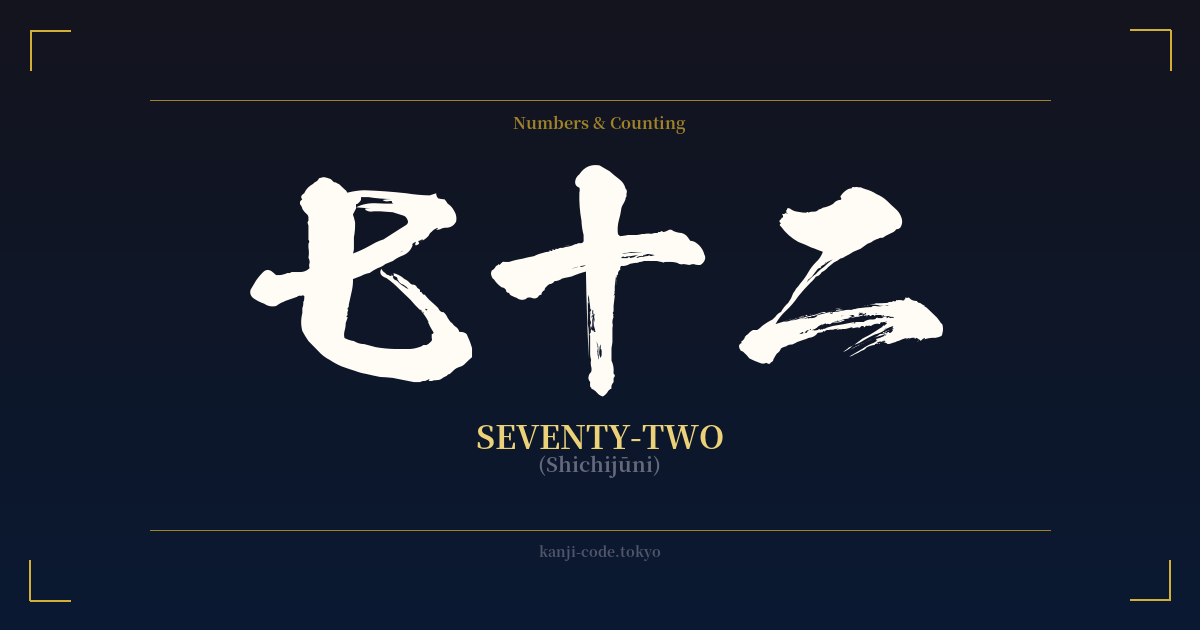
The same kanji can look dramatically different depending on the calligraphy style. Choose a font that matches the mood you want for your tattoo or design.
🎨 Tattoo Suitability
📐 Tattoo Design Guide
For a tattoo of 七十一, the design choices are crucial in elevating it from a simple number to a piece of art. Because the individual kanji are very simple, the style and placement carry most of the aesthetic weight.
– Placement: Vertical alignment is highly recommended. This is the traditional way to write Japanese and it creates a more elegant, flowing look than a horizontal arrangement. Consider placements that follow the body's natural lines, such as the forearm, spine, or along the ribs.
– Font Style: This is where you can be most creative. A dynamic, semi-cursive or cursive calligraphy style (gyōsho or sōsho) can inject energy and personality into the simple characters. Conversely, a crisp and architectural block script like Mincho or Kaisho can emphasize its clean, geometric nature.
– Visual Tips: Since the meaning is highly personal, consider integrating a visual element that hints at the story behind the number. For example, if it represents a birth year, it could be paired with a subtle design of the corresponding zodiac animal. If it's an anniversary, it could be intertwined with a flower that bloomed on that day. This adds a layer of meaning that is both personal and visually interesting.
Comments