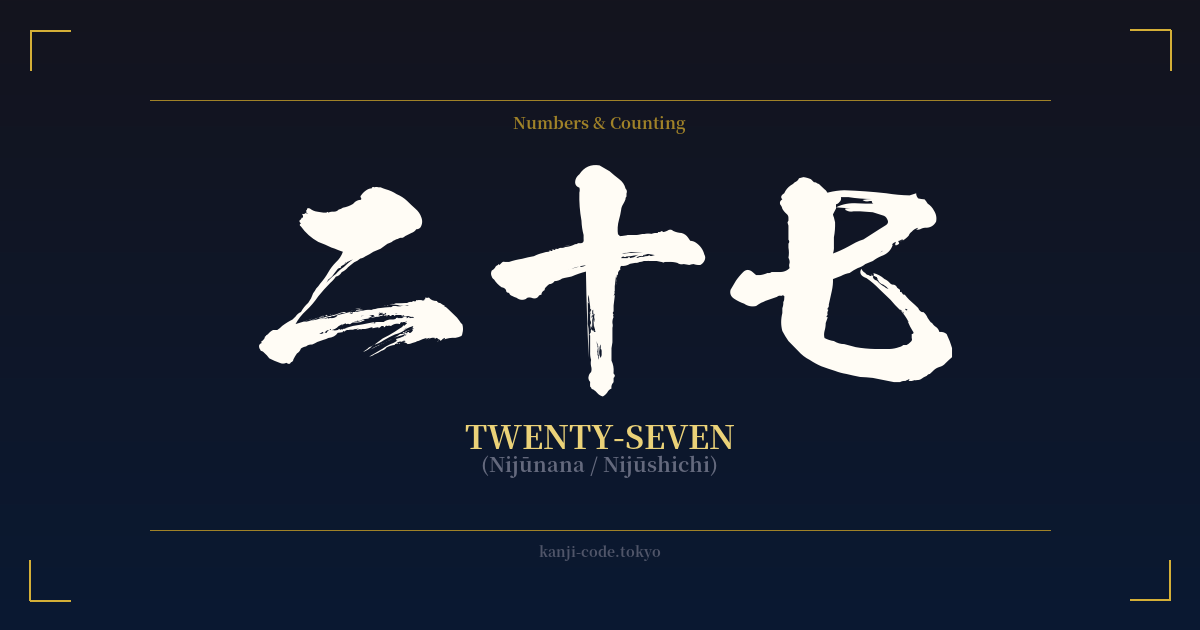
✍️ 二十七 (Nijūnana / Nijūshichi) — Cultural Context
The Japanese word for twenty-seven, 二十七, is a straightforward construction that perfectly illustrates the logical system of Japanese numerals. It is formed by combining 二 (ni, two), 十 (jū, ten), and 七 (shichi/nana, seven). The structure reads as 'two-tens-seven,' a clear and efficient way to represent the value.
There are two common ways to pronounce 二十七: 'Nijūshichi' and 'Nijūnana.' While both are correct, 'Nijūnana' is frequently preferred in everyday speech. This is because the sound 'shichi' (seven) can be easily confused with 'ichi' (one). Furthermore, the syllable 'shi' is a homophone for 死, the kanji for 'death.' To avoid this negative connotation and ensure clarity, many Japanese people opt for the unambiguous 'nana' reading for the number seven.
Unlike numbers such as four (associated with death), eight (associated with prosperity), or seven on its own (often seen as lucky), the number twenty-seven does not hold a major, universally recognized symbolic meaning in traditional Japanese culture. Its significance is almost always personal, tied to a specific date, age, or event meaningful to an individual.
However, in more niche or modern contexts, twenty-seven has found some interesting associations. In Buddhist astrology, which has roots in Indian systems, there is the concept of the 27 Nakshatras, or lunar mansions—divisions of the night sky that the moon passes through. This adds a layer of cosmic or spiritual significance for those interested in Eastern astrology.
A prominent pop culture reference comes from the massively popular anime and manga series 'Katekyo Hitman Reborn!' The main protagonist, Tsunayoshi Sawada, is often referred to by the number 27, as 'Tsu' can be a pun for 'two' (from the English word) and 'na' for 'nana' (seven). For fans of the series, the number 27 is instantly recognizable and carries strong associations with the character's journey and identity.
Globally, the number is infamous for the '27 Club,' a list of popular musicians, artists, and actors who died at age 27. While this is a Western media construct, its global reach means that some people may associate the number with this tragic phenomenon. Ultimately, the meaning of 二十七 in a modern context is highly subjective, defined more by personal history and subculture than by ancient tradition.
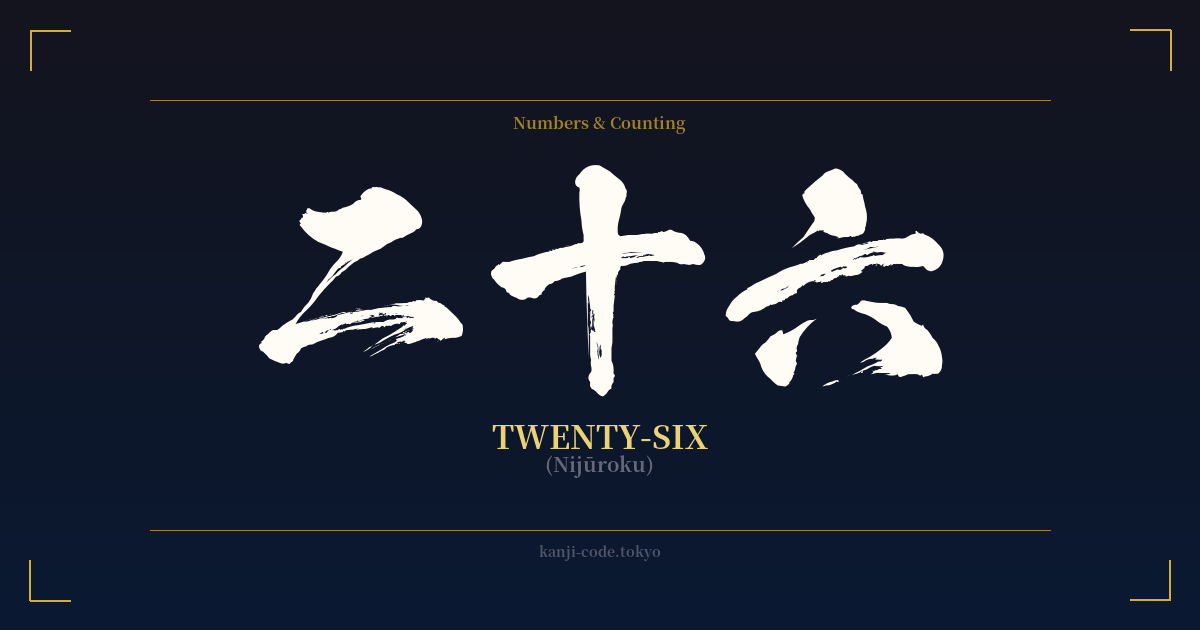
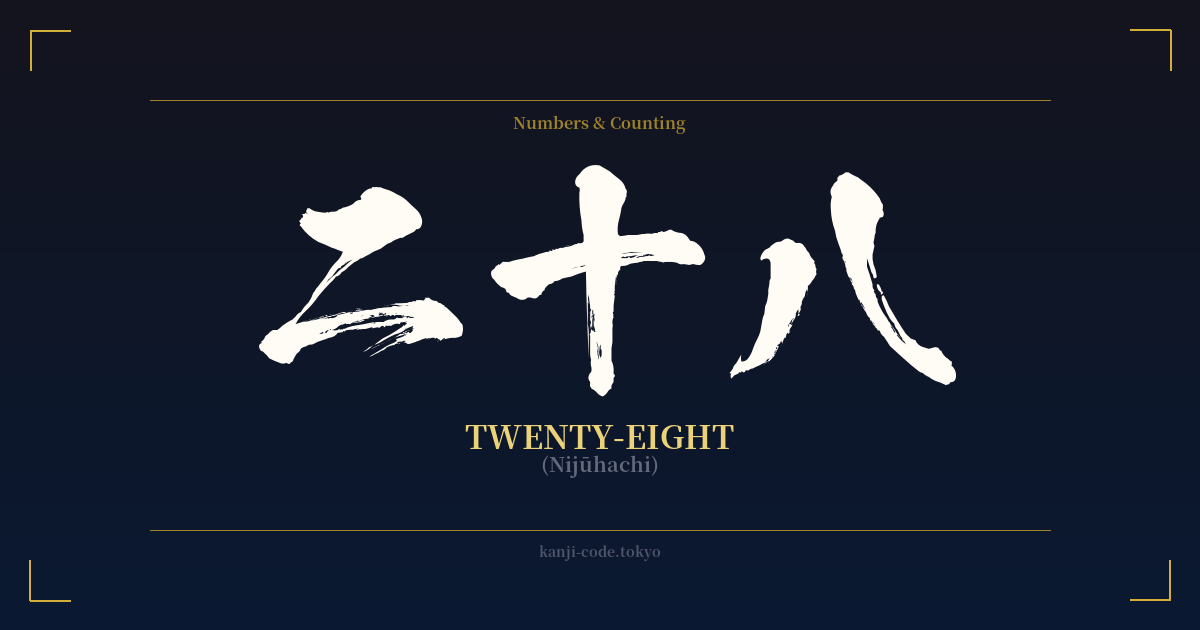
🖌️ Font Styles for 二十七
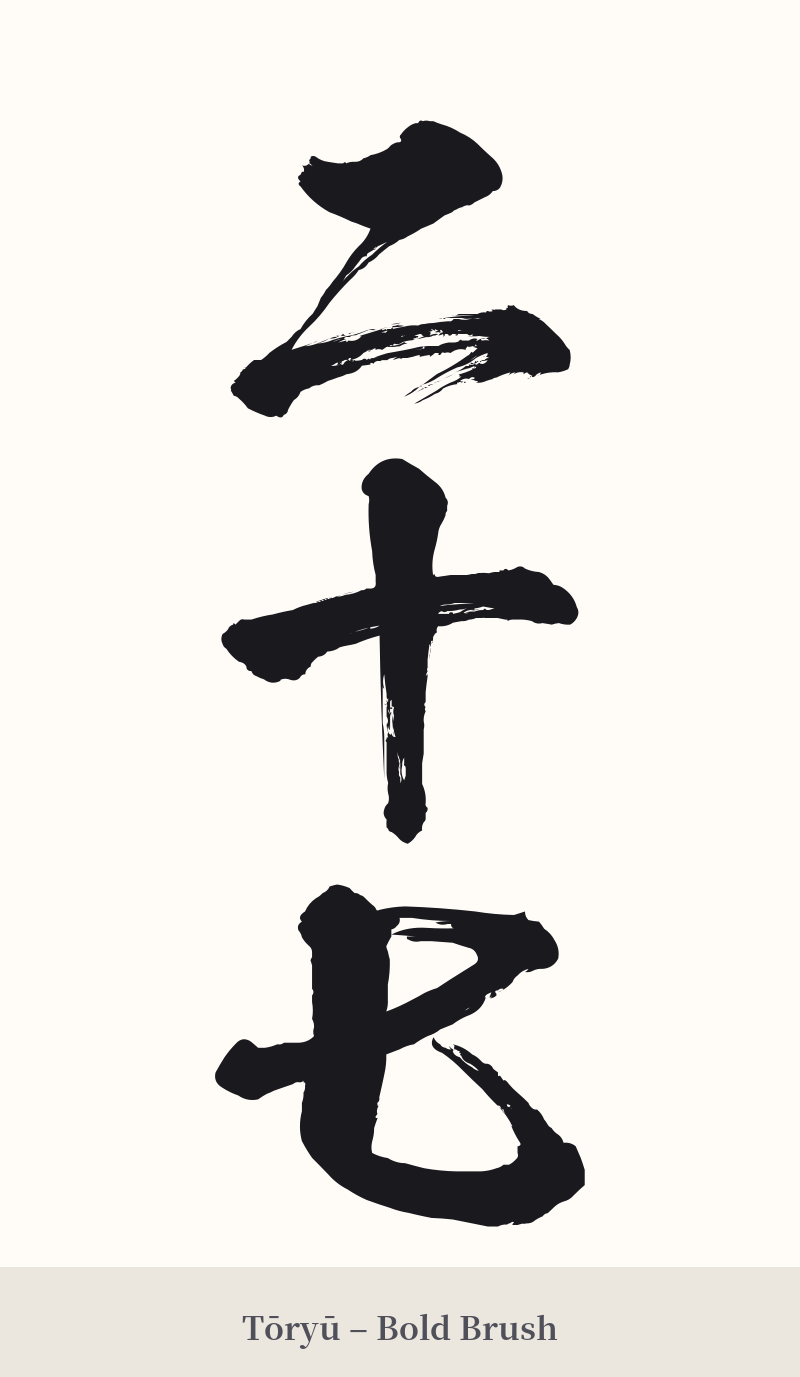
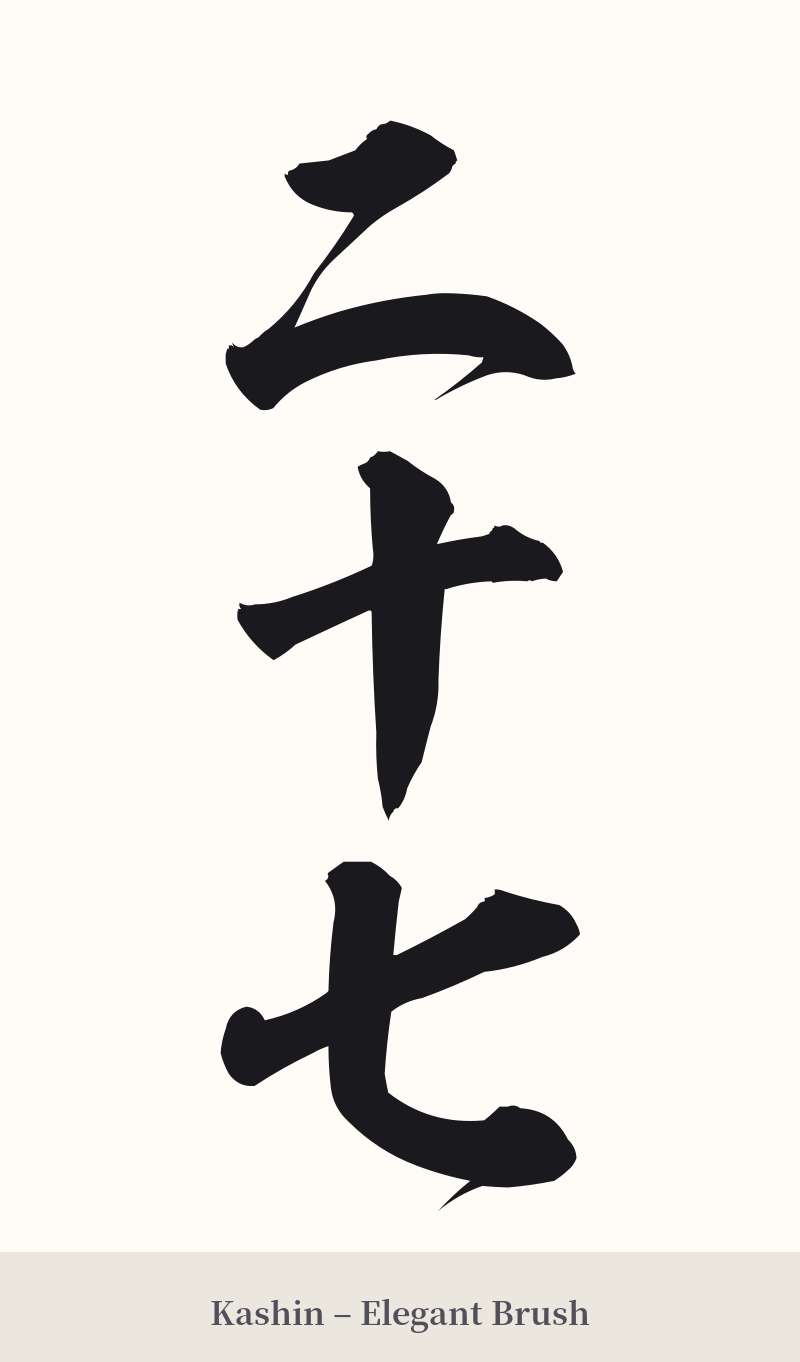
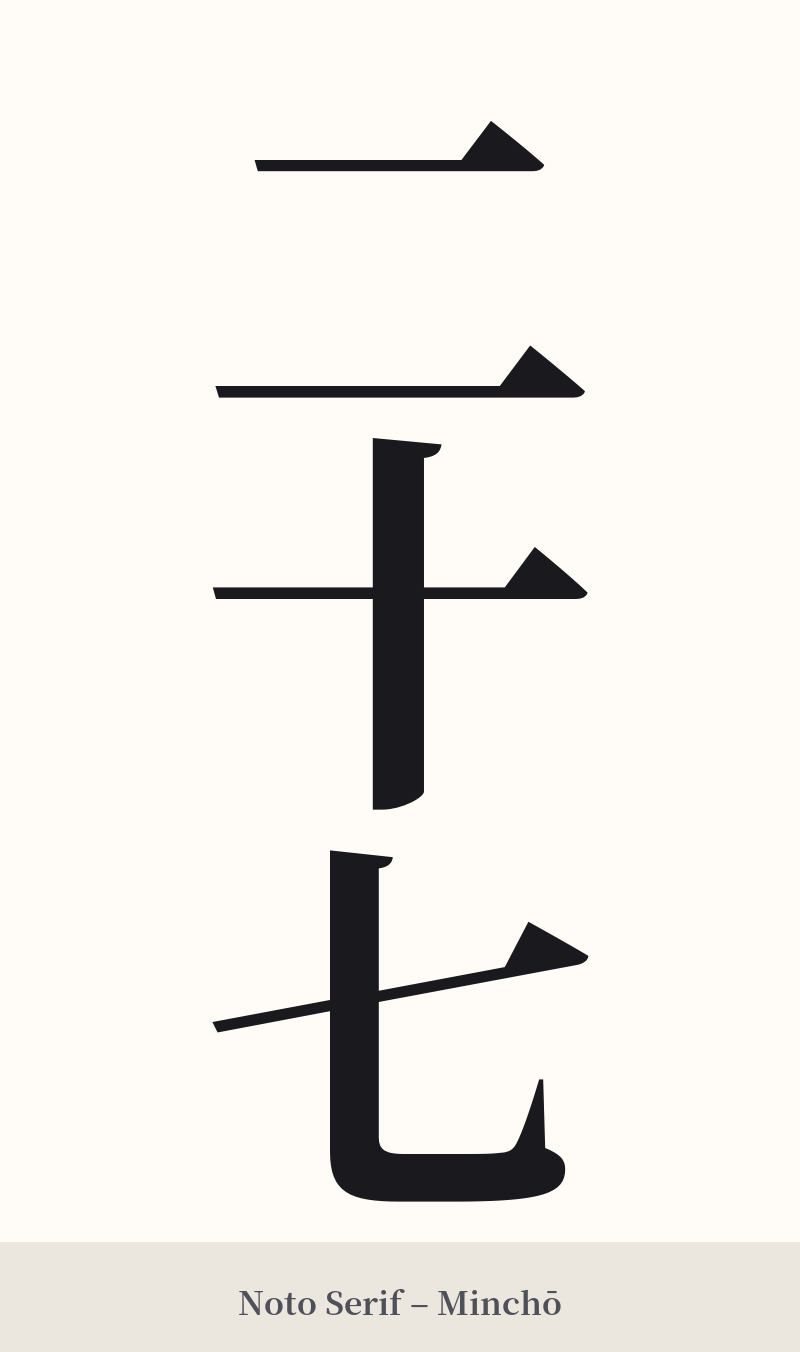
The same kanji can look dramatically different depending on the calligraphy style. Choose a font that matches the mood you want for your tattoo or design.
🎨 Tattoo Suitability
📐 Tattoo Design Guide
Because 二十七 is composed of three simple characters, the design's impact relies heavily on style and placement.
– Placement: Vertical alignment is a natural fit for these characters. Consider placing it along the spine, the forearm, the side of the calf, or down the ribs. A horizontal arrangement works well across the collarbone or inner bicep.
– Font Style: The simplicity of the kanji offers a blank canvas. A bold, angular font like a Gothic or block-style Mincho can give it a modern, graphic feel. Conversely, a flowing, semi-cursive (Gyōsho) or fully cursive (Sōsho) script can imbue it with a sense of personal expression and artistic flair.
– Visual Tips: To add depth, consider incorporating the kanji into a larger piece. The number could be part of a design that explains its significance—for example, woven into an image representing a birthday, an anniversary, or a symbol from a favorite story where the number 27 is important.
Comments