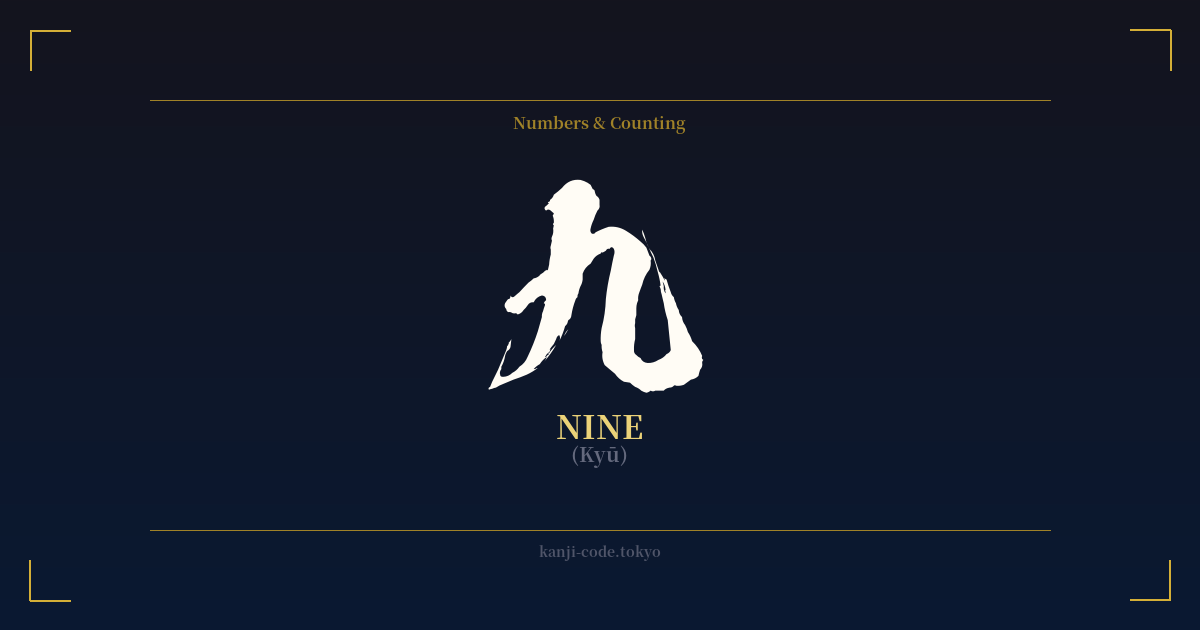
✍️ 九 (Kyū) — Cultural Context
The kanji 九 (kyū, ku) is, at its core, the character for the number nine. Its form is one of the simplest in the entire Japanese writing system, composed of just two graceful strokes. The origin of the character is thought to be a pictograph of an arm bending at the elbow, a symbol of turning or reaching a limit, which is fitting for the last single-digit number.
In Japan, numbers are rarely just numbers; they are often imbued with deeper meaning through a form of wordplay called 'goroawase,' where words with the same pronunciation are linked. The number nine is a prime example of this, carrying a starkly dualistic nature that makes it both auspicious and unlucky.
The negative connotation comes from its 'on'yomi' (Sino-Japanese reading) of 'ku.' This pronunciation is identical to that of the kanji 苦, which means 'suffering,' 'hardship,' or 'agony.' Because of this unfortunate homophone, the number nine is often avoided in contexts where luck is a factor. You will rarely find a Room 9 or a 9th floor in Japanese hospitals or some hotels. Gifting items in sets of nine can also be seen as a bad omen.
However, this is only half the story. The character's other primary reading, 'kyū,' offers a completely opposite meaning. 'Kyū' is a homophone for the kanji 久, which means 'long-lasting,' 'permanence,' or 'eternity.' This association transforms the number nine into a symbol of longevity and good fortune. This positive meaning is often invoked in celebratory contexts and is why the number is not universally shunned.
This duality is central to understanding 九. It represents both the peak of suffering and the promise of eternity. This tension gives the simple number a surprising depth. Historically, its presence is felt across Japan, most notably in the name of the island of Kyūshū (九州), which literally means 'Nine Provinces,' referring to the nine ancient provinces of the island.
In Buddhism, the number also holds significance. The concept of 'kuhon jōdo' (九品浄土) refers to the nine levels of the Pure Land paradise, classifying beings based on their karmic merit. Here, nine represents a complete, tiered system of spiritual attainment. It is the final stage before a new beginning, the highest point on a scale of one to nine, embodying a sense of completion and climax.
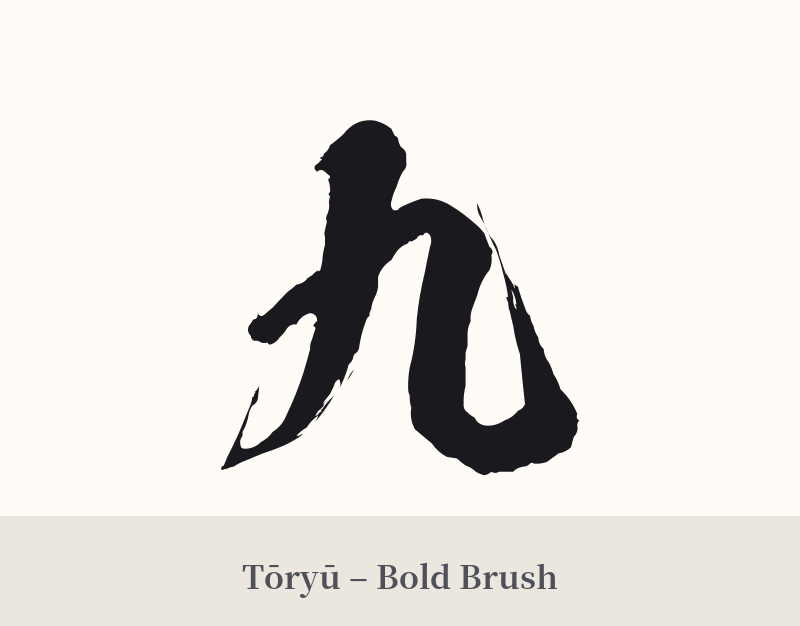
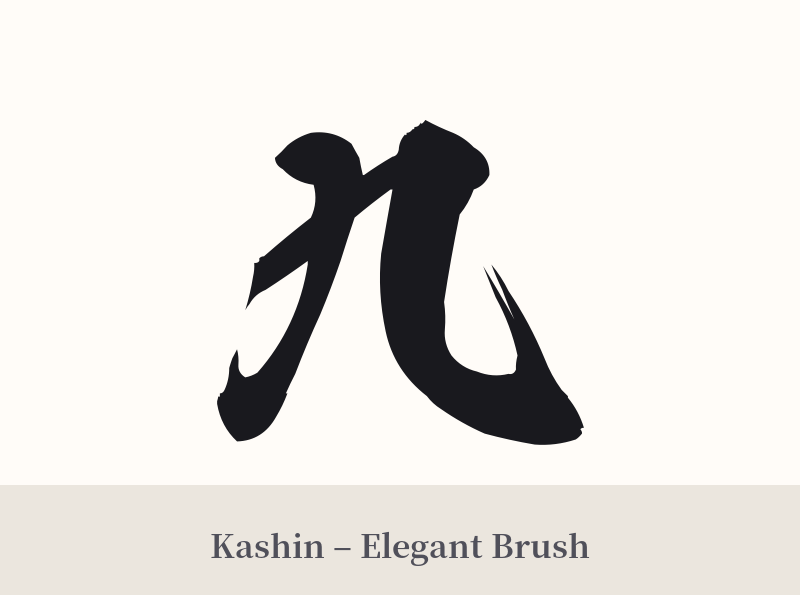
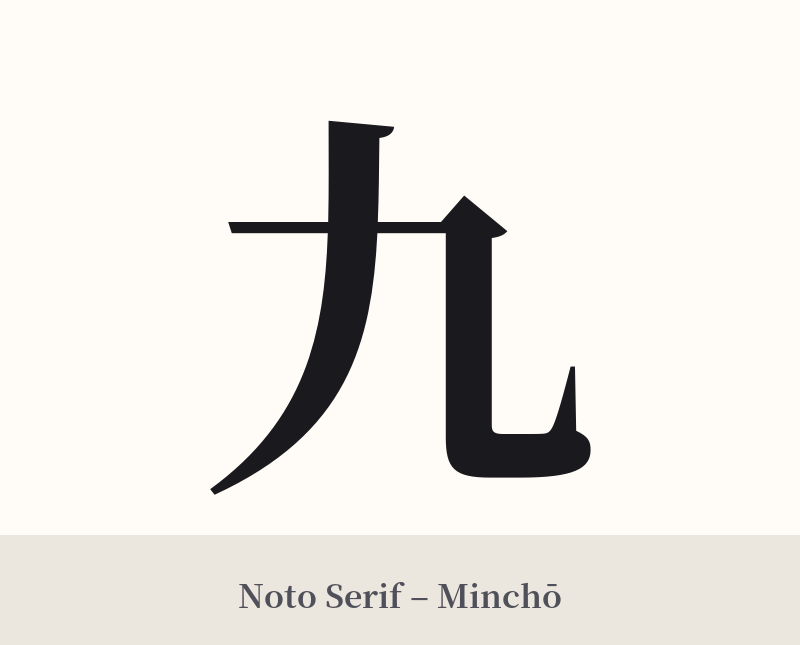
🖌️ Font Styles for 九
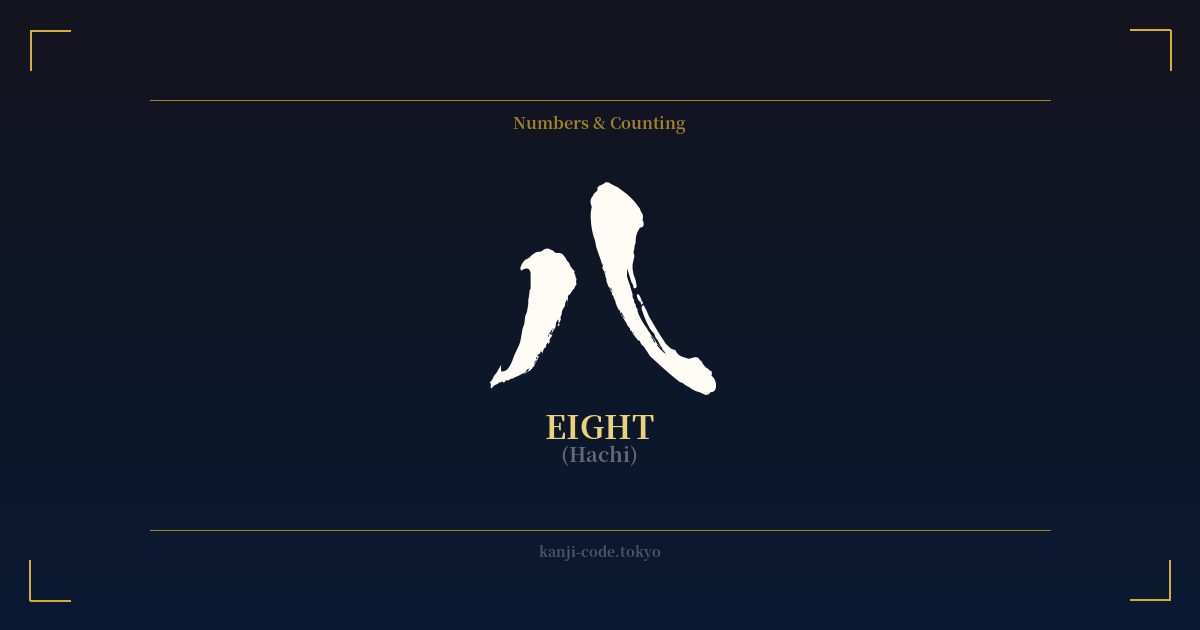
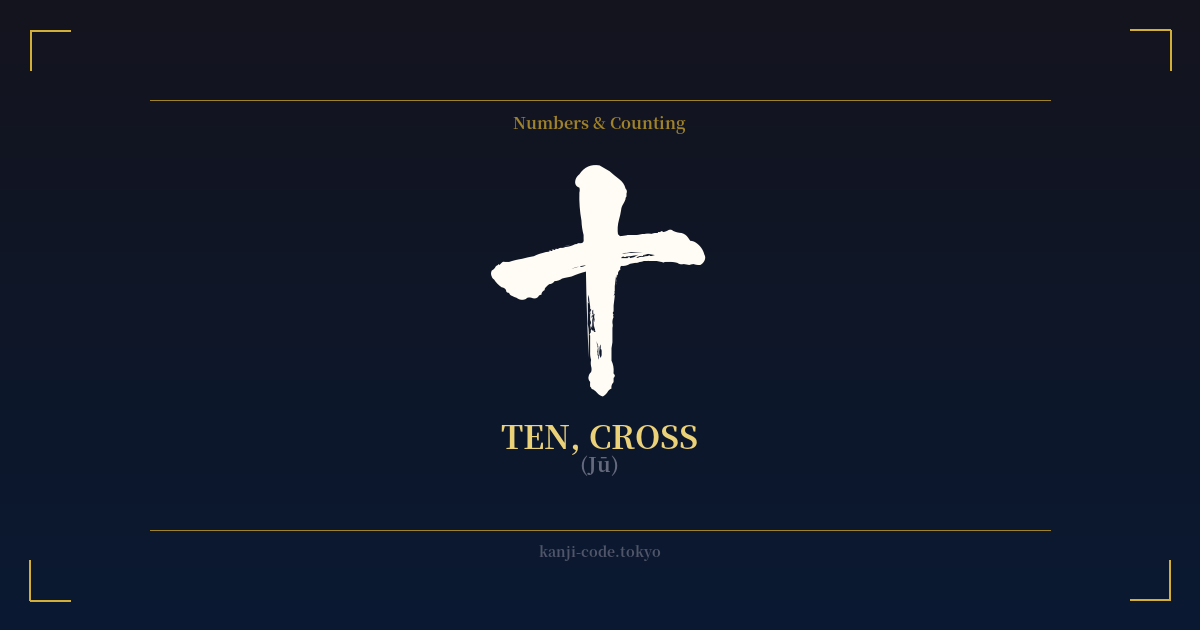
The same kanji can look dramatically different depending on the calligraphy style. Choose a font that matches the mood you want for your tattoo or design.
🎨 Tattoo Suitability
📐 Tattoo Design Guide
Due to its extreme simplicity, the kanji 九 can be challenging to use as a standalone tattoo. It often works best when integrated into a larger concept or when its simplicity is embraced as a minimalist statement.
– Placement: Small, discrete placements are ideal. Consider the wrist, behind the ear, on an ankle, or as one character in a vertical sequence on the spine or arm. It's generally not recommended for a large backpiece on its own.
– Font Style: To counteract its simplicity, choose a font with presence. A bold, blocky Kaisho script can give it weight. Alternatively, a dynamic and expressive Gyosho (semi-cursive) or Sosho (cursive) brushstroke can turn the two simple lines into a piece of abstract art.
– Visual Tips: Combine 九 with other imagery to give it context. To emphasize the 'longevity' meaning, pair it with the kanji 久, or with symbols like a crane or turtle. To represent a significant date, it could be part of a numerical sequence. Placing it inside an ensō (Zen circle) can provide a frame and a sense of completeness.
Comments