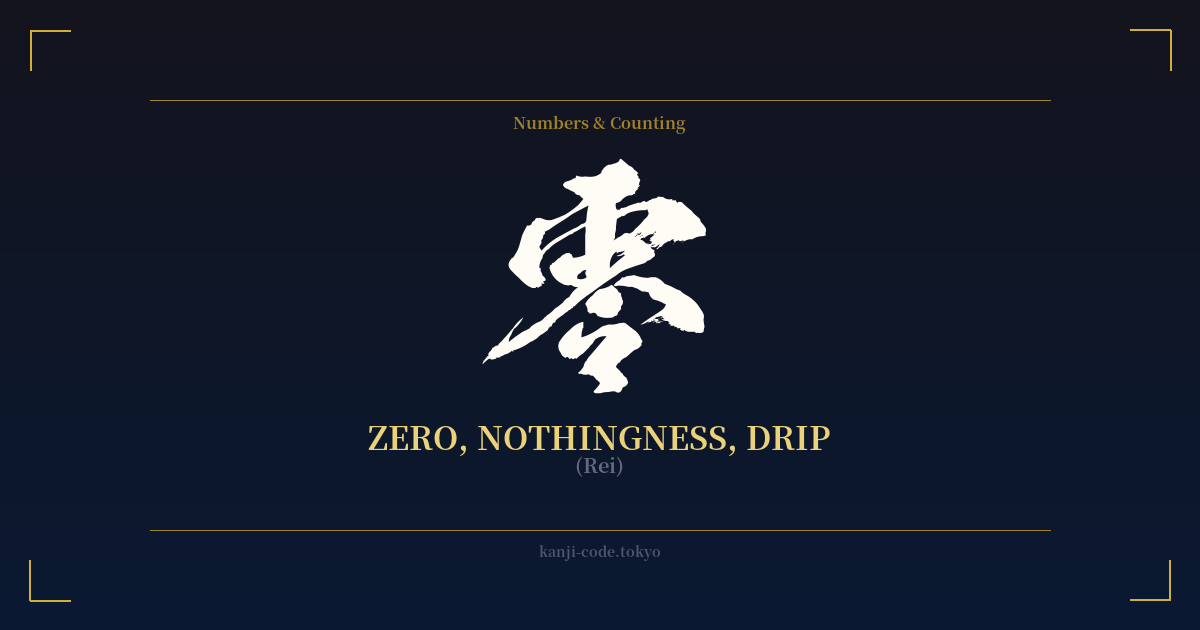
✍️ 零 (Rei) — Cultural Context
The kanji 零 (Rei) is a character of beautiful duality, bridging the concrete world of mathematics with the abstract realm of philosophy. On the surface, it is the Japanese numeral for 'zero,' a concept that revolutionized mathematics. But its origins and cultural implications delve much deeper, revealing a story of nature, potential, and the very essence of beginning.
The character’s etymology is surprisingly poetic. It is a compound of 雨 (ame), meaning 'rain,' and 令 (rei), which originally depicted a person kneeling to receive an order or oracle. Together, they formed the initial meaning of 'a single drop of rain' or 'drizzle.' From this idea of a tiny, almost insignificant amount, the meaning evolved to represent 'a fragment,' 'a remainder,' and eventually, the ultimate small quantity: zero.
This journey from a raindrop to a number is key to understanding its philosophical weight. In Western thought, zero can sometimes be associated with a void or a lack. In Eastern philosophy, particularly influenced by Zen Buddhism, this 'nothingness' is not an empty void but a state of pure potential. It is the silence before the music, the blank canvas before the first stroke. This concept is closely related to 無 (mu, nothingness) and 空 (kū, emptiness/void), which see emptiness as the source of all things. Therefore, 零 represents the starting point of everything, the cyclical return to origin before a new beginning.
This profound meaning is subtly woven into Japanese culture. You see it in the term 零度 (reido), meaning zero degrees Celsius, which is not just cold but the precise point where water transforms from liquid to solid—a state of change. It also carries a historical weight through its association with the iconic Mitsubishi A6M 'Zero' fighter plane of World War II. The plane was named because it entered service in the Japanese imperial year 2600, hence 'Type 00'.
In modern pop culture, the kanji 零 resonates in titles like the popular horror video game series 'Fatal Frame,' known in Japan as 零 (Zero). The game's themes of spirits, memory, and the boundary between worlds tap into the character's ghostly and ethereal connotations. Whether representing a number, a drop of rain, or the infinite potential of the void, 零 is a character that invites contemplation and speaks to the beauty of beginnings.
🖌️ Font Styles for 零
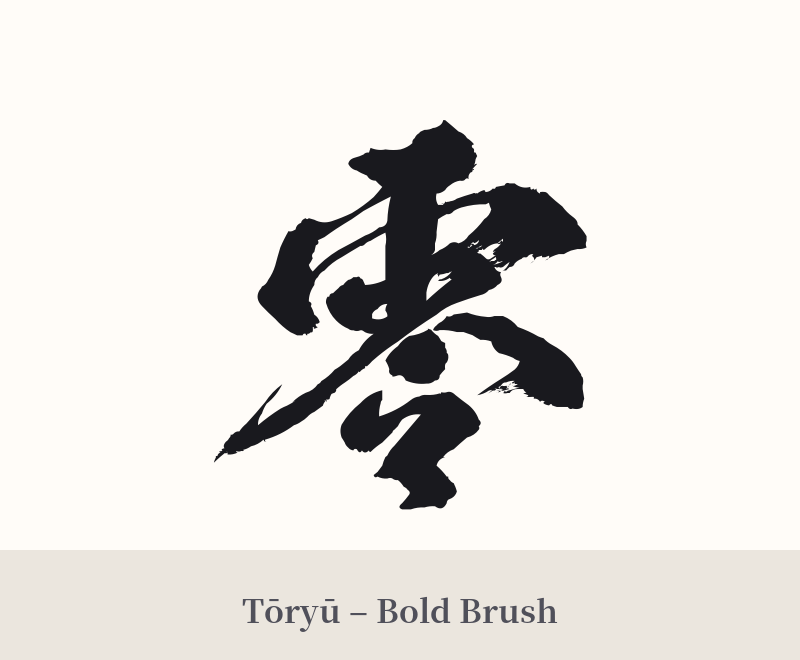
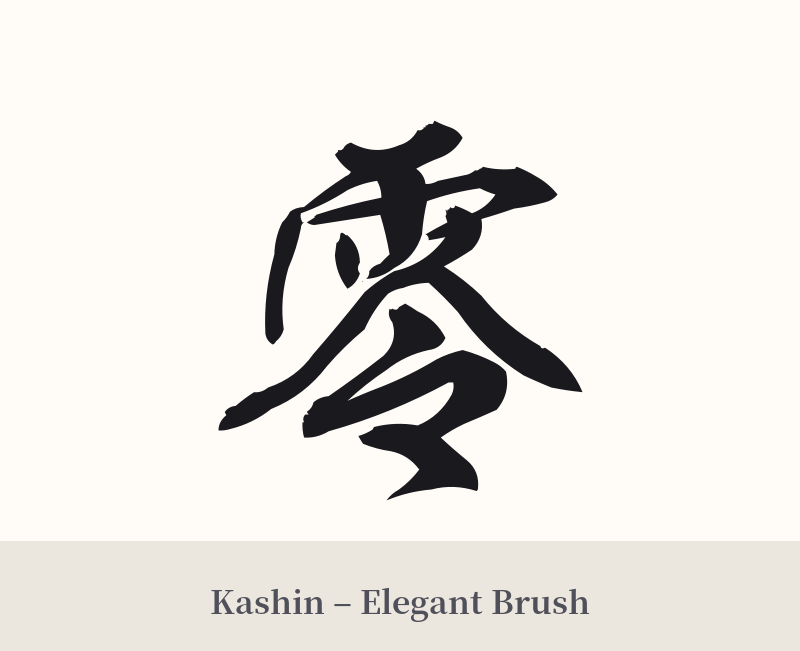
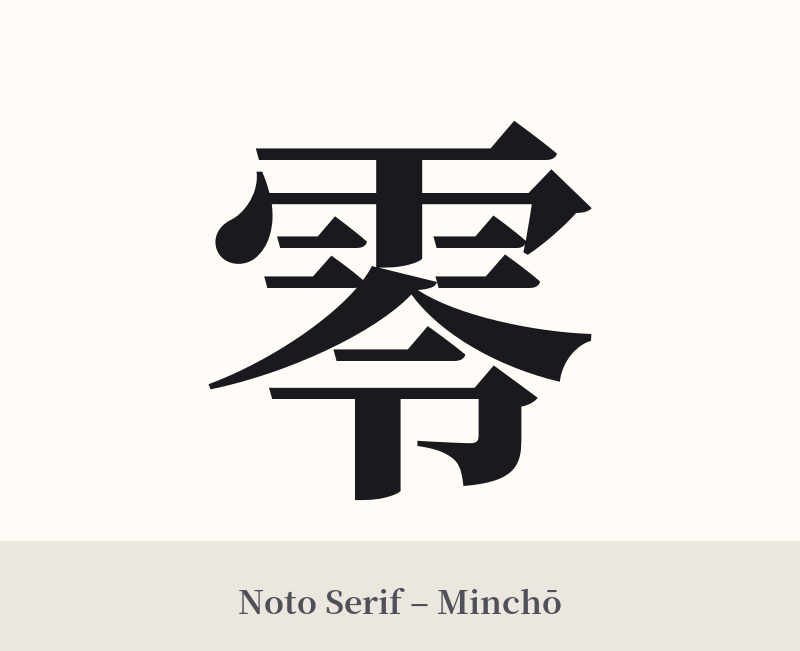
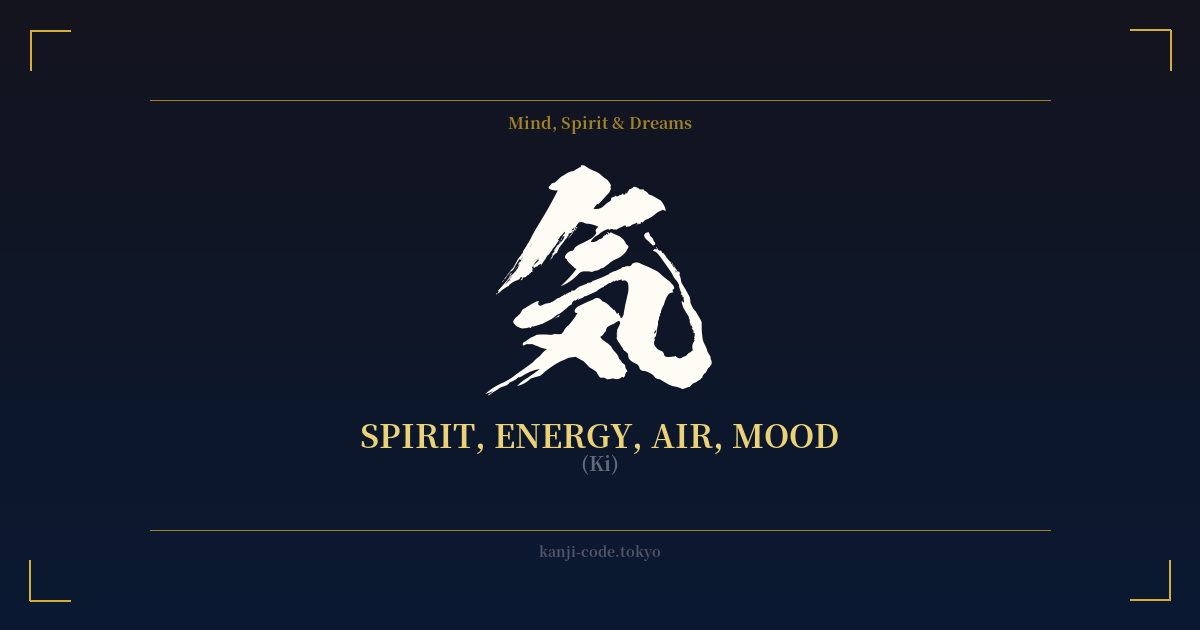
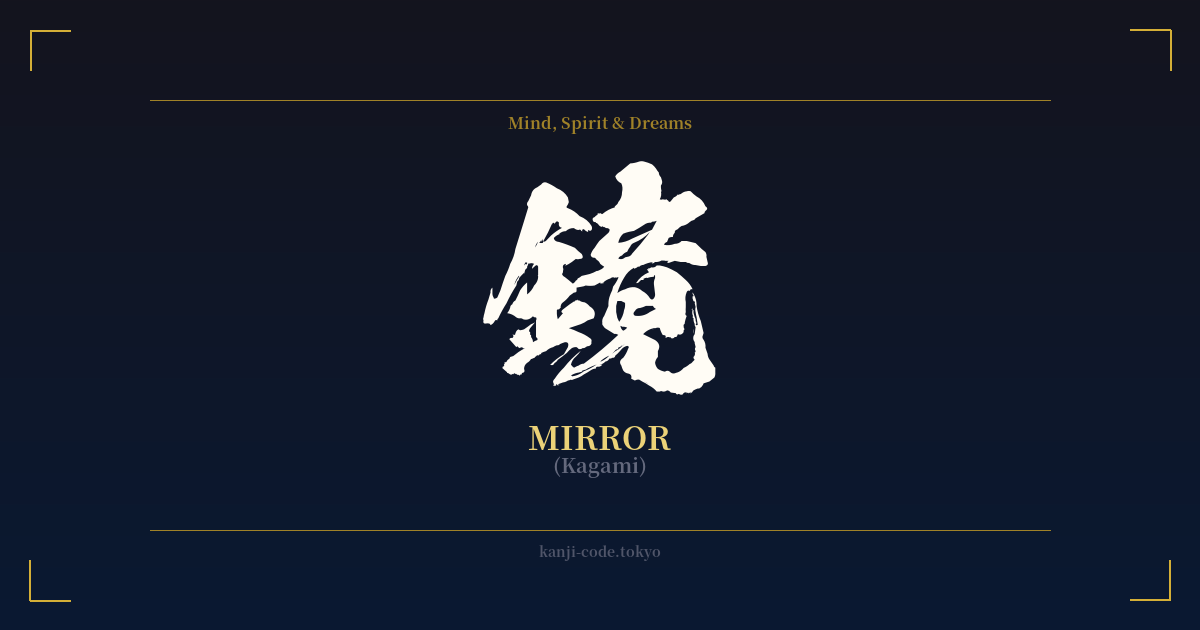
The same kanji can look dramatically different depending on the calligraphy style. Choose a font that matches the mood you want for your tattoo or design.
🎨 Tattoo Suitability
📐 Tattoo Design Guide
The kanji 零 (Rei) offers a lot of versatility in tattoo design due to its balanced structure and profound meaning. It works well as a standalone piece that embodies a minimalist aesthetic.
– Placement: Consider areas that complement a single, elegant symbol. The inner wrist, back of the neck, behind the ear, or on the ankle are excellent choices for a subtle statement. For a larger piece, the forearm or calf allows for more detail and stylistic flair.
– Font Style: The style can dramatically alter the mood. A crisp, clean Mincho or Kaisho script emphasizes its mathematical precision and modernity. For a more organic and philosophical feel, an expressive Gyosho (semi-cursive) or Sosho (cursive) script can evoke the character's origin as a 'drip' of rain, with flowing, dynamic lines.
– Visual Tips: To enhance its meaning, consider creative integrations. The character could be designed to look as if it's dissolving into water droplets at the bottom. It can be placed within an Enso circle, another Zen symbol for emptiness and wholeness, creating a powerful visual pairing. A minimalist design might feature just the character in a striking red or black ink, allowing its form to speak for itself.
Comments