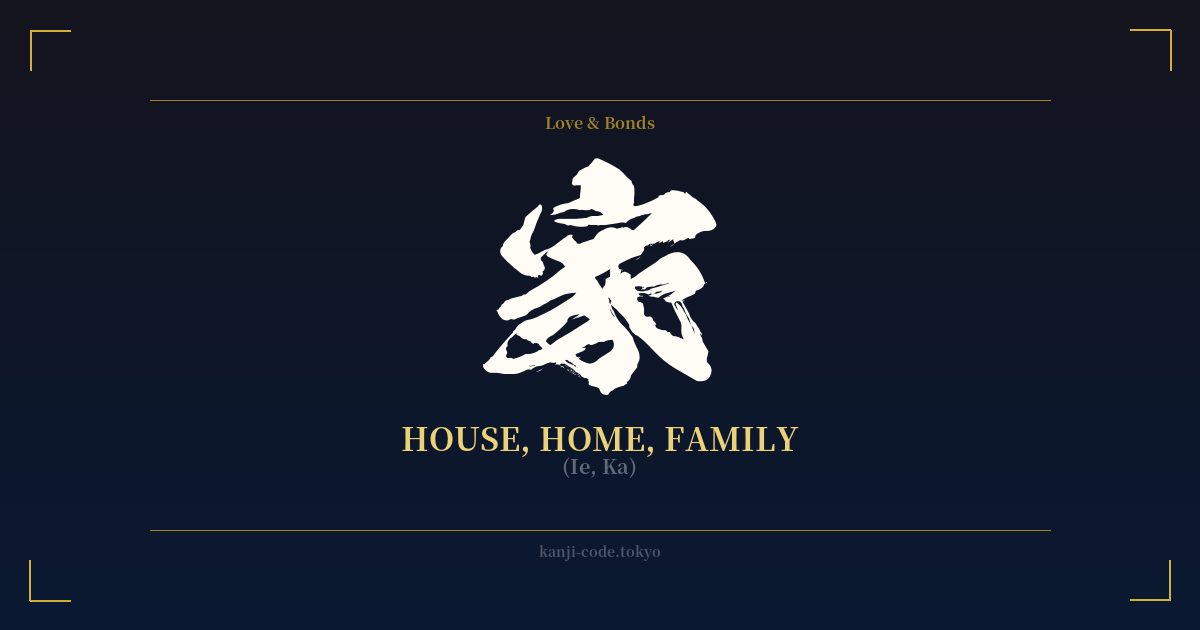
✍️ 家 (Ie, Ka) — Cultural Context
The kanji 家 (ie) is one of the most fundamental and emotionally resonant characters in the Japanese language. At its most basic, it refers to a physical house or building. However, its true depth lies in its abstract meanings: 'home' as a place of belonging, and 'family' as a lineage and a unit of society.
The character's origin story offers a fascinating glimpse into ancient life. It's a pictograph combining the radical 宀 (ukanmuri), which represents a roof, and the character 豕 (shi), which depicts a pig. In ancient China, where kanji originated, pigs were a symbol of wealth and sustenance, often kept within the family dwelling. Thus, a roof over a pig was the very picture of a prosperous and established household.
This single character encapsulates a concept that was historically the bedrock of Japanese society: the 'ie' system (家制度, ie seido). More than just a family, the 'ie' was a multi-generational household and a legal entity, emphasizing lineage, patriarchal authority, and the continuation of the family name and enterprise. The head of the household held significant power, and the collective good of the 'ie' superseded individual desires. This system was legally codified during the Meiji era and was only officially abolished after World War II.
While the legal framework is gone, the cultural echoes of the 'ie' system remain. It informs the respect for ancestors, the importance of family name, and the strong sense of duty that can still be observed in Japanese culture. Today, the word is often used alongside another term, 家庭 (katei), which refers more to the modern nuclear family and the emotional, private sphere of home life. 'Ie' carries the weight of tradition and lineage, while 'katei' speaks to the warmth and intimacy of one's immediate family.
In everyday language, 家 is ubiquitous. 'Ie ni kaeru' (家に帰る) means 'to go home.' It's a component in words like 家族 (kazoku, family), and even in specialized terms like 作家 (sakka, writer/author), literally a 'house of creation.' This simple character, born from a picture of a humble dwelling, has grown to represent the entire world of family, heritage, and the place we call home.
🖌️ Font Styles for 家
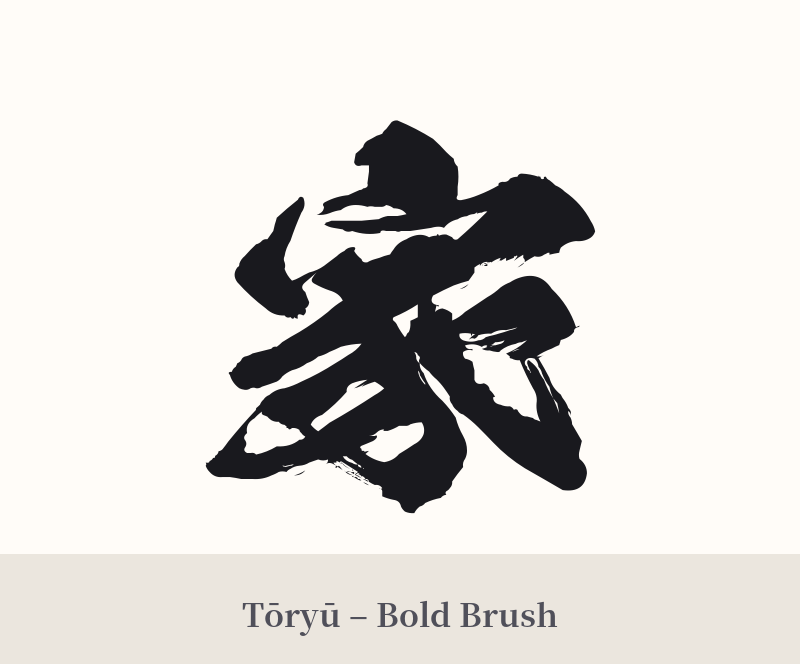
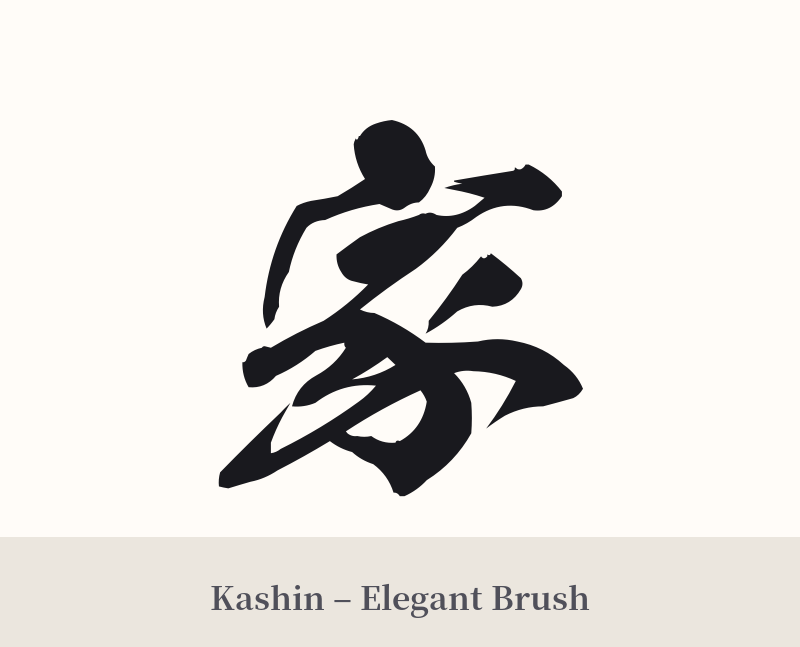
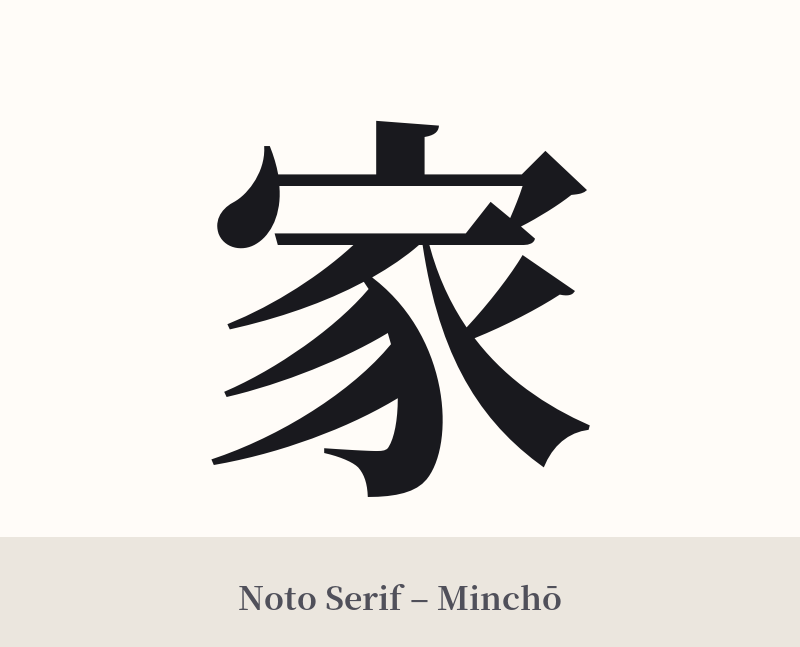
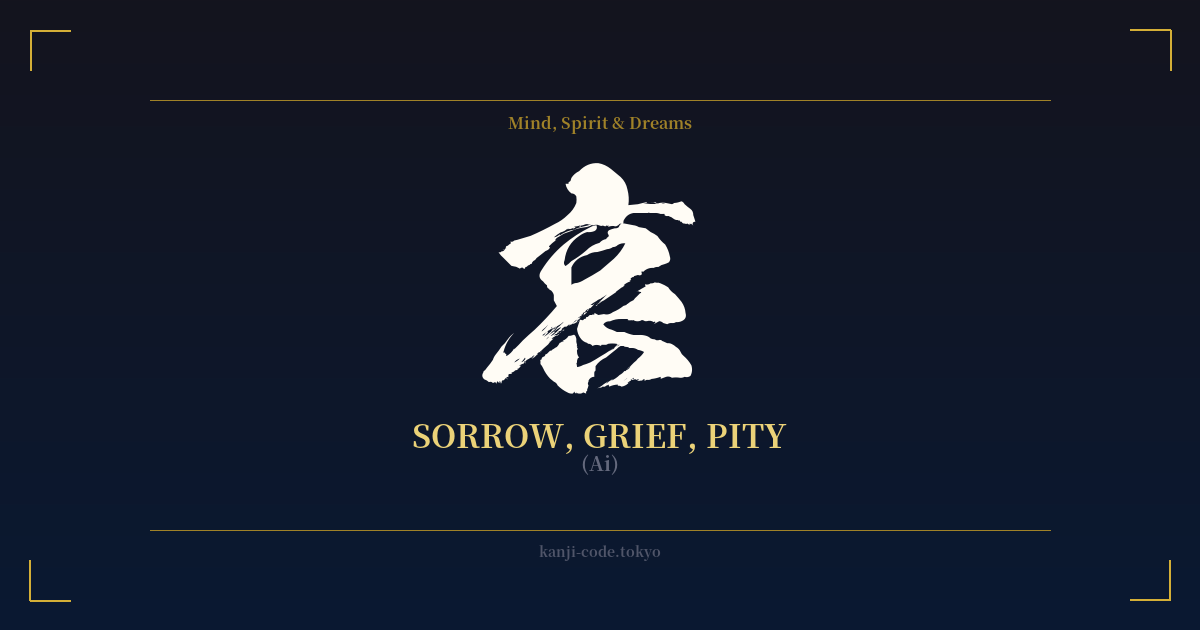
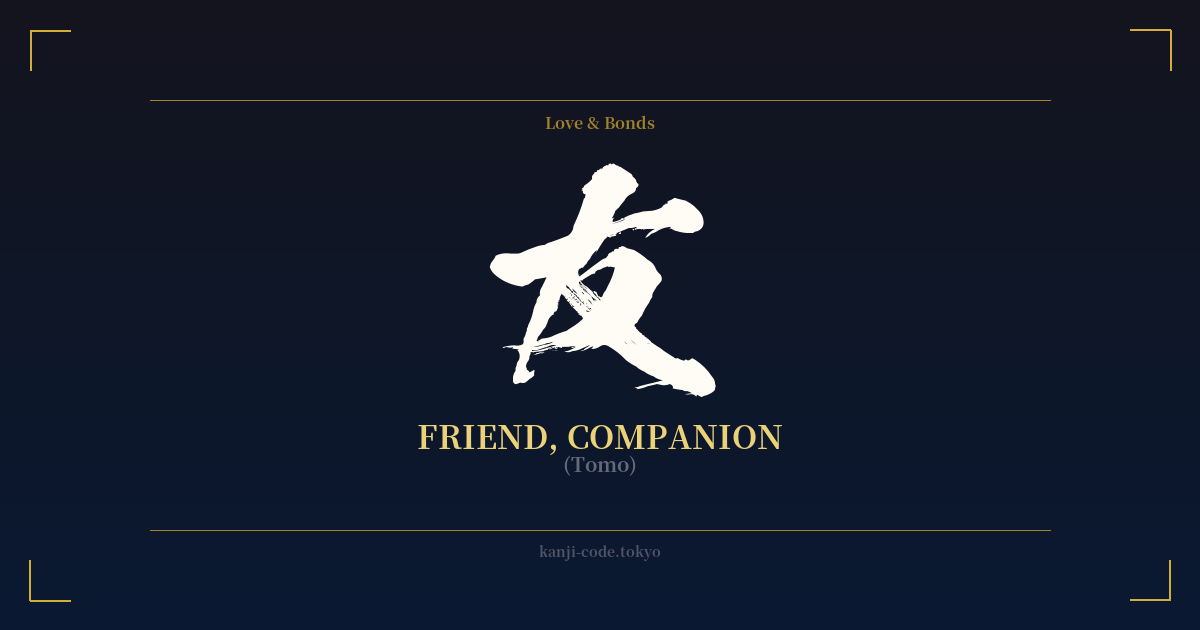
The same kanji can look dramatically different depending on the calligraphy style. Choose a font that matches the mood you want for your tattoo or design.
🎨 Tattoo Suitability
📐 Tattoo Design Guide
The kanji 家 is a versatile character that works well in a variety of tattoo designs, celebrating the foundational importance of home and family.
– Placement: For a personal and intimate symbol like this, consider placing it on the inner forearm, over the heart on the chest, or along the ribs. These spots keep the meaning close to you. For a bolder statement about your roots, the back of the shoulder or calf is also effective.
– Style: A traditional calligraphy (shodō) style with strong, deliberate brushstrokes can emphasize the character's stability and historical weight. For a more modern and personal feel, a minimalist Mincho or a handwritten-style font can soften its appearance, focusing on the warmth of 'home'.
– Visuals: Consider pairing 家 with other meaningful elements. It could be placed within an Enso circle to symbolize the complete world that family creates. It can also be complemented by a family crest (kamon), the names of loved ones, or floral elements like cherry blossoms to represent the beauty and transient nature of life shared with family.
Comments