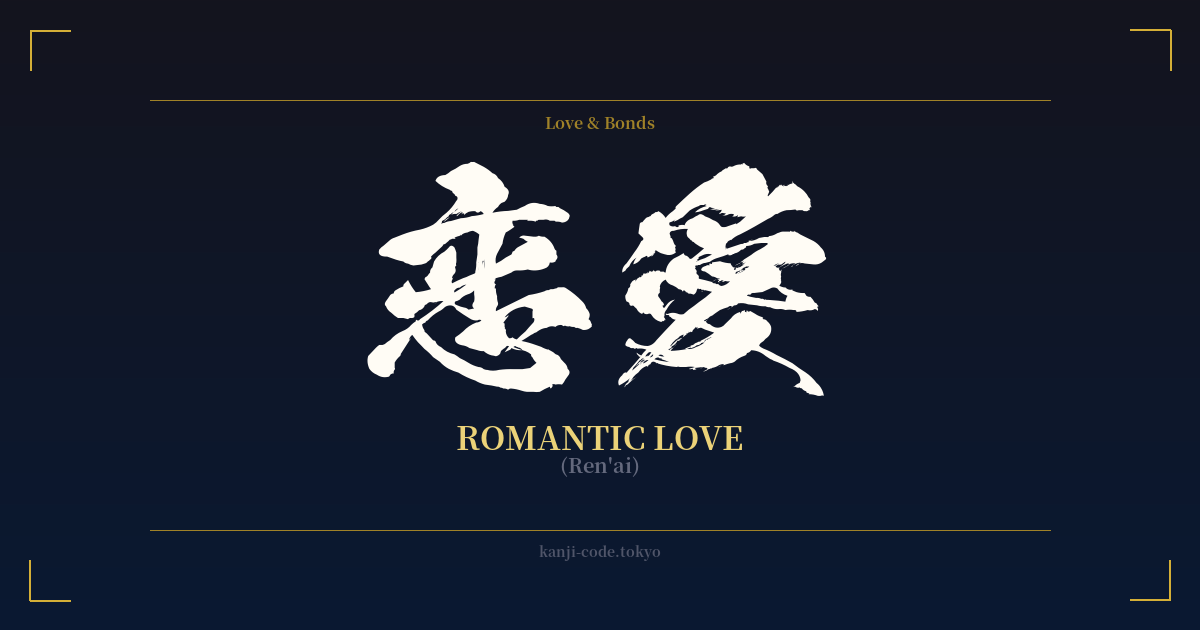
✍️ 恋愛 (Ren'ai) — Cultural Context
To understand 恋愛 (Ren'ai), you must first appreciate the famous distinction between its two components: 恋 (koi) and 愛 (ai). This isn't just a linguistic curiosity; it's a philosophical cornerstone of how love is perceived in Japan.
恋 (koi) is the initial, often turbulent, stage of love. It’s the yearning, the longing, the heart-pounding excitement of a new crush. It can be seen as a more selfish love, focused on the desire to be with someone. Think of the butterflies, the sleepless nights, the feeling of being completely consumed by another person—that is the essence of koi.
愛 (ai), on the other hand, represents a deeper, more stable, and selfless affection. It is the love that grows from shared experience and mutual respect. While koi is a storm, ai is the deep, calm ocean. It is the love of commitment, care, and quiet devotion, whether for a partner, family, or humanity itself. It is about giving, not just taking.
When these two characters combine to form 恋愛 (Ren'ai), they create a word that encompasses the entire journey of romantic love. It acknowledges that true romance contains both the fiery passion of koi and the enduring warmth of ai. It represents the evolution from an intense, personal desire to a shared, committed bond. It’s the whole story, from the first spark to the lasting flame.
The term 恋愛 gained prominence during the Meiji Restoration (1868-1912) as Japan opened to the West and absorbed new ideas about individualism and love-based marriage. Before this, unions were often arranged (お見合い, omiai) for strategic family purposes, with personal feelings being secondary. The rise of 恋愛 as a concept marked a major cultural shift toward the modern ideal of choosing a partner based on love and attraction.
Today, 恋愛 is a central theme in Japanese pop culture, from anime and J-dramas to novels and music. It’s distinctly different from other forms of love, such as 家族愛 (kazoku-ai, family love) or 友愛 (yūai, friendship). 恋愛 is specifically the domain of courtship, dating, and the unique, often dramatic, connection between romantic partners.
🖌️ Font Styles for 恋愛
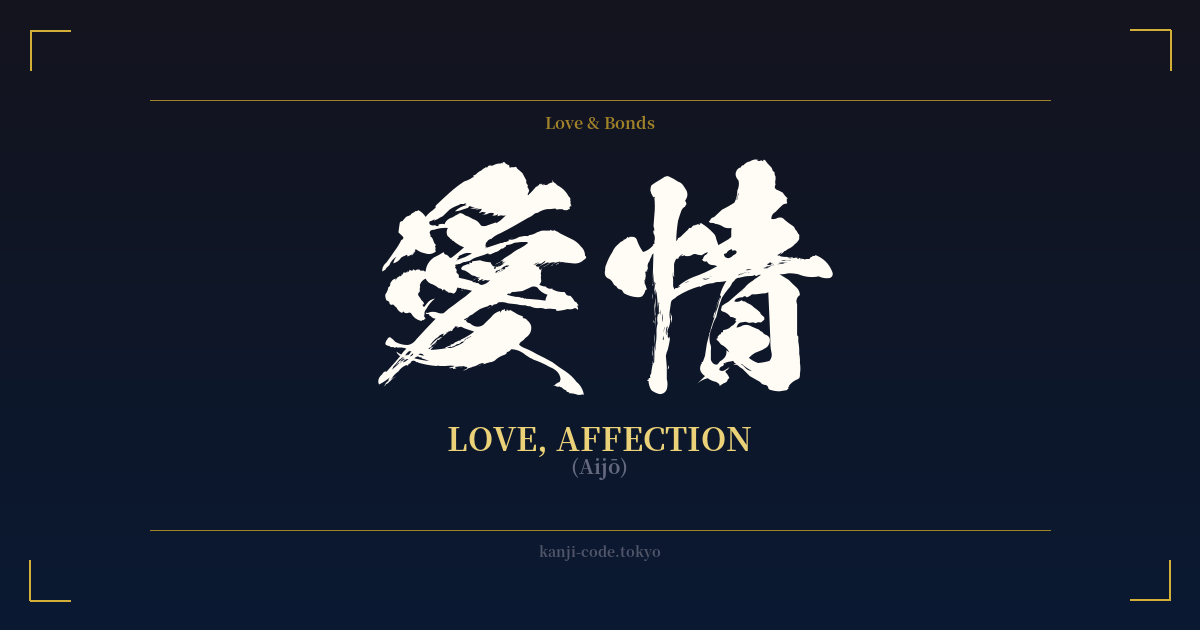
The same kanji can look dramatically different depending on the calligraphy style. Choose a font that matches the mood you want for your tattoo or design.
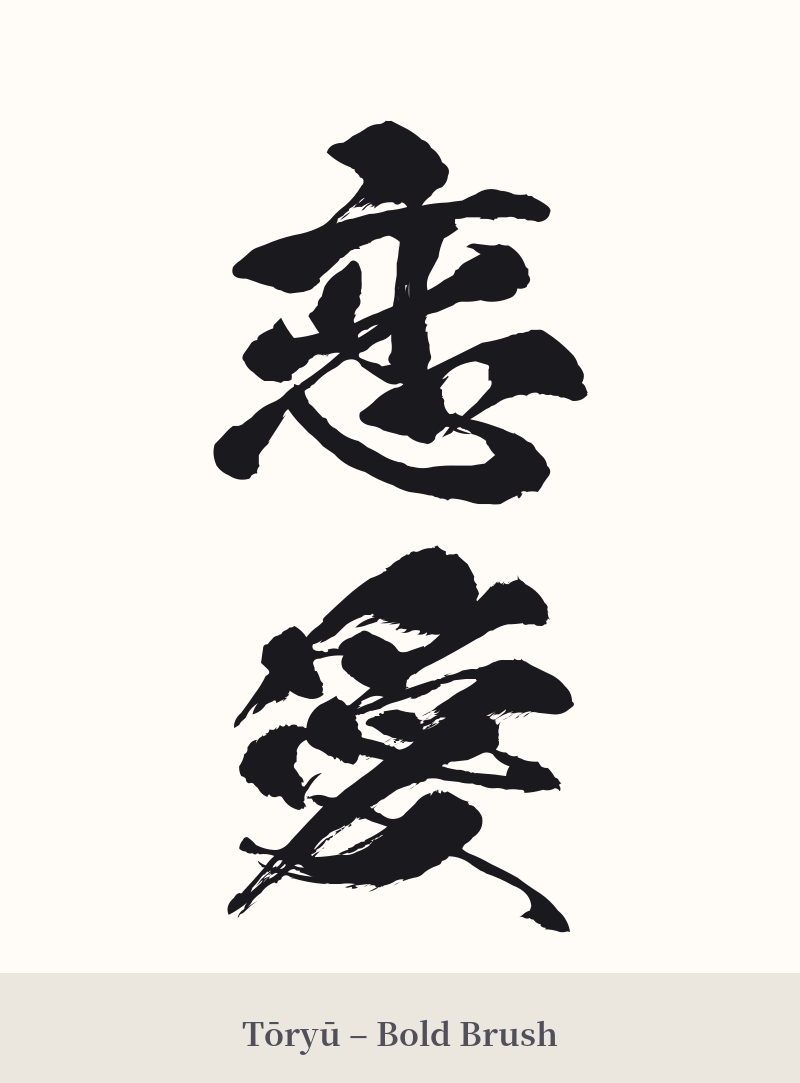
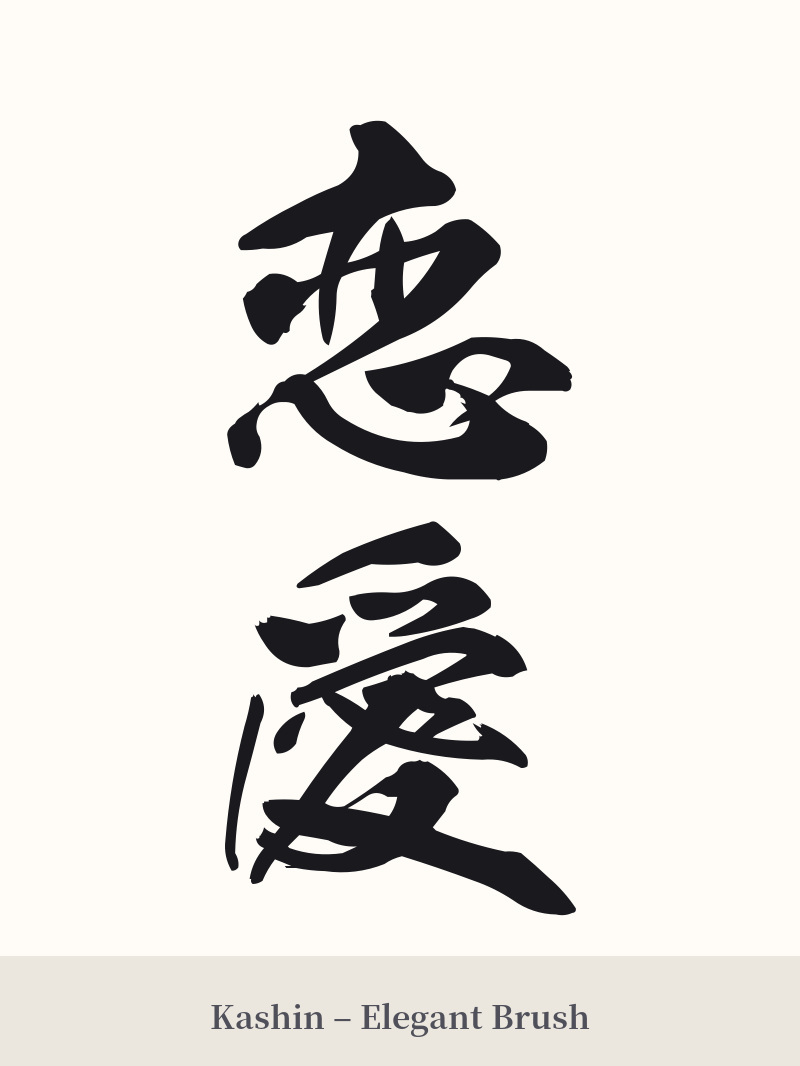
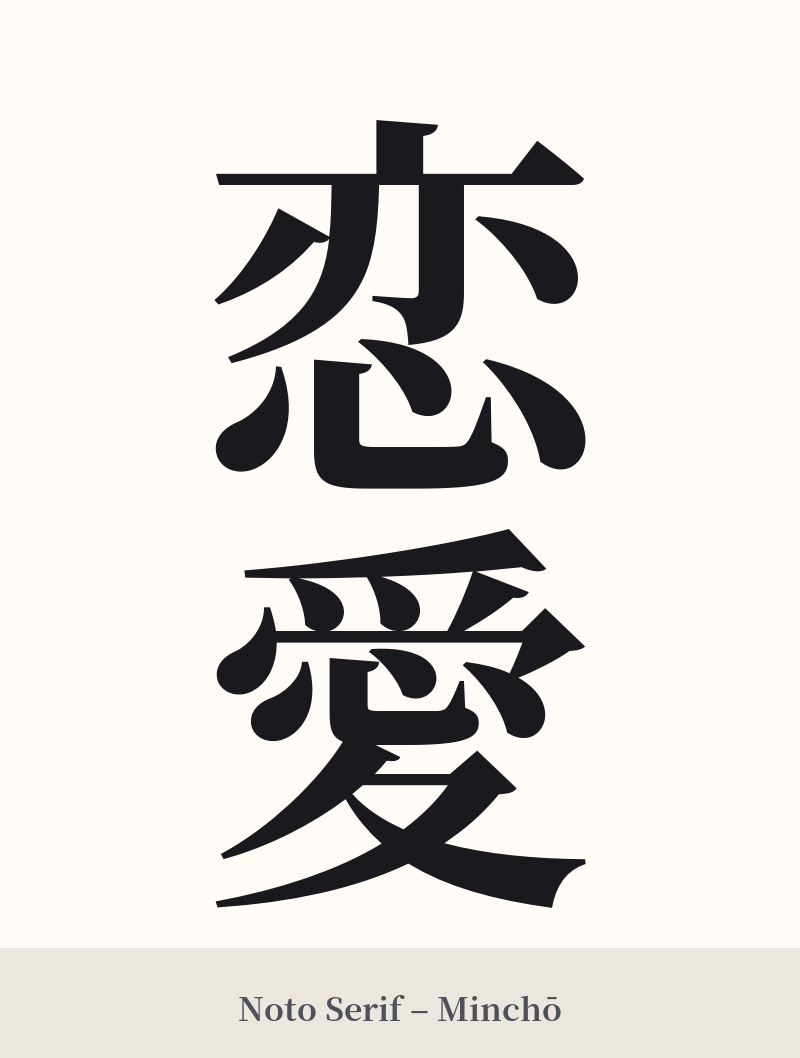
🎨 Tattoo Suitability
📐 Tattoo Design Guide
The two characters in 恋愛 offer a balanced and elegant visual, making it a popular choice for a tattoo. For placement, a vertical arrangement is classic and works beautifully along the spine, forearm, or calf, accentuating the flow of the characters.
A horizontal design can also be effective on the collarbone, inner wrist, or across the chest. Give the characters enough space to breathe so they don't feel cramped.
– Font Style: A semi-cursive script (Gyōsho) can capture the flowing, emotional quality of romance. For a bolder statement about the power of love, a strong, angular brushstroke style (Kaisho) is an excellent choice. Avoid generic, thin digital fonts that lack personality.
– Visual Embellishments: Consider subtle additions. The heart radicals (心) within both 恋 and 愛 could be inked with a touch of red. The kanji can also be woven into a larger design, such as a red string of fate (運命の赤い糸), cherry blossoms to symbolize the beauty of the moment, or an enso circle representing completeness.
Comments