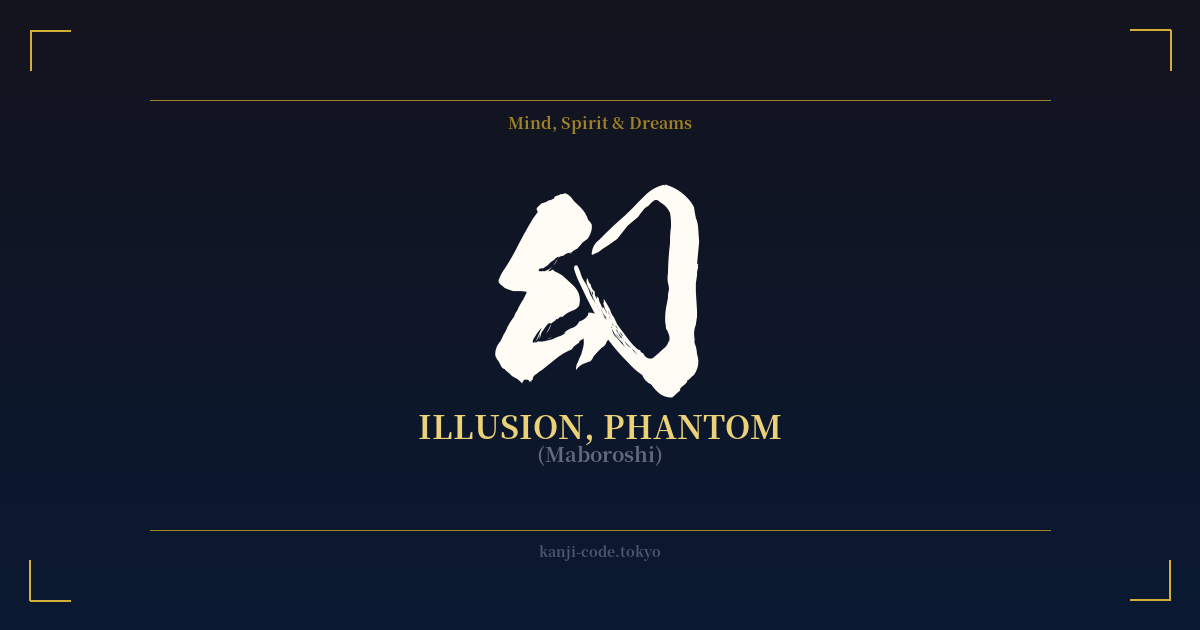
✍️ 幻 (Maboroshi) — Cultural Context
The kanji 幻 (maboroshi) delves far deeper than a simple magic trick or optical illusion. It captures a fundamental concept in Japanese aesthetics and philosophy: the profound, beautiful, and sometimes sorrowful nature of impermanence. A maboroshi is not just something unreal; it is a phantom, a vision, a dreamlike image that feels real in the moment but vanishes, leaving a lingering sense of wonder or loss.
This idea is deeply tied to the Buddhist-influenced concept of mono no aware, the 'pathos of things.' It is the gentle sadness of knowing that all beautiful things must fade. A maboroshi can be the fleeting scent of a flower on the wind, the shimmering heat haze on a summer road, or a cherished memory that feels so close yet is forever out of reach. It represents that which exists on the boundary between reality and imagination.
In classical Japanese literature, such as The Tale of Genji, the world is often portrayed as a series of illusions, where human emotions and worldly attachments are as transient as a maboroshi. Warriors and samurai might see a phantom of a loved one on the battlefield, or a monk might meditate on the illusory nature of the self. This kanji is a key to understanding this worldview.
Modern Japanese pop culture has fully embraced 幻. In manga, anime, and video games, it appears constantly. It is the root of genjutsu (幻術), the illusionary ninja techniques in series like Naruto, where characters manipulate the senses of their opponents. It describes rare, legendary items—'phantom' swords or 'illusory' beasts that are nearly impossible to find. A character who is mysterious or hard to understand might be described as having a maboroshi-like quality.
Ultimately, 幻 is a word of beautiful ambiguity. It can be a mirage that deceives, a ghost from the past, or a rare and precious sight. It speaks to the part of the human experience that questions reality, cherishes fleeting moments, and finds beauty in what cannot be held.
🖌️ Font Styles for 幻
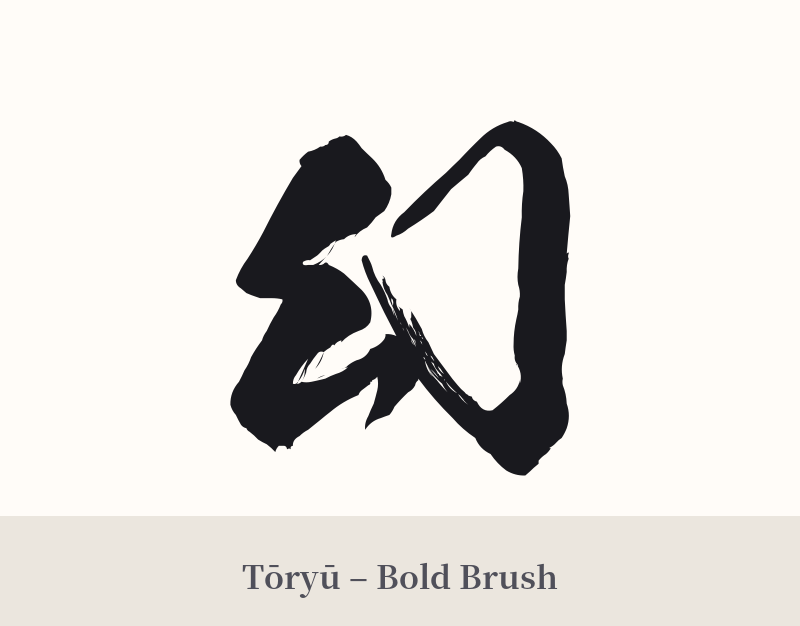
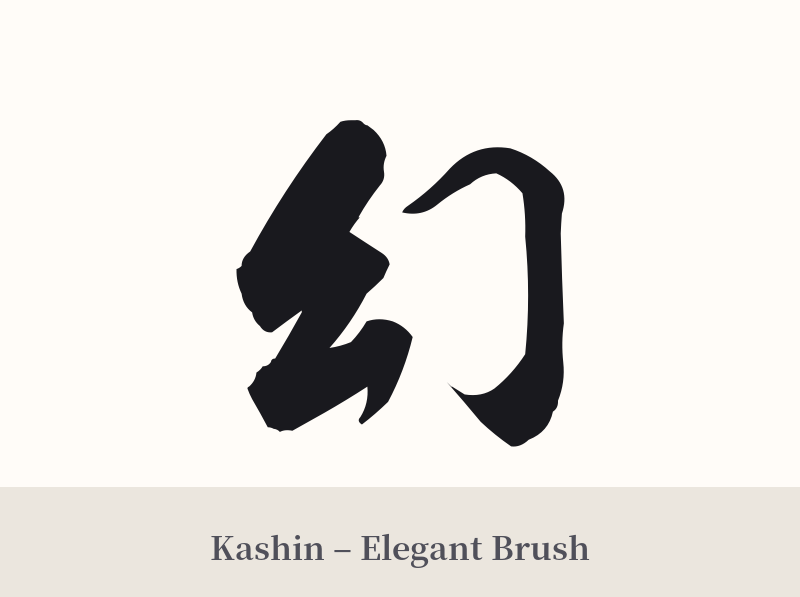
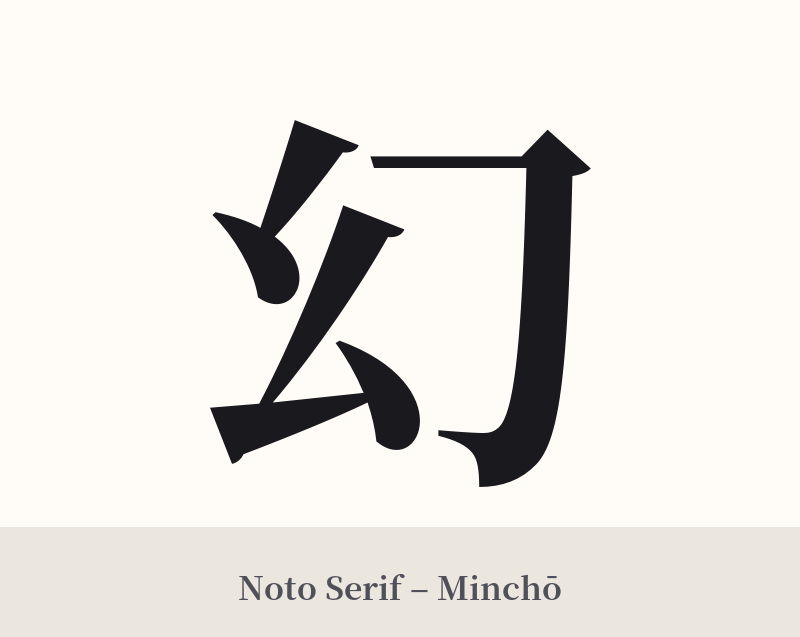
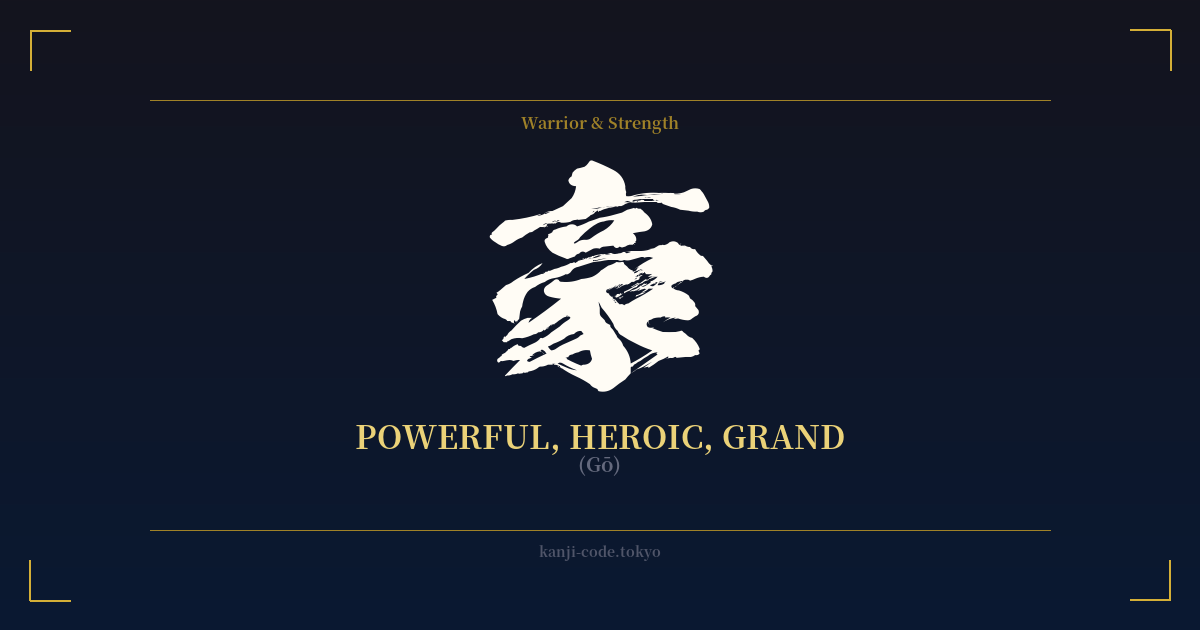
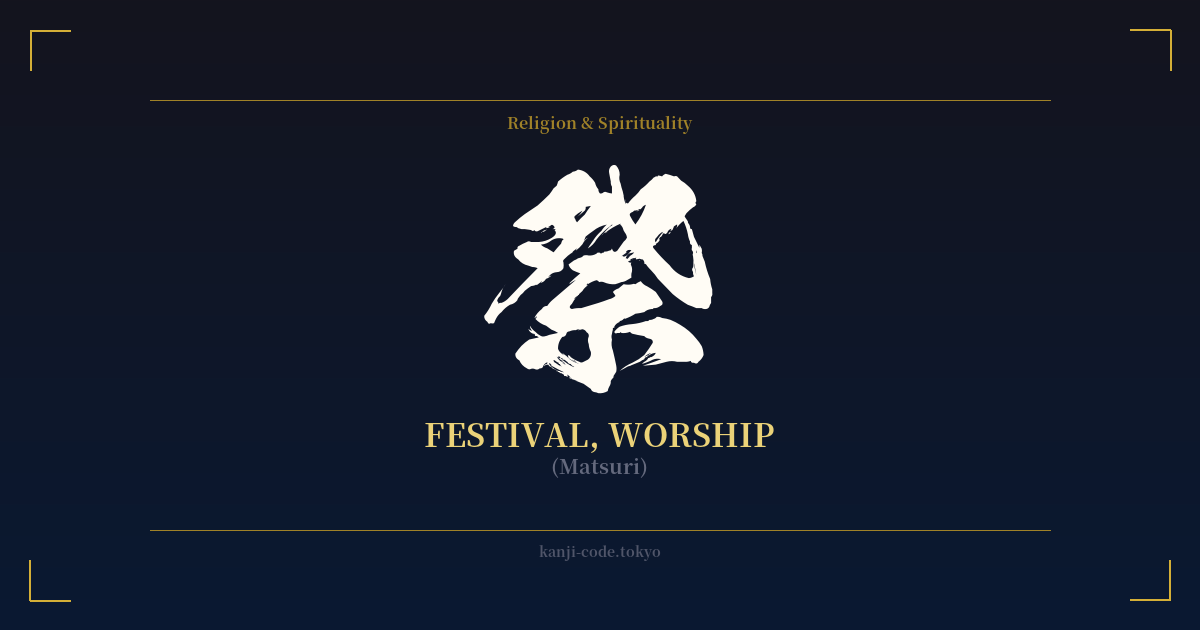
The same kanji can look dramatically different depending on the calligraphy style. Choose a font that matches the mood you want for your tattoo or design.
🎨 Tattoo Suitability
📐 Tattoo Design Guide
The kanji 幻 offers wonderful creative possibilities for a tattoo that emphasizes its ethereal nature.
– Placement: Consider places that suggest something fleeting or hidden. The inner forearm allows for a vertical orientation that can be glimpsed. The back of the neck or behind the ear gives it a secretive feel. The ribs or calf can also work well, allowing the design to flow with the body's curves.
– Font Style: A cursive, flowing brushstroke (shodō) style is a classic and highly recommended choice. This emphasizes the 'phantom' quality. Thin, delicate lines, or a font that looks like ink dissolving in water, would be very effective. Avoid heavy, geometric, or blocky fonts as they contradict the kanji's meaning.
– Visual Tips: To enhance the design, consider integrating the kanji with other elements. Have it appear as if made of smoke, mist, or fog. You could have parts of the character fade away or dissolve into particles. Placing it within a circle (ensō) can tie it to concepts of void and enlightenment. Another powerful image is having the kanji reflected imperfectly in a pool of water.
Comments