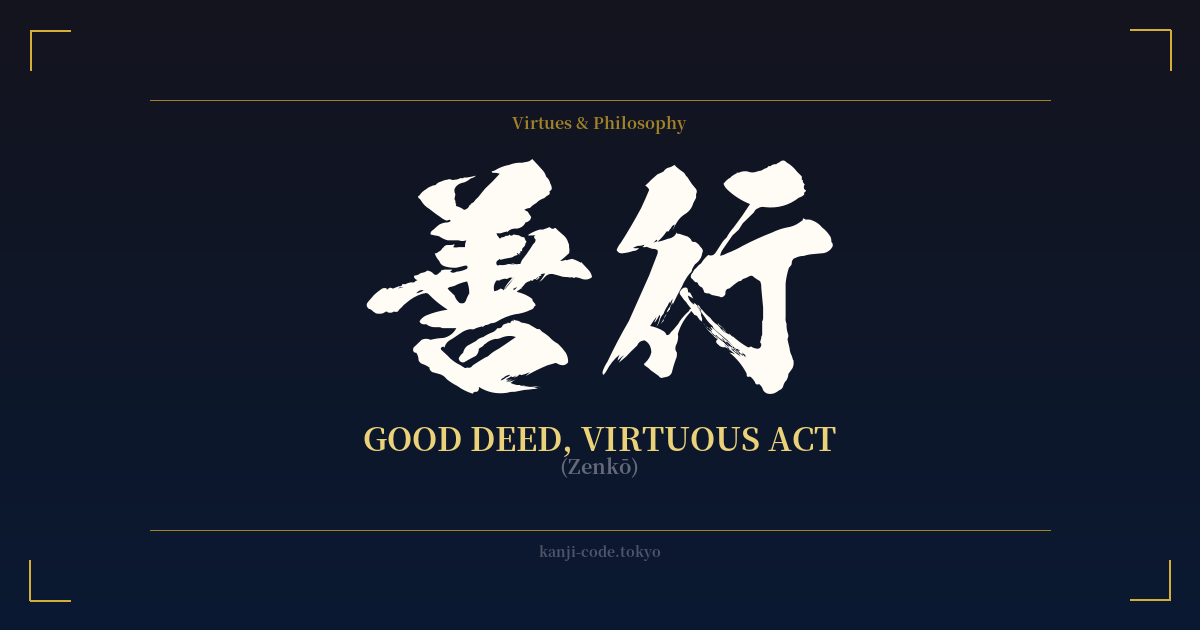
✍️ 善行 (Zenkō) — Cultural Context
善行 (Zenkō) is a Japanese word that translates to a 'good deed' or 'virtuous act.' It's not just about doing something nice; the term carries a significant weight of intentionality and moral principle. It refers to a conscious action performed with the understanding that it is morally right and beneficial.
The roots of Zenkō are deeply intertwined with Buddhism, which has profoundly shaped Japanese philosophy. In Buddhist teachings, the concept of karma (因果応報, inga ōhō) is central. This principle states that actions have consequences. Performing Zenkō—virtuous acts—is believed to generate positive merit (功徳, kudoku), leading to favorable outcomes in this life and future rebirths. Conversely, its opposite, 悪行 (akkō), or evil deeds, creates negative karma.
This idea of accumulating virtue, or 徳を積む (toku o tsumu), has permeated Japanese culture far beyond temple walls. It's reflected in the quiet, often anonymous acts of kindness that are highly valued in Japanese society. From a train conductor helping a lost tourist to a neighbor tidying up a communal space, these are all forms of Zenkō. It’s the belief that small, positive actions contribute to a larger social and spiritual harmony.
Zenkō is not about grand, heroic gestures performed for recognition. In fact, true Zenkō is often considered most potent when done without expectation of reward or praise. It is an internal commitment to ethical conduct. This aligns with the broader cultural emphasis on group harmony (和, wa) and maintaining a smoothly functioning society. Doing good for others is synonymous with doing good for the collective.
In a modern context, Zenkō can be seen in volunteerism, community service, and the simple everyday courtesies that define Japanese social etiquette. It is a reminder that morality is not just a belief, but a practice—a series of choices and actions that define one's character and impact the world around them.
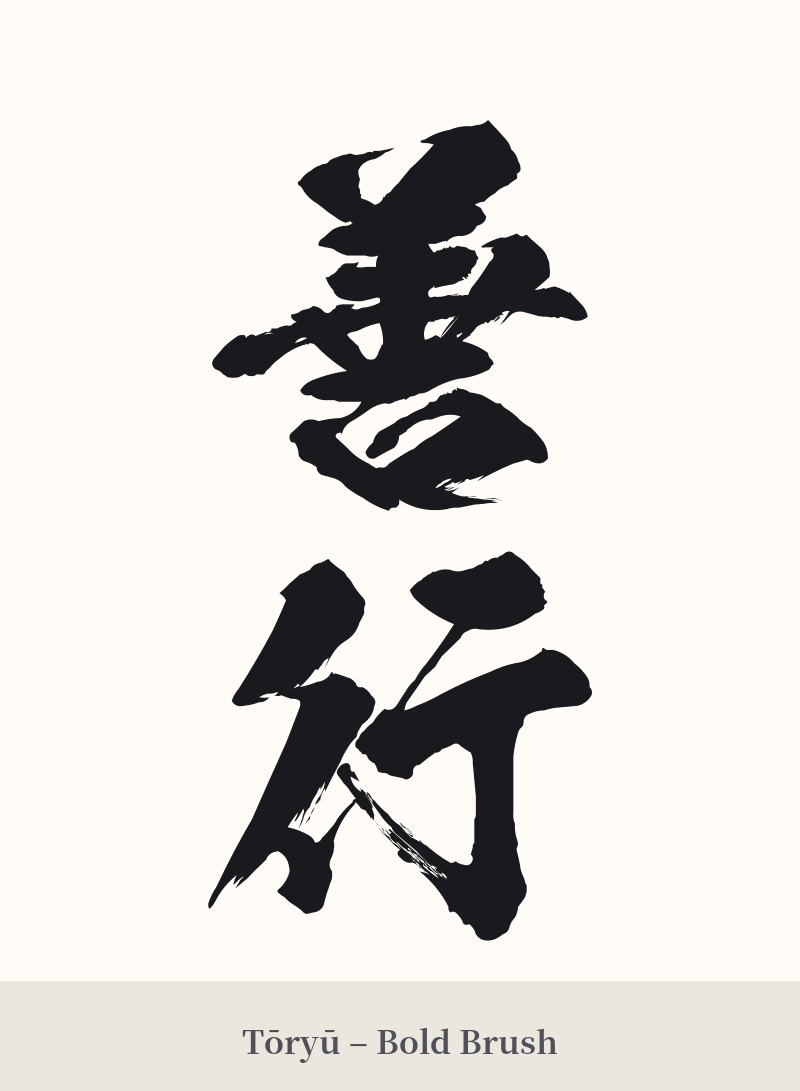
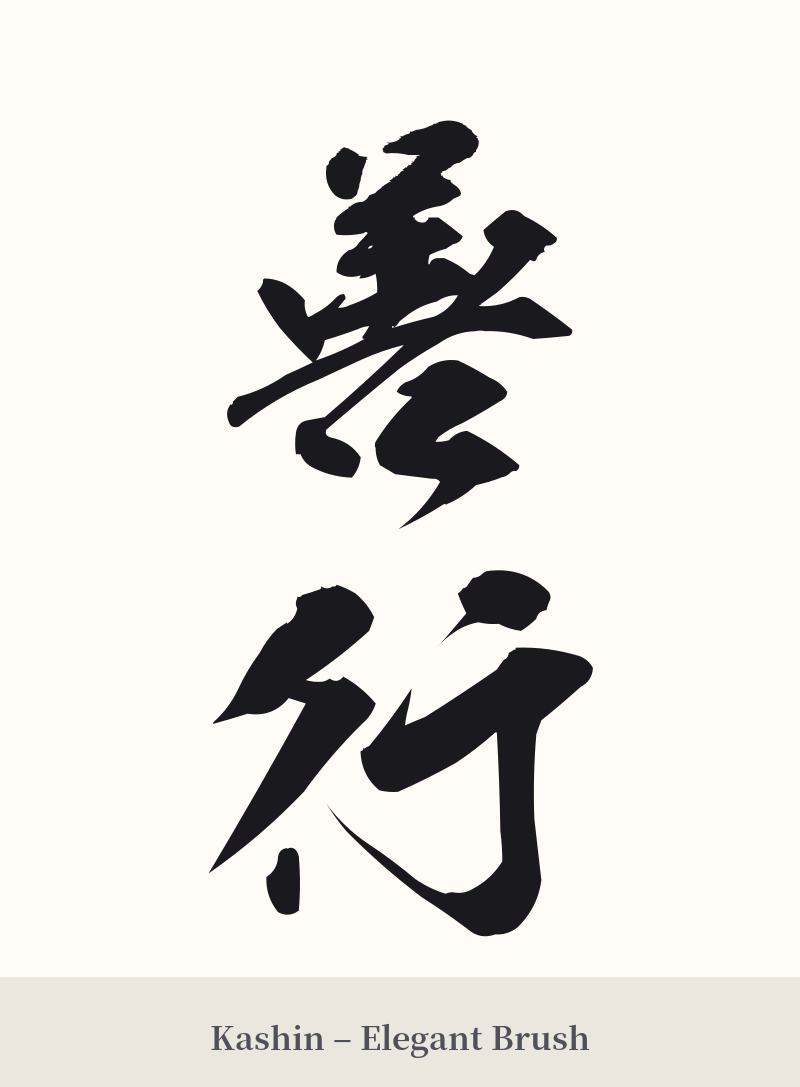
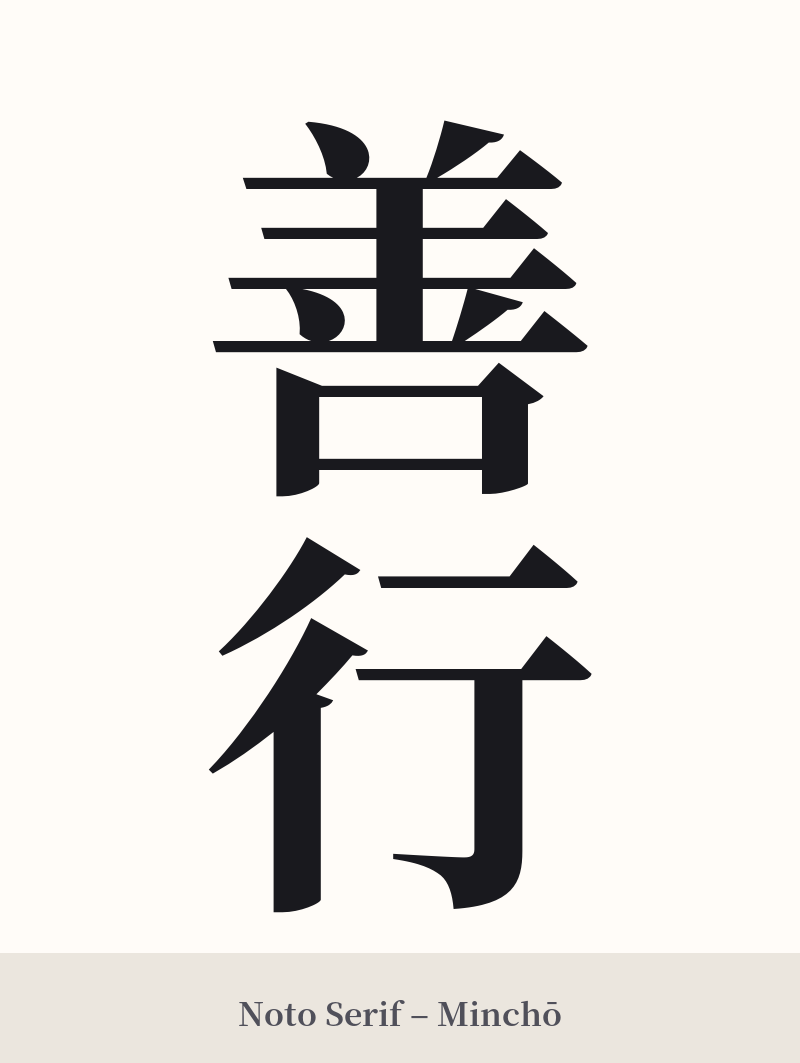
🖌️ Font Styles for 善行
The same kanji can look dramatically different depending on the calligraphy style. Choose a font that matches the mood you want for your tattoo or design.
🎨 Tattoo Suitability
📐 Tattoo Design Guide
A tattoo of 善行 (Zenkō) is a statement of principle, and the design should reflect that clarity and integrity.
– Placement: A vertical orientation is classic for multi-kanji words. The inner forearm, calf, or along the spine are excellent placements that complement the vertical flow. For a horizontal design, the chest or upper back works well.
– Font Style: A clear, strong script is ideal. A standard Kaisho (block script) font emphasizes the principled and formal nature of the word. For something with more flow, a Gyosho (semi-cursive) style can beautifully connect the two characters while maintaining legibility. Avoid overly decorative or thin fonts, which can cause the 12 strokes of '善' to become muddled, especially at smaller sizes.
– Visual Elements: Zenkō pairs well with minimalist and symbolic imagery. Consider incorporating it with a lotus flower, a powerful Buddhist symbol of purity and enlightenment rising from the mud. A simple Enso circle, representing infinity and the universe, could encircle the kanji to symbolize the endless cycle of cause and effect.
Comments