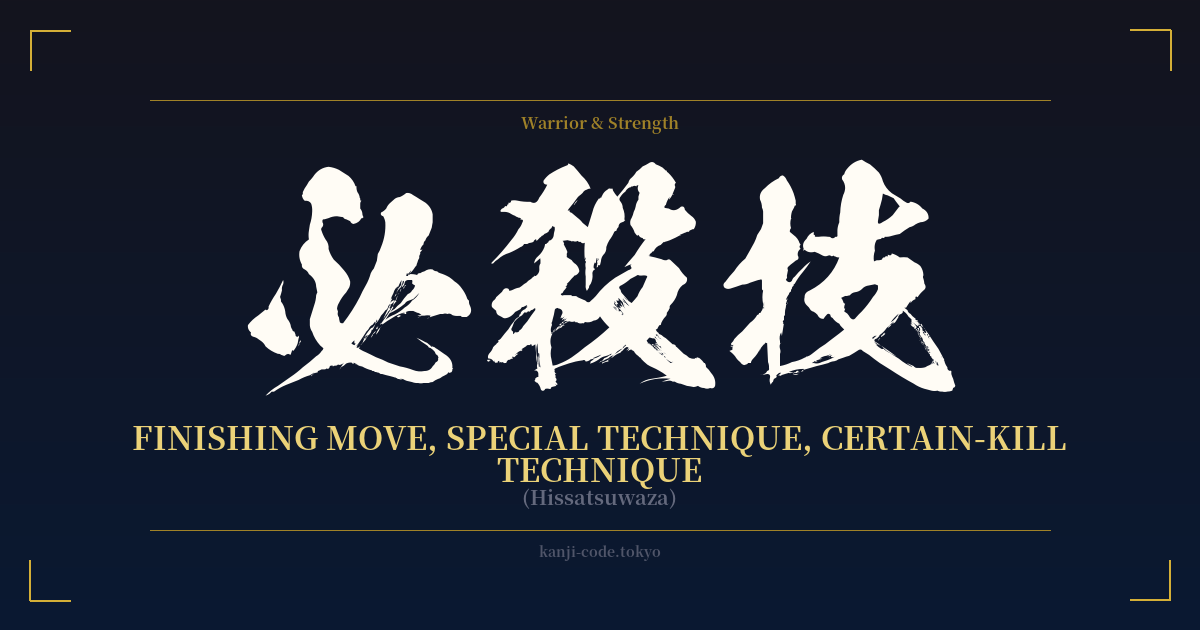
✍️ 必殺技 (Hissatsuwaza) — Cultural Context
必殺技 (Hissatsuwaza) translates literally to a 'certain-kill technique.' It’s a term that pulses with energy, drama, and the promise of a spectacular conclusion. While its roots can be traced to classical martial arts and samurai lore, where a single, decisive strike could mean the difference between life and death, its modern identity is forged in the vibrant worlds of anime, manga, and video games.
In contemporary Japanese pop culture, Hissatsuwaza is the ultimate expression of a character's power and resolve. It's not just any attack; it's the one they've honed through relentless training, the move they save for the most desperate moments, the technique that turns the tide of battle. Think of Son Goku's 'Kamehameha' in Dragon Ball, Naruto's 'Rasengan,' or the spectacular special moves in fighting games like Street Fighter and Tekken. These are all prime examples of Hissatsuwaza.
The term has become a fundamental trope in storytelling. The reveal of a new Hissatsuwaza is a major plot point, often marking a character's growth and mastery. The act of shouting the name of the technique before unleashing it is an iconic, dramatic flourish that heightens the tension and excitement of a scene. It’s a declaration of intent and a signal to the audience that the fight is about to reach its climax.
Outside of fiction, you won't hear Hissatsuwaza used in everyday conversation, unless people are enthusiastically discussing their favorite anime or game. It's a specialized term reserved for the world of combat and performance, whether real or imagined. This specific context is what gives the word its power; it’s not diluted by common use.
Ultimately, Hissatsuwaza represents more than just a 'finishing move.' It embodies the spirit of perseverance, the culmination of hard work, and the sheer coolness of unleashing one's full potential at the perfect moment. It’s a concept that resonates deeply with anyone who appreciates the drama and spectacle of a hard-won victory.
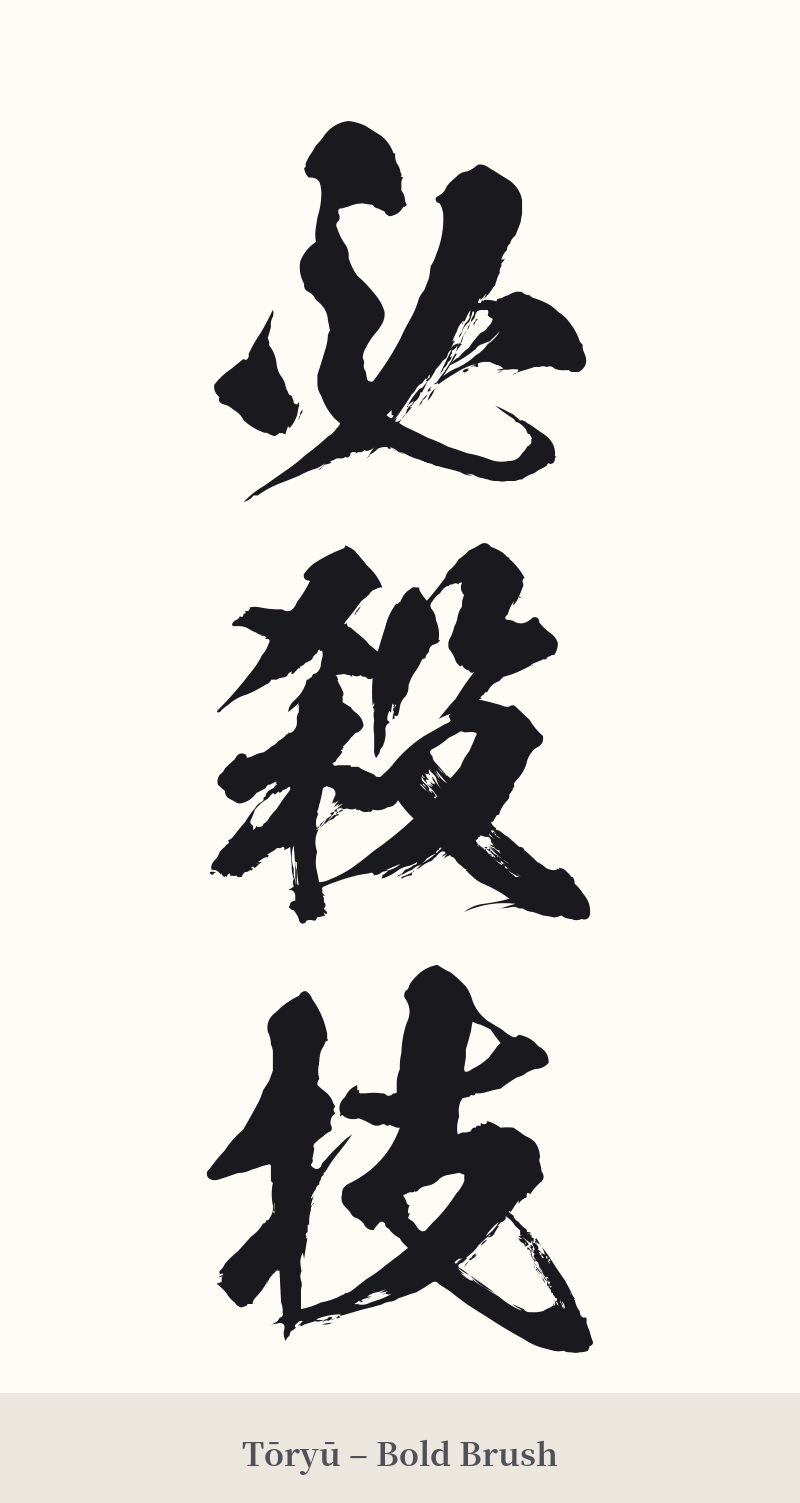
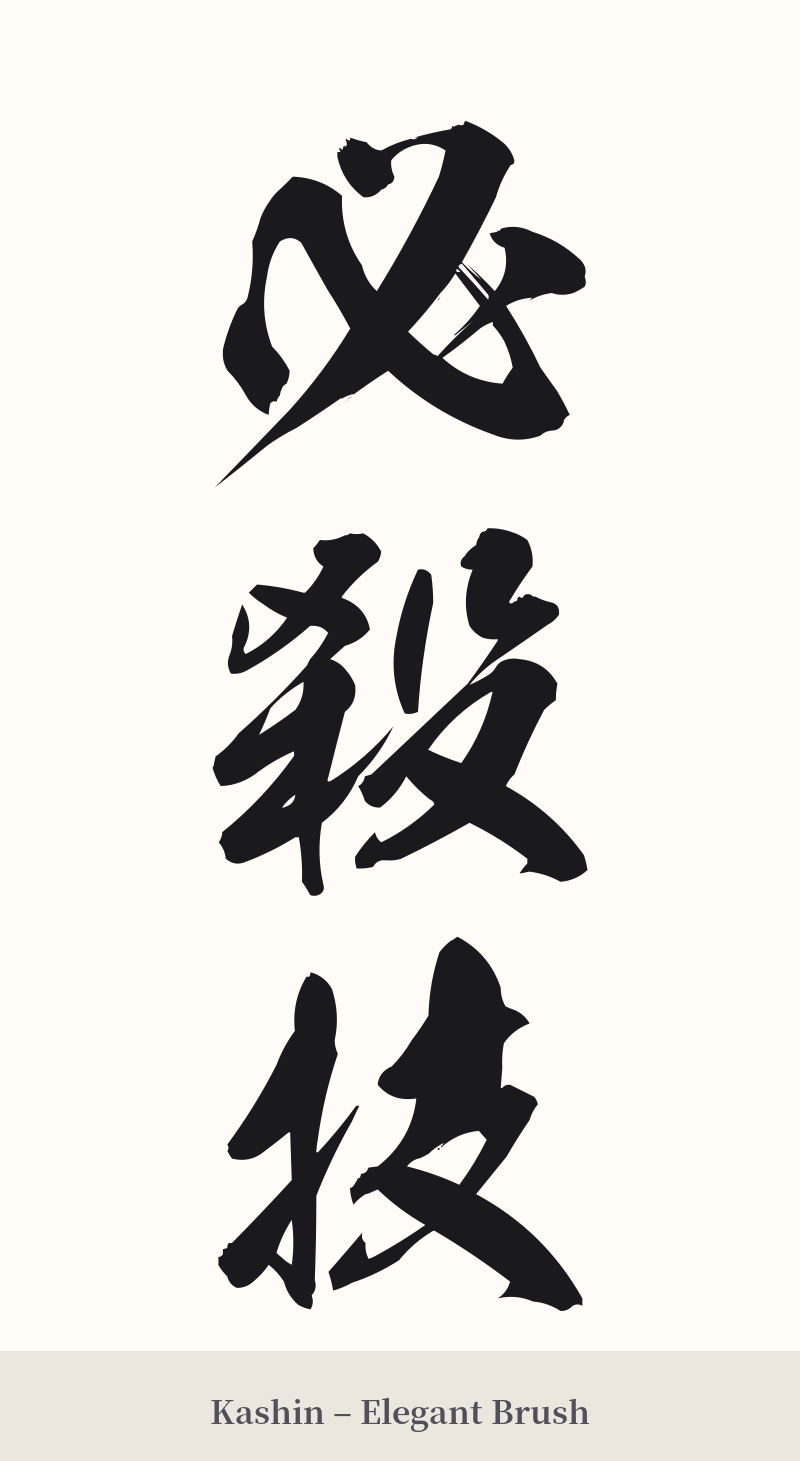
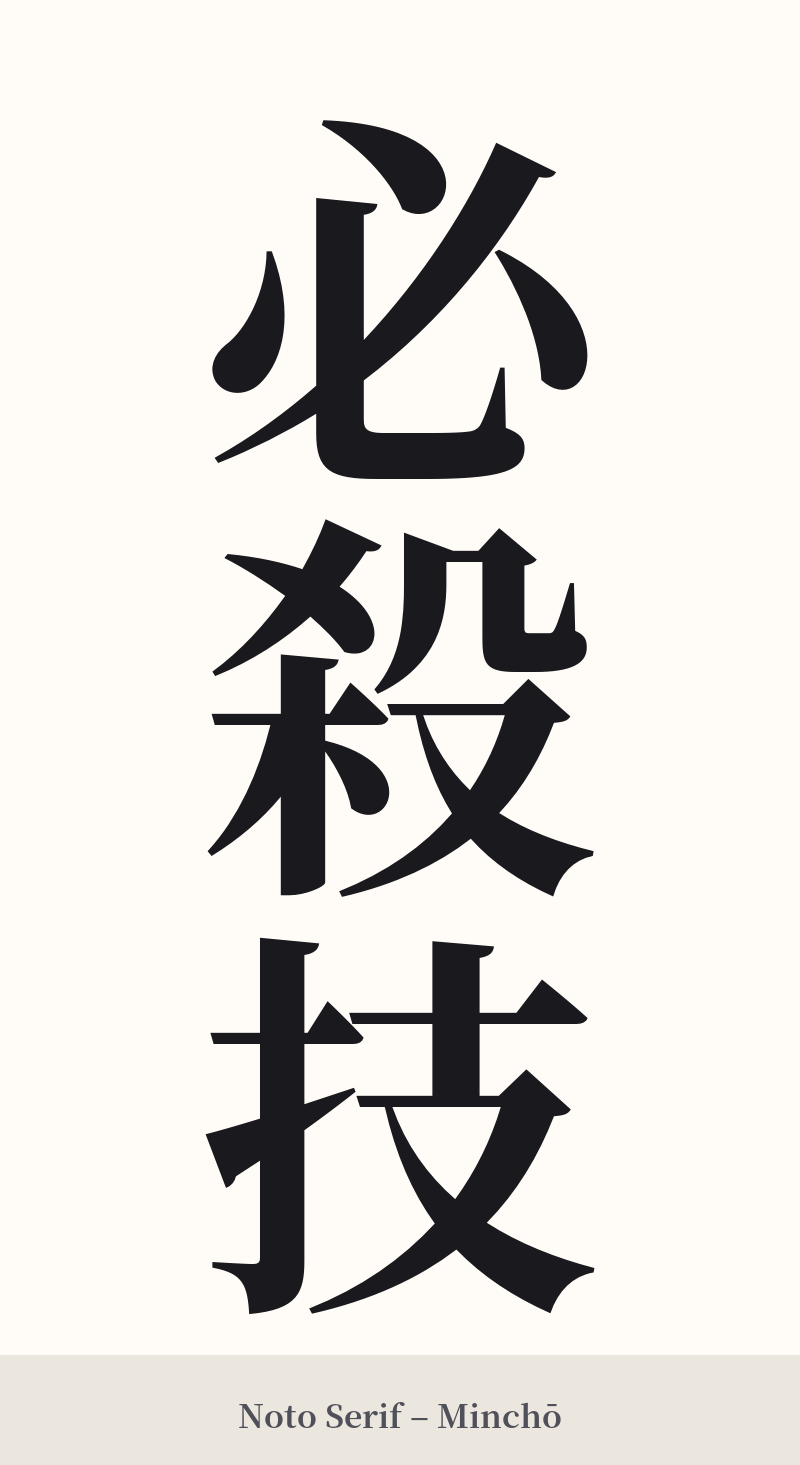
🖌️ Font Styles for 必殺技
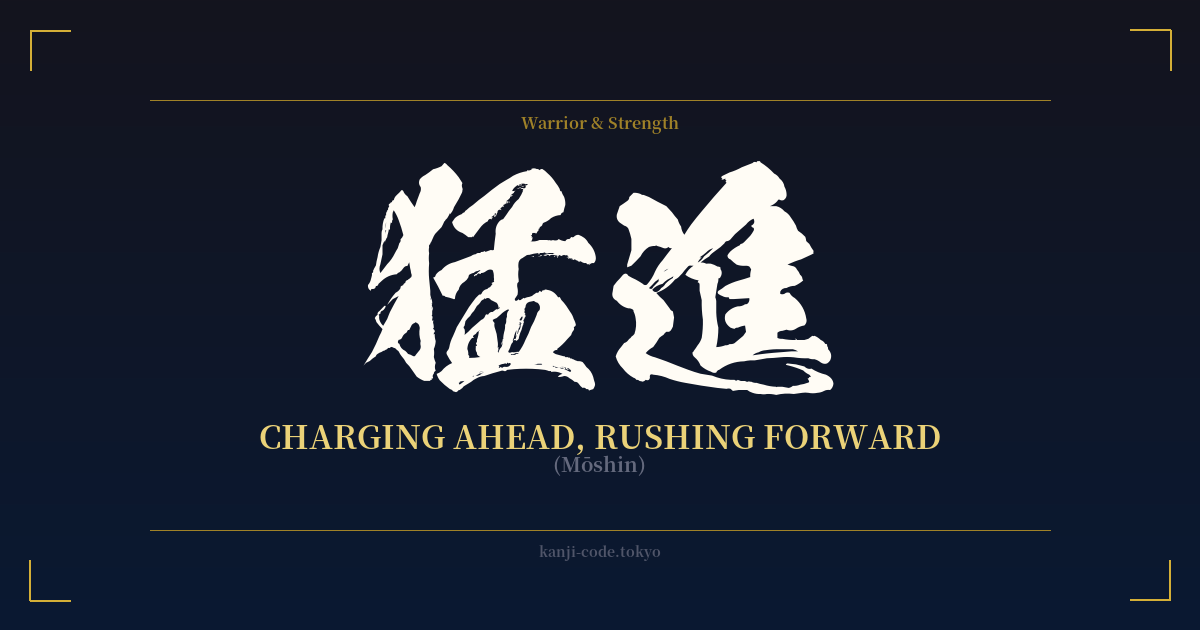
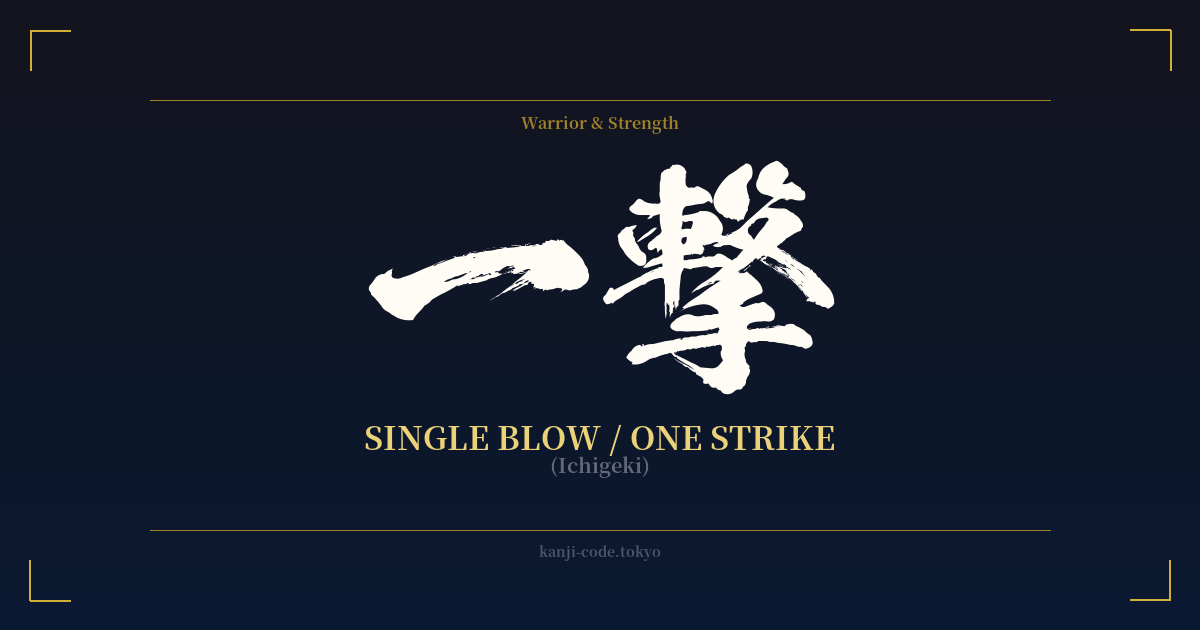
The same kanji can look dramatically different depending on the calligraphy style. Choose a font that matches the mood you want for your tattoo or design.
🎨 Tattoo Suitability
📐 Tattoo Design Guide
For a 必殺技 tattoo, the design should convey power and motion. The three-character structure offers great versatility in placement and style.
– Placement: A vertical orientation is classic and works perfectly on the forearm, calf, or along the spine. A horizontal layout is also strong, fitting well across the chest, upper back, or below the collarbone.
– Font Style: An aggressive, semi-cursive calligraphy style (gyosho) can capture the explosive energy of the move. For a more modern, anime-inspired feel, a bold, clean block script (kaisho) or even a stylized, sharp-edged font can look fantastic.
– Visual Tips: While the kanji alone is powerful, you could enhance it with background elements like crackling energy, swirling wind, or abstract brush strokes that suggest a powerful impact. However, ensure these additions don't overcrowd the characters. The balance of the three kanji, especially the more complex 殺 in the middle, should remain the focus.
Comments