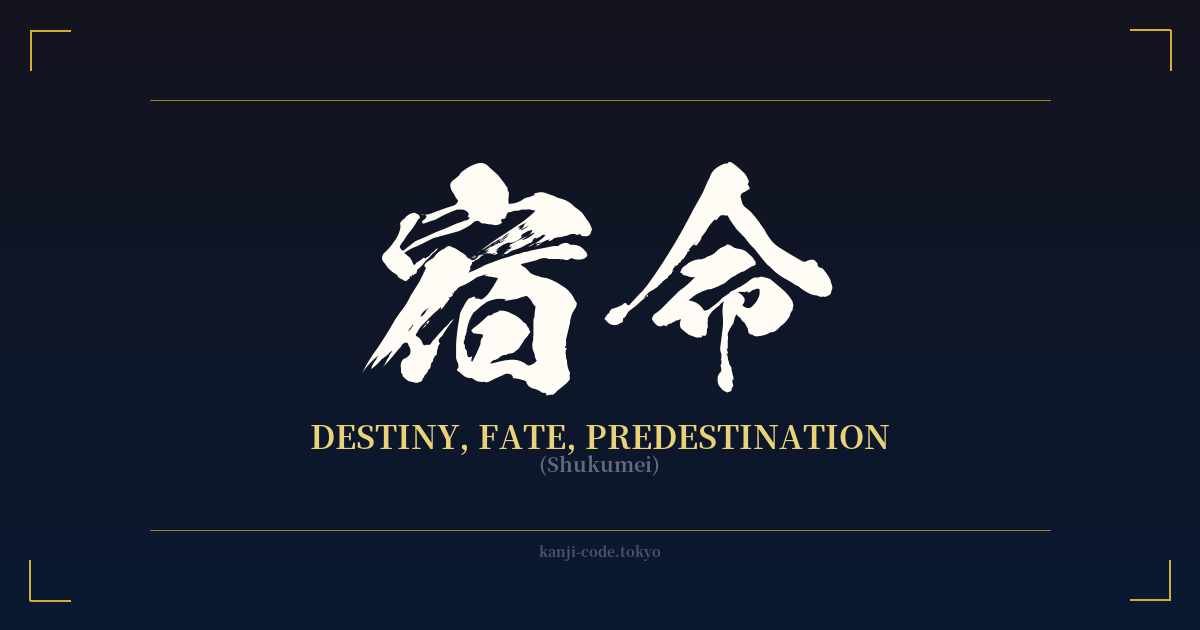
✍️ 宿命 (Shukumei) — Cultural Context
宿命 (Shukumei) is a Japanese word that translates to destiny or fate, but it carries a much deeper, more specific connotation than its English counterparts. It refers to a destiny that is pre-ordained, unchangeable, and carried with you from a previous existence. To truly grasp its meaning, one must look at its components and its roots in Buddhist thought.
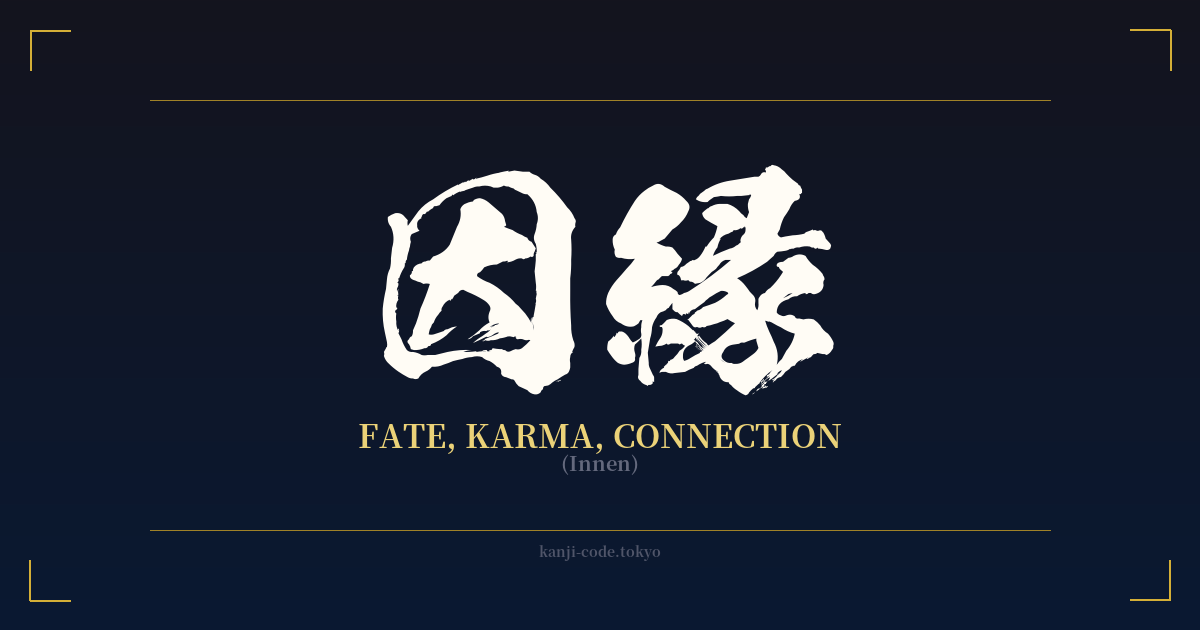
The first character, 宿 (shuku), means 'lodging' or 'dwelling.' In this context, it evokes the idea of something that has been lodged within you, something you carry from a past life. This directly connects to the Buddhist concept of reincarnation (輪廻, Rinne) and karma (因果, Inga). Your Shukumei is the fate determined by the actions and consequences of your past lives.
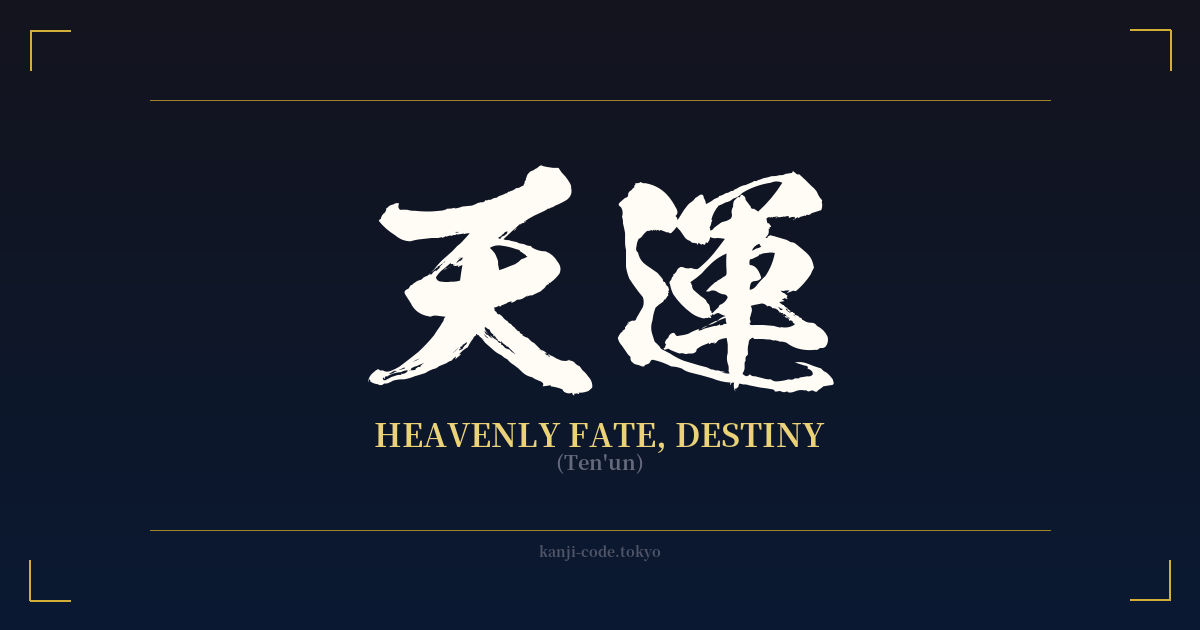
This is the crucial difference between 宿命 (Shukumei) and the more commonly used word for destiny, 運命 (Unmei). While both relate to the course of one's life, Unmei (literally 'carry life') suggests a path that can be influenced by one's choices, luck, and effort. It is a fortune that unfolds. Shukumei, on the other hand, is the set of conditions you are born into—the unalterable script of your life.
In Japanese culture, this concept often appears in literature, theater, and modern media like anime and video games. It's the force that binds tragic heroes to their downfall or sets a protagonist on an inescapable quest. Think of fated rivals (宿敵, shukuteki) who are destined to confront each other, or lovers bound by a tragic fate they cannot escape. This gives the word a solemn, dramatic, and sometimes somber weight.
However, Shukumei is not always viewed as a purely negative or fatalistic concept. For some, accepting one's Shukumei is a path to enlightenment. By understanding and embracing the unchangeable aspects of one's life, a person can find peace and focus their energy on what they can control. It's a call to find meaning and purpose within the framework you've been given, rather than fighting against an immovable reality. This perspective transforms it from a sentence of doom into a foundational truth upon which a resilient life can be built.
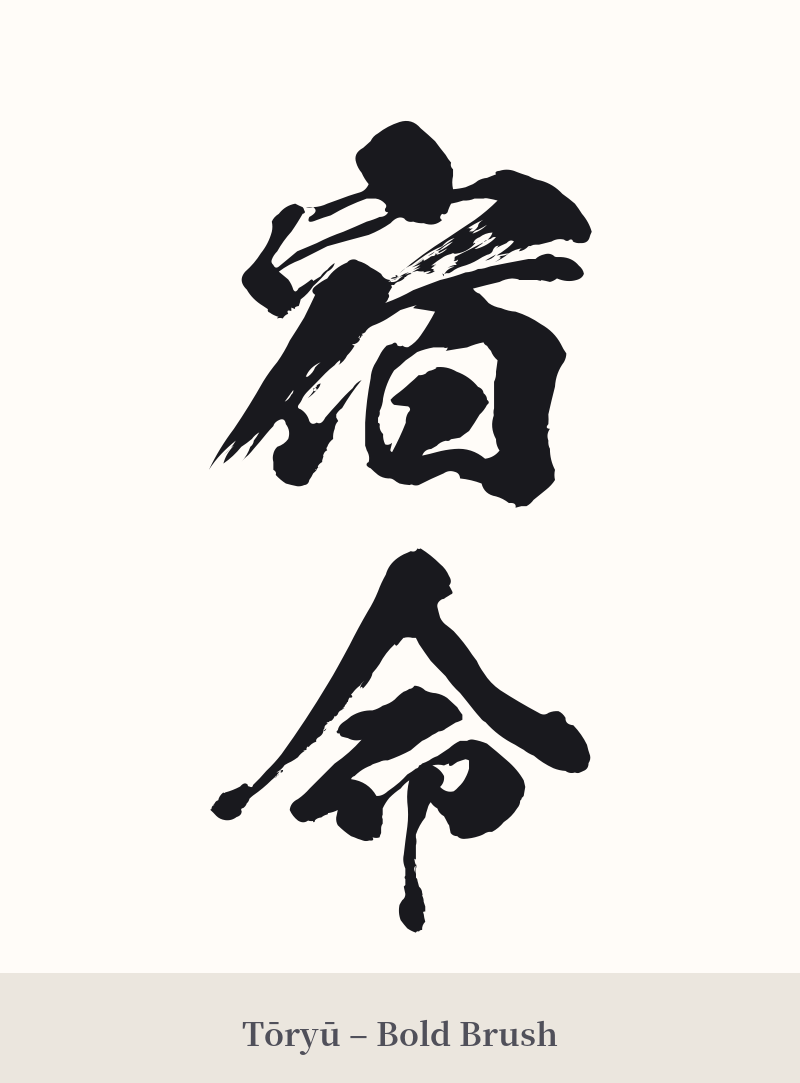
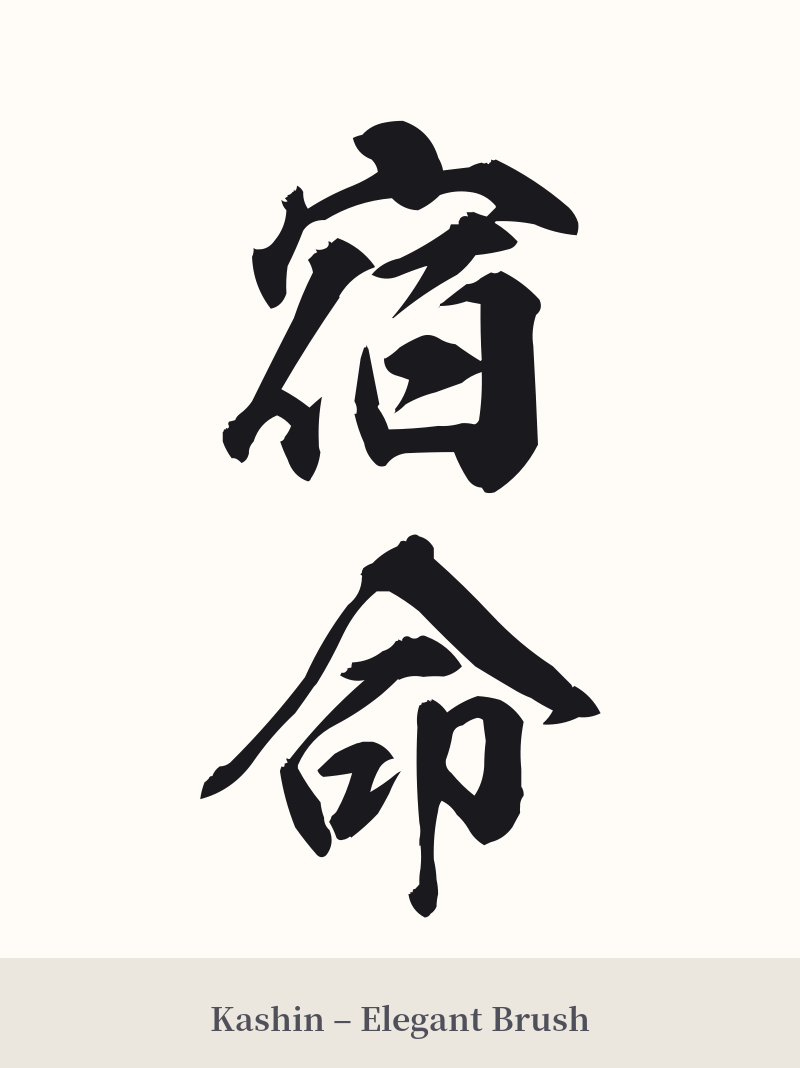
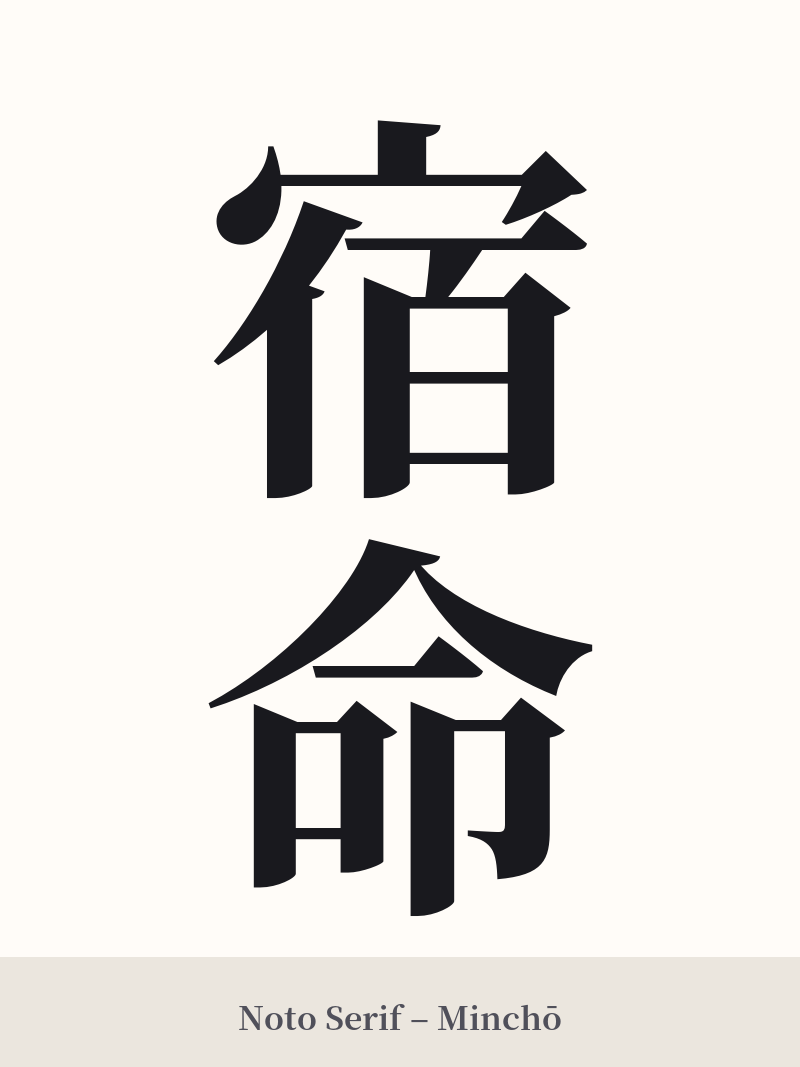
🖌️ Font Styles for 宿命
The same kanji can look dramatically different depending on the calligraphy style. Choose a font that matches the mood you want for your tattoo or design.
🎨 Tattoo Suitability
📐 Tattoo Design Guide
宿命 is a powerful word that works well in a variety of tattoo designs, given its profound meaning and balanced visual structure.
– Placement: A vertical orientation is classic for two-character kanji compounds. The spine, forearm, or calf are excellent placements that complement the natural flow of the characters. Horizontally, it could work well across the chest or on the upper back.
– Font Style: The choice of script can dramatically alter the feel. A strong, angular Kaisho (block script) font emphasizes the unchangeable, solid nature of fate. For a more fluid and personal feel, a Gyosho (semi-cursive) or Sosho (cursive) script can evoke a sense of history and the flow of life, even within a set destiny.
– Visual Elements: While 宿命 stands powerfully on its own, it can be paired with other imagery. Consider an Enso circle to represent the cycle of life and enlightenment, or a lotus flower, which grows in mud but blossoms beautifully, symbolizing finding beauty and purpose despite one's circumstances.
Comments