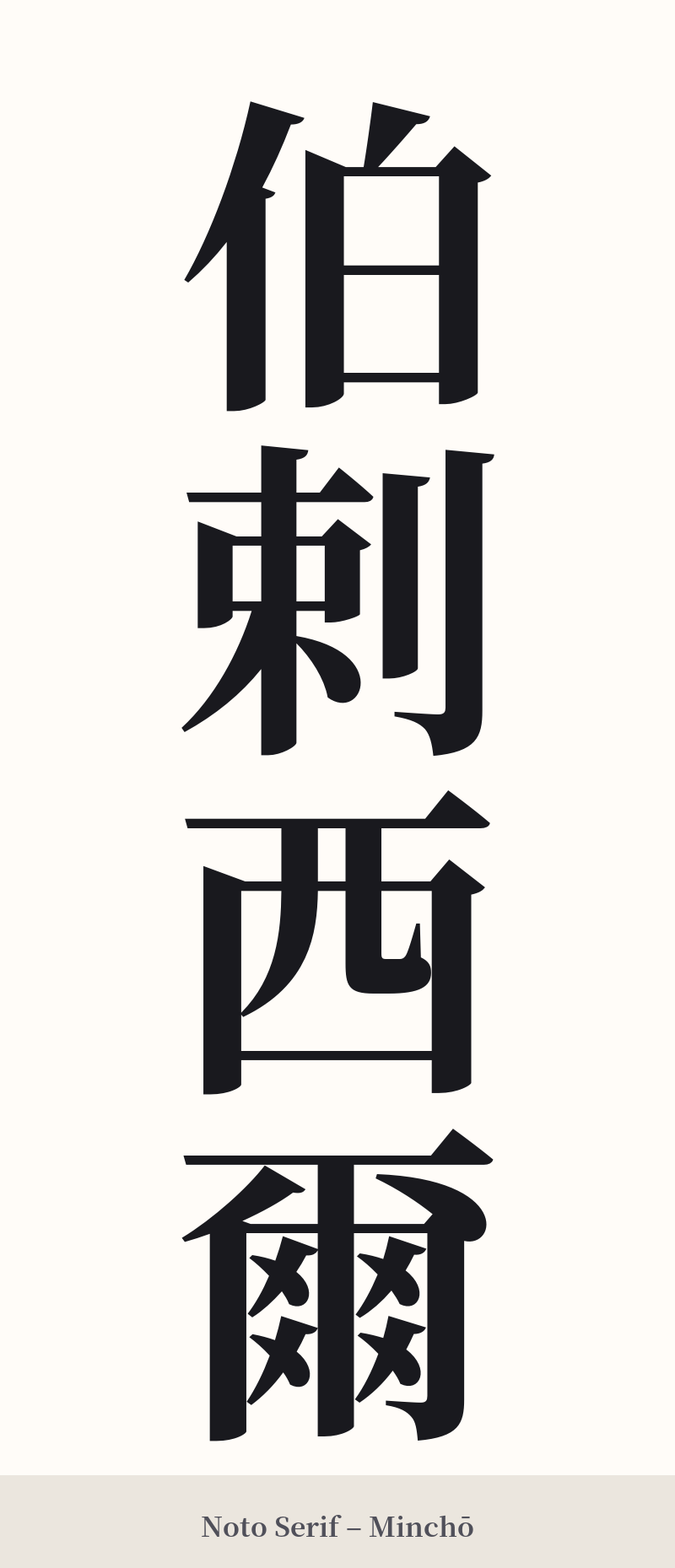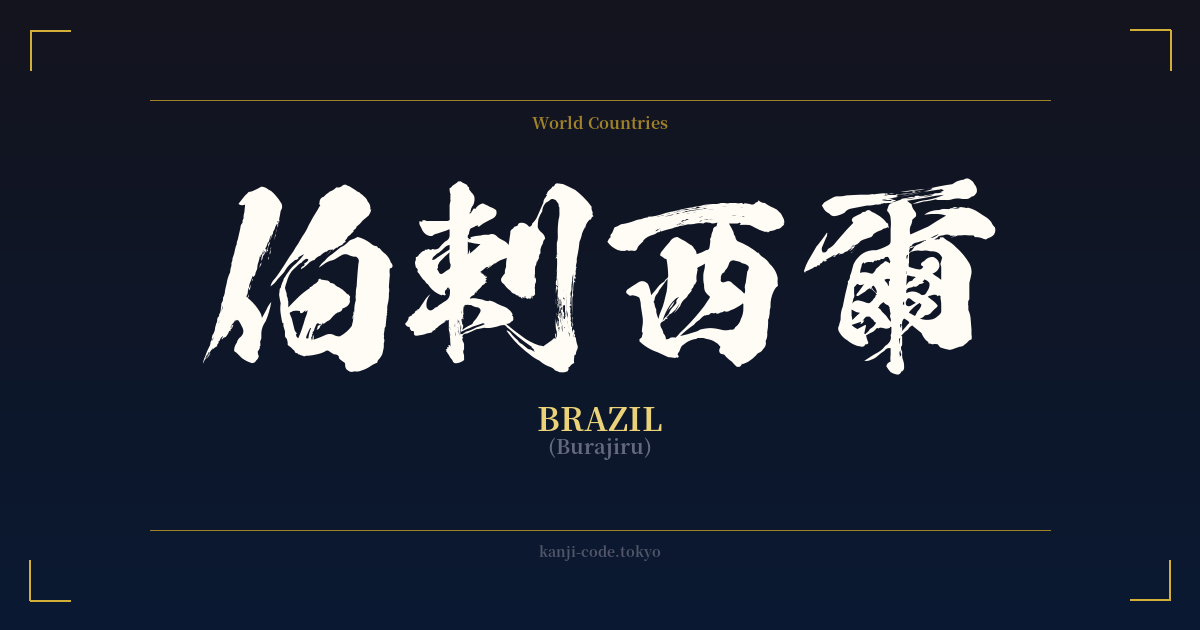
伯剌西爾 (Brazil): Meaning & Origin – Japanese Kanji Design

🌎 World Countries

✍️ 伯剌西爾 (Burajiru) — Cultural Context

The word 伯剌西爾 (Burajiru) is a fascinating window into a specific moment in Japanese history. It is an example of 'ateji' (当て字), a practice where kanji characters are used to phonetically represent foreign words, completely disregarding the characters' original meanings. This method was particularly common during the Meiji Restoration (late 19th century) when Japan was rapidly opening to the West and needed to create names for foreign countries, people, and concepts.

In this case, the characters 伯 (bu), 剌 (ra), 西 (ji), and 爾 (ru) were selected to mimic the sound of the Portuguese word 'Brasil'. The literal meanings—'chief', 'opposed', 'west', and 'you'—are completely irrelevant when combined. Their sole purpose is to create the sound 'Burajiru'. This practice highlights the flexibility and creative adaptation within the Japanese writing system.

However, the use of ateji for country names has largely fallen out of fashion. Today, foreign words are almost exclusively written in katakana, a syllabic script designed for this very purpose. The modern, standard way to write Brazil in Japanese is ブラジル. You will see this on maps, in news articles, and in everyday conversation. The kanji form 伯剌西爾 is now considered archaic and literary, something one might find in a historical text or used for a deliberately classic, old-fashioned stylistic effect.

Interestingly, the connection between Japan and Brazil is profound. Brazil is home to the largest Japanese community outside of Japan, with a population of over 2 million. This diaspora began in the early 20th century, and the cultural exchange between the two nations has been rich and continuous ever since. While the kanji 伯剌西爾 might be obscure, the bond it represents is very much alive and vibrant, woven into the fabric of both societies.

🖌️ Font Styles for 伯剌西爾

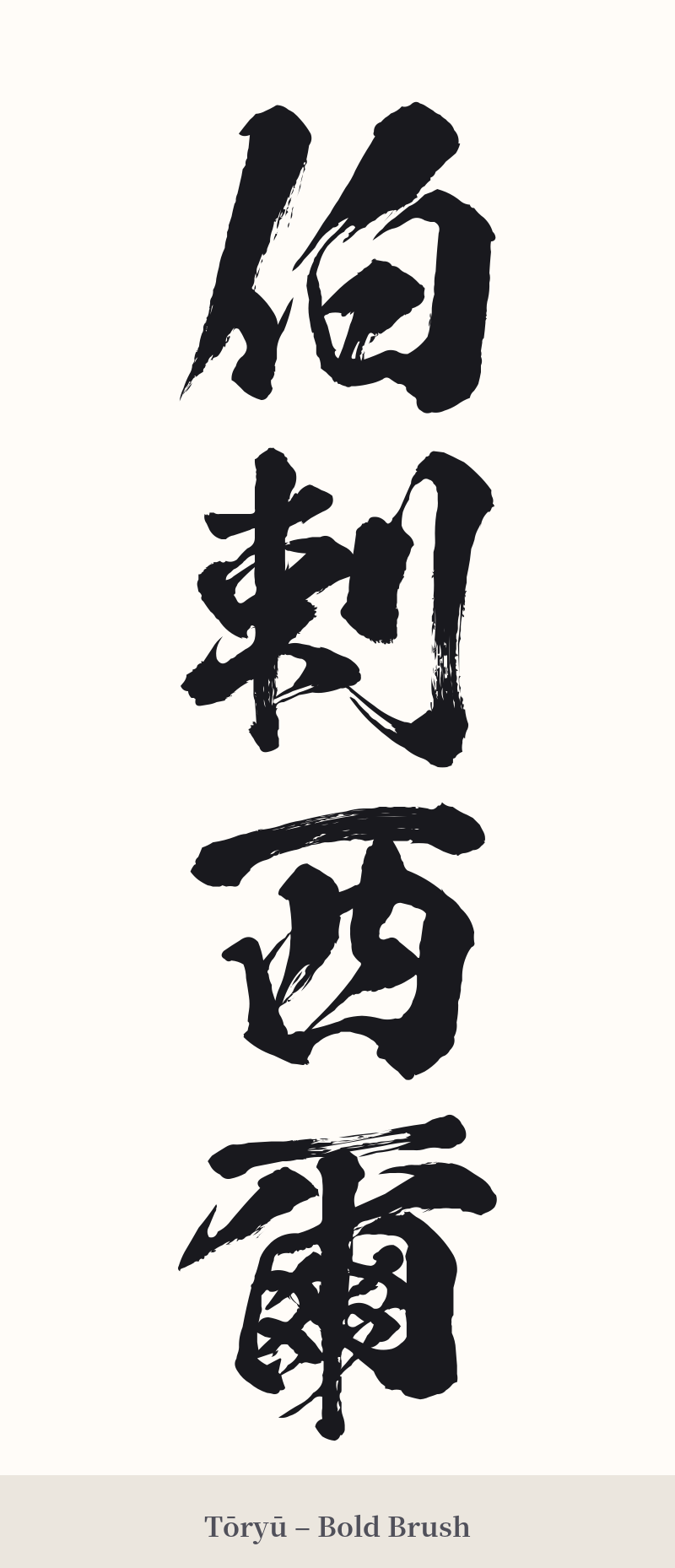
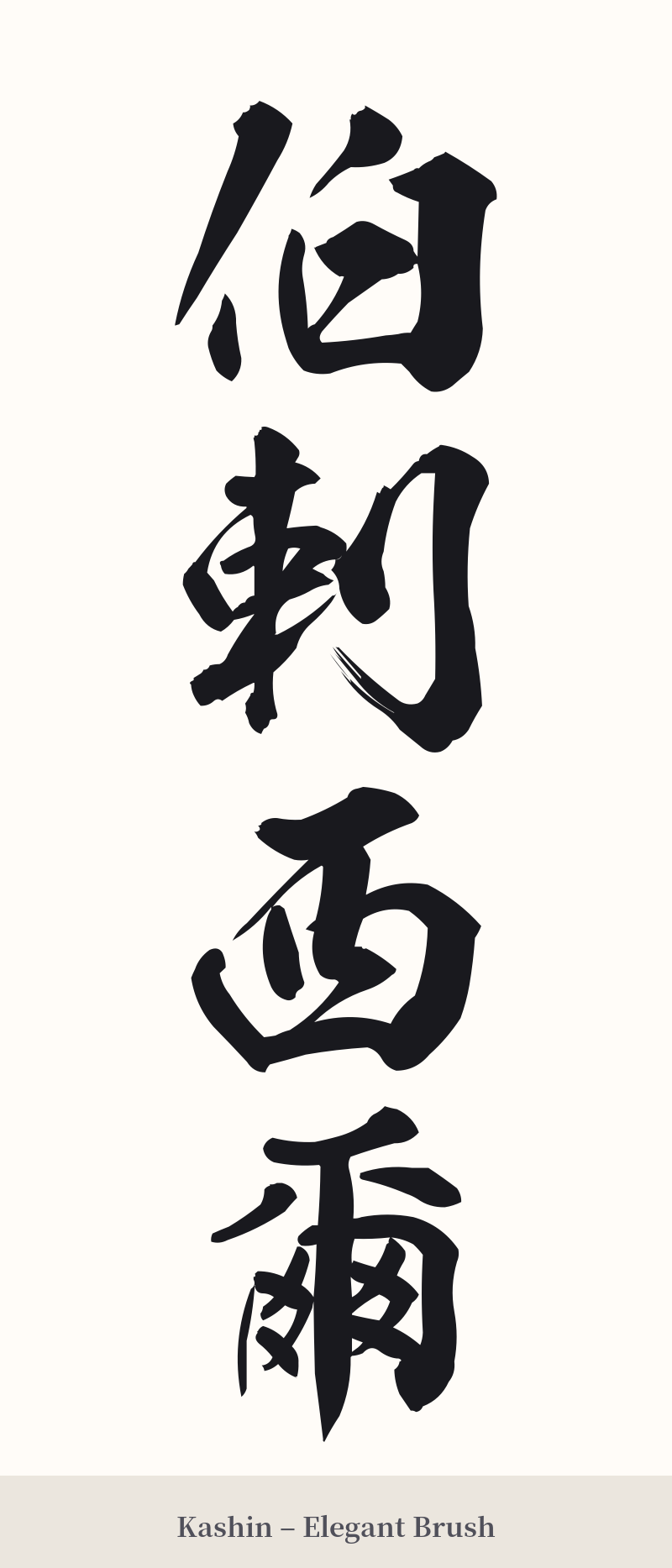
The same kanji can look dramatically different depending on the calligraphy style. Choose a font that matches the mood you want for your tattoo or design.
🎨 Tattoo Suitability

★☆☆ Low Suitability
This is an archaic phonetic spelling ('ateji'). While visually complex and striking as a four-character compound, it lacks inherent meaning as the characters were chosen only for sound. Most modern Japanese speakers would not recognize it, as the katakana ブラジル is universally used today.
⚠️ Cultural Note: This is not the modern or common way to write 'Brazil'. A native speaker is very unlikely to recognize it and may be confused by the literal meanings of the characters, which do not relate to the country at all. The tattoo will likely require constant explanation.

📐 Tattoo Design Guide

For a tattoo of 伯剌西爾, the design choices should honor its historical and complex nature.

– Placement: A vertical orientation is almost mandatory for a four-character compound like this. It creates a powerful visual flow. Ideal placements include the spine, the length of the forearm, or down the calf.

– Font Style: Embrace traditional Japanese calligraphy. A bold, semi-cursive 'Gyosho' style can capture a sense of historic artistry, while a formal 'Kaisho' (block) script will emphasize the structure of each character. Avoid modern, geometric, or thin fonts, as they clash with the word's archaic feel.

– Visual Tips: Due to the high total stroke count (36 strokes), clarity is paramount. Ensure the artist leaves enough space between characters and within each character to prevent them from blurring together over time, especially at smaller sizes. This is a design that benefits from being larger to appreciate the detail.
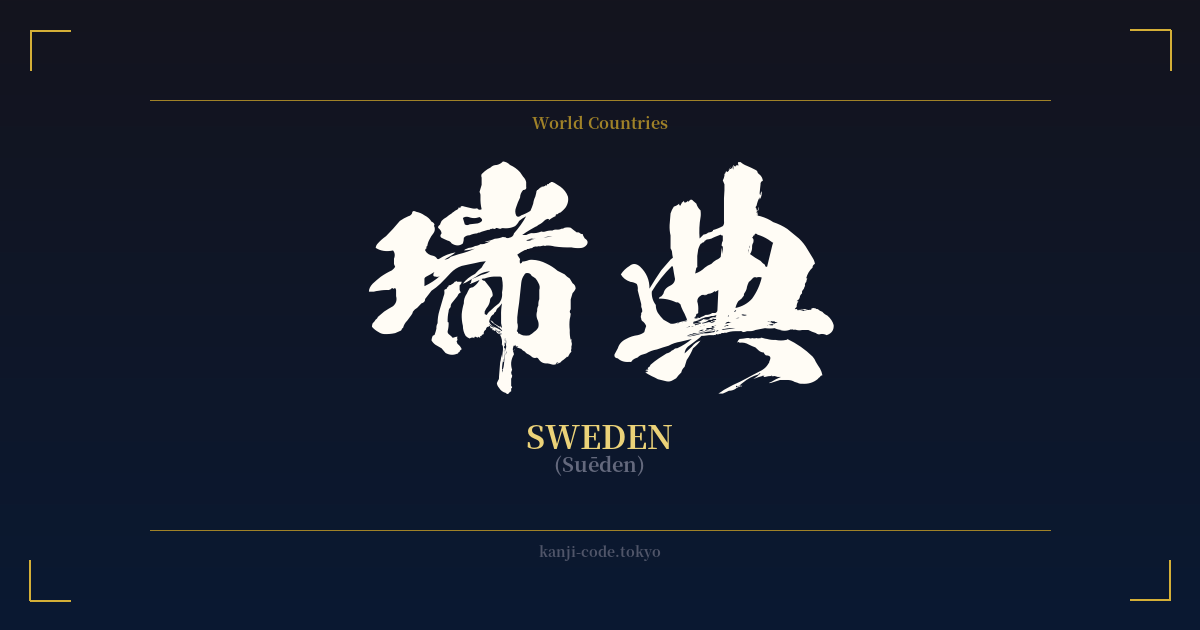
🔍 Kanji Breakdown: 伯剌西爾

The character 伯 typically means 'chief' or a high rank of nobility like an 'earl'. In this specific word, its meaning is ignored, and it is used purely for its phonetic value to represent the 'Bu' sound in 'Burajiru'.
剌 is an uncommon kanji meaning 'opposed' or 'perverse'. Its inclusion here has nothing to do with this negative meaning; it was simply chosen to phonetically represent the 'ra' syllable of the word.
西
While this is the common and well-known kanji for 'west', its directional meaning is set aside in this context. It functions solely as a phonetic component, representing the 'ji' sound in 'Burajiru'.
爾 is an archaic kanji for the second-person pronoun 'you' or 'thou'. Like the other characters in this compound, its role is not semantic but phonetic, providing the final 'ru' sound to complete the name.

❓ Frequently Asked Questions

Is 伯剌西爾 the modern way to write Brazil in Japanese?
No. 伯剌西爾 is an archaic phonetic spelling known as 'ateji'. The modern, standard, and universally understood way to write Brazil is with katakana script: ブラジル (Burajiru).
Why do the individual kanji in 伯剌西爾 have meanings unrelated to Brazil?
This is a classic example of 'ateji', where kanji are used for their sound rather than their meaning. The characters were chosen simply because their pronunciations (Bu-ra-ji-ru) approximate the name of the country, and their literal meanings should be disregarded.
Would a Japanese person understand a 伯剌西爾 tattoo?
Most likely not, especially younger generations. They might recognize it as an old-fashioned 'ateji' for a foreign place, but they would not immediately know it means Brazil. They would be more likely to be confused by the literal, nonsensical meaning of the characters.

🔗 Related Kanji

⚠️ Important: Before You Get Inked

The Kanji designs and meanings on this site are for inspiration purposes. While we strive for accuracy, Japanese characters can have multiple nuances depending on the context.

Tattoos are permanent. We strongly recommend consulting with a native Japanese speaker or a professional tattoo artist to verify the design and meaning before getting a tattoo.

Did I save you from a bad tattoo?

Creating accurate Kanji definitions takes time and research.
If this guide helped you, please consider buying me a Green Tea to support the site! 🍵

🌎 World Countries

Comments

Copied title and URL