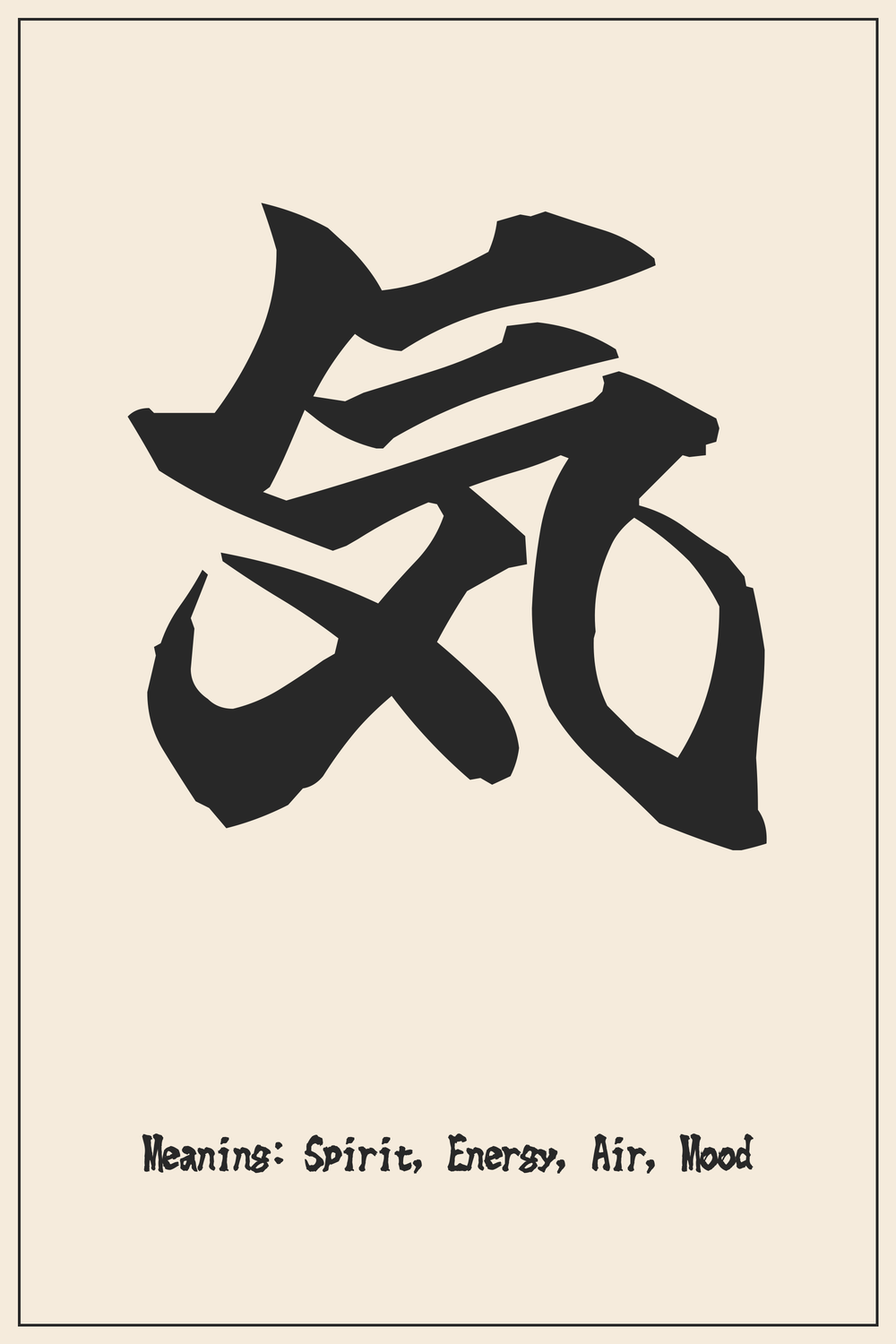
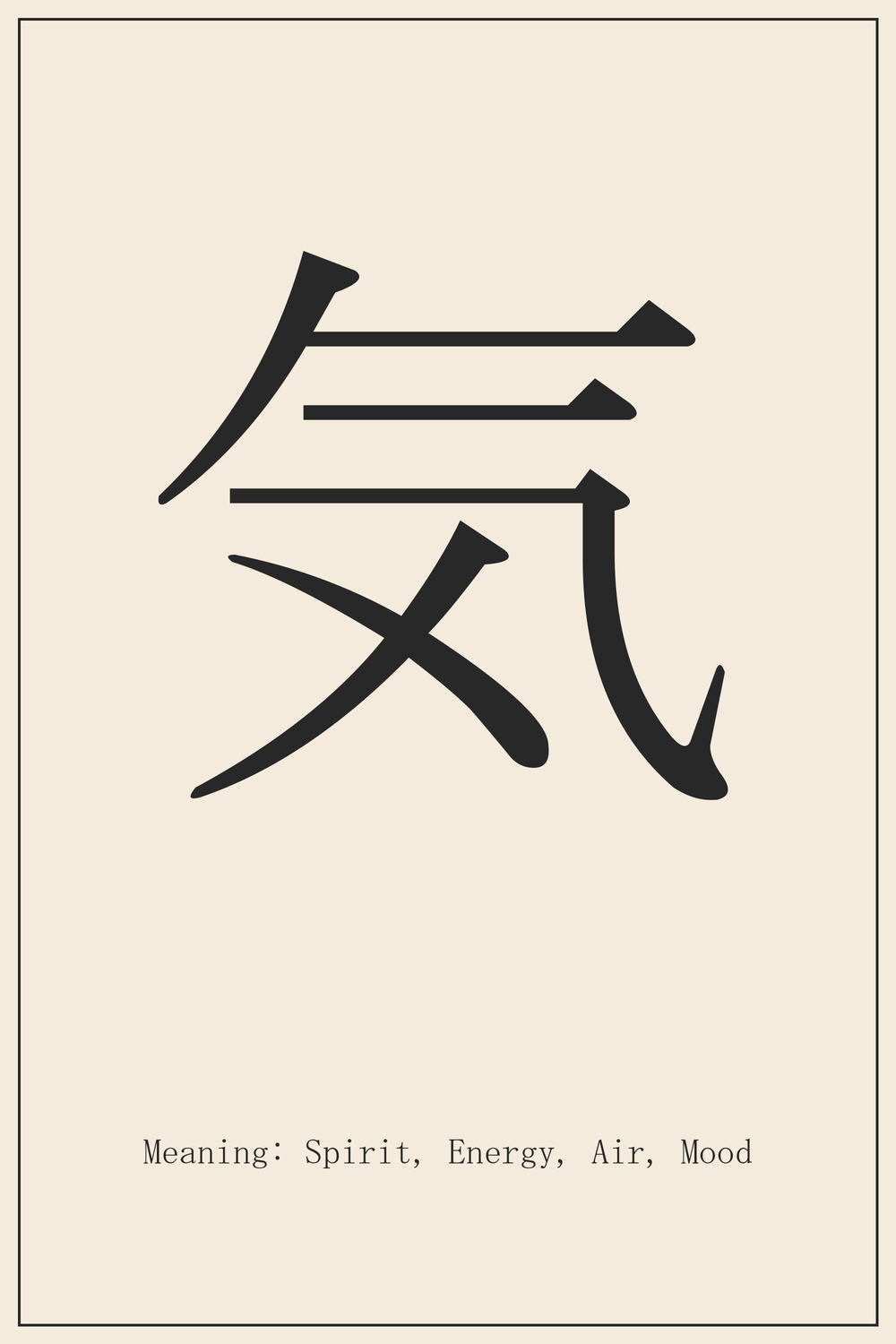
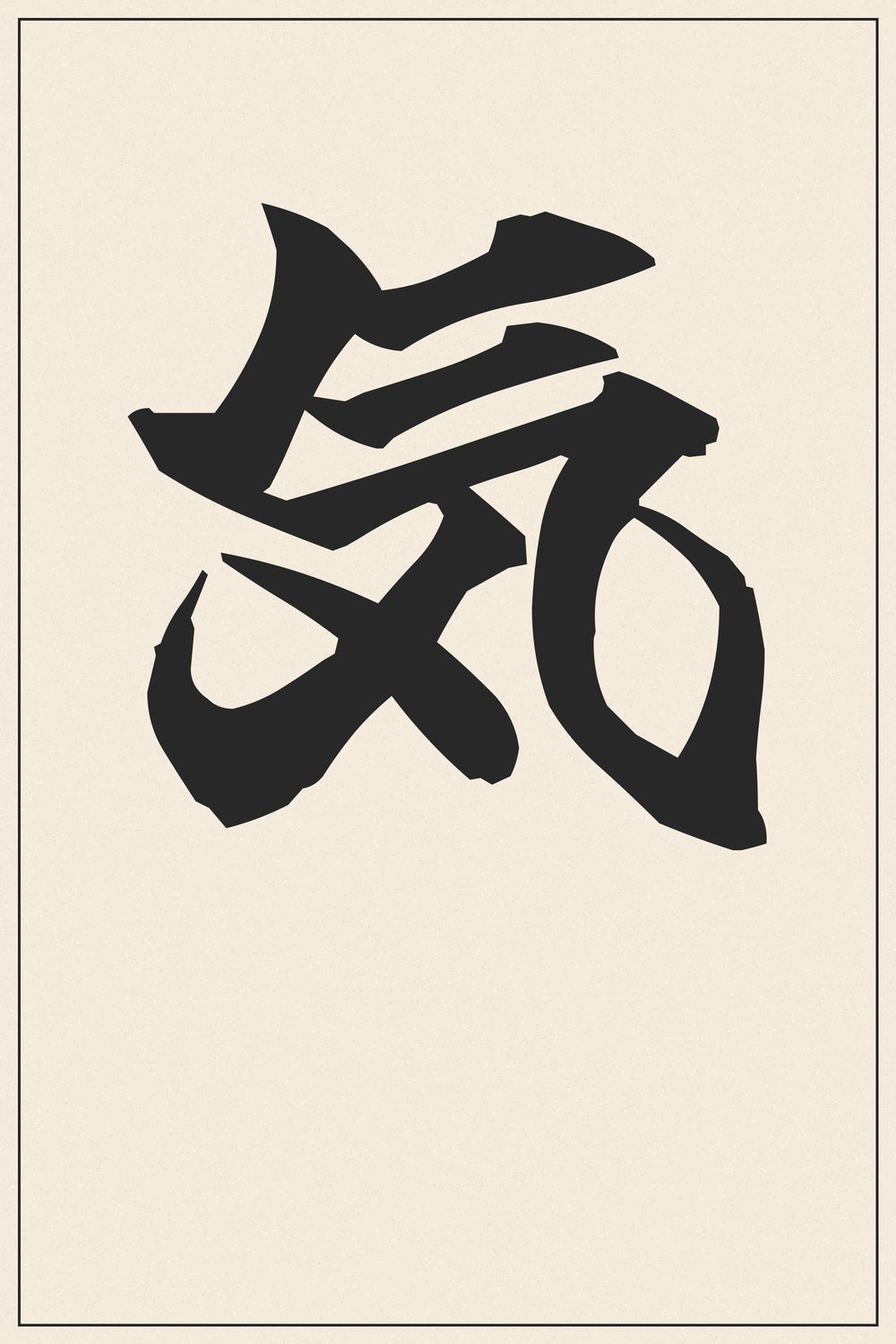
The Kanji for ‘Ki’ (気) is a cornerstone of Japanese philosophy, representing the vital life force that permeates all existence. It encompasses spirit, energy, mood, and even the air itself, offering a profound symbol for inner strength and cosmic connection.
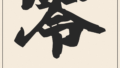
The atmosphere of a Kanji character changes dramatically depending on the font style. A character that looks elegant in a brush style might look bold and modern in a different font.
Recommendation:
Since a tattoo is permanent, we strongly recommend comparing various font styles beyond what is shown here. Use our designs as a trusted reference for the correct structure, but feel free to explore different artistic variations to find the perfect match for your vision.
The Deep Meaning Behind 気
The character 気, pronounced ‘ki’, has ancient roots, originally depicted as 氣. This earlier form combined ‘气’ (steam, vapor, or breath) over ‘米’ (rice). This visually represented the steam rising from cooking rice, symbolizing not just sustenance but the vital energy derived from it, the very breath of life.
In Japanese culture, ‘ki’ is a fundamental concept, analogous to ‘chi’ in Chinese. It refers to the universal life force, energy, or spirit that flows through all living things and the environment. It’s integral to various philosophical, spiritual, and martial arts traditions, influencing health, well-being, and personal disposition. Understanding ‘ki’ offers insight into a holistic view of existence.
Kanji Breakdown
The Kanji 気, though simplified from its older form, maintains its profound meaning through its etymological components:
The character ‘気’ itself is a simplification of 氣. The top component ‘气’ represents air, steam, or gas, embodying the ethereal, invisible forces of nature and the breath of life. The bottom stroke conceptually derives from ‘米’ (rice), suggesting the life-giving sustenance that generates this vital energy. Together, they encapsulate the essence of life force, spirit, and fundamental energy.
Conclusion
The Kanji 気 represents more than just a word; it is a profound philosophical concept of universal energy, spirit, and life force. Its meaning spans from the air we breathe to our inner mood and vitality, making it a rich symbol for personal growth and spiritual awareness.
Embracing ‘Ki’ as a tattoo is to carry a reminder of the unseen forces that shape existence, fostering balance, mindfulness, and inner strength. It is a powerful emblem for anyone seeking to honor the flow of energy in their life and connect with a deeper sense of self.
Comments