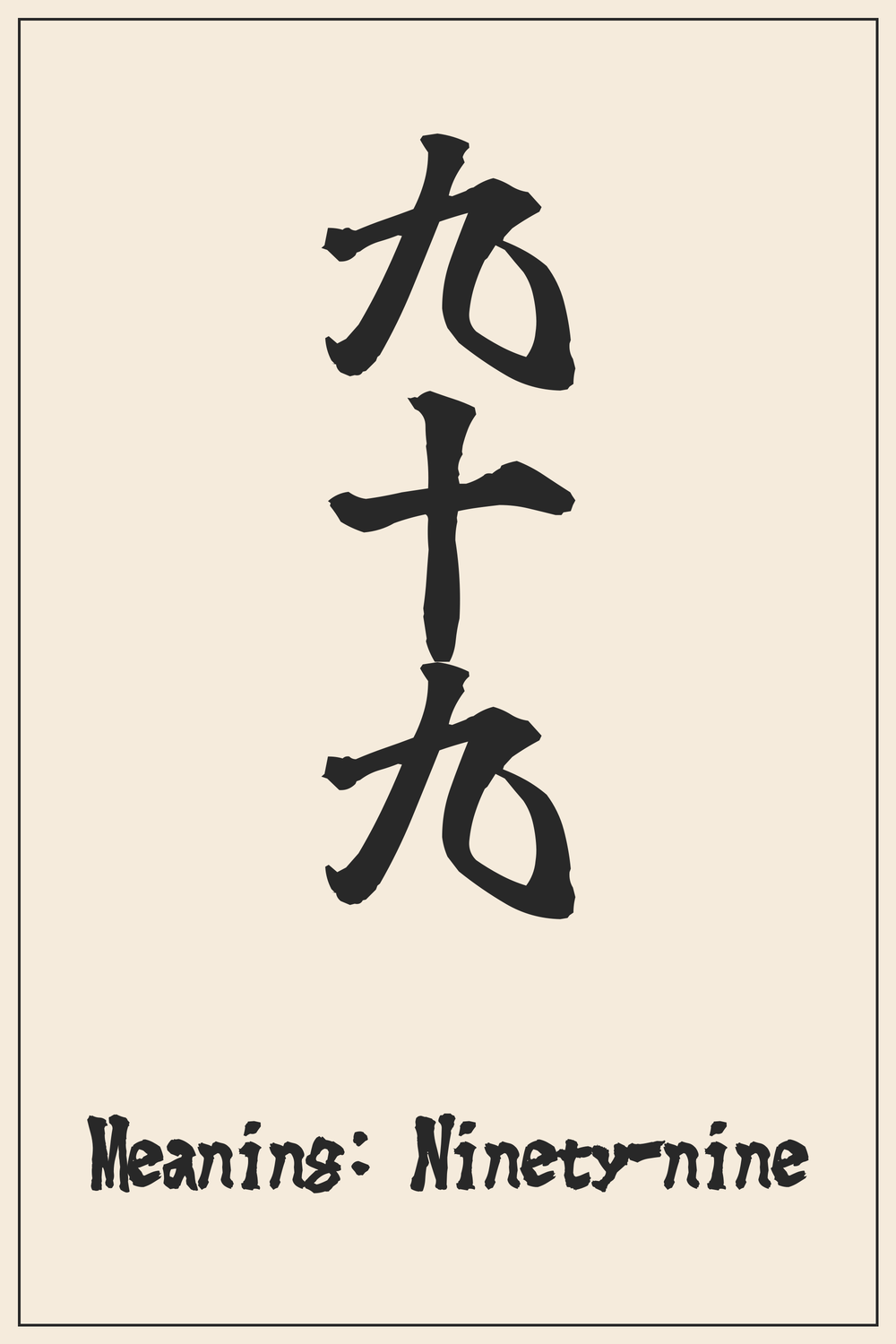
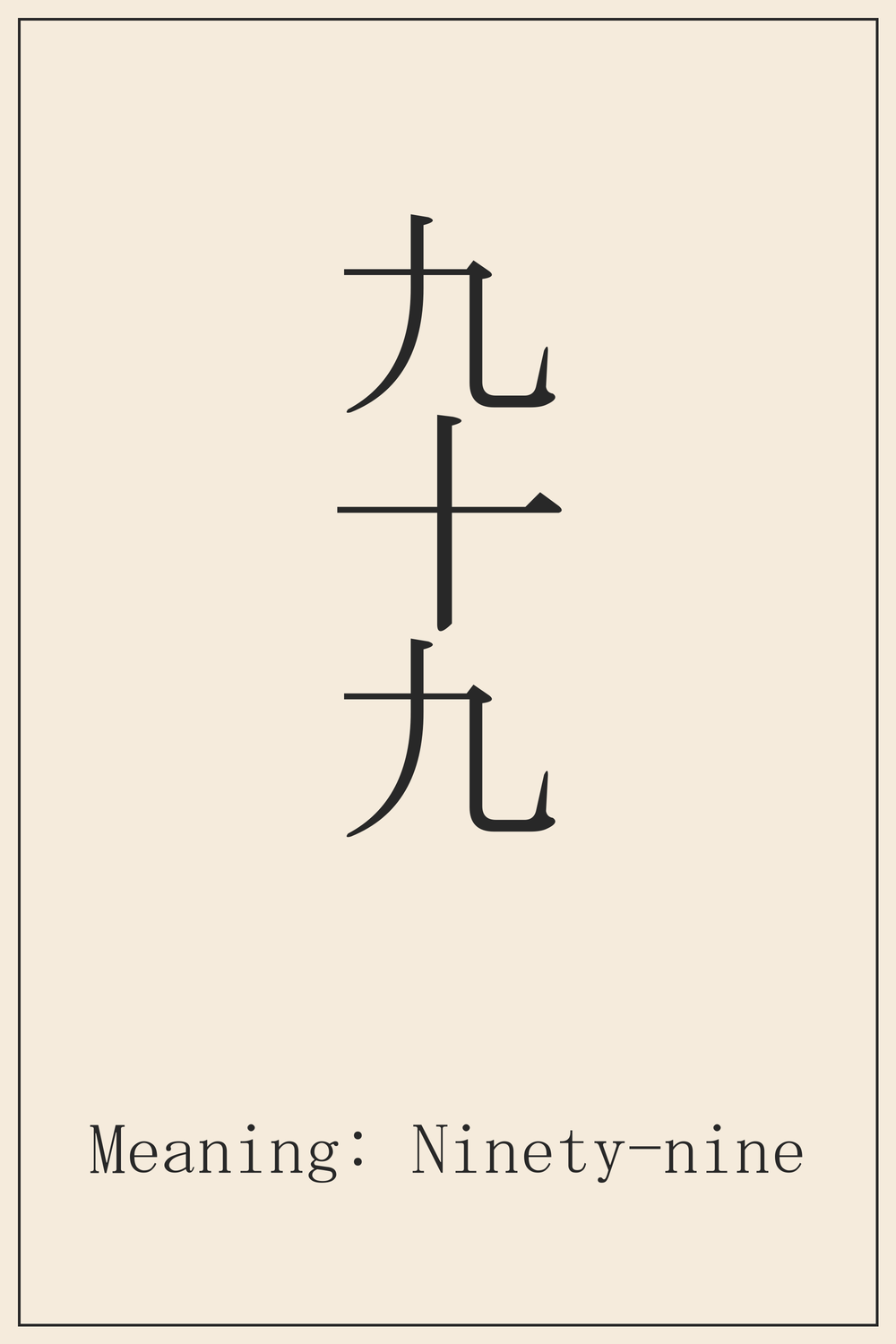
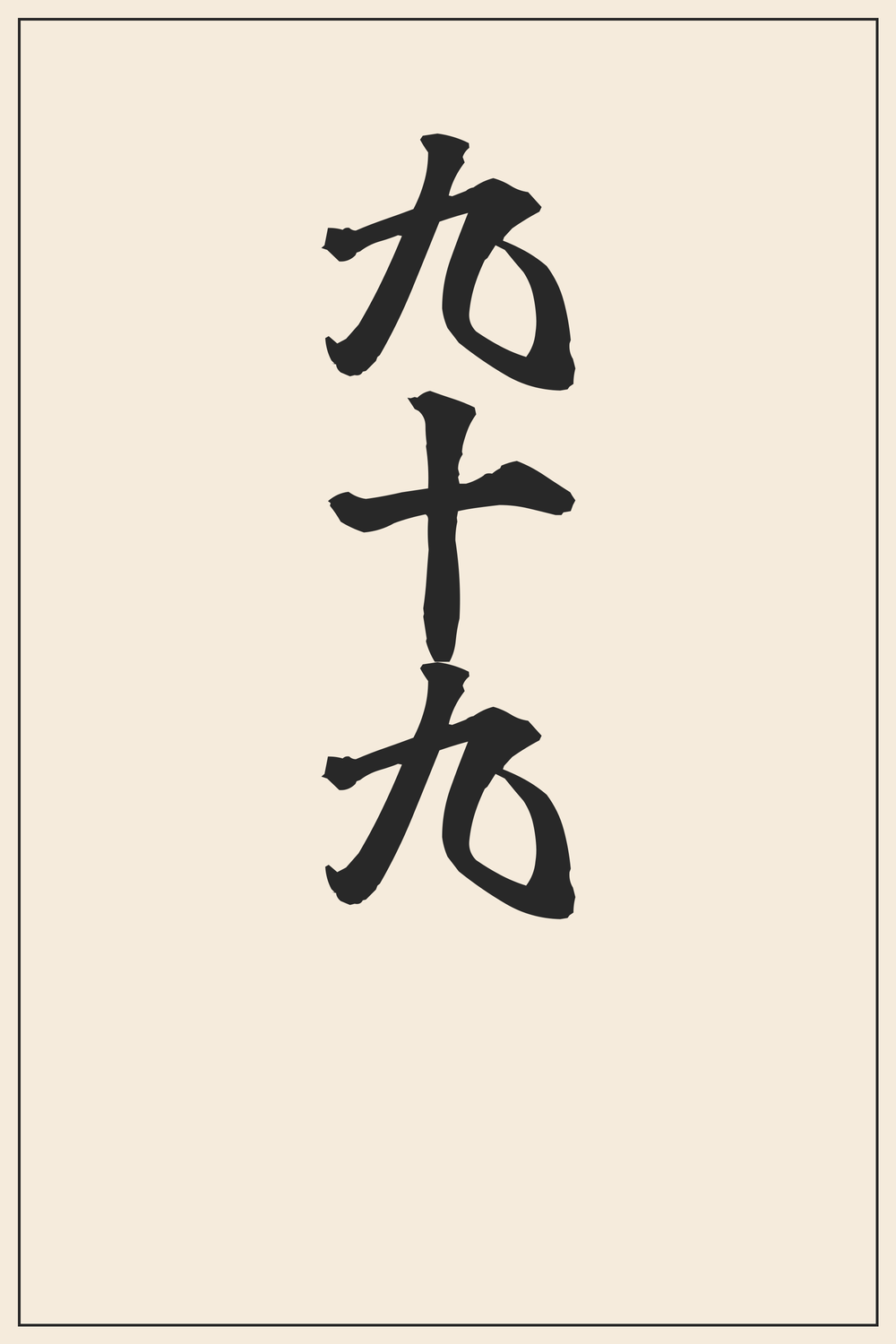
The Kanji 九十九 (Ninety-nine) transcends a mere numerical value, embodying concepts of completeness, longevity, and the culmination of time in Japanese culture.
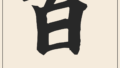
The atmosphere of a Kanji character changes dramatically depending on the font style. A character that looks elegant in a brush style might look bold and modern in a different font.
Recommendation:
Since a tattoo is permanent, we strongly recommend comparing various font styles beyond what is shown here. Use our designs as a trusted reference for the correct structure, but feel free to explore different artistic variations to find the perfect match for your vision.
The Deep Meaning Behind 九十九
The compound Kanji 九十九 is straightforwardly formed from 九 (kyū/ku), meaning ‘nine,’ and 十 (jū), meaning ‘ten.’ When placed together in this sequence, 九十九 literally translates to ‘nine tens and nine,’ or ‘ninety-nine.’ However, its historical readings, particularly ‘tsukumo,’ imbue it with much deeper connotations than simple arithmetic.
Culturally, the reading ‘tsukumo’ for 九十九 is famously linked to ‘tsukumogami’ (付喪神), folklore creatures born from inanimate objects that have existed for ninety-nine or one hundred years. This connection highlights themes of longevity, the accumulation of time, and the potential for inanimate objects to gain spirit and transformation after a long existence. It speaks to the idea of nearing completion or achieving a significant milestone.
Kanji Breakdown
The Kanji 九十九 is a combination of two fundamental numerical characters.
Meaning: Nine. This character represents the numerical value ‘nine’ and is a basic component in counting.
Meaning: Ten. This character represents the numerical value ‘ten,’ often symbolizing a complete unit or cycle in various counting systems.
Conclusion
The Kanji 九十九, or ‘Kyūjūkyū,’ primarily denotes the number ninety-nine. Yet, its historical and folkloric associations, especially with the ‘tsukumo’ reading and ‘tsukumogami,’ elevate it beyond a simple numeral to a symbol of longevity, accumulated time, and profound transformation on the cusp of a new beginning.
Choosing 九十九 for a tattoo can represent reaching a significant milestone, a journey towards completion, or an appreciation for the enduring passage of time and the wisdom it imparts. Its elegant simplicity ensures a clear and timeless design.
Comments