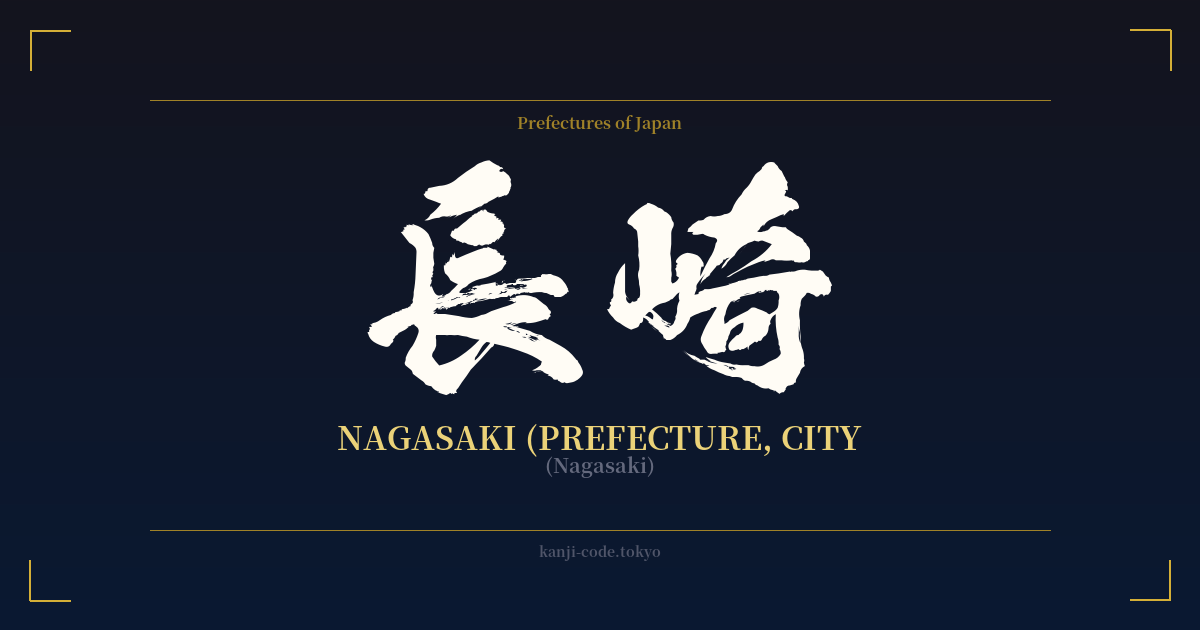
✍️ 長崎 (Nagasaki) — Cultural Context
The name 長崎, meaning 'long cape,' paints a simple, geographical picture that belies the city's profound and complex history. The name itself is thought to have originated from the long, narrow peninsula on which the city is situated, a rugged finger of land extending into the sea. This geography didn't just give the city its name; it defined its destiny as one of Japan's most important maritime gateways.
For over two centuries (1639-1854), during Japan's period of national isolation known as sakoku, Nagasaki was the nation's sole window to the outside world. The man-made island of Dejima in Nagasaki harbor was the only place where trade with the Dutch and Chinese was permitted. This unique status turned Nagasaki into a vibrant, cosmopolitan hub where foreign ideas, technologies, and culture flowed into Japan. It became a center for Rangaku, or 'Dutch Learning,' through which Japanese scholars studied Western science, medicine, and art.
This international exchange also made Nagasaki the cradle of Christianity in Japan. Portuguese missionaries arrived in the 16th century, and the faith took root here more deeply than anywhere else in the country. However, this was followed by brutal persecution under the Tokugawa shogunate. The story of the Kakure Kirishitan, or 'Hidden Christians,' who practiced their faith in secret for over 250 years, is a testament to the region's enduring spirit and is a central part of Nagasaki's identity.
Of course, no discussion of Nagasaki is complete without acknowledging the tragic events of August 9, 1945. The dropping of the second atomic bomb devastated the city, killing tens of thousands and leaving a scar on the world's conscience. Yet, from these ashes, Nagasaki rebuilt itself not with bitterness, but with a steadfast commitment to peace. The city transformed its tragedy into a mission, becoming a global advocate for nuclear disarmament. The Nagasaki Peace Park, the Atomic Bomb Museum, and the annual memorial ceremonies are solemn reminders of the past and powerful calls for a peaceful future.
Today, 長崎 represents a powerful duality. It is a beautiful port city that honors its unique history of international exchange while also standing as a universal symbol of human resilience and the enduring hope for peace. It is a name that carries the weight of history, the pain of immense loss, and the strength of a community that chose peace over vengeance.
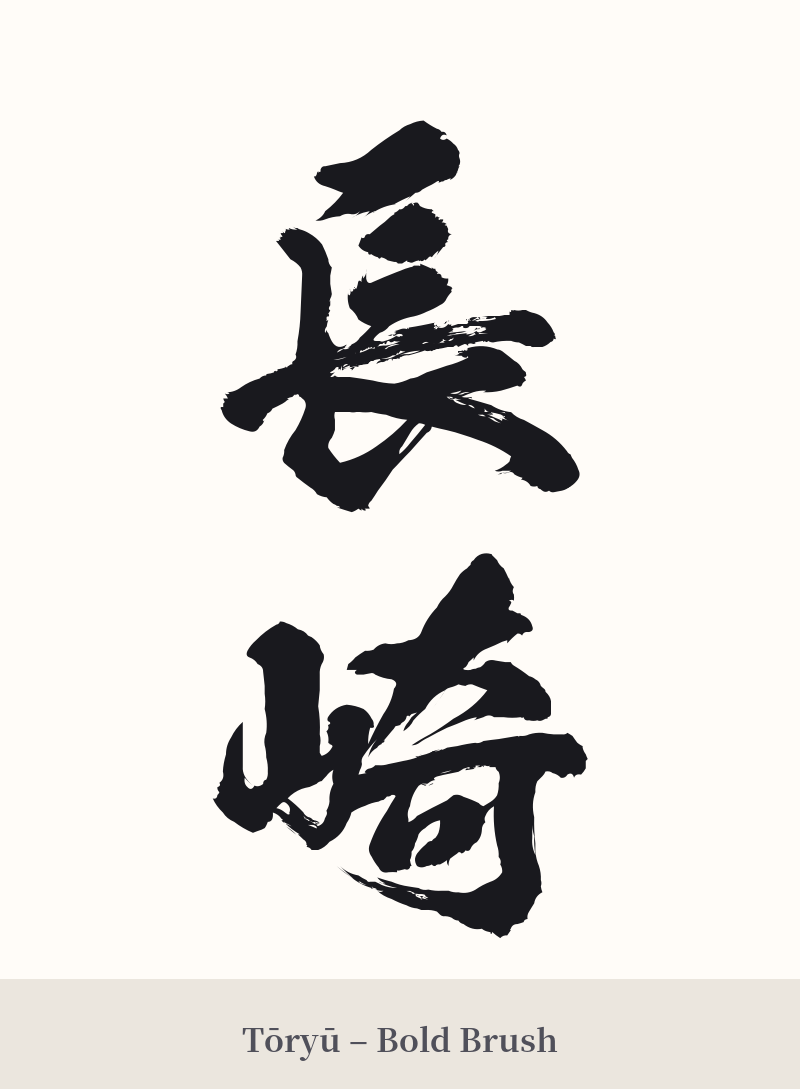
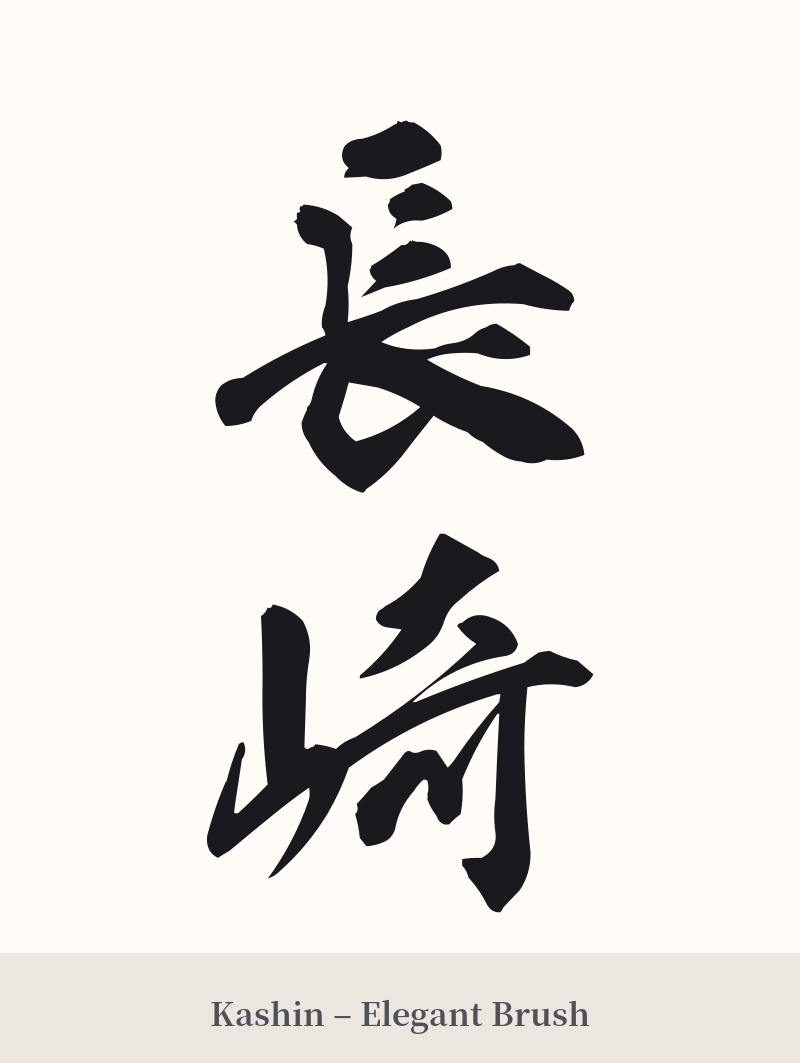
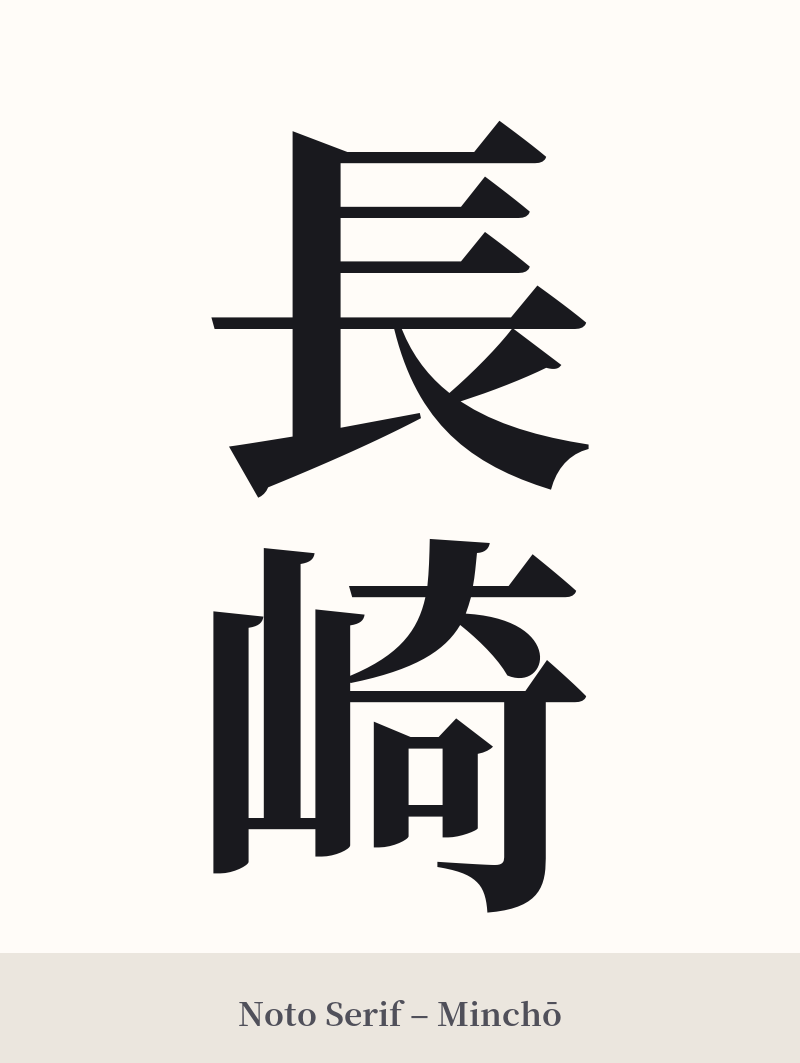
🖌️ Font Styles for 長崎
The same kanji can look dramatically different depending on the calligraphy style. Choose a font that matches the mood you want for your tattoo or design.
🎨 Tattoo Suitability
📐 Tattoo Design Guide
A tattoo of 長崎 is deeply personal and should be designed with respect for its history. The two characters have a natural flow and balance that works well in a traditional vertical arrangement.
– Placement: A vertical column on the inner forearm, along the spine, or on the shoulder blade can create a powerful and elegant statement. This allows the characters to be read downward in the traditional Japanese style.
– Font Style: A classic Kaisho (block) script emphasizes the stability and gravity of the name. For a more fluid and artistic feel, a Gyōsho (semi-cursive) style can capture the sense of history and resilience. Avoid overly modern or stylized fonts that might disconnect from the word's profound historical context.
– Visual Elements: If you wish to add imagery, consider elements that complement the meaning. Subtle wave patterns can allude to the 'cape' and the city's maritime history. A single crane or a lotus blossom can be incorporated to symbolize the themes of peace, hope, and rebirth that are now central to Nagasaki's identity.
Comments