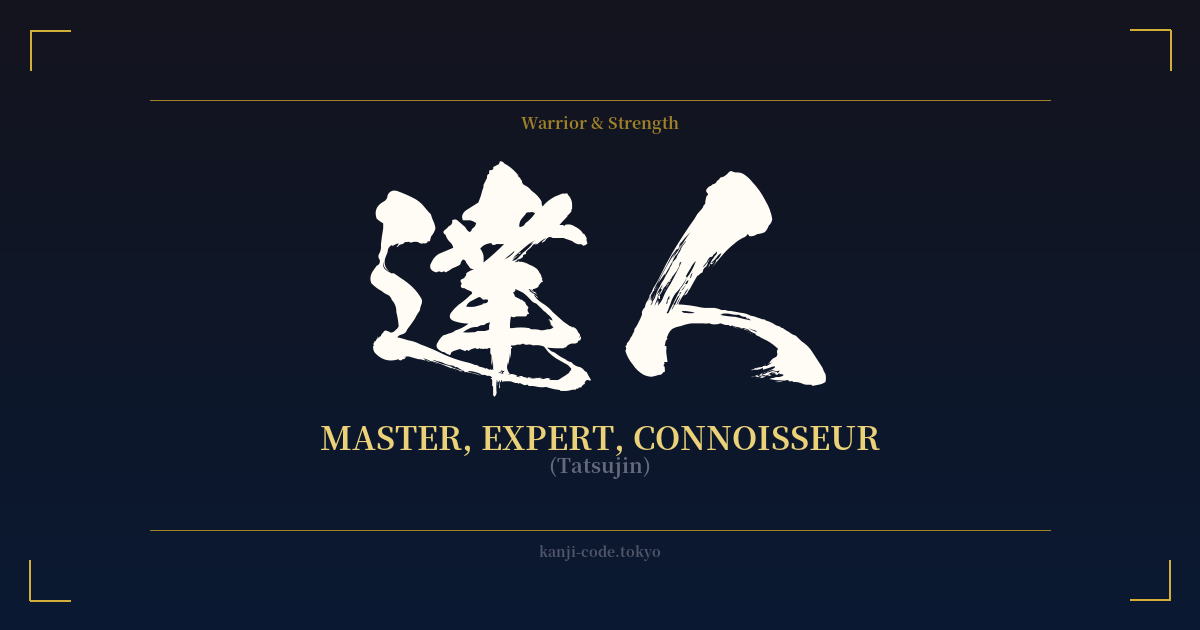
✍️ 達人 (Tatsujin) — Cultural Context
達人 (Tatsujin) is a Japanese word that signifies a level of skill so profound it borders on the sublime. While often translated as 'master' or 'expert,' these English words don't fully capture the reverence embedded in the term. A Tatsujin is not merely proficient; they are a person who has 'reached' a state of intuitive understanding and flawless execution in their chosen field.
The term is a combination of two kanji: 達 (tatsu), meaning 'to reach' or 'attain,' and 人 (jin), meaning 'person.' Literally, it means 'an attained person'—someone who has arrived at the pinnacle of their practice through years of relentless effort, discipline, and insight. This concept is deeply intertwined with the Japanese ideal of the 道 (dō), or 'the Way,' where the pursuit of a skill is also a path to spiritual and personal enlightenment.
Historically, Tatsujin was often used to describe legendary figures in martial arts, such as a 'master of the sword' (剣の達人, ken no tatsujin). These were individuals whose abilities were so refined that they seemed almost supernatural. Their mastery was not just about winning fights but about perfecting their form, mind, and spirit as a unified whole. This idea extends to all traditional arts, from calligraphy (書道, shodō) and tea ceremony (茶道, sadō) to flower arranging (華道, kadō).
In modern Japan, the use of Tatsujin has broadened but its core essence remains. You might hear someone referred to as a 'ramen master' (ラーメンの達人) or a 'master of coffee' (コーヒーの達人). This isn't just a compliment; it's a recognition of someone who has dedicated their life to perfecting a craft, understanding its every nuance, and elevating it to an art form. It's a title earned through public recognition of undeniable skill, not one that is self-proclaimed.
Unlike the more formal term 名人 (meijin), which can be an official title or rank, Tatsujin is a description of a state of being. It speaks to a deep, almost instinctual, connection to one's craft. It embodies the spirit of the 職人 (shokunin), the artisan who pursues perfection not for fame or fortune, but for the sake of the craft itself. To be called a Tatsujin is one of the highest compliments one can receive, acknowledging a lifetime of dedication and a journey toward ultimate mastery.
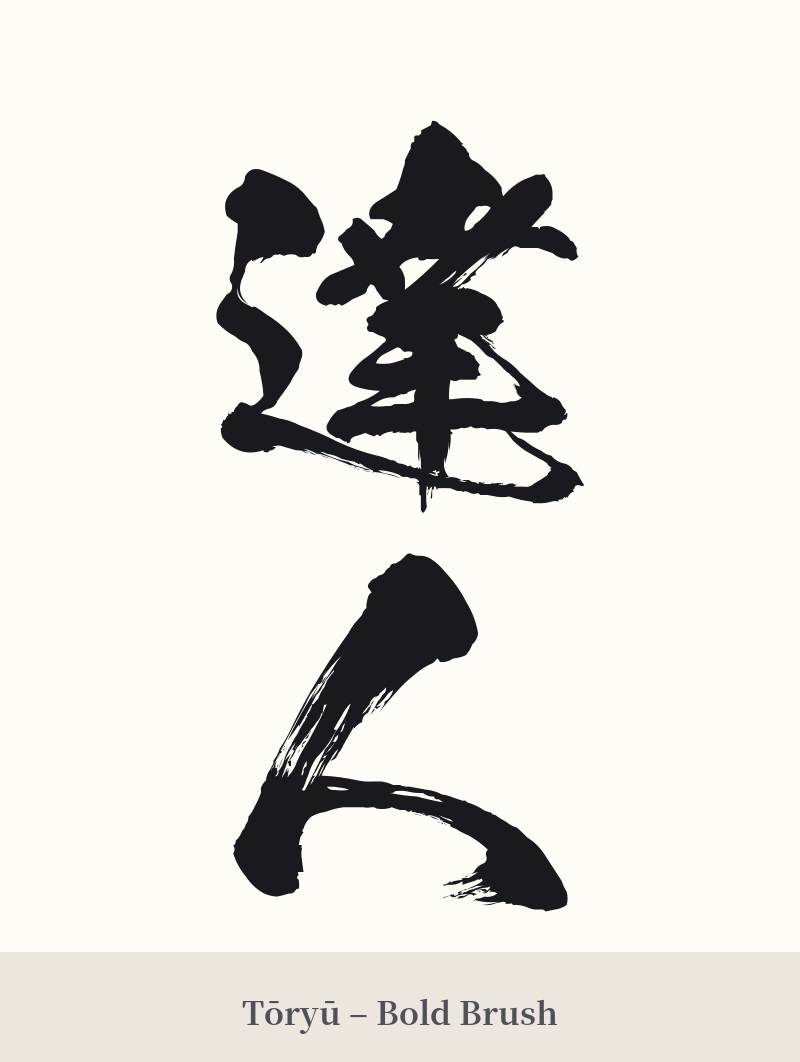
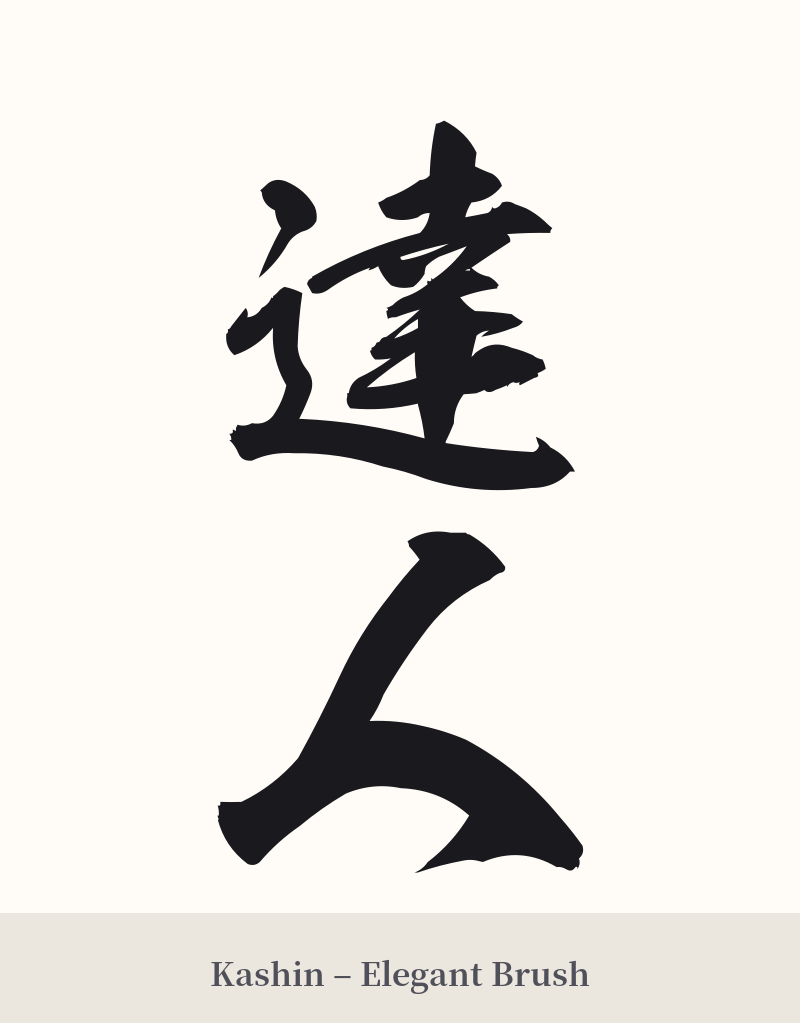
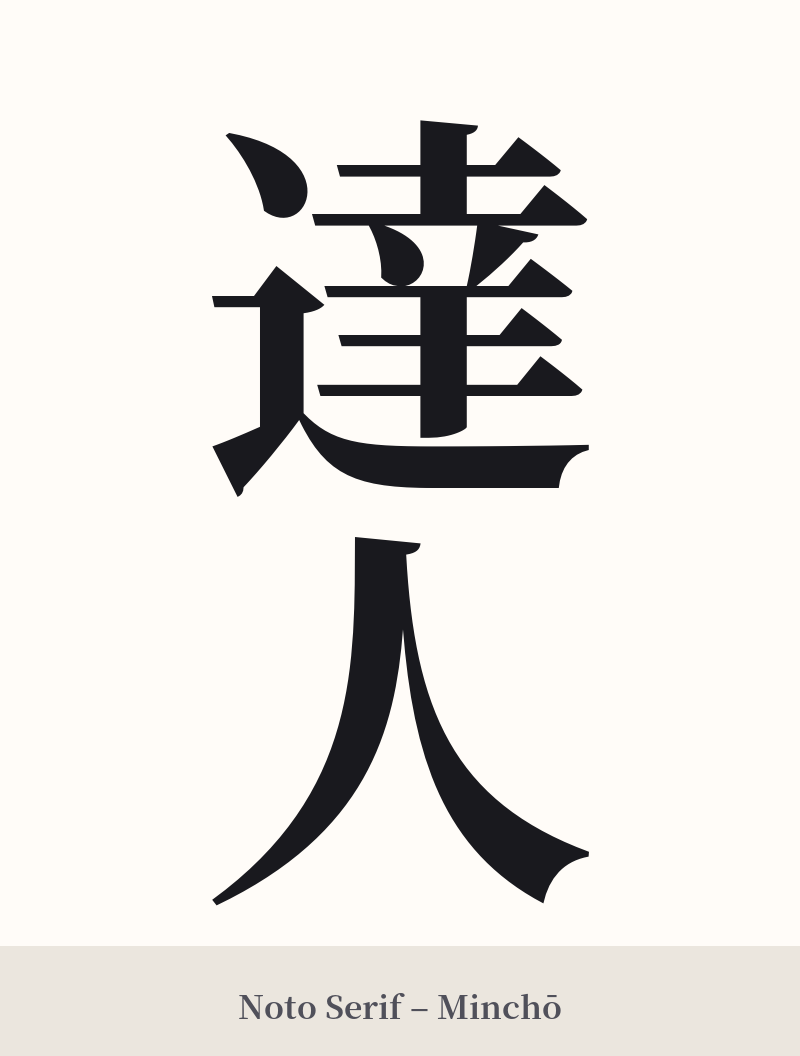
🖌️ Font Styles for 達人
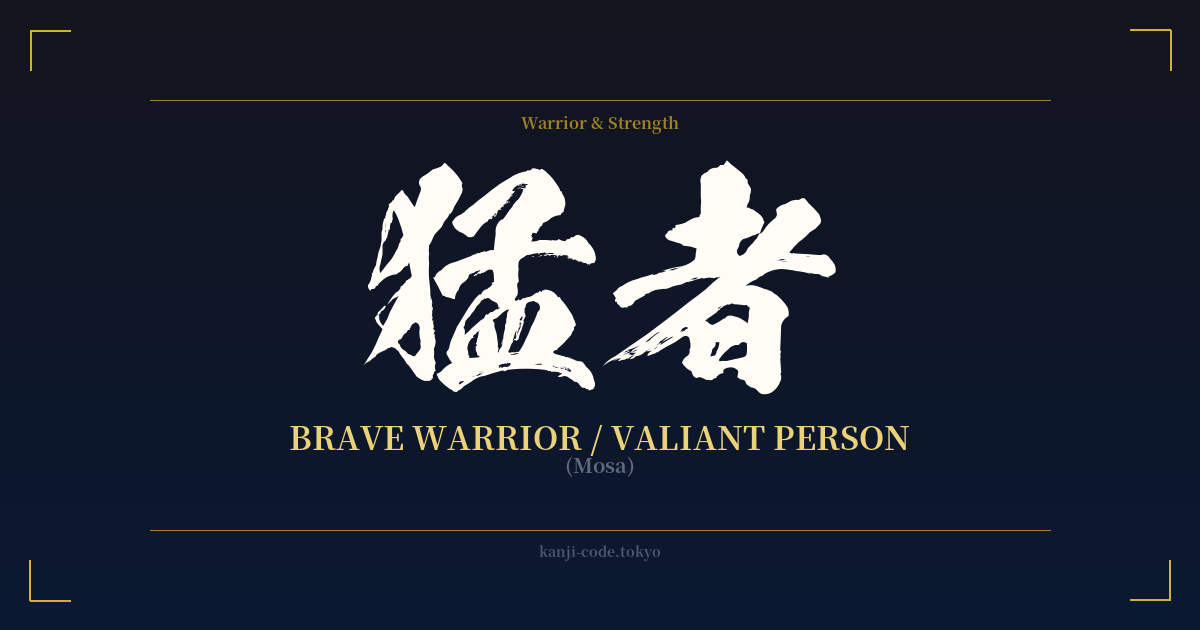
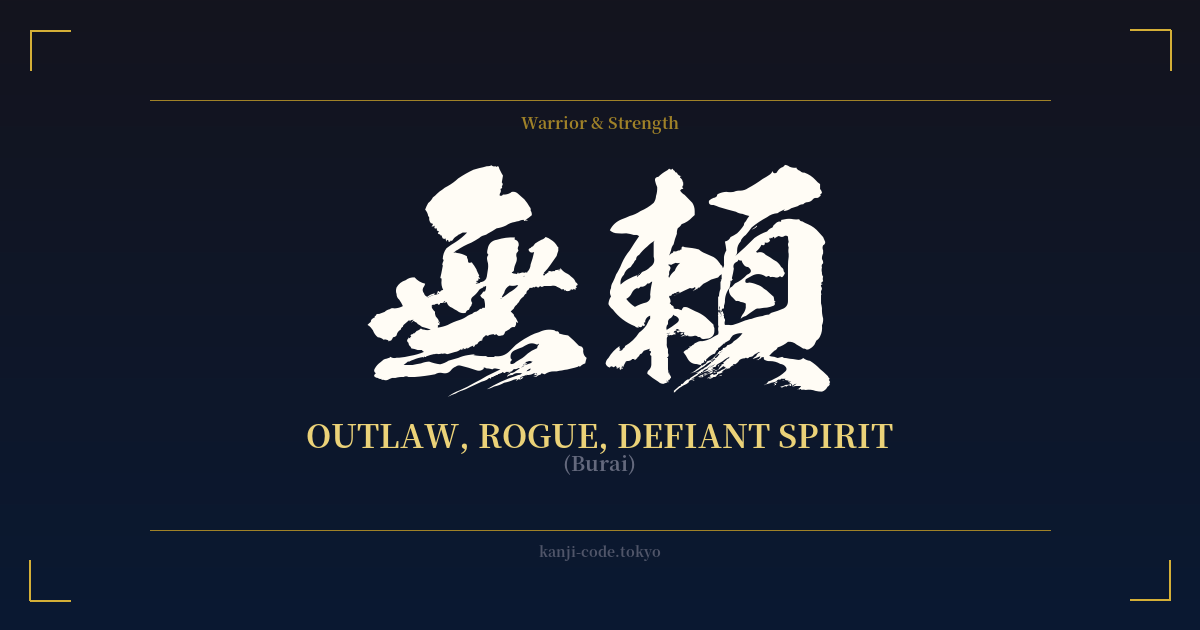
The same kanji can look dramatically different depending on the calligraphy style. Choose a font that matches the mood you want for your tattoo or design.
🎨 Tattoo Suitability
📐 Tattoo Design Guide
For a 達人 tattoo, the design should reflect the balance of complexity and simplicity inherent in the characters themselves.
– Placement: Vertical alignment is classic and works well on the forearm, calf, or along the spine. This orientation emphasizes the traditional Japanese writing style. For a horizontal design, the chest or upper back provides a strong canvas.
– Font Style: A dynamic, semi-cursive brush script (Gyōsho) can capture the fluid, effortless motion of a master. For a more disciplined and powerful statement, a bold, angular block script (Kaisho) is an excellent choice. Avoid overly thin or decorative fonts that might detract from the strength of the characters.
– Visual Tips: Consider the spacing between the two kanji. Placing 達 slightly larger or with more emphasis than 人 can create a visual narrative of a great skill embodied within a person. Some people choose to integrate a small, subtle symbol of their specific craft (like a chef's knife or a musical note) near the kanji, but the word is powerful enough to stand alone.
Comments