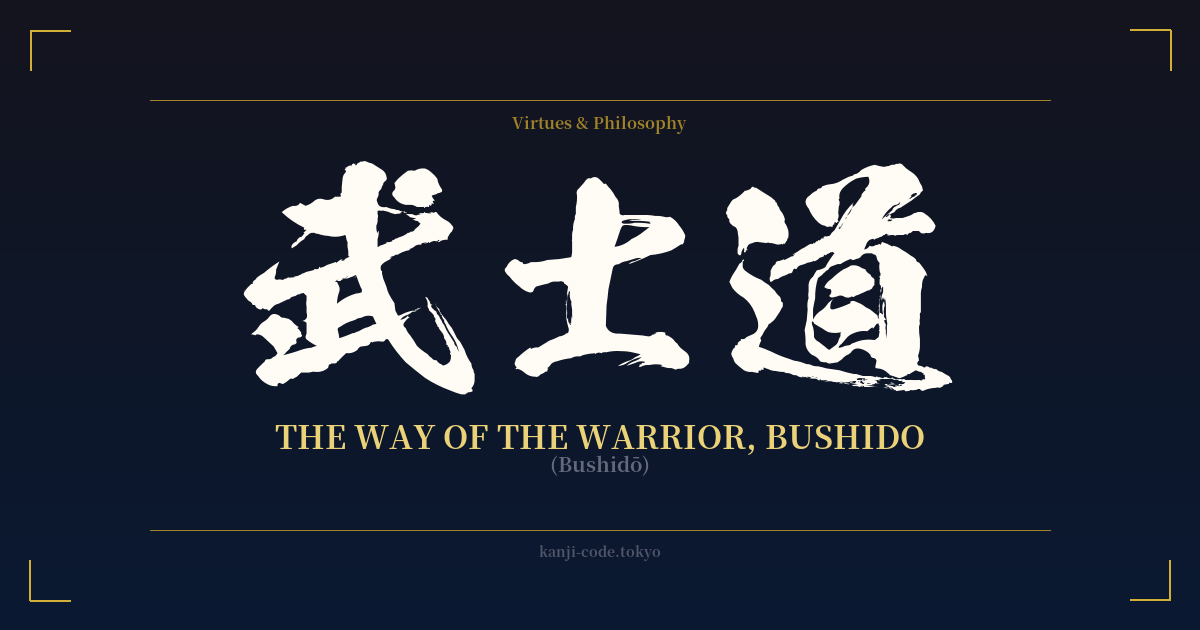
✍️ 武士道 (Bushidō) — Contexto cultural
Bushidō (武士道) se traduce como "el camino del guerrero". Se trata de un complejo código moral y ético que regía la vida de los samuráis, la noble clase guerrera de Japón. Aunque a menudo se concibe como una doctrina antigua y monolítica, el Bushidō no era un texto escrito único, sino una filosofía viva que evolucionó a lo largo de los siglos.
El término en sí combina tres kanji: 武 (bu), que significa "marcial" o "militar"; 士 (shi), que significa "caballero" o "erudito"; y 道 (dō), que significa "el Camino" o "sendero". Esta combinación es clave: no se trataba solo de destreza en el combate, sino de ser una persona disciplinada, culta y honorable. El "Camino" implica un viaje de superación personal a lo largo de la vida y la adhesión a un estricto conjunto de principios.
El concepto de Bushidō fue introducido de manera más famosa en el mundo occidental por el libro de Nitobe Inazō de 1900, "Bushido: El alma de Japón". Escrito en inglés para una audiencia extranjera, el trabajo de Nitobe presentó una versión idealizada y romántica del código, comparando la ética samurái con la caballerosidad europea. Describió lo que ahora se consideran las virtudes centrales del Bushidō: Rectitud (義, gi), Coraje (勇, yū), Benevolencia (仁, jin), Respeto (礼, rei), Honestidad (誠, makoto), Honor (名誉, meiyo) y Lealtad (忠義, chūgi).
Sin embargo, es importante comprender que esta codificación se produjo principalmente durante el pacífico período Edo (1603-1868), una época en la que los samuráis transitaban de guerreros en el campo de batalla a administradores. El código sirvió para justificar su estatus como clase dominante. La realidad histórica de los samuráis en tiempos de guerra solía ser mucho más brutal y pragmática de lo que sugieren sus elevados ideales.
En el Japón moderno, el Bushidō posee un legado complejo. Se venera como símbolo de disciplina, dedicación y búsqueda de la excelencia, a menudo invocado en el contexto de las artes marciales (budō) o incluso en la cultura empresarial. Al mismo tiempo, su asociación con el ultranacionalismo y el militarismo del Japón imperial antes y durante la Segunda Guerra Mundial lo convierte en un tema delicado. Para muchos japoneses, representa un ideal histórico que se admira y, a la vez, se observa con cierta cautela. Por lo tanto, para apreciar verdaderamente el Bushidō es necesario comprender su historia completa: la noble filosofía, el ideal romántico y la compleja historia.
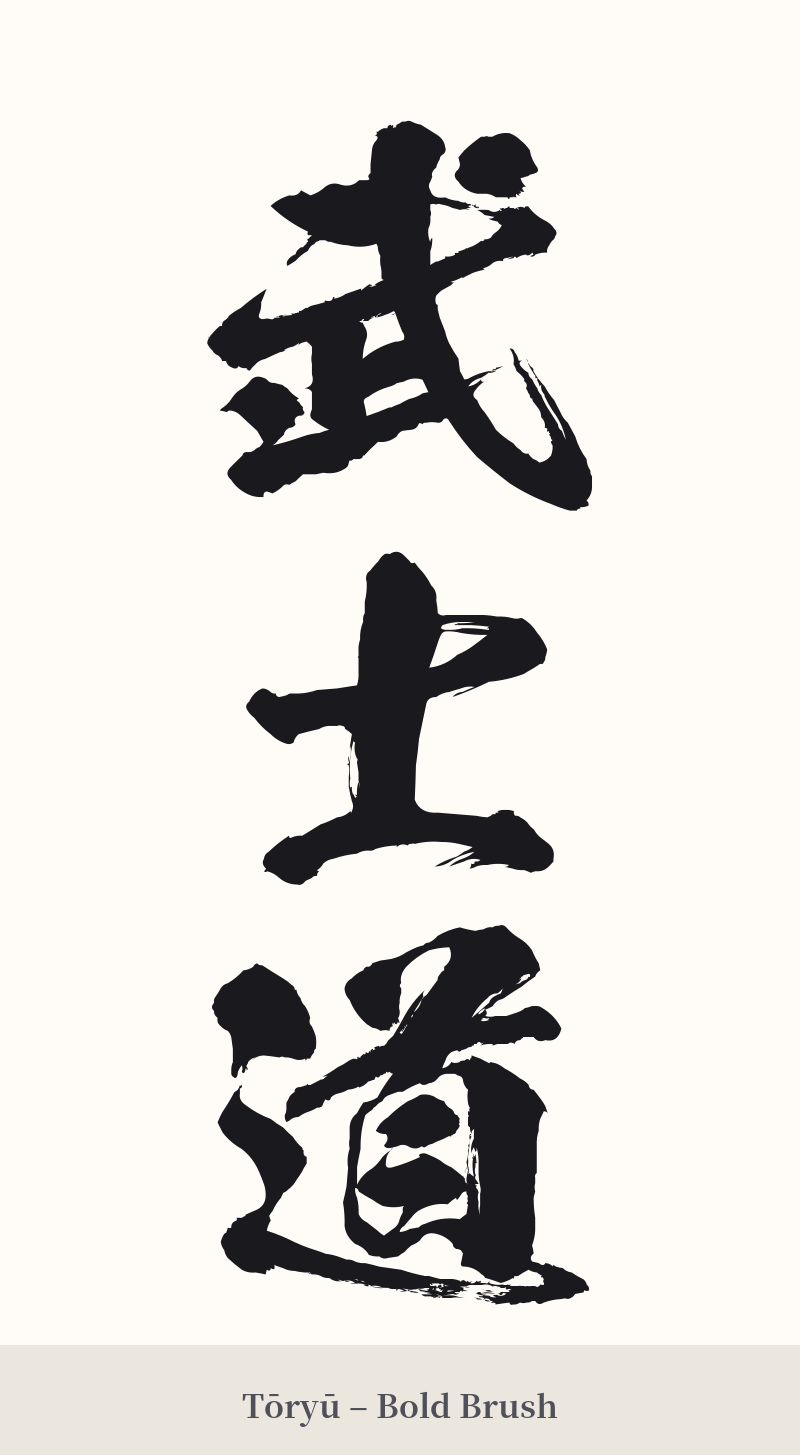
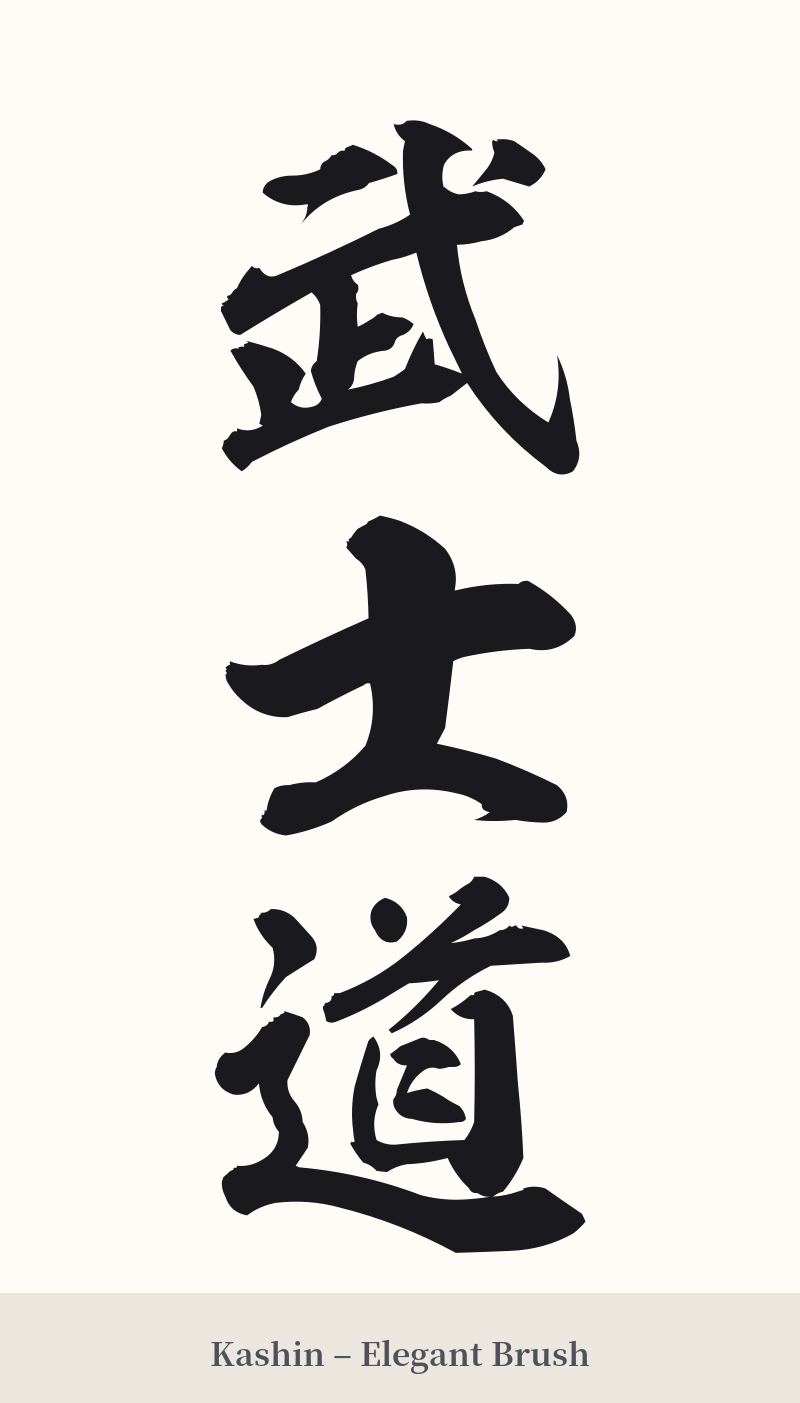
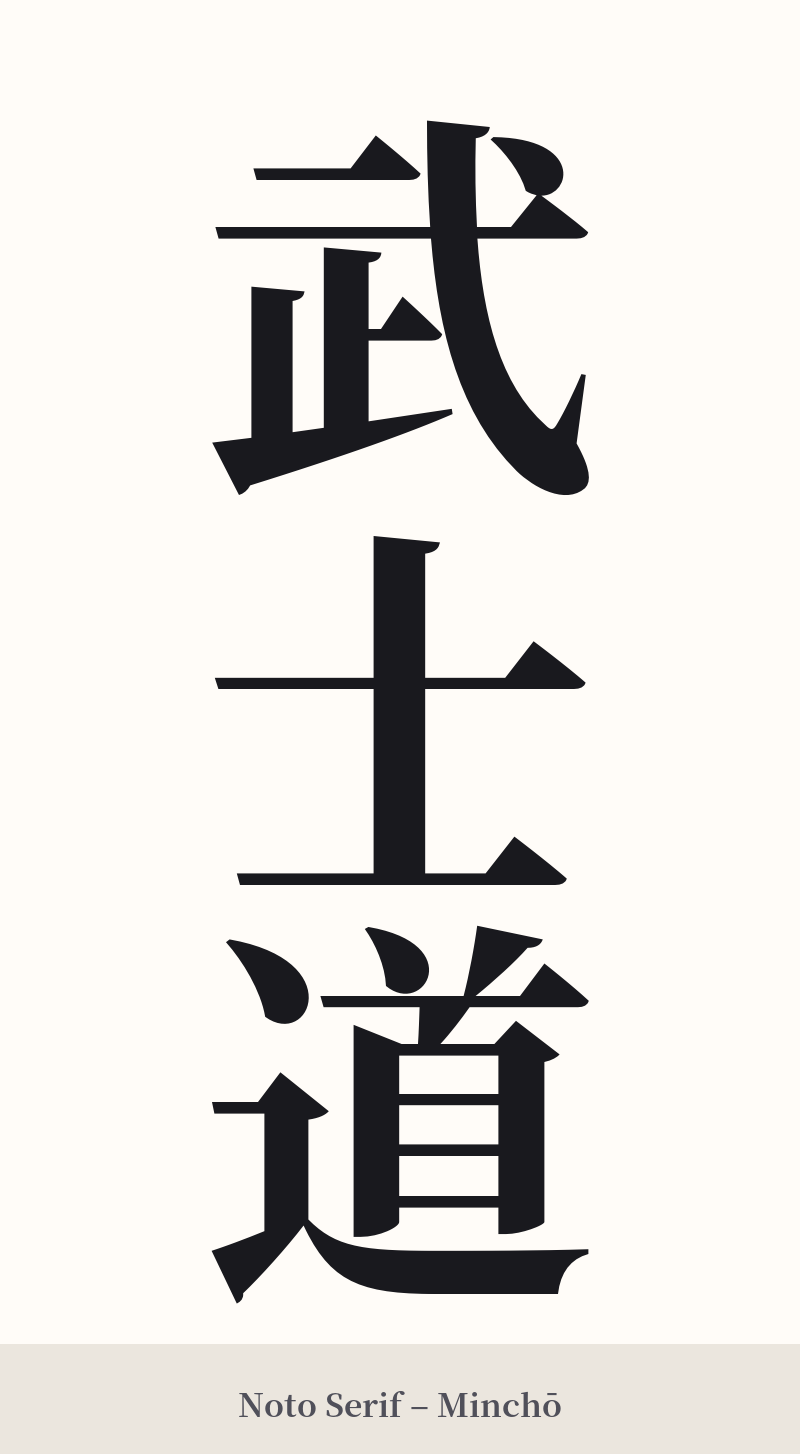
🖌️ Estilos de fuente para 武士道
Los mismos caracteres kanji pueden verse muy diferentes según el estilo de caligrafía. Elige una fuente que se ajuste al ambiente que deseas para tu tatuaje o diseño.
🎨 Idoneidad para tatuajes
📐 Guía de diseño de tatuajes
Los tres caracteres de Bushidō ofrecen una estética equilibrada y poderosa. Su orientación vertical es clásica y muy recomendable.
– Ubicación: Un diseño vertical funciona excepcionalmente bien en el antebrazo, la pantorrilla o recorriendo la columna vertebral o las costillas. Para un diseño horizontal, el pecho o la parte superior de la espalda ofrecen una excelente base.
– Estilo de fuente: Para una sensación de fuerza y tradición, la tipografía «Kaisho» (en mayúsculas) es una excelente opción. Para un estilo más artístico y fluido, la tipografía «Gyosho» (semicursiva) o «Sosho» (cursiva) puede ser impresionante, pero requiere un artista con experiencia específica en caligrafía japonesa para su correcta ejecución.
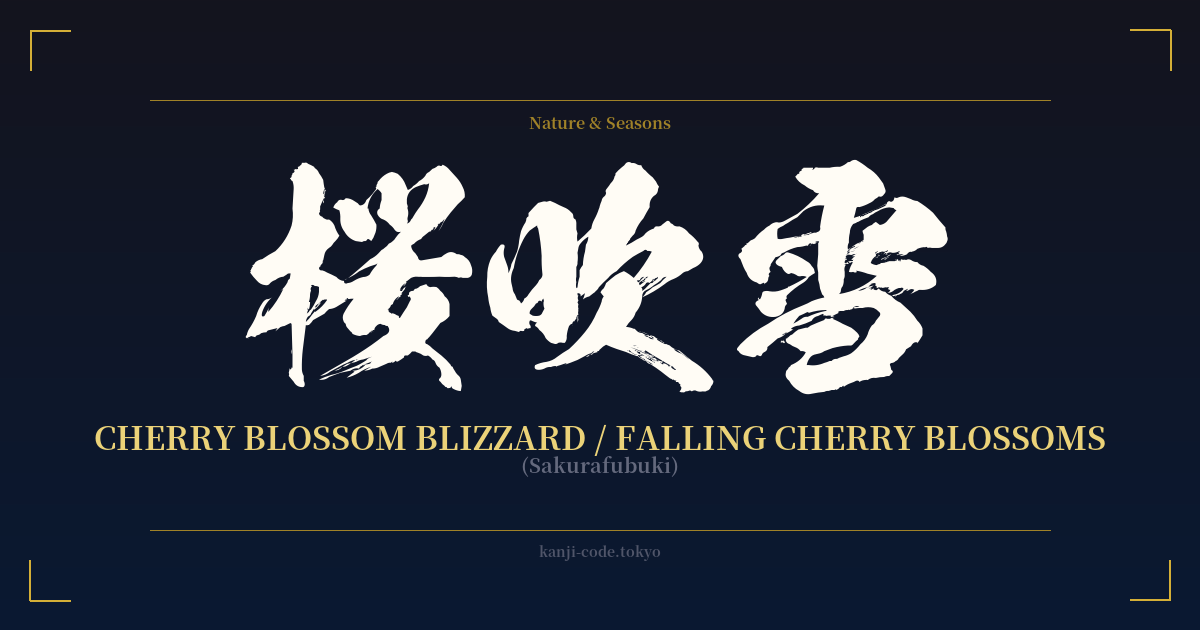
Consejos visuales: El diseño es impactante por sí solo, pero puede combinarse con otros elementos. Considere agregar un hanko rojo (sello) para darle un toque de autenticidad. También puede integrarse en una pieza más grande con imágenes como flores de cerezo (sakura) para simbolizar la fugacidad de la vida, o un casco de samurái (kabuto).
Comentarios