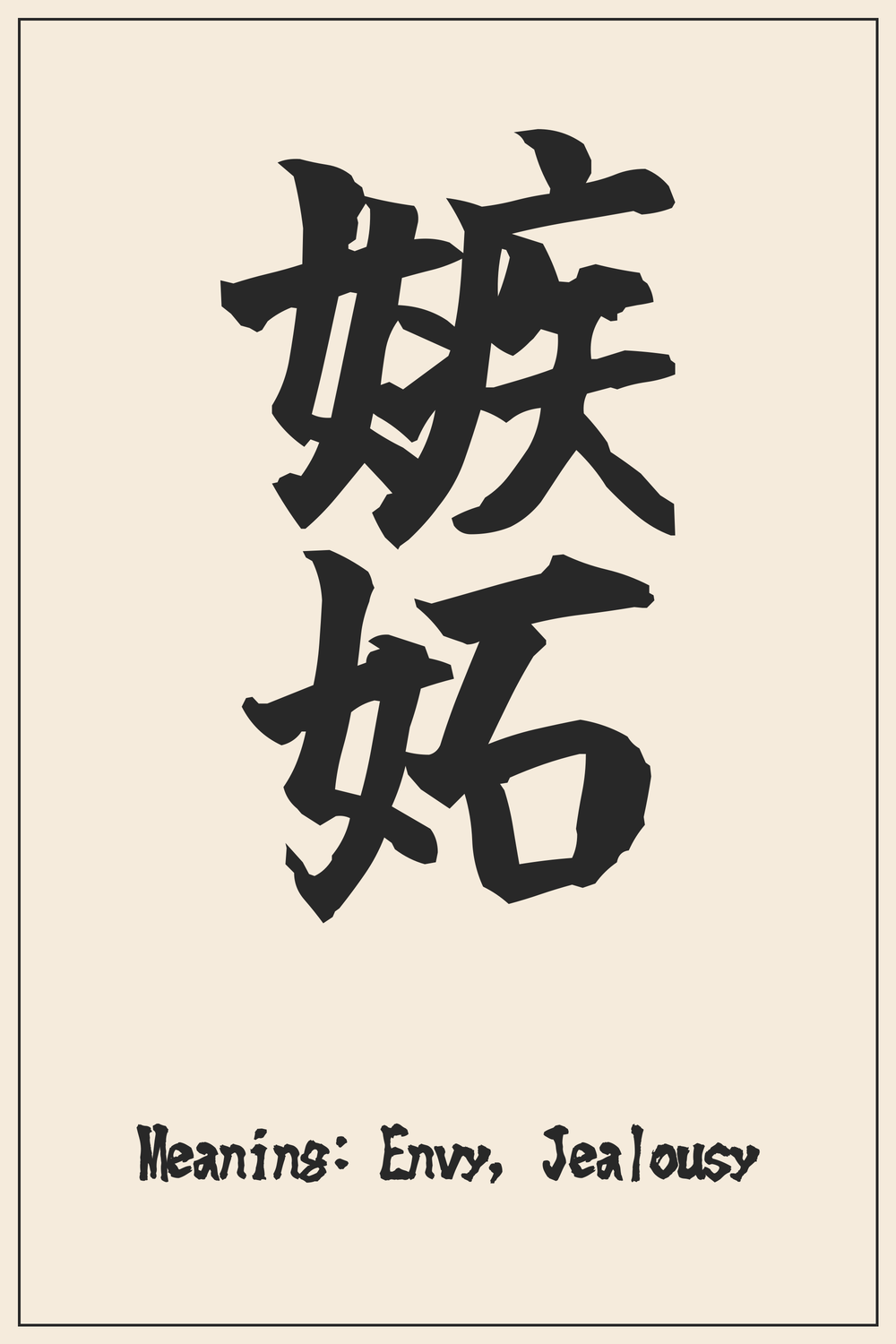
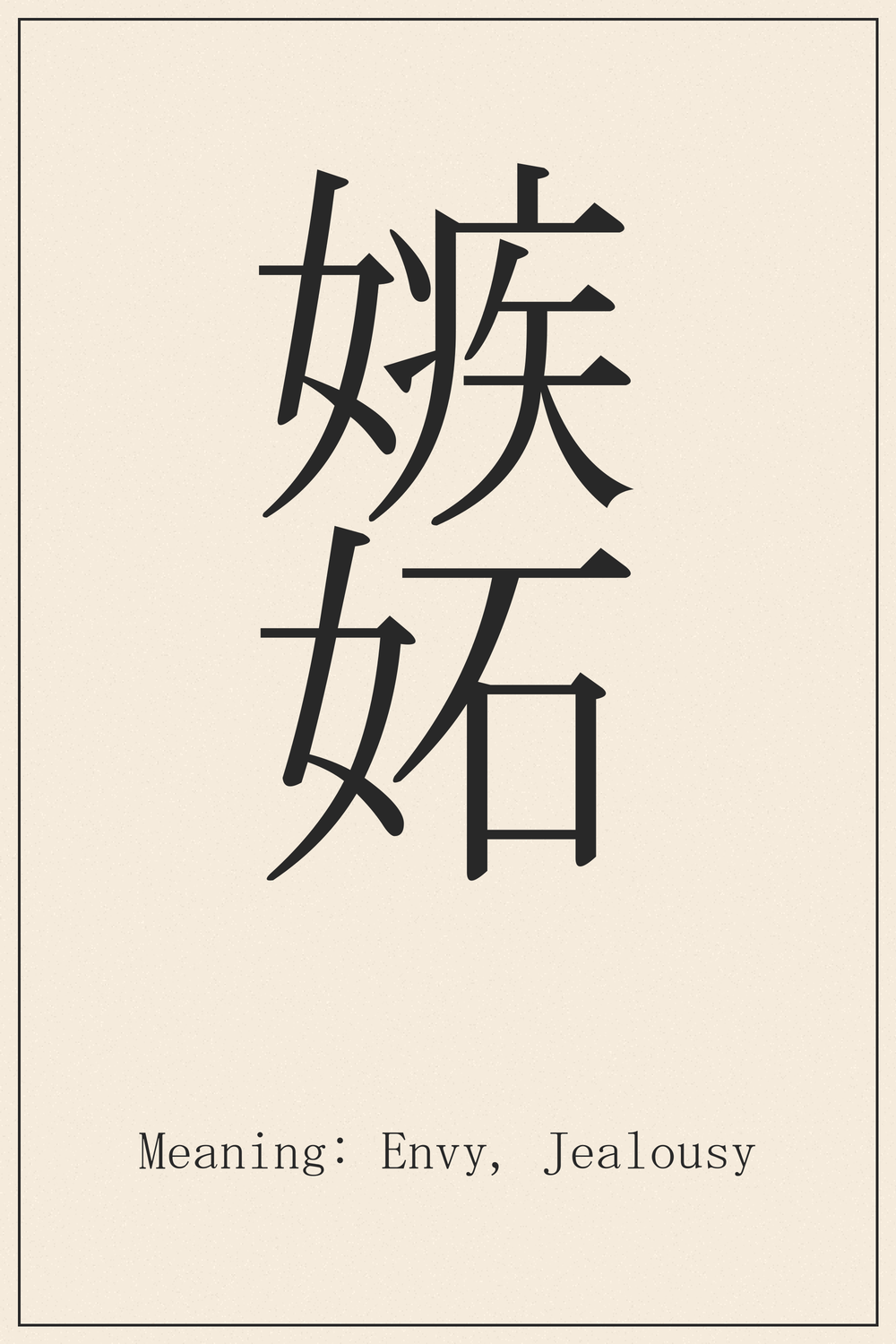
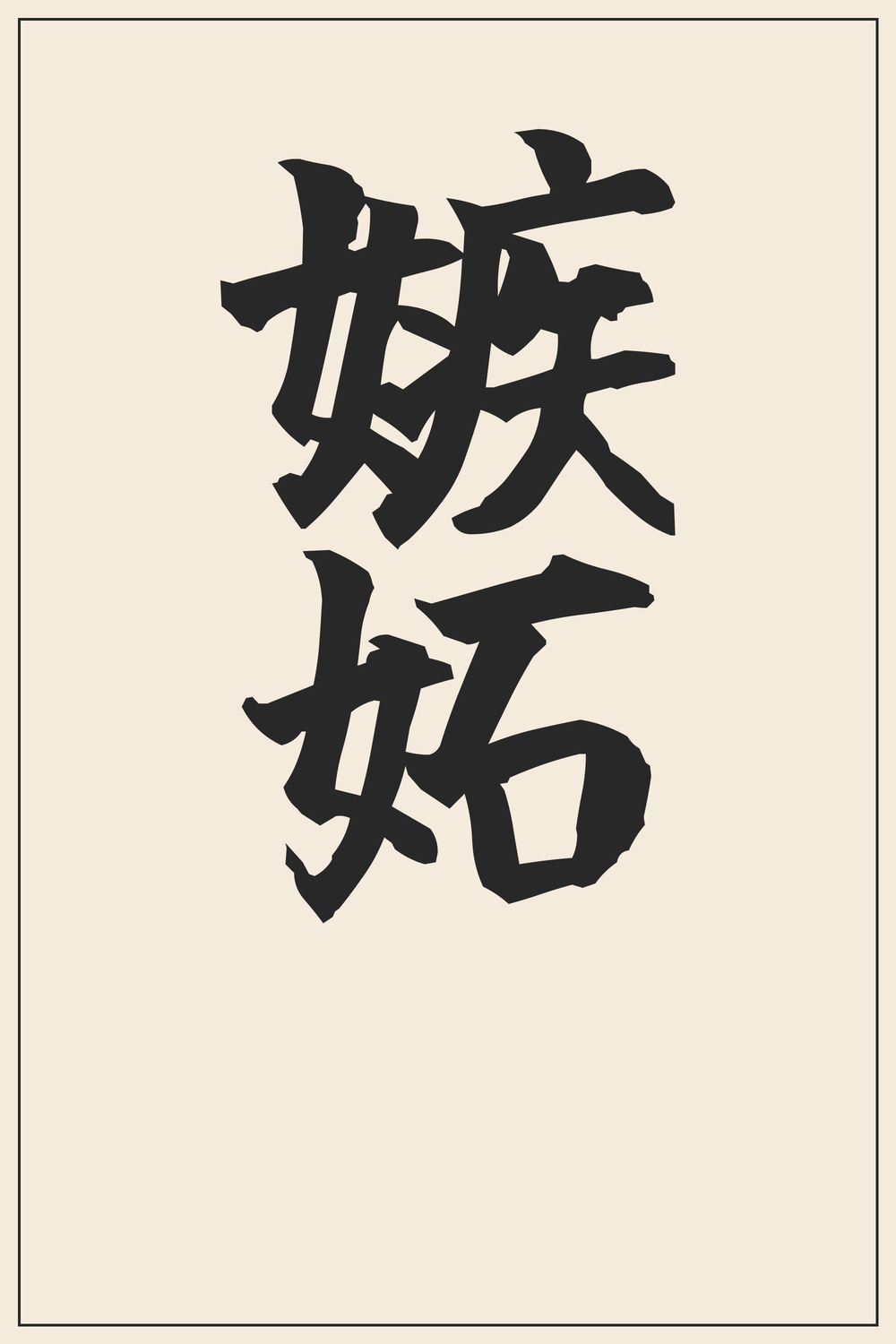
Delve into the intense emotional landscape of the human heart with the Kanji 嫉妬. This powerful pairing encapsulates the profound feelings of envy and jealousy, echoing ancient observations on human nature.
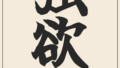
The atmosphere of a Kanji character changes dramatically depending on the font style. A character that looks elegant in a brush style might look bold and modern in a different font.
Recommendation:
Since a tattoo is permanent, we strongly recommend comparing various font styles beyond what is shown here. Use our designs as a trusted reference for the correct structure, but feel free to explore different artistic variations to find the perfect match for your vision.
The Deep Meaning Behind 嫉妬
The term 嫉妬 (Shitto) is a compound reflecting ancient perspectives on intense emotional states. Both characters, 嫉 and 妬, inherently contain the radical 女 (on’na), meaning ‘woman,’ highlighting a historical association of these specific emotions predominantly with female experience in classical Chinese and Japanese contexts. While this association is culturally specific, the characters themselves convey a universal human struggle.
In Japanese culture, 嫉妬 is a recurring theme in literature, folklore, and drama, often portraying the destructive power of unchecked desire and resentment. Its modern significance is amplified globally by its connection to the ‘Seven Deadly Sins,’ a concept widely popularized in Western and increasingly, East Asian, media. This philosophical weight, coupled with its vivid portrayal in contemporary pop culture like the anime ‘The Seven Deadly Sins’ (Nanatsu no Taizai), makes it a recognized symbol of profound internal conflict.
Kanji Breakdown
The compound 嫉妬 is formed by two characters, each contributing to the nuanced meaning of intense personal craving and resentment.
Meaning: This character signifies jealousy, envy, and resentment. It is composed of the radical 女 (on’na, woman) and 疾 (shitsu, illness or sickness), which together suggest an intense, almost unhealthy emotional state of envy or vexation.
Meaning: Also conveying jealousy or envy, particularly the strong, unyielding kind. It similarly incorporates 女 (on’na, woman) with 石 (ishi, stone) as a phonetic component, reinforcing the idea of a hardened or deeply ingrained emotion.
Conclusion
The Kanji 嫉妬 serves as a potent reminder of the darker, yet undeniable, facets of human emotion. It embodies the complex interplay of desire, comparison, and resentment that can both drive and consume individuals.
For a tattoo, 嫉妬 offers a visually striking representation of a powerful psychological state. Choosing this Kanji signifies an acknowledgement of profound human emotion, making it a compelling and thought-provoking emblem for those who understand its deep cultural and philosophical resonance, amplified by its modern pop-culture relevance.
Comments