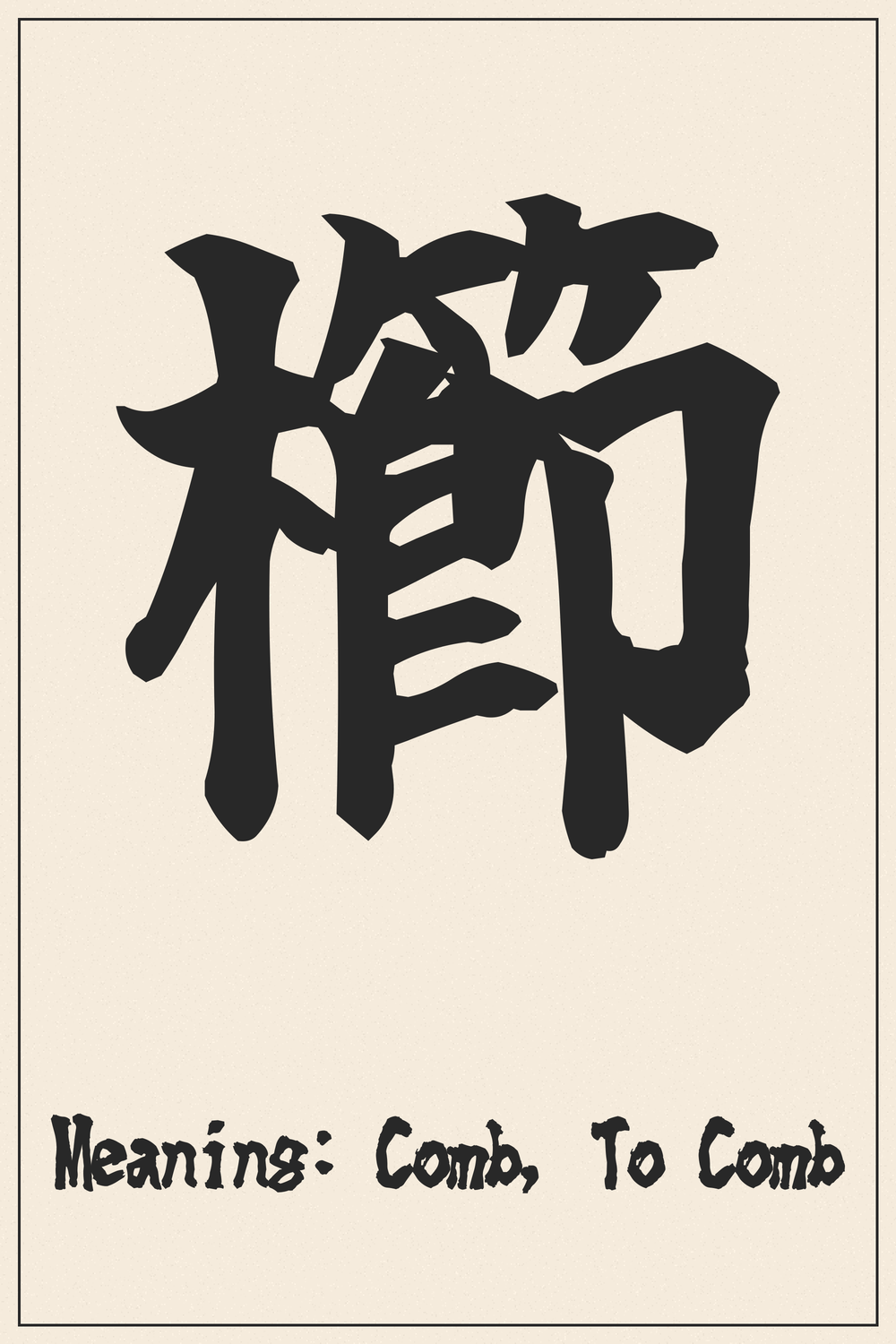
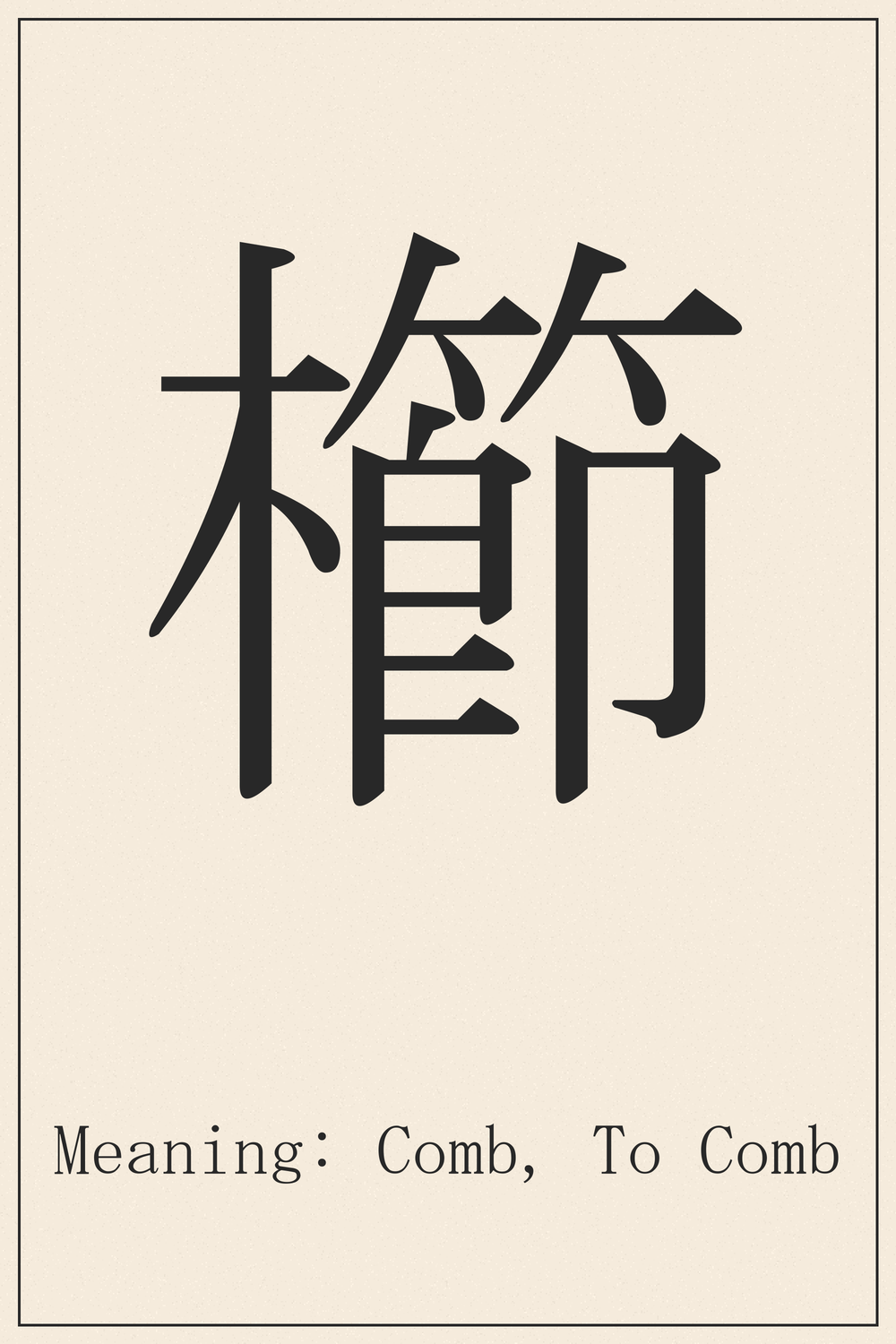
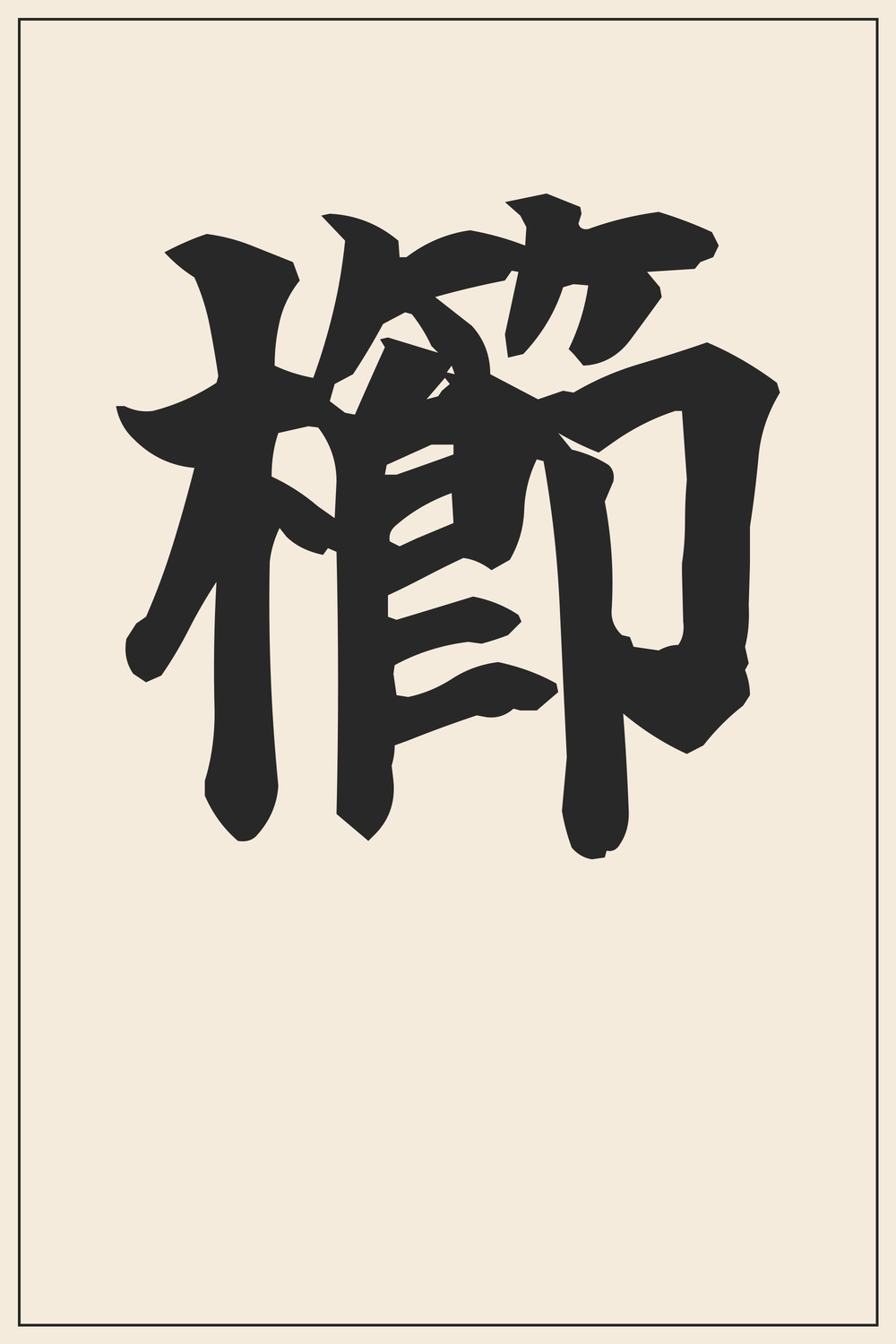
The Kanji 櫛 (Kushi) elegantly captures the essence of a simple yet profound everyday tool: the comb. More than just an object for grooming, it subtly touches upon themes of personal care, beauty, and tradition.
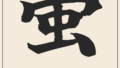
The atmosphere of a Kanji character changes dramatically depending on the font style. A character that looks elegant in a brush style might look bold and modern in a different font.
Recommendation:
Since a tattoo is permanent, we strongly recommend comparing various font styles beyond what is shown here. Use our designs as a trusted reference for the correct structure, but feel free to explore different artistic variations to find the perfect match for your vision.
The Deep Meaning Behind 櫛
The character 櫛 (kushi) is an intricate example of a phono-semantic compound. Its form ingeniously depicts its function: the lower component, 木 (ki), clearly signifies ‘wood,’ the traditional material for combs. The upper element, while complex, evolved from ancient forms that visually represented the teeth of a comb or a tool for arranging hair, thus combining both form and material into a single character.
In Japanese culture, the comb (櫛) is more than just a grooming tool. Historically, beautifully crafted combs were prized accessories, particularly for women, symbolizing elegance and status. They are tied to personal beauty rituals and have even appeared in folklore and Shinto practices, representing purification and protection. While sometimes associated with a superstition due to its homophone with ‘suffering’ (苦死), its primary cultural resonance remains with care, order, and aesthetic beauty.
Kanji Breakdown
The kanji 櫛 is a fascinating character whose components visually hint at its meaning and origin.
Meaning: Comb, Teeth. This intricate upper component visually represents the multiple teeth or the overall comb-like structure, suggesting the functional part of the tool.
Meaning: Wood, Tree. This radical clearly indicates the material from which a traditional comb is often made, reinforcing the object’s physical form.
Conclusion
The Kanji 櫛 (Kushi) serves as a beautiful reminder of personal grooming, elegance, and the simple yet profound act of self-care. It embodies a long tradition of aesthetic appreciation in Japanese culture, often associated with beauty and order.
For those seeking a tattoo that subtly conveys these themes, 櫛 offers a unique choice. Its intricate strokes require careful consideration for size to preserve its detail, ensuring that this symbol of enduring beauty and tradition is beautifully represented on your skin.
Comments