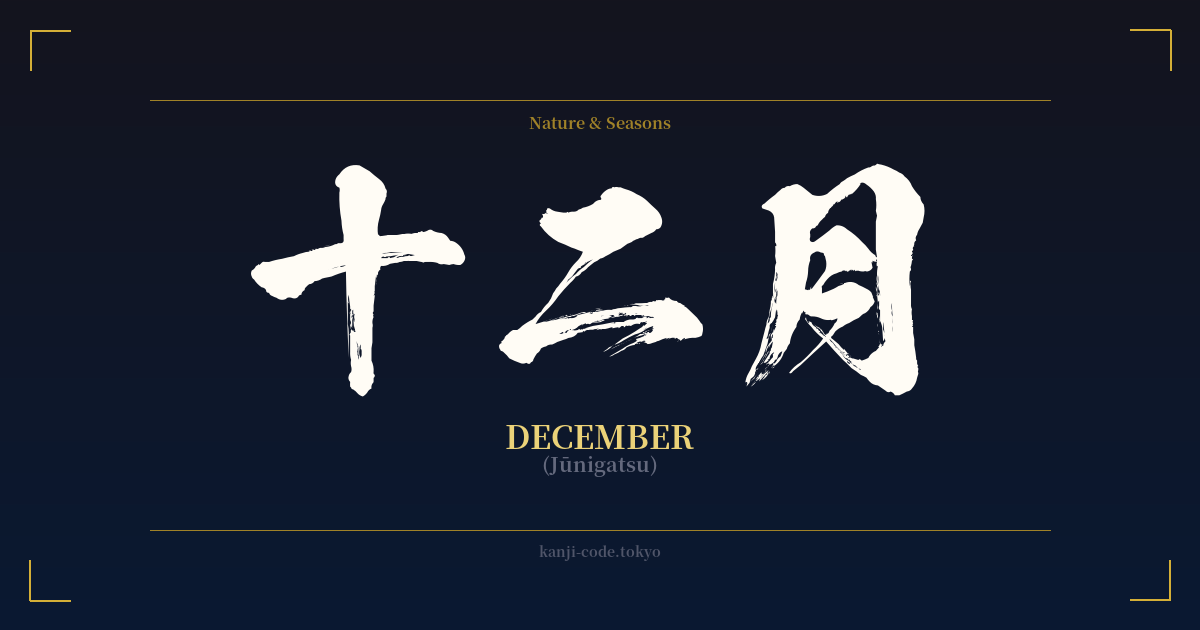
✍️ 十二月 (Jūnigatsu) — Cultural Context
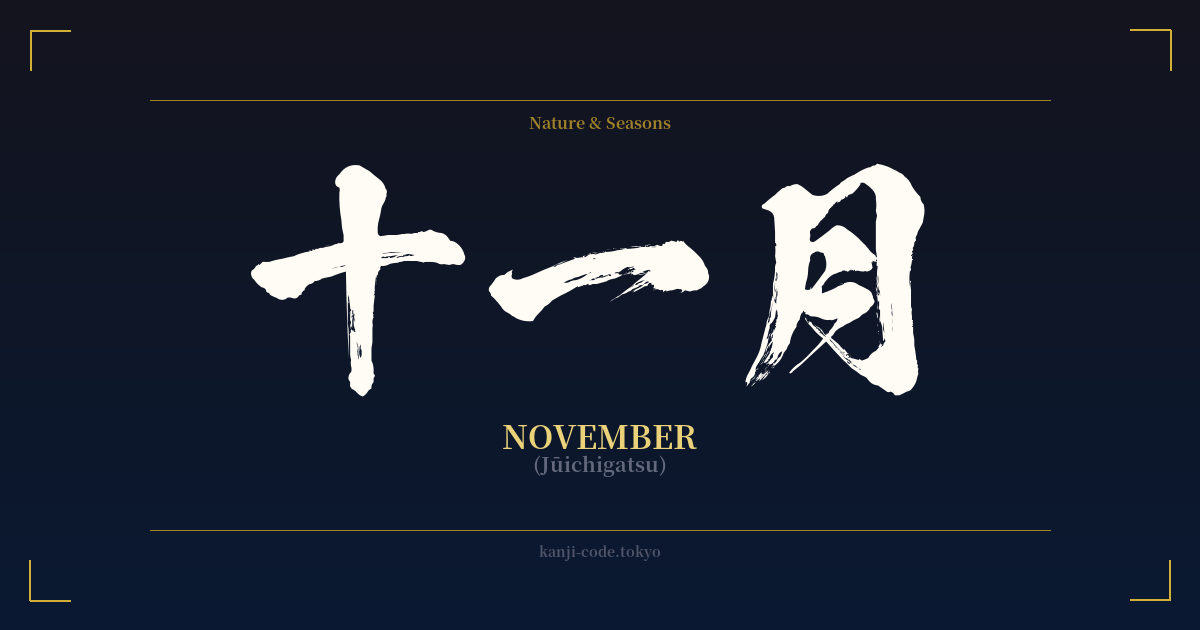
十二月 (Jūnigatsu) is the Japanese word for December, literally translating to “the twelfth month.” This straightforward naming convention, adopted during the Meiji Restoration, replaced the more poetic and traditional names of the old lunar calendar. While Jūnigatsu is the standard term used today, the historical name for December, 師走 (Shiwasu), offers a far richer glimpse into Japanese culture.
Shiwasu is famously translated as “masters running.” The kanji mean 'master' (師) and 'run' (走). This evocative name paints a picture of the end-of-year rush, a time so busy that even the normally composed masters—be they priests, teachers, or heads of households—are seen rushing about to complete preparations for the New Year. This frantic energy defines the cultural atmosphere of December in Japan.
The month is dominated by preparations for Oshōgatsu (お正月), the Japanese New Year, which is the most important holiday of the year. A significant tradition is ōsōji (大掃除), or “the great cleaning.” Families undertake a thorough cleaning of their homes, shrines, and offices to purify the space and welcome the Toshigami, the New Year's deities, with a fresh start.
Another key social custom is the bōnenkai (忘年会), or “year-forgetting party.” Companies, friends, and groups gather to drink, celebrate, and proverbially “forget” the troubles and hardships of the past year. It’s a way to close a chapter and look forward to the future, reinforcing social bonds before the year concludes.
While Christmas is celebrated in Japan, it is largely a secular and commercial event, often viewed as a romantic holiday for couples or a festive time for families with young children. It’s famously associated with eating fried chicken and decorated Christmas cakes. The true spiritual and familial core of the Japanese winter holidays is centered on the New Year.
December also contains the winter solstice, or tōji (冬至). Traditional customs for this day include taking a hot bath with yuzu citrus fruits (yuzuyu) to ward off winter colds and eating kabocha squash for good luck and health. Ultimately, Jūnigatsu is a month of dualities: a time of frantic activity and quiet reflection, of closing out the old and preparing to welcome the new.
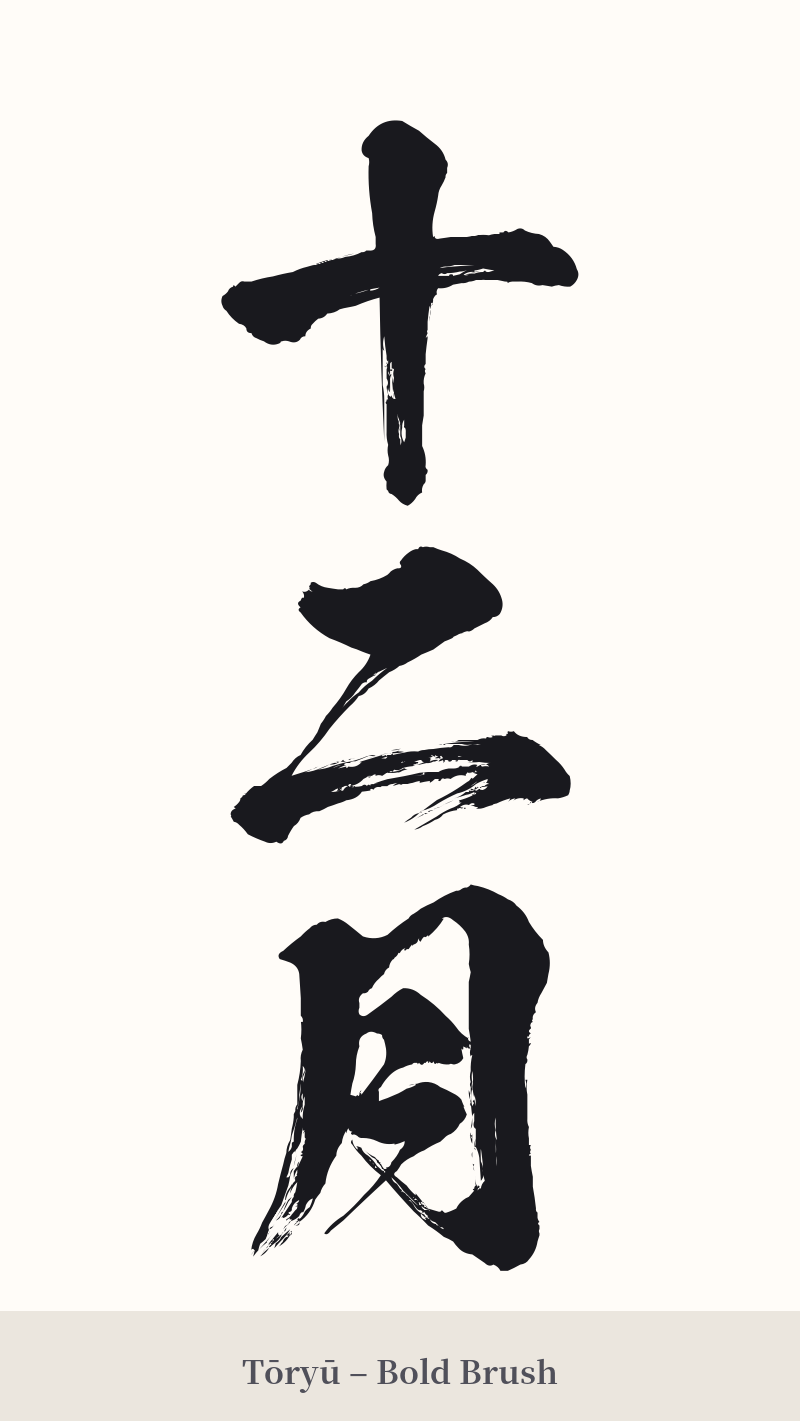
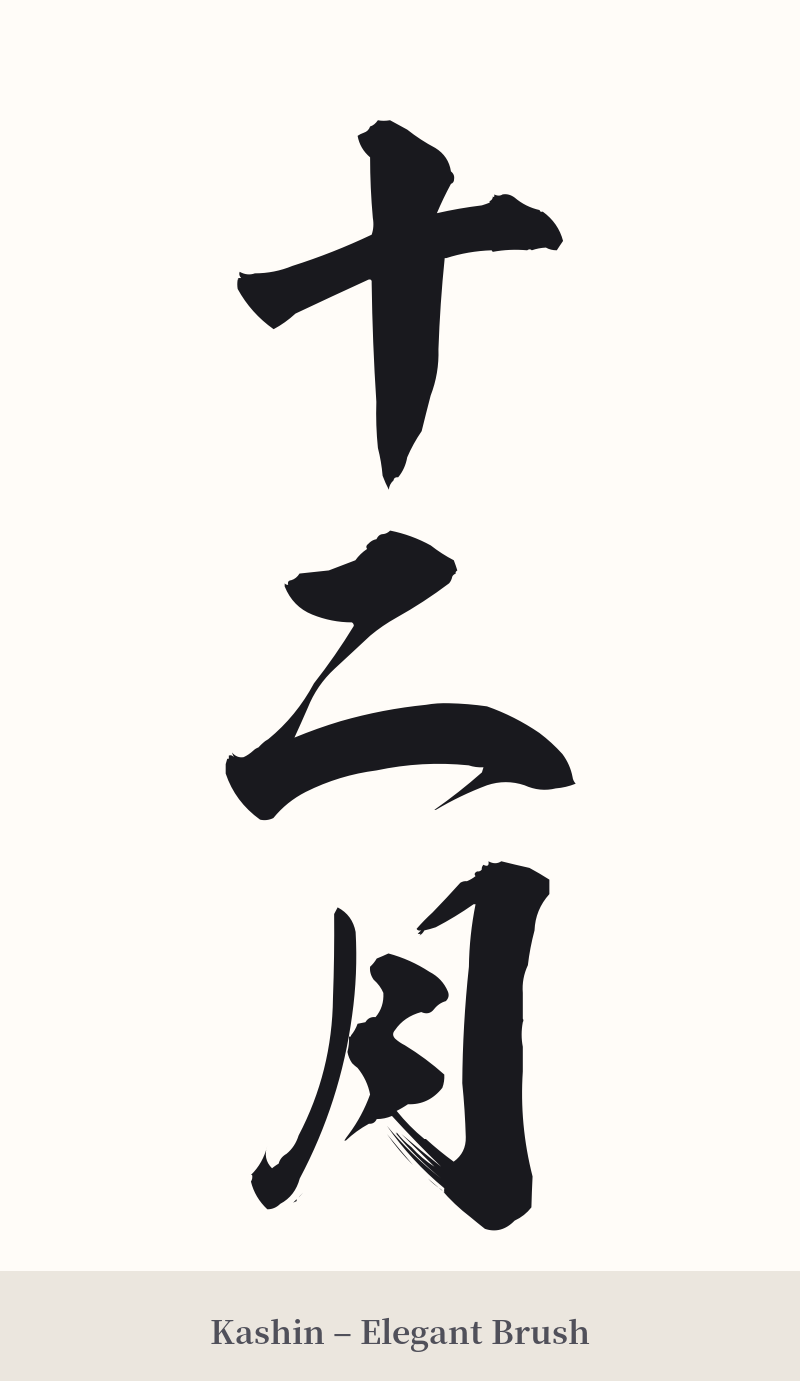
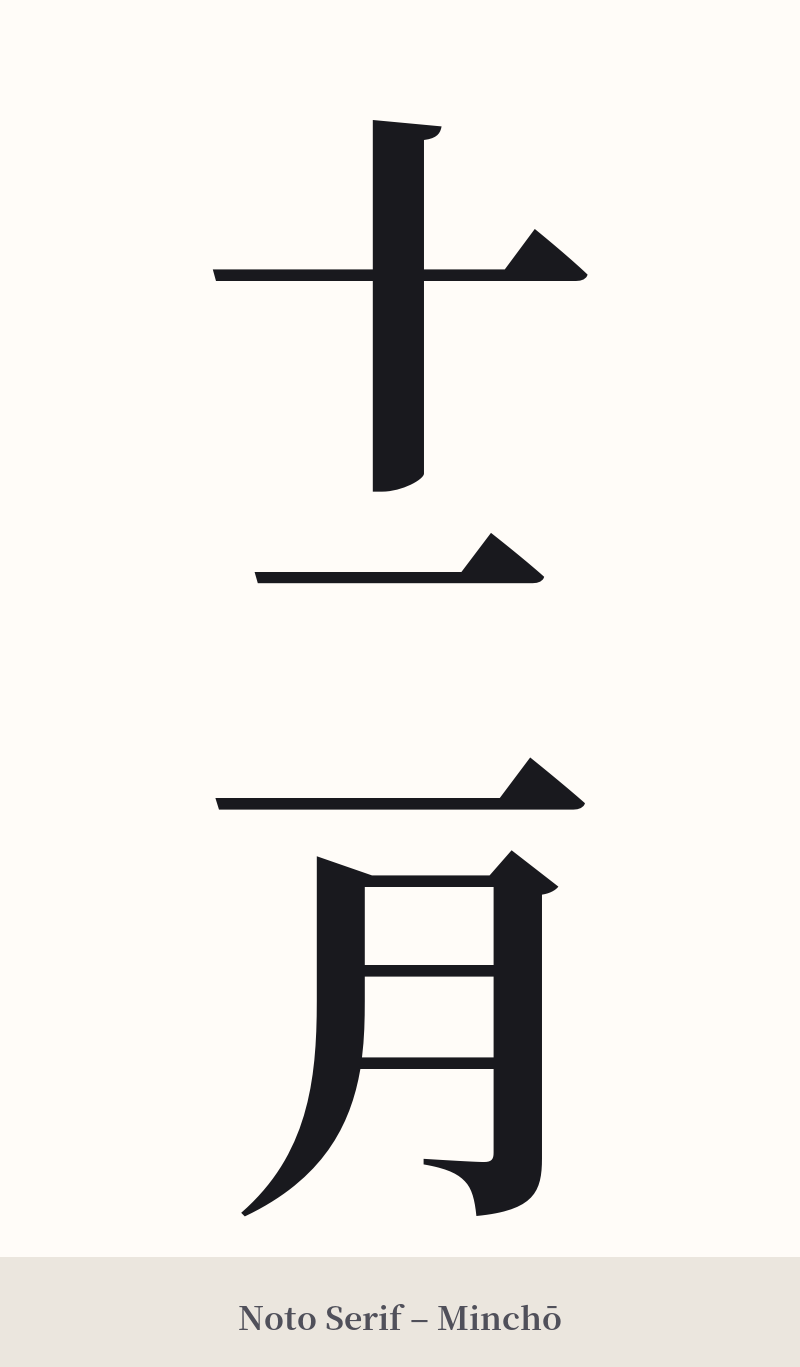
🖌️ Font Styles for 十二月
The same kanji can look dramatically different depending on the calligraphy style. Choose a font that matches the mood you want for your tattoo or design.
🎨 Tattoo Suitability
📐 Tattoo Design Guide
The three characters of 十二月 offer a balanced and classic look, especially when arranged vertically. Its simplicity allows for versatility in design.
– Placement: A vertical alignment is highly recommended and looks excellent along the spine, forearm, or calf. A horizontal layout can work well across the chest, upper back, or below the collarbone.
– Font Styles: For a clean, modern look, a crisp Kaisho (block) or Mincho (serif) font is ideal. For something more fluid and personal, a Gyōsho (semi-cursive) script can connect the simple characters beautifully.
– Visual Embellishments: Consider pairing the kanji with motifs that represent December or winter in Japan. This could include a few delicate snowflakes (雪), a sprig of pine (松), or a yuzu fruit to symbolize the winter solstice. This adds a layer of meaning beyond the literal name of the month.
Comments