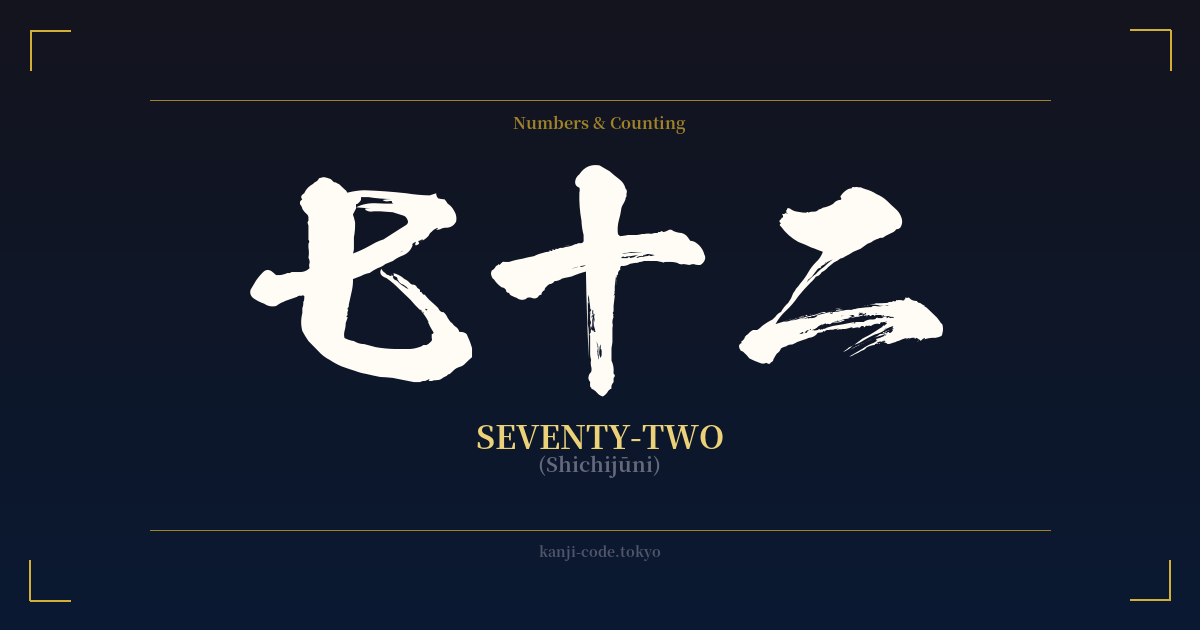
✍️ 七十二 (Shichijūni) — Cultural Context
At first glance, 七十二 (shichijūni) is simply the number seventy-two. In Japanese, numbers are constructed logically. This word is composed of 七 (shichi, seven), 十 (jū, ten), and 二 (ni, two), literally translating to "seven-tens-two." While this construction is straightforward, the number itself holds a special place in Japanese culture, primarily through its connection to the traditional calendar.
The most profound significance of seventy-two lies in the concept of the 七十二候 (Shichijūnikō), or the 72 micro-seasons. This ancient system, originally from China and later adapted for Japan’s climate and geography, divides the year not into four seasons, but into 72 distinct five-day periods. Each micro-season has a poetic name that describes the subtle changes occurring in the natural world.
These names are beautifully evocative. For example, one of the first micro-seasons in early February is 東風解凍 (Harukaze kōri o toku), meaning "East Wind Melts the Ice." In late summer, you have 寒蝉鳴 (Higurashi naku), "Evening Cicadas Sing," and in autumn, 楓蔦黄 (Momiji tsuta kibamu), "Maple and Ivy Leaves Turn Yellow."
This system reflects a deep, granular awareness of nature's rhythms. It’s a philosophy of paying close attention to the world, a form of mindfulness embedded in the calendar itself. The Shichijūnikō guided farmers on when to plant and harvest, and it provided poets and artists with a rich vocabulary to describe the passage of time. Haiku, in particular, often draws upon the imagery associated with these specific periods.
Therefore, the number seventy-two in Japan is not just a quantity. It represents the entirety of a year's subtle transformations. It symbolizes a holistic view of time, one that is cyclical, detailed, and intimately tied to the environment. Choosing this number is an embrace of this appreciation for nuance, impermanence, and the quiet beauty of the changing world.
🖌️ Font Styles for 七十二
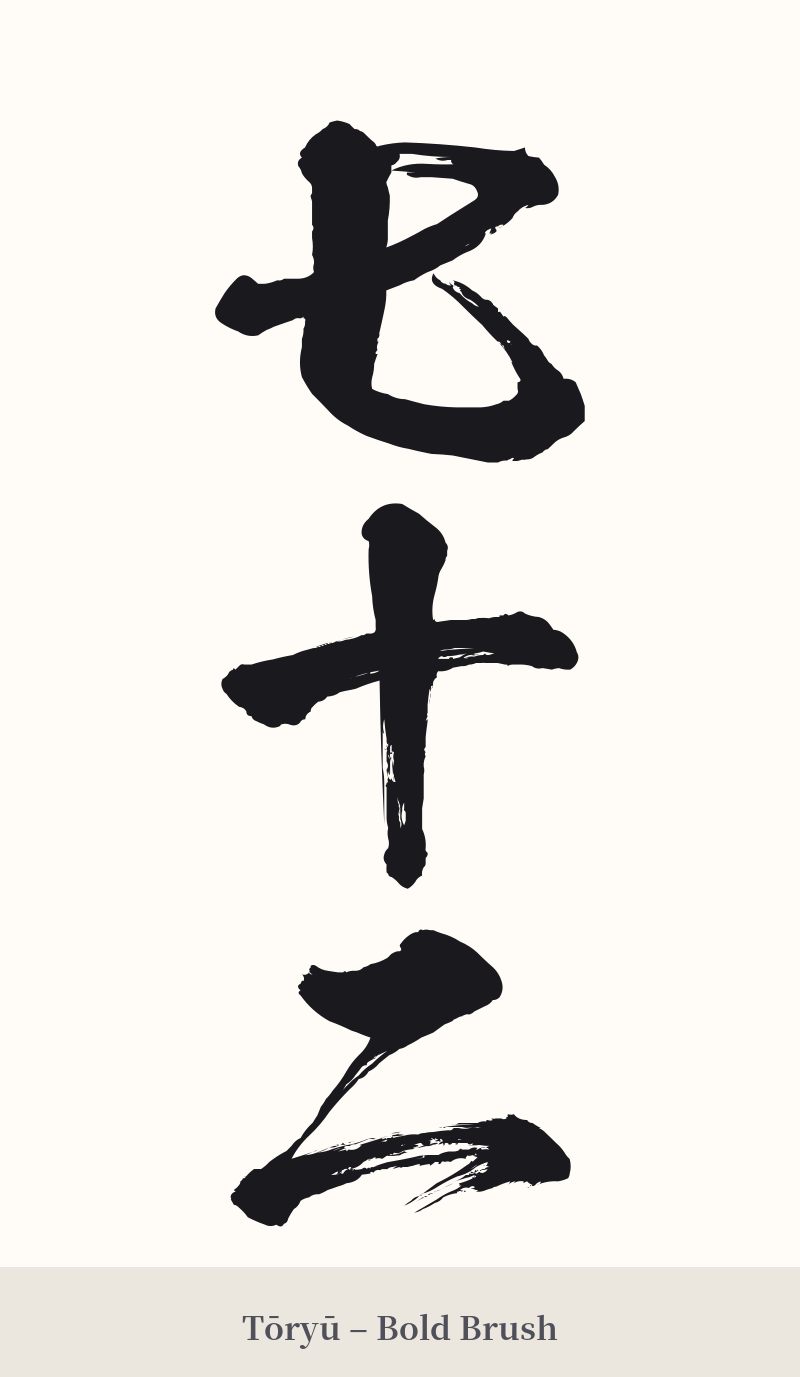
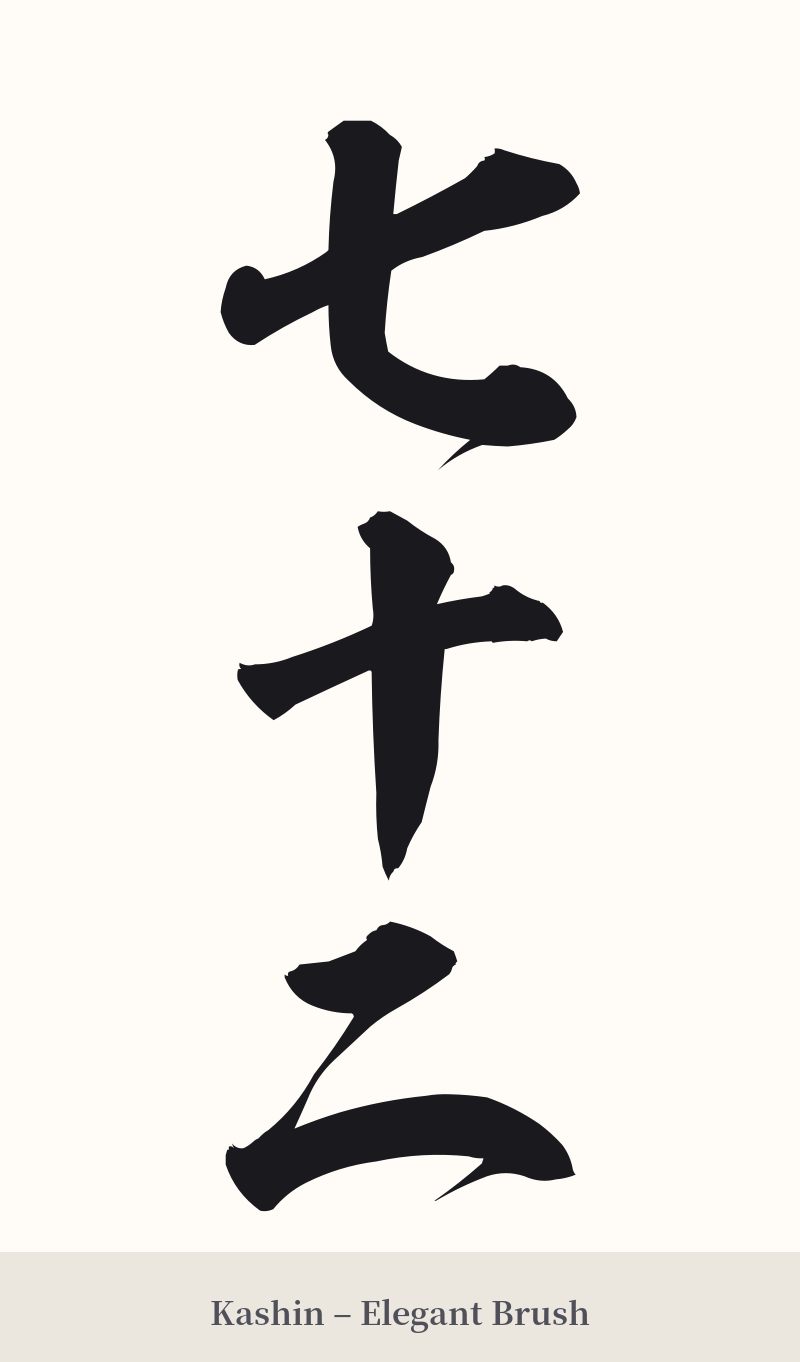
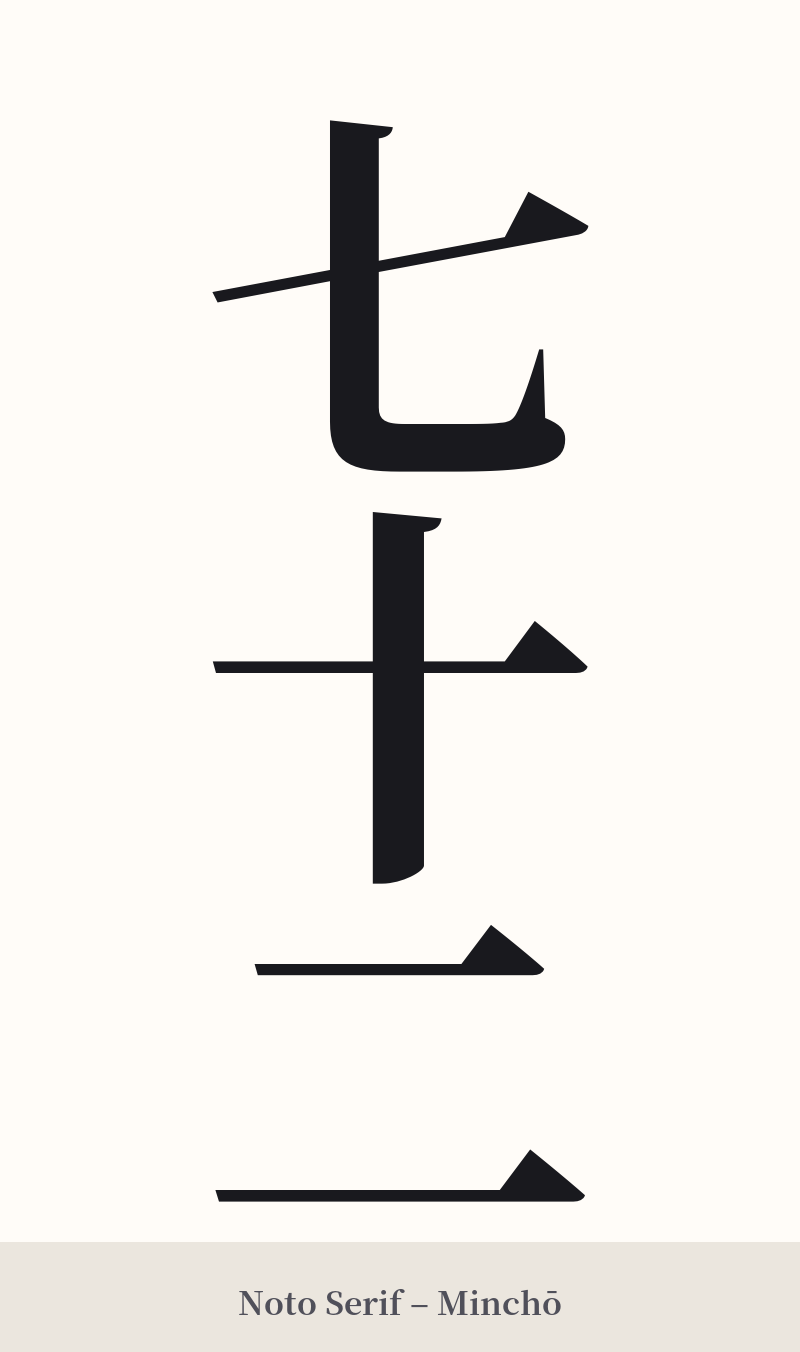
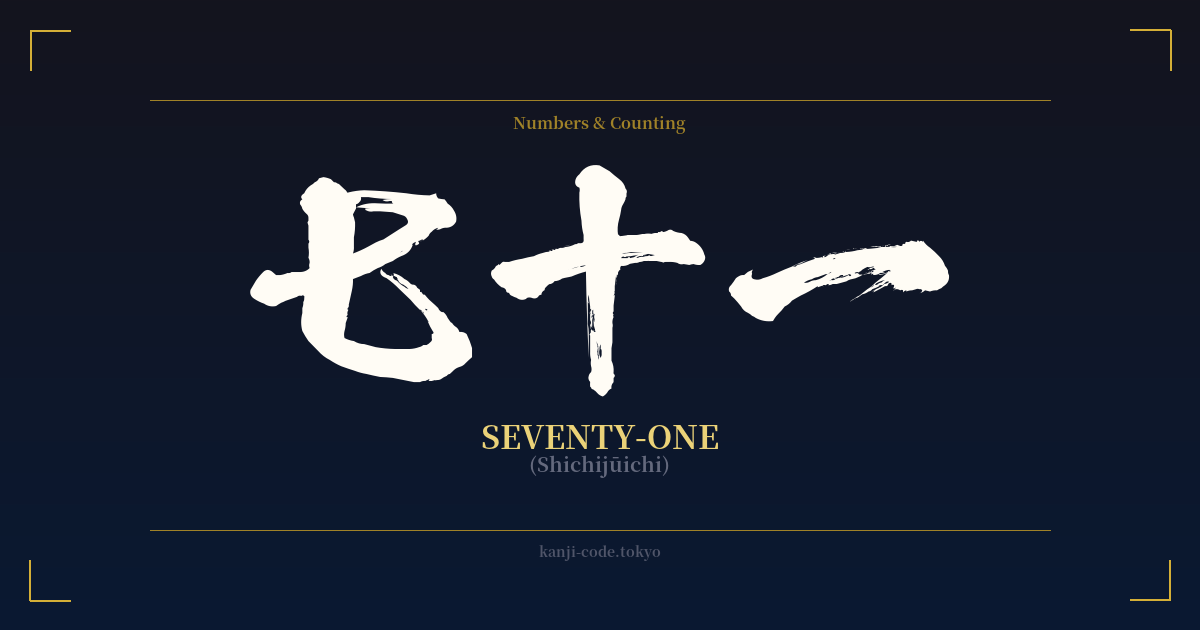
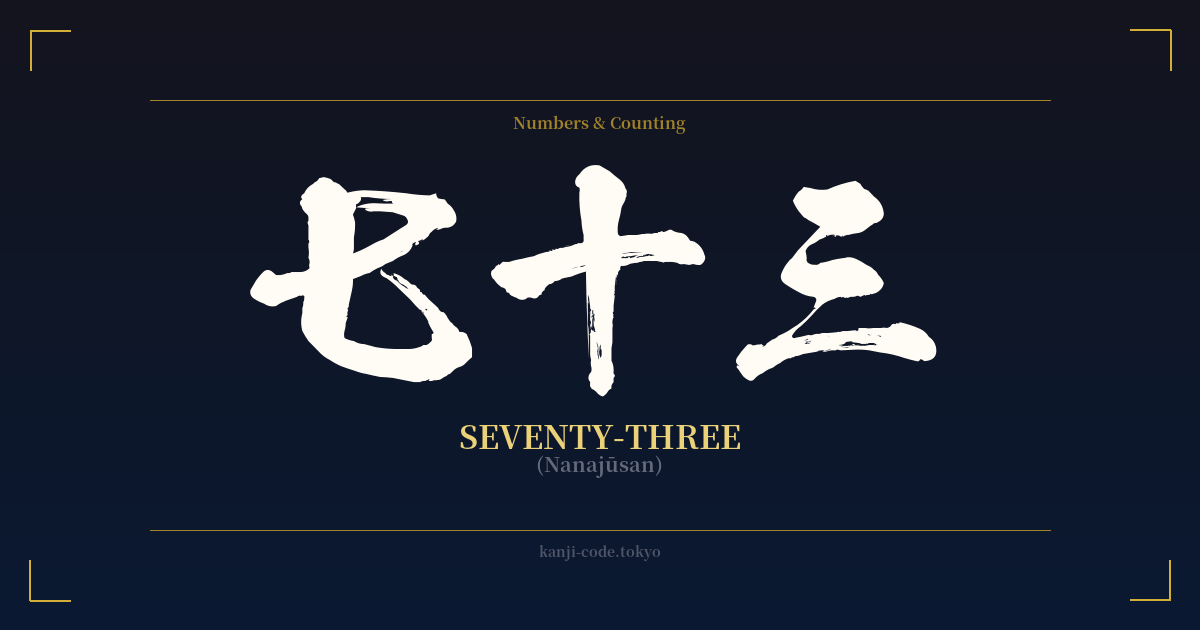
The same kanji can look dramatically different depending on the calligraphy style. Choose a font that matches the mood you want for your tattoo or design.
🎨 Tattoo Suitability
📐 Tattoo Design Guide
The three-character structure of 七十二 lends itself beautifully to a vertical tattoo design. Consider placing it along the forearm, the calf, or even down the spine for a striking effect. A horizontal arrangement can also work well across the collarbone or inner bicep.
For font styles, you have several compelling options: – Kaisho (block script): This style emphasizes the simplicity and balance of the three characters. It offers a clean, classic, and highly legible look. – Gyosho (semi-cursive script): For a more fluid and artistic feel, Gyosho adds a touch of movement. The simple strokes of each kanji allow the brush's energy to become a key part of the design. – Edo Moji (Edo period script): A bold, stylized script could give the number a unique, historical character, though it might be less common for this specific word.
To add more personal meaning and visual context, consider incorporating an element from your favorite micro-season. A tiny peach blossom for "First Peach Blossoms" (桃始笑) or a stylized insect for "Insects Emerge from Hibernation" (蟄虫啓) can transform the piece from a number into a story.
Comments