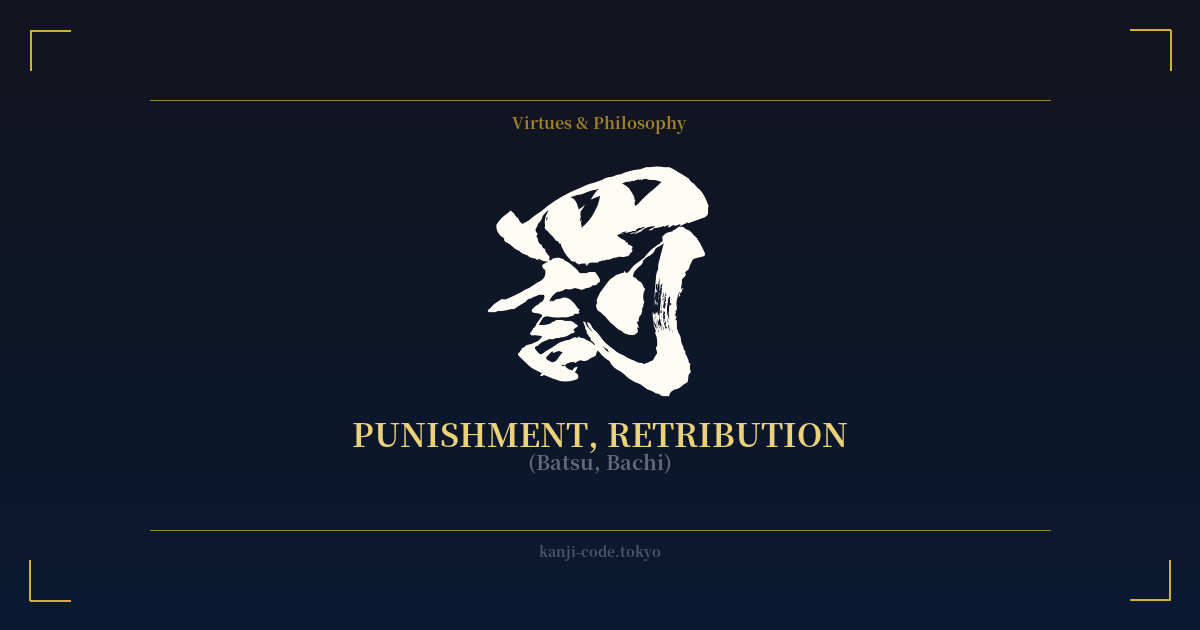
✍️ 罰 (Batsu, Bachi) — Cultural Context
The kanji 罰 (batsu) is a character heavy with the weight of consequence. Its meaning encompasses punishment, penalty, and retribution, spanning both the legal and the spiritual realms. To understand its depth, one must look at its very structure. The character is a combination of radicals: 罒 (a net), 言 (words), and 刂 (a sword or knife). Together, they paint a vivid picture of justice being served—one is caught (the net) by their words (testimony, lies, or curses) and faces the blade of judgment.
In modern Japanese, 罰 has two primary readings, 'batsu' and 'bachi', each carrying a distinct nuance. The reading 'batsu' is more formal and legalistic. It refers to punishments prescribed by law (刑罰, keibatsu), penalties in a game (罰ゲーム, batsu gēmu), or any formal consequence for breaking a rule. This is the punishment handed down by a human system of authority.
The reading 'bachi', however, delves into the spiritual and karmic. It is most famously used in the phrase 'bachi ga ataru' (罰が当たる), which means 'to receive divine punishment' or, more colloquially, 'what goes around, comes around.' This concept is deeply ingrained in Japanese culture, influenced by Buddhist and Shinto beliefs in cause and effect. 'Bachi' isn't a punishment from a judge, but a natural, often supernatural, consequence for immoral actions. It’s the universe balancing its own scales. Another common term is 天罰 (tenbatsu), or 'heaven's punishment,' invoked when a wrongdoer suffers a seemingly coincidental misfortune.
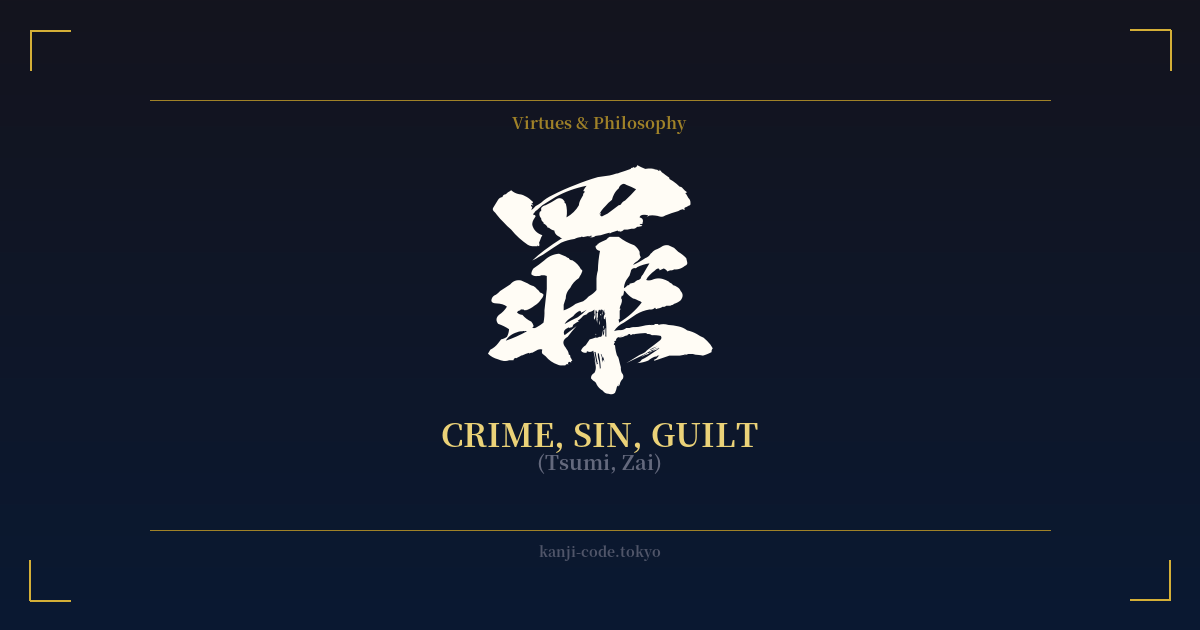
It is crucial to distinguish 罰 from 罪 (tsumi), which means 'sin' or 'crime.' 罪 is the act itself—the transgression. 罰 is the consequence that follows the transgression. One commits a 'tsumi' and receives a 'batsu.' This distinction is fundamental to understanding the Japanese concept of justice and morality.
While its dramatic meaning makes it popular in fiction like manga and anime, often as a name for a special attack or a thematic element, its real-world application is serious and almost entirely negative. It represents an outcome to be avoided, a corrective measure, or a fateful consequence, but never a goal to aspire to.
🖌️ Font Styles for 罰
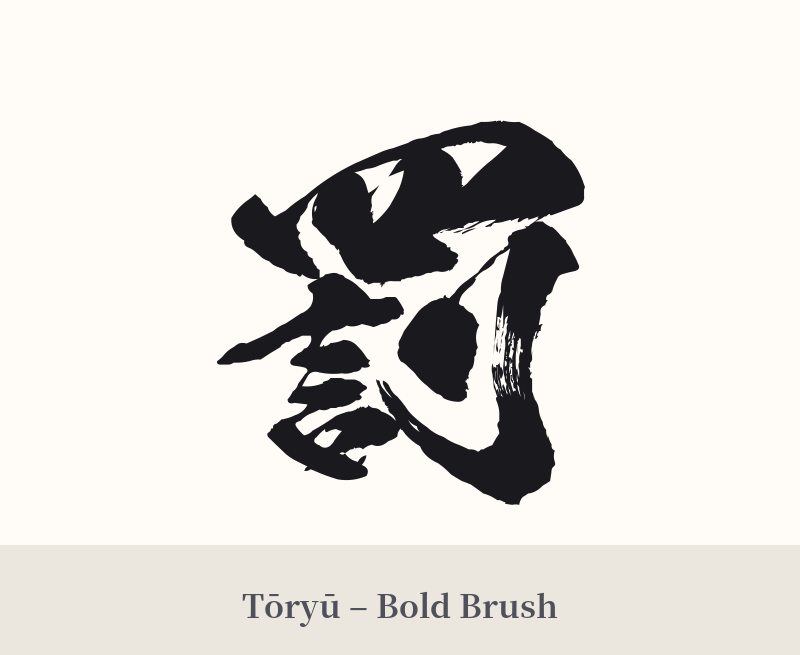
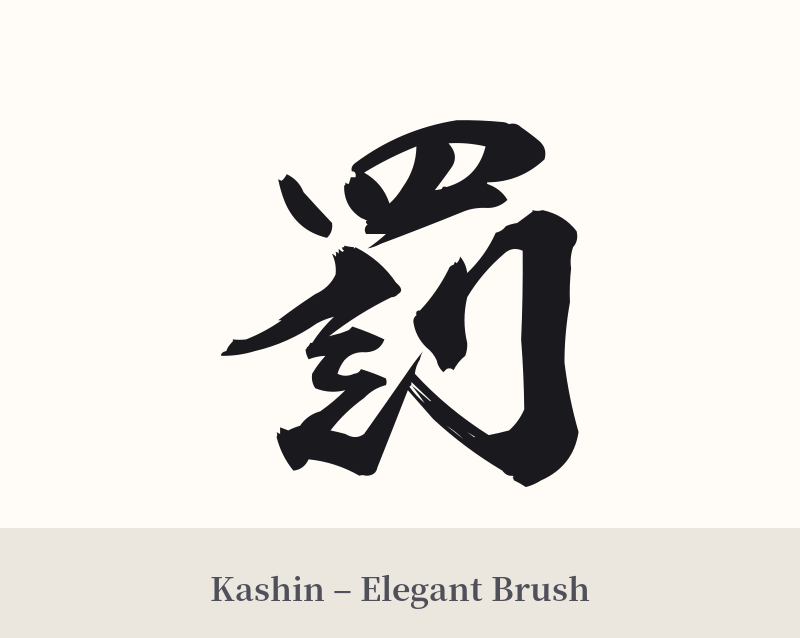
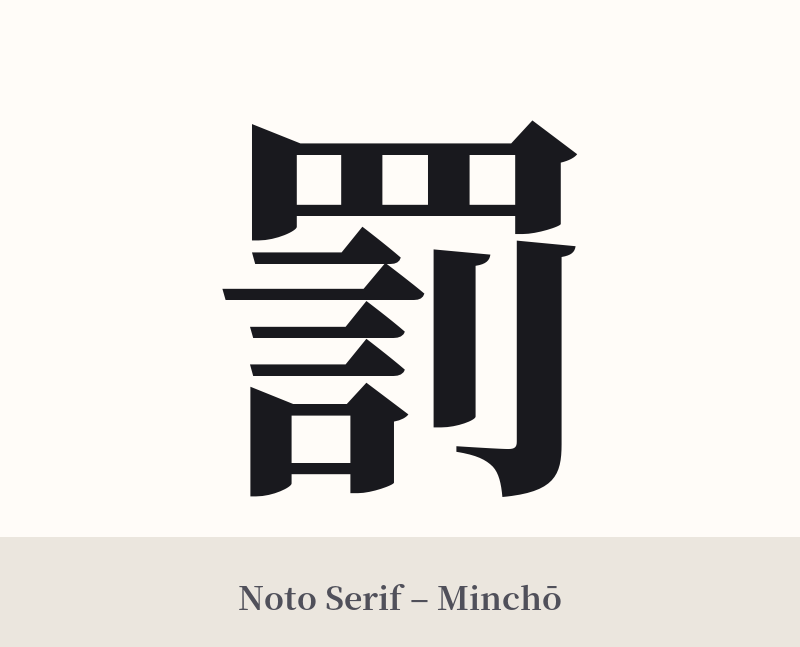
The same kanji can look dramatically different depending on the calligraphy style. Choose a font that matches the mood you want for your tattoo or design.
🎨 Tattoo Suitability
📐 Tattoo Design Guide
Given its severe and heavy meaning, a tattoo of 罰 should be designed with intention. The style and placement can significantly influence its interpretation.
– Placement: Consider areas that can convey a sense of weight or burden, such as the upper back between the shoulder blades, the chest over the heart, or a prominent spot on the forearm. These placements lend the character a certain gravity.
– Font Style: Sharp, angular, or aggressive scripts work well. A bold Kaisho (block script) can emphasize its rigid, judicial nature. For a more dramatic and fluid feel, a dynamic Gyosho (semi-cursive) or a stark Sosho (cursive) calligraphy style can capture the energy of retribution.
– Visual Tips: While 罰 is powerful on its own, it could be paired with imagery to add context, though this risks making it overly aggressive. Elements like broken chains, a scale of justice, or an Enso circle could frame it to suggest a broader theme of breaking free from consequence or the cyclical nature of karma. However, a minimalist, single-character design often carries the most profound impact.
Comments