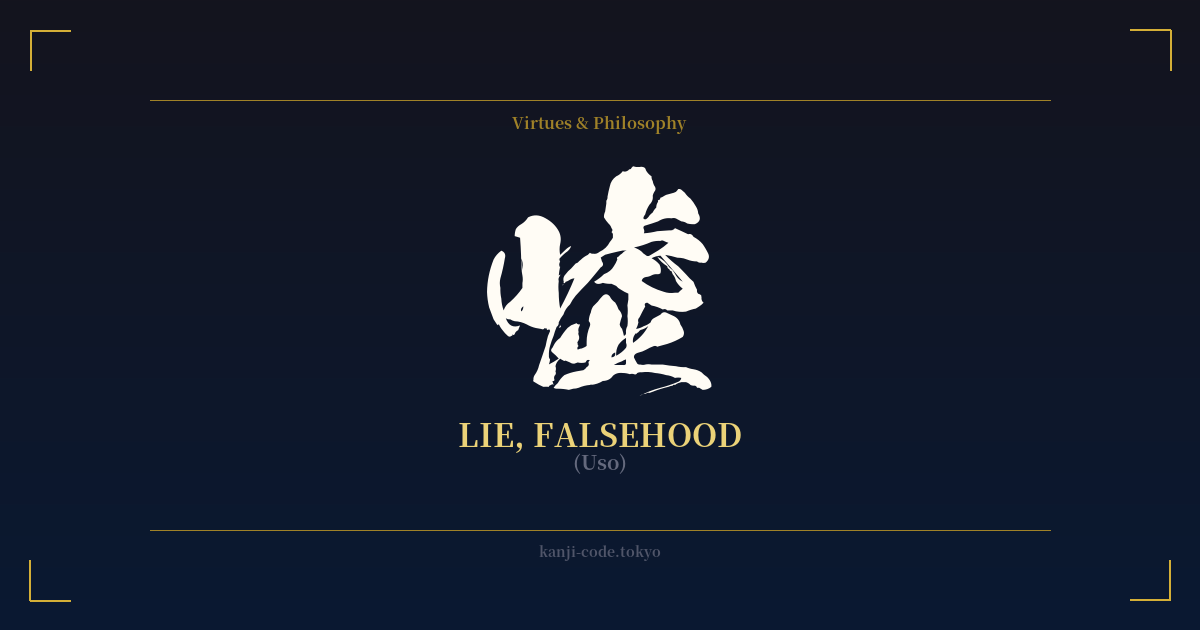
✍️ 嘘 (Uso) — Cultural Context
The Japanese kanji 嘘 (Uso) is a stark and powerful character representing the concepts of a lie, falsehood, or untruth. Its construction offers a fascinating glimpse into its meaning. The character is a combination of two radicals: 口 (kuchi), meaning 'mouth,' on the left, and 虚 (kyo), meaning 'void,' 'empty,' or 'false,' on the right. Together, they paint a vivid picture: empty or false words coming from the mouth. This etymology is not just a mnemonic; it's a philosophical statement embedded in the character itself.
In Japanese culture, the line between truth and untruth can be more nuanced than in many Western contexts. This is often discussed through the concepts of 本音 (honne), one's true feelings and desires, and 建前 (tatemae), the public facade or behavior displayed in social situations. While tatemae is not considered an outright lie (uso), it is an acknowledgment that complete, unfiltered truth is not always socially appropriate or harmonious. This cultural dynamic creates a complex backdrop for the concept of 'uso.'
A direct lie, however, is still viewed with the same negativity as elsewhere. It is a breach of trust and a disruption of harmony. Yet, there is a well-known Japanese proverb, 「嘘も方便」(Uso mo hōben), which translates to 'a lie can be a useful tool' or 'sometimes a lie is expedient.' This phrase acknowledges the existence of 'white lies' or situations where a falsehood might prevent greater harm, spare someone's feelings, or navigate a difficult social dilemma. It doesn't condone deceit but recognizes its role in the complexities of human interaction.
In storytelling, from classic folklore to modern anime and manga, characters who are masters of 嘘 are common archetypes. They can be villains who manipulate others for personal gain, or they can be clever tricksters who use deceit for a greater good. The concept of the 'unreliable narrator' is a powerful device in Japanese literature, playing with the audience's perception of truth and challenging them to see past the surface-level 'uso.' Therefore, while the character itself is negative, its role in culture and art is rich and multifaceted, exploring the very nature of truth, perception, and human fallibility.
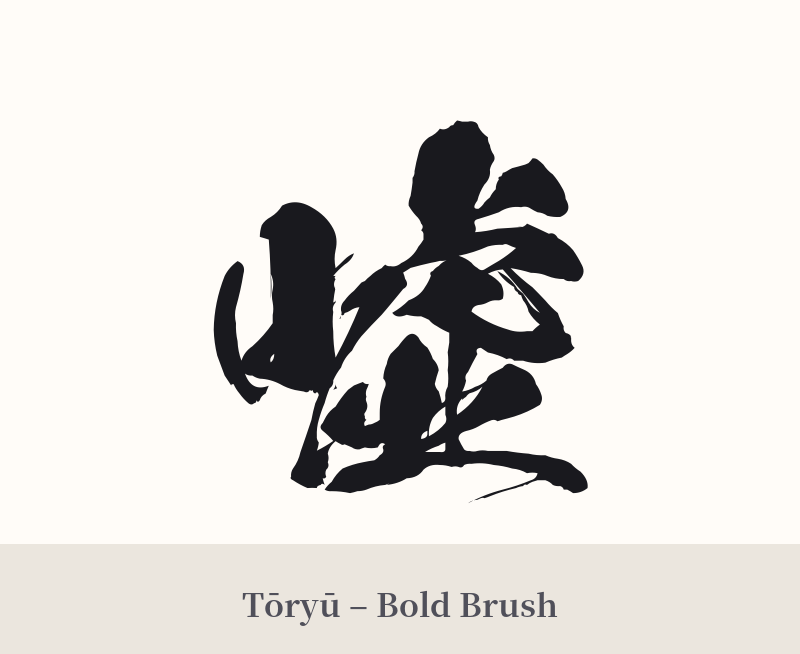
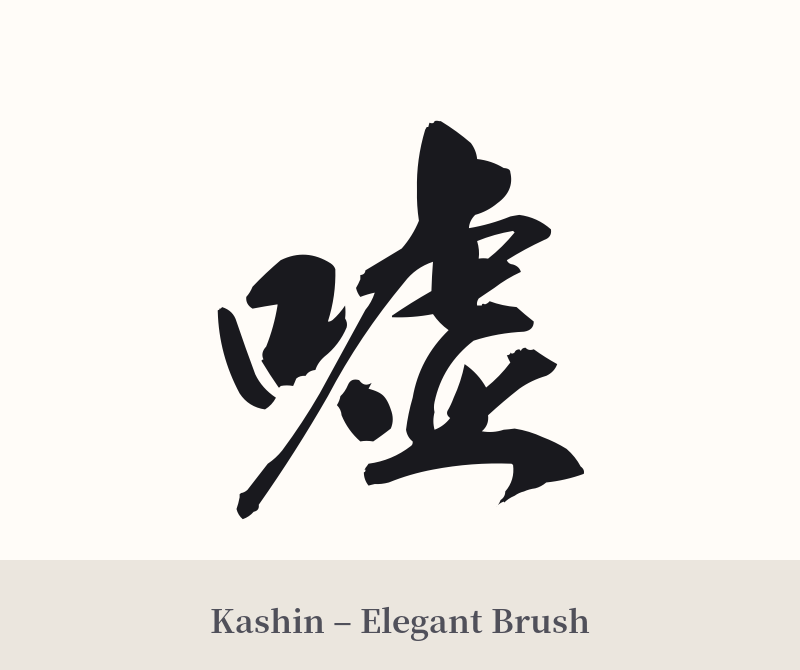
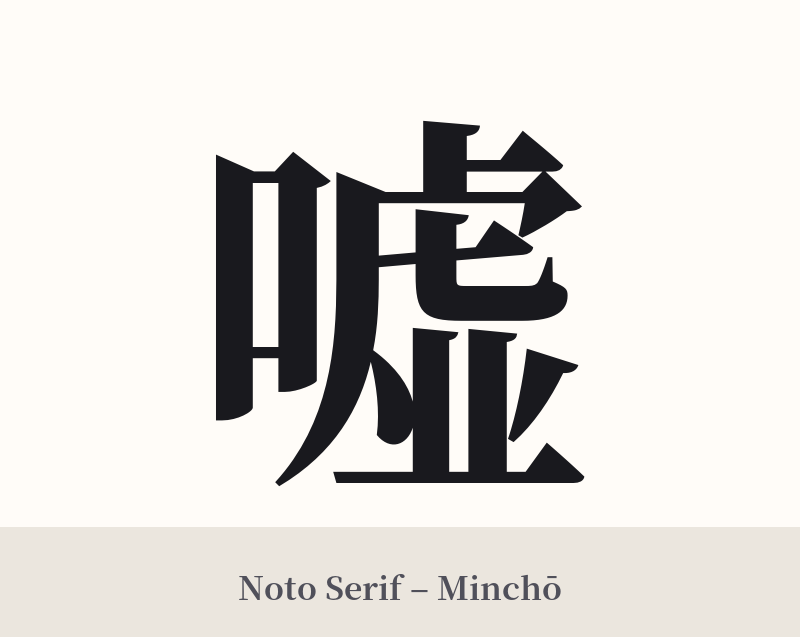
🖌️ Font Styles for 嘘
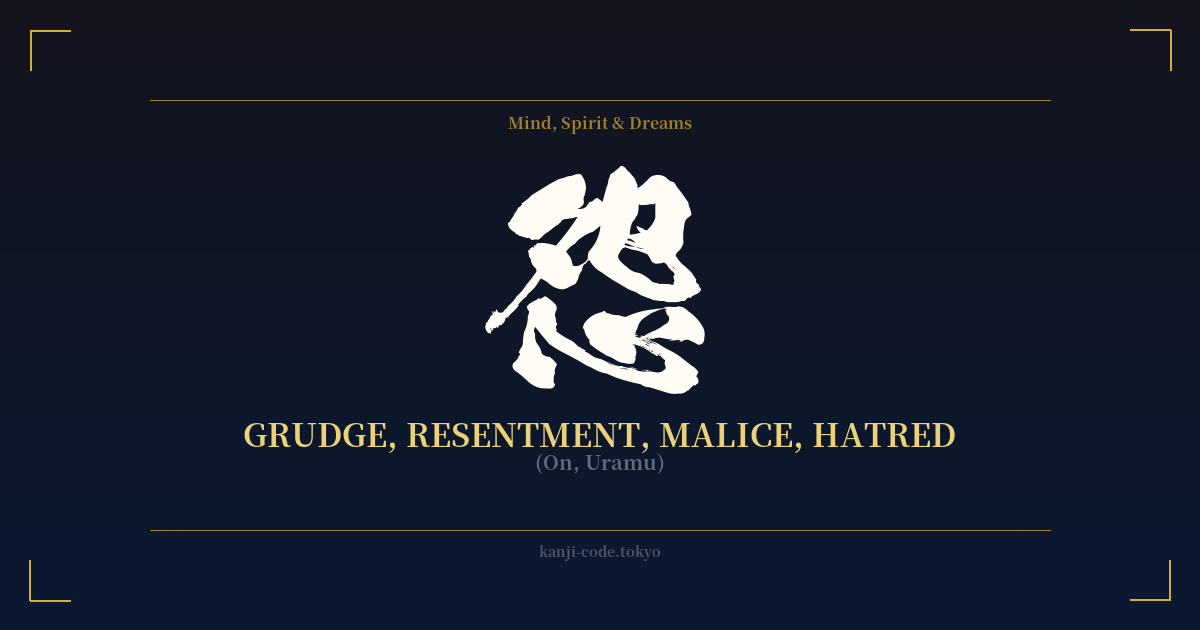
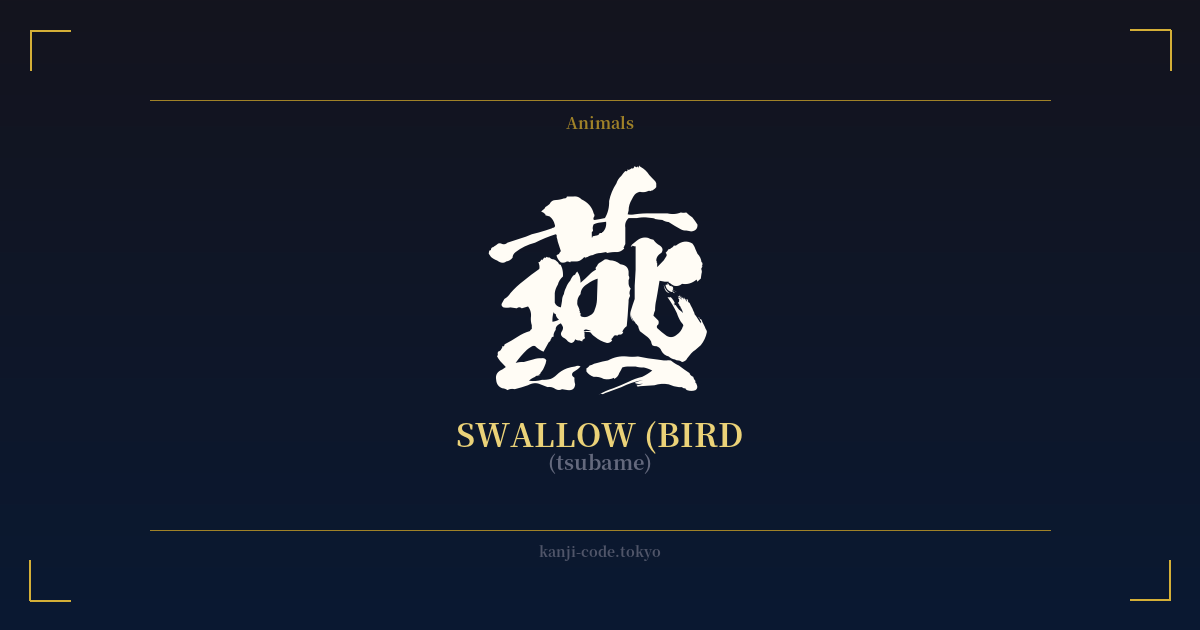
The same kanji can look dramatically different depending on the calligraphy style. Choose a font that matches the mood you want for your tattoo or design.
🎨 Tattoo Suitability
📐 Tattoo Design Guide
A tattoo of 嘘 (Uso) is a provocative statement, and the design should reflect its sharp, confrontational nature. Soft, flowing, or overly decorative styles may clash with the harshness of the concept.
– Placement: Consider a placement that is either highly visible to make a bold statement (like the forearm or hand) or more private and personal (like the ribs or back of the neck), reflecting an internal struggle or philosophical viewpoint.
– Font Style: A sharp, aggressive shodō (calligraphy) style with strong brushstrokes can emphasize the disruptive nature of a lie. Alternatively, a stark, minimalist Mincho or sans-serif font can convey a feeling of cold, hard, and undeniable falsehood.
– Visual Elements: You could pair the kanji with imagery that enhances its meaning. Consider designs like a cracked mask, a serpent, a whispering mouth, or glitch effects to visually represent the ideas of deception and broken truth.
Comments