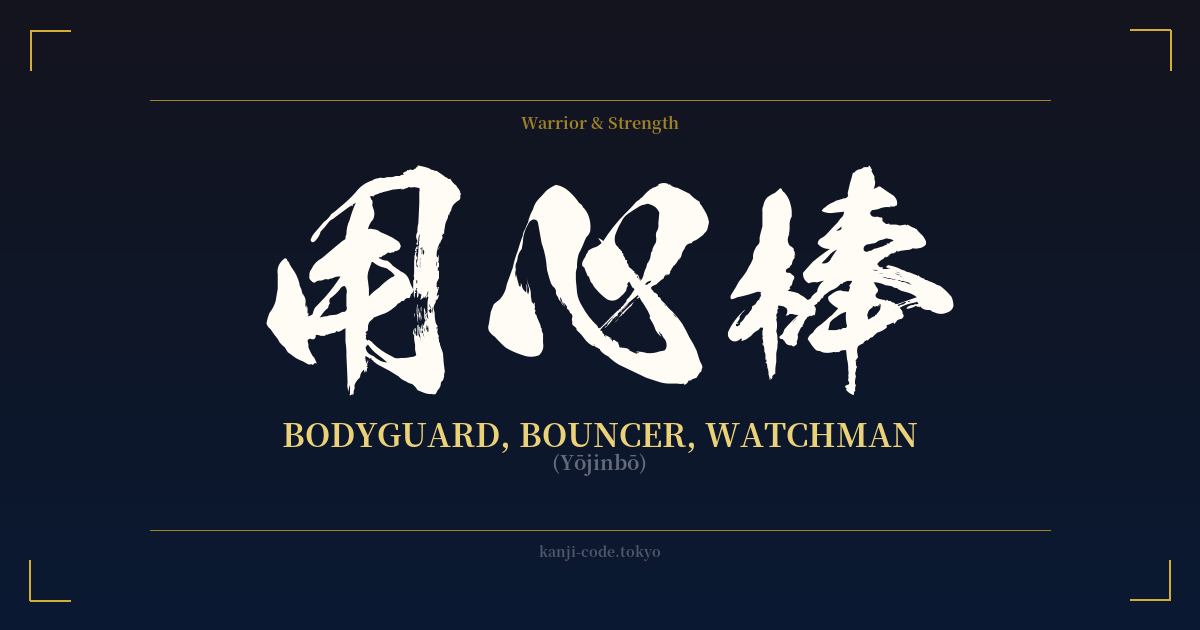
✍️ 用心棒 (Yōjinbō) — Cultural Context
用心棒 (Yōjinbō) is a word that immediately conjures images of stoic warriors, shadowy alleys, and a lone protector standing against impossible odds. While it translates directly to "bodyguard," "bouncer," or "watchman," its cultural significance runs much deeper, thanks in large part to cinema and history.
Let's break down the characters themselves: 用 (yō) means "to use" or "service," 心 (shin) means "heart" or "mind," and 棒 (bō) means "stick" or "rod." The first two characters, 用心 (yōjin), form a separate word meaning "care" or "precaution." So, a Yōjinbō is literally a "precaution stick"—a person you hire, armed with a weapon (the stick), to be vigilant on your behalf. This etymology paints a vivid picture of a hired guard, someone whose purpose is to provide security through attentiveness and the readiness to use force.
Historically, the concept of the yōjinbō became prominent during the Edo period (1603-1868). With the unification of Japan under the Tokugawa shogunate, large-scale wars ceased, leaving many samurai without a master to serve. These masterless samurai, known as 浪人 (rōnin), often had to find work as mercenaries, teachers, or hired guards to survive. A wealthy merchant or official might hire a skilled rōnin as a yōjinbō to protect their home, their goods during travel, or themselves from rivals.
This historical archetype was forever cemented in global consciousness by Akira Kurosawa's 1961 masterpiece, Yojimbo. In the film, Toshiro Mifune plays a nameless rōnin who wanders into a town torn apart by two warring gangs. He plays both sides against each other, not for a noble cause, but for his own amusement and profit, yet ultimately cleanses the town of its corruption. This film defined the archetype of the cynical, world-weary, but incredibly skilled protector who operates by his own code. The film was so influential that it was unofficially remade as the Spaghetti Western A Fistful of Dollars, launching Clint Eastwood's career and proving the universal appeal of the yōjinbō character.
Today, the word is still used in Japan for modern bodyguards and bouncers. However, it retains that classic, slightly gritty, and cool connotation. It’s not just a job title; it’s a role steeped in the legacy of the samurai and the lone anti-hero, making it a powerful and evocative term.
🖌️ Font Styles for 用心棒
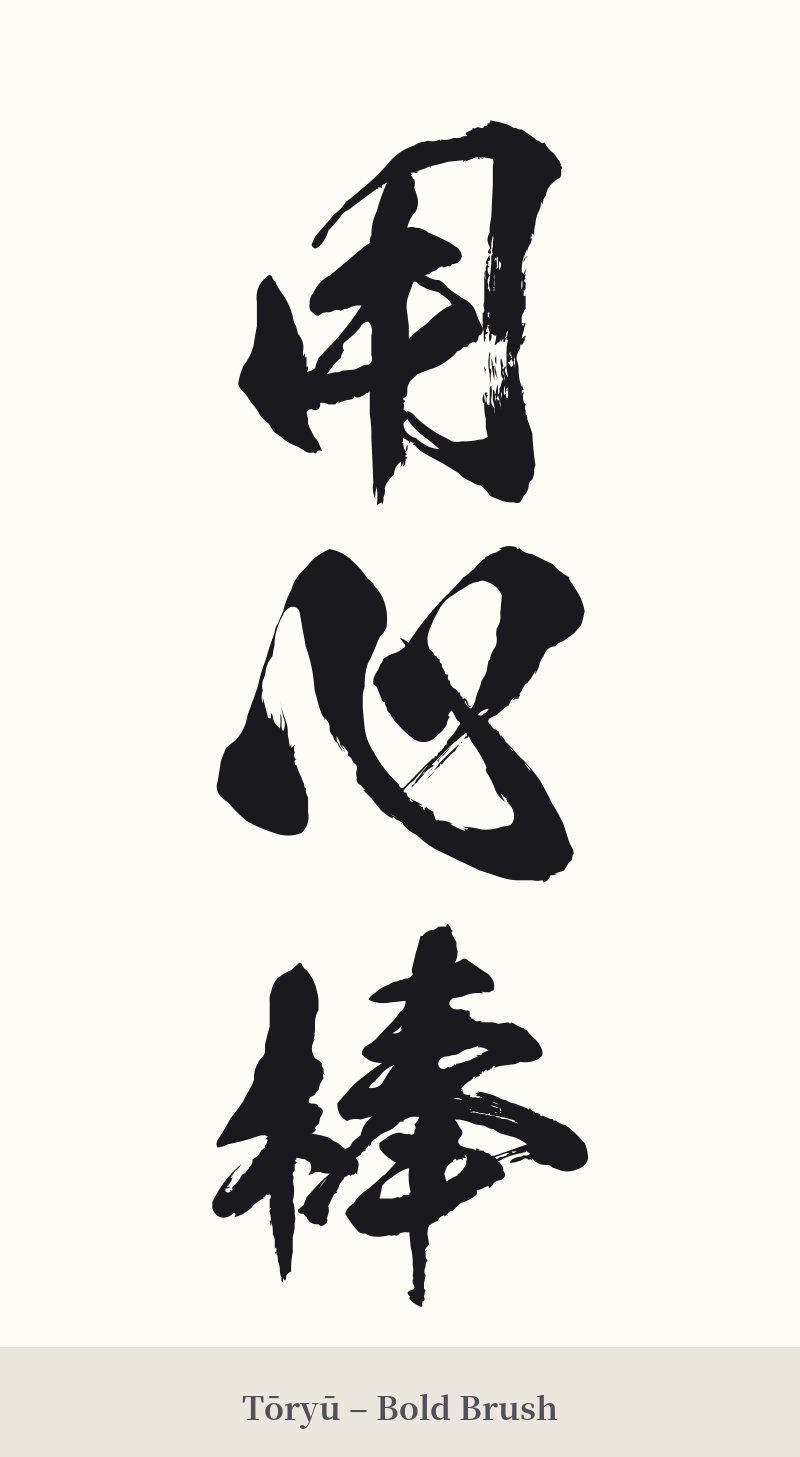
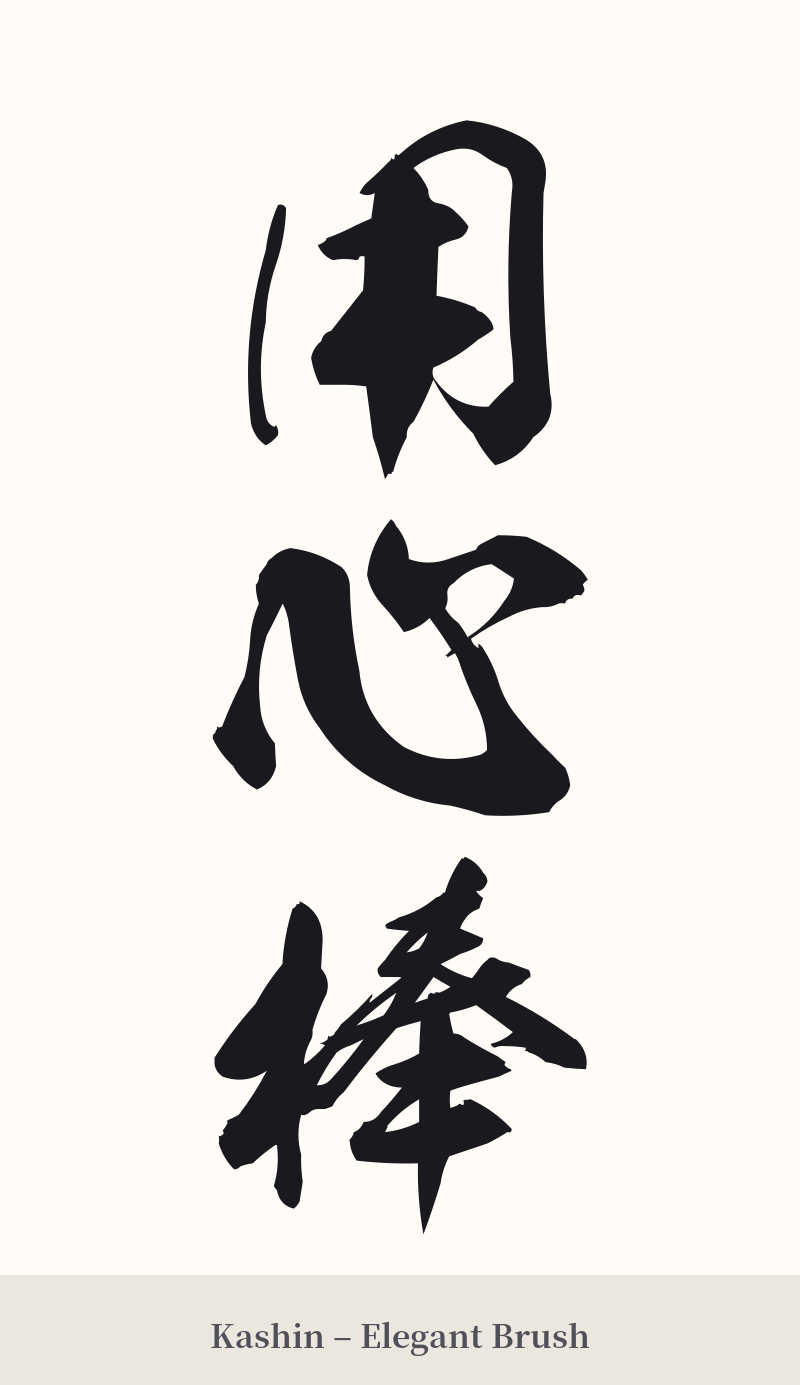
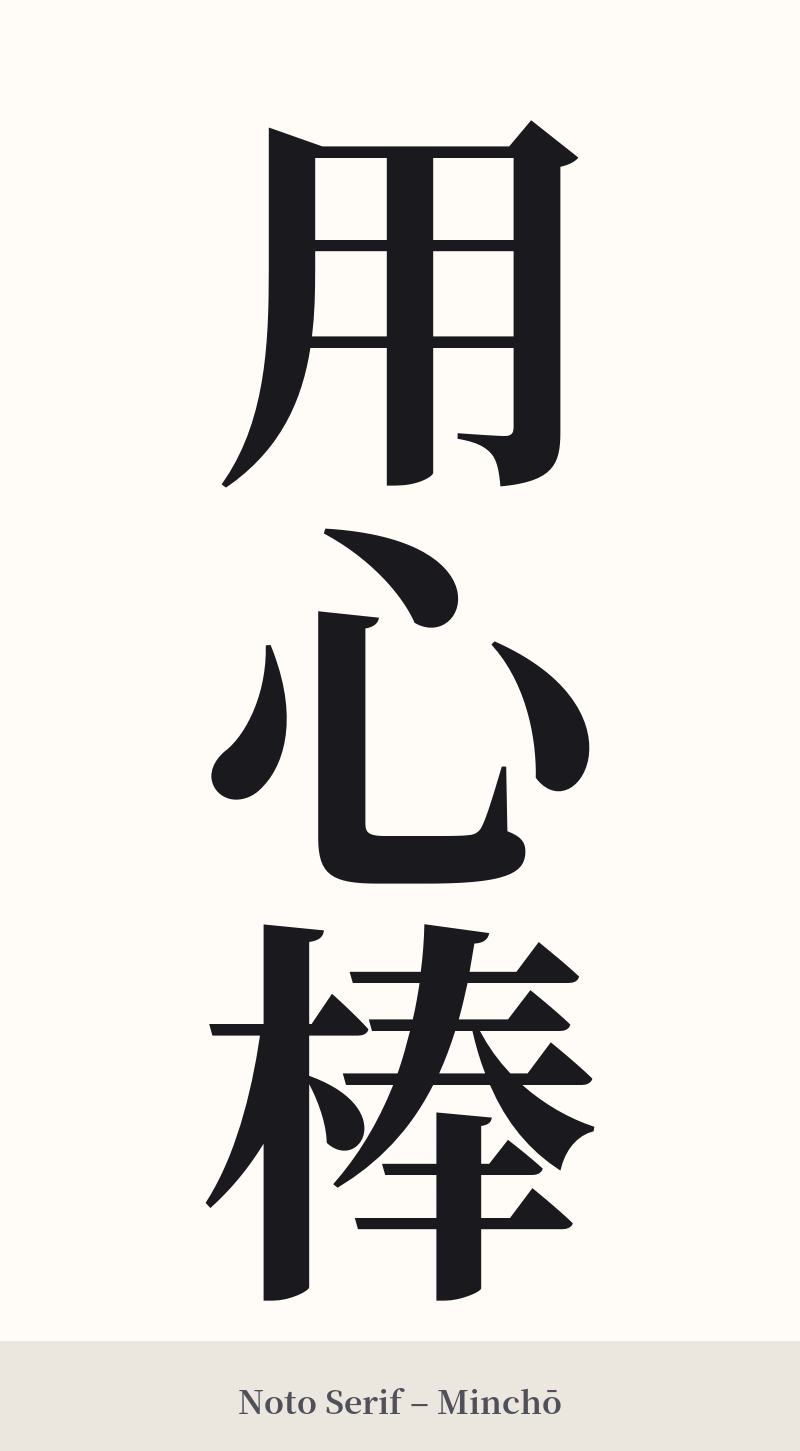
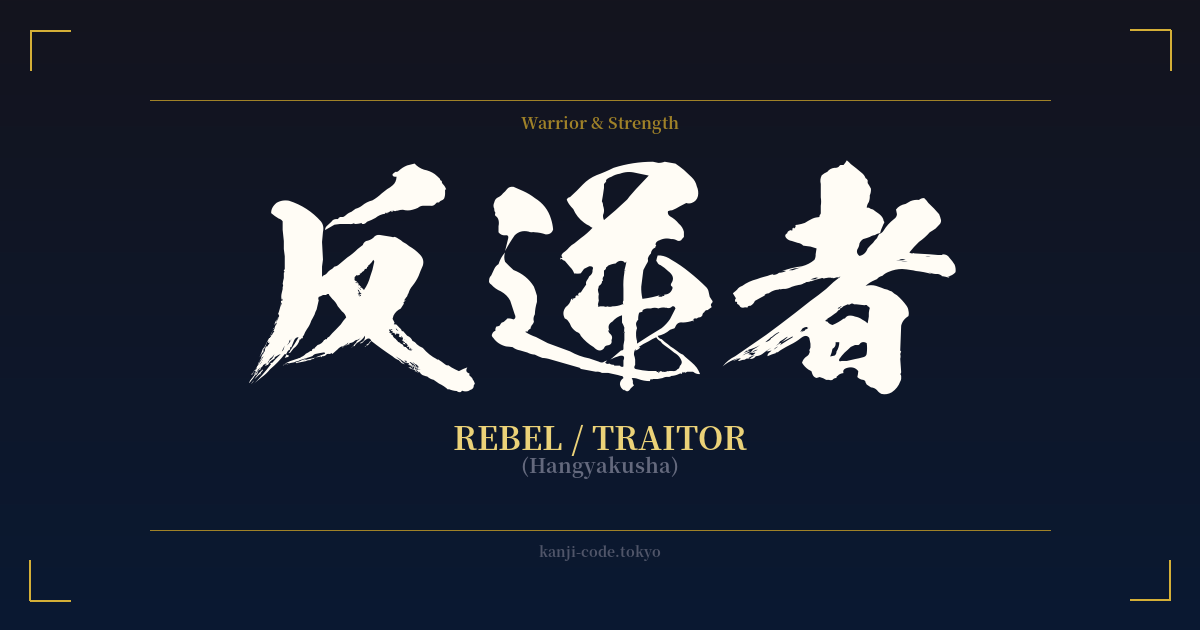
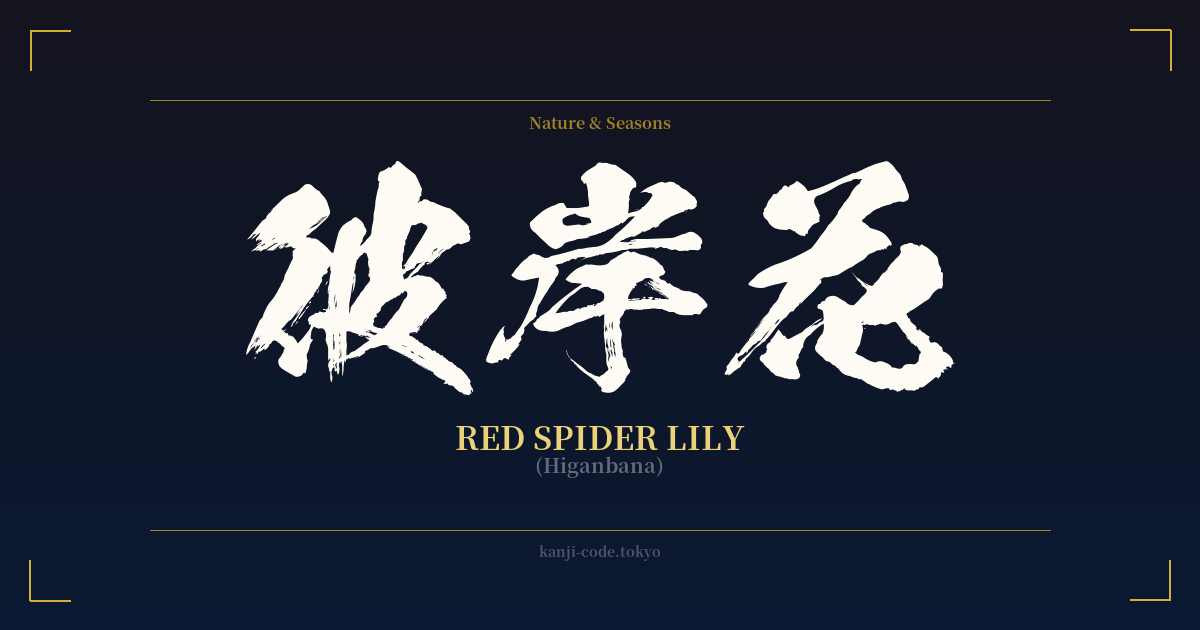
The same kanji can look dramatically different depending on the calligraphy style. Choose a font that matches the mood you want for your tattoo or design.
🎨 Tattoo Suitability
📐 Tattoo Design Guide
A 用心棒 tattoo offers a classic and powerful aesthetic. Its three-character structure lends itself well to several dynamic placements and styles.
– Placement: Vertical alignment is highly recommended for this word. It looks fantastic running down the forearm, the bicep, the calf, or along the spine. This orientation emphasizes the flow of the characters and has a traditional feel. A horizontal placement across the chest or upper back can also be very effective, creating a sense of stability and strength.
– Font Style: A strong, semi-cursive brush script (gyosho) is an excellent choice. This style captures the blend of discipline and fluid action inherent in the concept of a warrior protector. For a more stoic and grounded feel, a crisp, angular block script (kaisho) would work well, emphasizing precision and control. Avoid overly thin or delicate fonts that would clash with the word's strong meaning.
– Visual Tips: Consider the ink's texture. A style that mimics the thick, slightly faded look of traditional sumi ink can add a layer of authenticity. While the kanji is powerful on its own, it could be paired with subtle background elements like a hint of a bamboo stalk, a silhouette of a lone figure, or a simple enso (Zen circle) to represent the cycle of conflict and resolution.
Comments