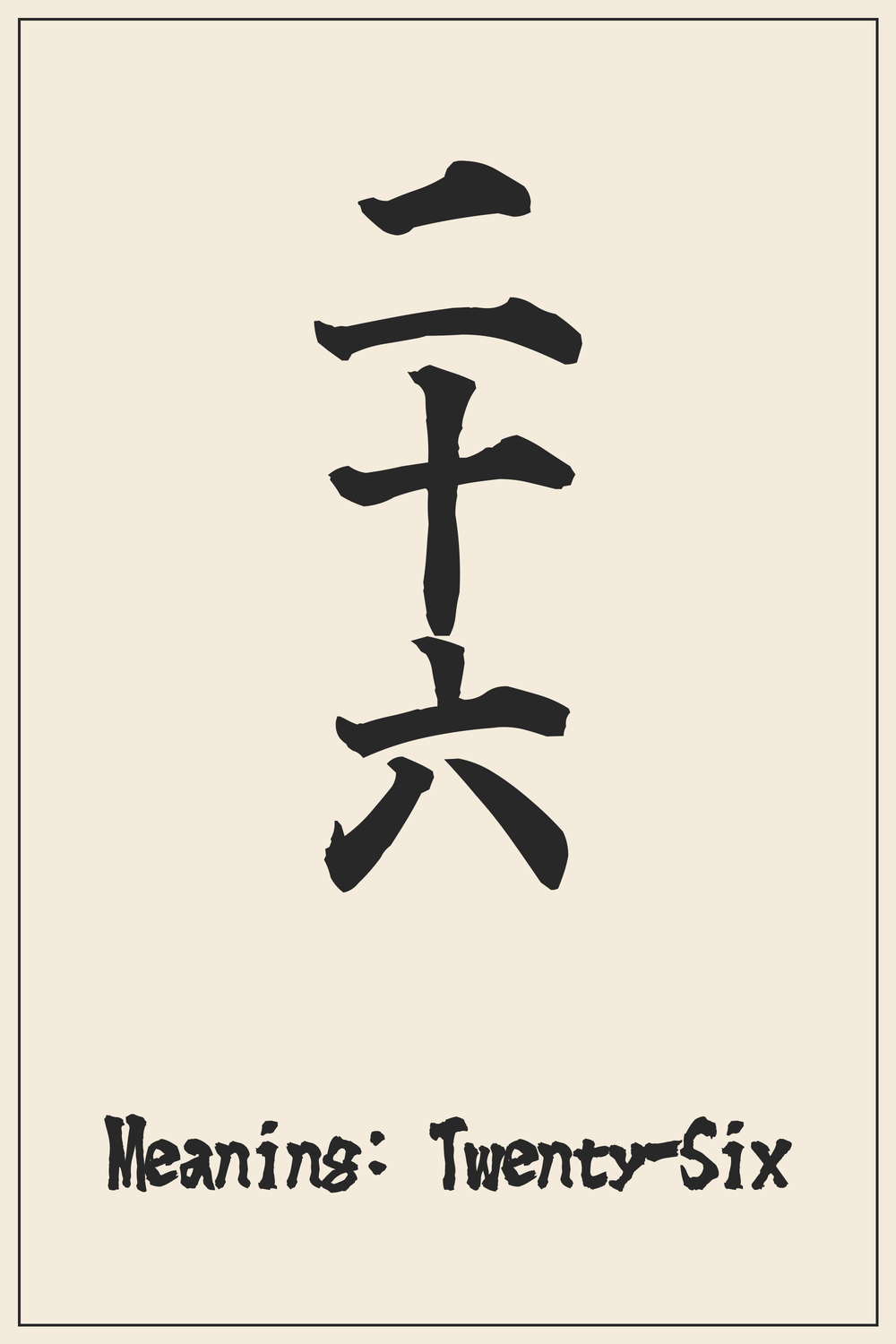
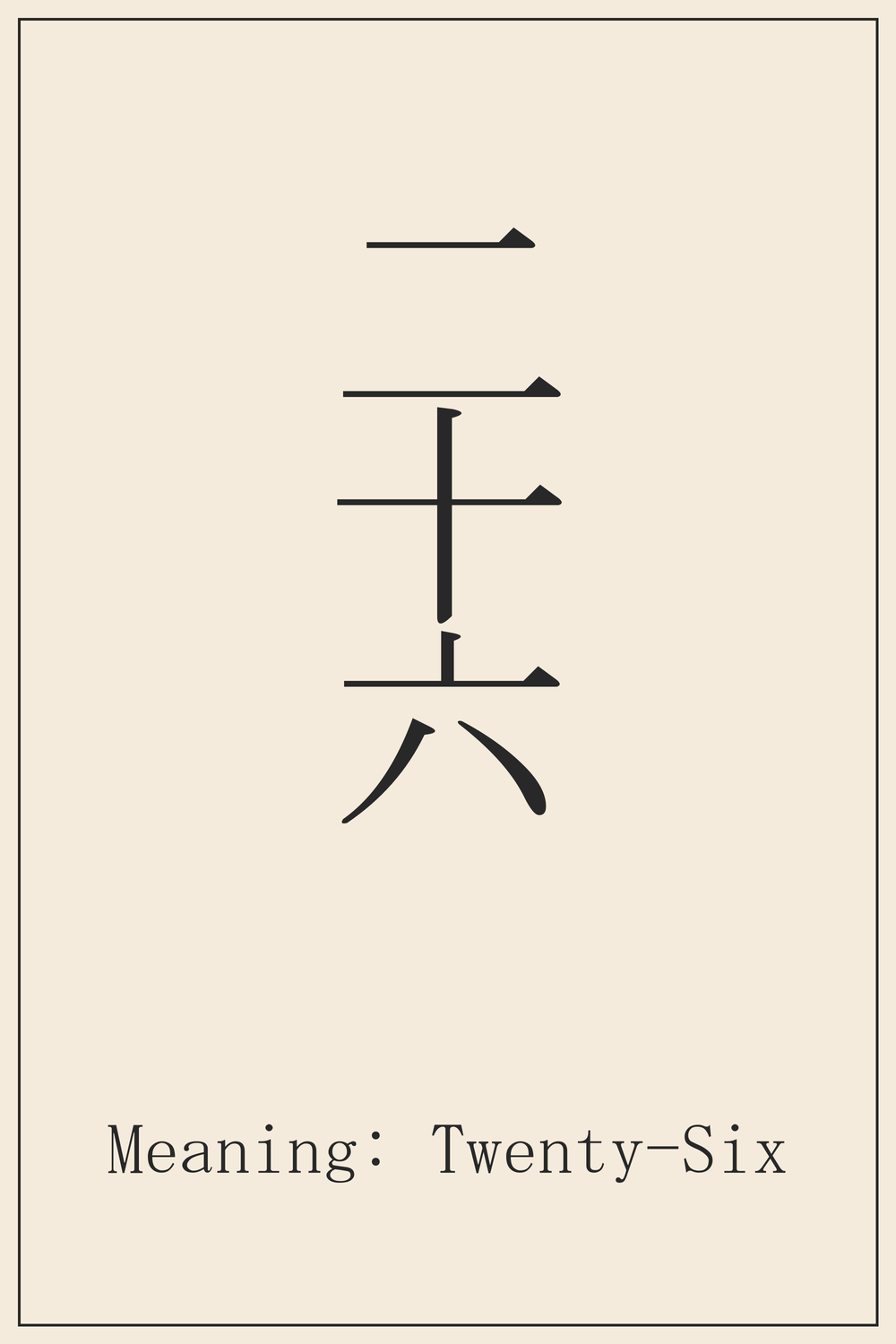
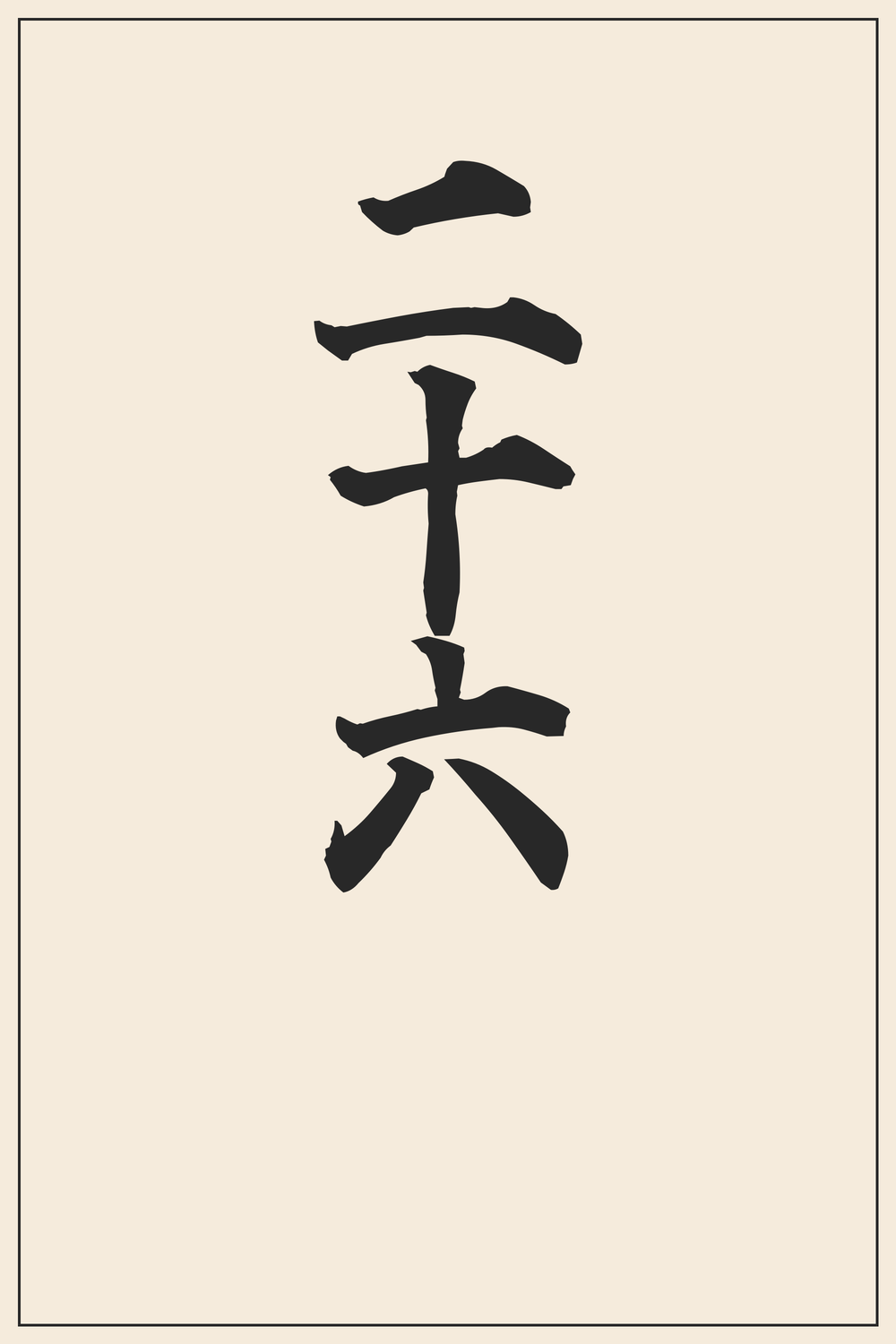
The Kanji combination “二十六” represents the number twenty-six, a fundamental concept in everyday life. While seemingly straightforward, numbers hold quiet significance in marking milestones and defining order.
The atmosphere of a Kanji character changes dramatically depending on the font style. A character that looks elegant in a brush style might look bold and modern in a different font.
Recommendation:
Since a tattoo is permanent, we strongly recommend comparing various font styles beyond what is shown here. Use our designs as a trusted reference for the correct structure, but feel free to explore different artistic variations to find the perfect match for your vision.
The Deep Meaning Behind 二十六
The Kanji for numbers are among the oldest and most fundamental characters in written language. “二” (ni) visually represents two horizontal strokes, symbolizing duality or a pair. “十” (juu) is a cross, thought to originate from a tally mark for ten or a knotted rope.
“六” (roku) depicts an ancient structure or possibly an enclosure, evolving to signify the number six. When combined, 二十六 literally means “two tens and six,” directly forming the number twenty-six, highlighting the additive nature of the Japanese counting system for compound numbers.
Kanji Breakdown
The number twenty-six is formed by three fundamental Kanji, each contributing to its overall numerical value and structure.
Meaning: Two
Explanation: This is one of the simplest and most ancient Kanji, depicted by two parallel horizontal lines. It universally symbolizes the concept of two, duality, or a pair, forming a basic unit in numerical counting.
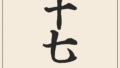
Meaning: Ten, Cross
Explanation: Originating from either a tally mark representing ten or the depiction of a cross, this Kanji signifies the number ten. It serves as a crucial building block in the Japanese decimal system for expressing larger numbers.
Meaning: Six
Explanation: The Kanji for six, while its ancient pictographic origin is debated, clearly represents the numerical value six. It completes the unit digit when forming the compound number twenty-six.
Conclusion
The Kanji “二十六” directly translates to twenty-six, a simple yet essential numerical value. Its beauty lies in its clarity and universal recognition as a fundamental component of counting and measurement.
For a tattoo, “二十六” offers a clean and unambiguous statement of the number twenty-six. It can commemorate an important age, a significant date, or a personal count, serving as a subtle yet powerful reminder of a meaningful aspect of one’s life. Its straightforward nature makes it a classic and timeless choice for those valuing clarity and personal significance.
Comments